Back Pain in Pregnancy: Causes, Relief & Prevention
Understanding back pain during pregnancy and effective strategies for relief and management.
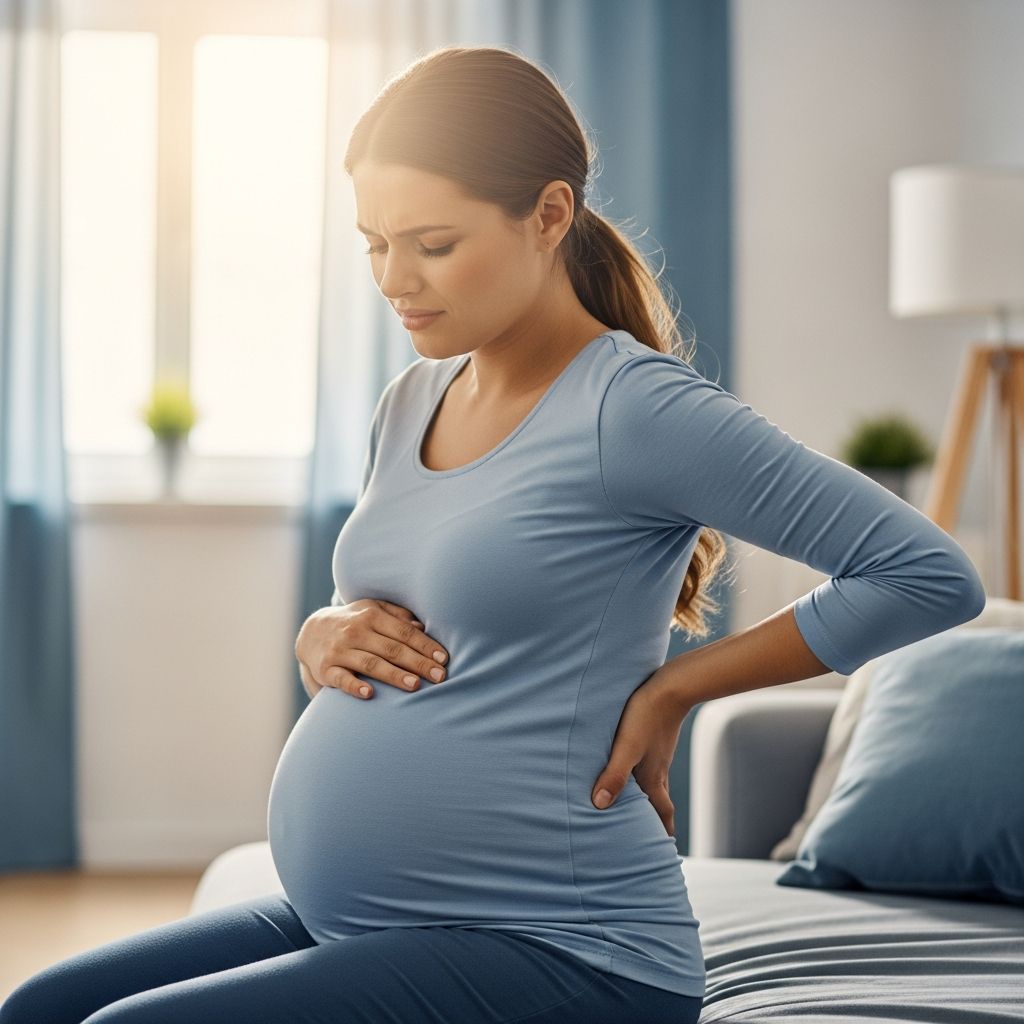
Back Pain in Pregnancy: Understanding and Managing This Common Condition
Back pain is one of the most frequently reported symptoms during pregnancy, affecting a substantial percentage of expectant mothers throughout their pregnancy journey. The physical changes that occur during pregnancy, combined with hormonal shifts and weight gain, create conditions that make back pain increasingly common as pregnancy progresses. Understanding the causes, exploring effective management strategies, and knowing when to seek medical attention can help pregnant women maintain comfort and wellness throughout this transformative period.
What Causes Back Pain During Pregnancy?
Back pain during pregnancy stems from multiple interconnected factors that develop as the body undergoes significant physical changes to accommodate a growing fetus. Several key mechanisms contribute to the onset and progression of back pain during pregnancy.
Weight Gain and Postural Changes
As pregnancy advances, women gain weight distributed across the body, with significant concentration in the abdominal area. This additional weight shifts the center of gravity forward, requiring the body to compensate by adjusting posture. The spine curves more than usual, placing increased stress on the lumbar region and surrounding muscles. To counterbalance the forward shift, many pregnant women instinctively arch their backs, which intensifies strain on the lower back and can trigger pain that worsens throughout the day.
Hormonal Influence
Pregnancy triggers the production of a hormone called relaxin, which plays a crucial role in preparing the body for childbirth. Relaxin functions by loosening the ligaments and joints in the pelvic area and spine, allowing greater flexibility and mobility. However, this increased laxity of ligaments can destabilize the spine and pelvis, reducing support for the vertebral column and contributing to back pain. This hormonal influence makes pregnant women more susceptible to discomfort even with normal physical activities.
Muscular Changes
The abdominal muscles stretch and weaken as pregnancy progresses, reducing their ability to provide core support for the spine. This weakening of abdominal muscles means the back muscles must work harder to maintain posture and support the spine. The increased workload on back muscles can lead to fatigue, tension, and pain, particularly in the lower back region where stress concentrates.
Additional Contributing Factors
Several other factors increase the likelihood of experiencing back pain during pregnancy. Previous episodes of back pain before pregnancy significantly increase the risk of experiencing back pain during pregnancy. Poor physical fitness, particularly weak core muscles, makes the body less equipped to handle the physical demands of pregnancy. Stress and emotional tension can manifest physically as back pain and muscle tension. Carrying heavy loads or engaging in physically demanding work can exacerbate back pain symptoms. Pregnancy-related pelvic pain often accompanies or compounds back pain, creating additional discomfort.
When Does Back Pain Typically Occur?
Back pain can emerge at any point during pregnancy but becomes increasingly prevalent as pregnancy advances. Many women first experience back pain during the second and third trimesters when weight gain accelerates and postural changes become more pronounced. Some women experience onset earlier, particularly if they have a history of back problems. The severity often fluctuates throughout the day, worsening with prolonged sitting, standing, or physical activity, and may improve with rest and position changes.
Prevention Strategies for Back Pain
Taking proactive steps during pregnancy can significantly reduce the likelihood of developing back pain or minimize its severity. Implementing prevention strategies early in pregnancy often proves more effective than attempting to manage pain once it develops.
Related Stories



Posture and Body Mechanics
Maintaining good posture becomes increasingly important during pregnancy. When sitting, choose chairs with good back support, and consider using a small pillow to support the natural curve of your lower back. Sit with feet flat on the floor and knees at a 90-degree angle. When standing, keep your shoulders back, chest forward, and avoid locking your knees. Distribute weight evenly on both feet. When lifting objects, bend at the knees rather than the waist, keeping the object close to your body. Avoid twisting motions combined with bending, and ask for assistance with heavy items.
Exercise and Physical Activity
Regular, appropriate exercise during pregnancy strengthens muscles, improves flexibility, and maintains cardiovascular health. Low-impact activities such as walking, swimming, water aerobics, and stationary cycling provide excellent cardiovascular benefits without stressing the joints. Prenatal yoga specifically designed for pregnant women can improve flexibility, strengthen the core, and reduce back pain. Pelvic floor exercises, often called Kegel exercises, strengthen muscles that support the uterus, bladder, and bowel. Always consult with your healthcare provider before beginning any exercise program during pregnancy, as individual circumstances vary.
Sleep and Rest Position
Sleep position significantly affects back pain during pregnancy. Sleeping on your side, particularly the left side, is generally recommended during pregnancy as it improves blood circulation and reduces pressure on the back. Placing a pillow between the knees helps maintain proper spinal alignment and reduces strain on the lower back. Using a pregnancy body pillow provides support along the entire body length. Avoid sleeping on your back during the later stages of pregnancy, as the weight of the uterus can compress important blood vessels.
Weight Management
Gaining an appropriate amount of weight during pregnancy, as recommended by your healthcare provider, helps minimize unnecessary stress on the back and joints. Excessive weight gain beyond what is medically recommended increases the strain on the spine and can intensify back pain. Your healthcare provider can establish appropriate weight gain targets based on your pre-pregnancy weight and overall health status.
Footwear Considerations
Choosing appropriate footwear during pregnancy supports proper posture and reduces back strain. Wear comfortable, flat shoes with good arch support rather than high heels, which shift weight forward and increase spine curvature. Supportive shoes help maintain proper weight distribution and reduce the compensatory posturing that triggers back pain.
Managing Back Pain During Pregnancy
When back pain occurs despite preventive measures, several management strategies can provide relief and improve comfort.
Heat and Cold Therapy
Applying heat to the affected area can reduce muscle tension and improve blood circulation, providing temporary pain relief. Use a heating pad set on low or medium setting, or take a warm (not hot) bath. Alternatively, cold packs can reduce inflammation and numb localized pain. Many women find that alternating between heat and cold provides optimal relief. Limit applications to 15-20 minutes at a time to prevent skin irritation.
Massage and Gentle Stretching
Prenatal massage performed by a certified therapist experienced in pregnancy massage can reduce muscle tension and provide pain relief. Gentle stretching of the back, hip, and leg muscles improves flexibility and reduces muscle tightness. Specific prenatal yoga poses designed to release back tension can provide significant relief when performed correctly.
Supportive Devices
A maternity support belt or pregnancy support band worn around the abdomen and lower back can help distribute weight more evenly and reduce strain on the lumbar spine. These devices provide external support, reducing muscle fatigue and pain. Pregnancy pillows designed specifically for pregnant women provide targeted support while sleeping or resting.
Physical Therapy
A physical therapist specializing in prenatal care can develop individualized exercise programs to strengthen supportive muscles, improve flexibility, and reduce back pain. Physical therapy provides both immediate pain relief and long-term improvement in strength and function. Therapeutic exercises often target the core, hip, and lower back muscles to provide optimal support.
Acupuncture and Alternative Therapies
Some pregnant women find relief through acupuncture, a traditional Chinese medicine practice. Research suggests acupuncture may provide pain relief for some pregnant women, though consultation with your healthcare provider is essential before pursuing this treatment. Osteopathic manual treatment, chiropractic care specifically adapted for pregnancy, and other complementary approaches may offer relief for some women, always under professional guidance.
Medication Considerations
Pain medication during pregnancy requires careful consideration of safety for both mother and fetus. Over-the-counter pain relievers such as acetaminophen are generally considered safe when used as directed and for limited durations. Nonsteroidal anti-inflammatory drugs (NSAIDs) like ibuprofen are typically avoided during pregnancy, particularly in the third trimester, due to potential effects on fetal development. Always consult your healthcare provider before taking any pain medication during pregnancy, as individual circumstances and medical history influence medication safety. Some prescription pain medications may be appropriate in certain situations but require medical supervision.
When to Contact Your Healthcare Provider
While back pain is common during pregnancy, certain symptoms warrant immediate medical attention. Contact your healthcare provider if back pain accompanies vaginal bleeding, leakage of fluid, or contractions, as these may indicate pregnancy complications. Severe, persistent back pain that does not improve with conservative management requires professional evaluation. Numbness or tingling in the legs, loss of bladder or bowel control, or difficulty walking warrant immediate medical attention. If back pain follows a fall or injury, seek medical care promptly. Pain radiating down one or both legs may indicate nerve compression requiring evaluation.
Back Pain After Delivery
For many women, back pain improves significantly after delivery as the body returns to pre-pregnancy conditions. The hormonal influences that loosened ligaments diminish, the spine returns to normal curvature as weight redistributes, and abdominal muscles gradually strengthen. However, some women experience persistent back pain in the postpartum period, particularly if they experienced significant pain during pregnancy. Studies indicate that approximately half of women who experienced back pain during pregnancy report continued symptoms one year after delivery, though symptom severity typically decreases substantially. Engaging in postpartum exercise and maintaining good posture supports recovery and reduces the likelihood of persistent pain.
Long-Term Outlook and Future Pregnancies
Women who experienced back pain during pregnancy have increased likelihood of experiencing back pain in subsequent pregnancies. However, understanding the mechanisms and implementing prevention strategies from the start of future pregnancies can minimize severity. Women with a history of back pain before pregnancy may experience pregnancy as a temporary worsening of pre-existing conditions, with improvement likely after delivery. Those who develop back pain only during pregnancy without prior history may experience longer-lasting symptoms and should receive particular attention to management and prevention strategies.
Frequently Asked Questions
Q: Is back pain during pregnancy dangerous for my baby?
A: Back pain itself does not harm your baby. However, if back pain is accompanied by other symptoms like vaginal bleeding, fluid leakage, or contractions, contact your healthcare provider immediately as these may indicate pregnancy complications unrelated to the back pain.
Q: Can I exercise if I have back pain during pregnancy?
A: Yes, appropriate exercise often helps manage back pain during pregnancy. Low-impact activities like walking, swimming, and prenatal yoga can strengthen supporting muscles and reduce pain. Always consult your healthcare provider before starting any exercise program and stop if pain increases.
Q: When should I wear a maternity support belt?
A: Many women find maternity support belts most helpful during the second and third trimesters when back pain typically worsens. Wear the belt during activities that trigger pain or throughout the day if pain is persistent. Remove the belt before sleeping unless your healthcare provider recommends otherwise.
Q: What is the safest position to sleep in during pregnancy if I have back pain?
A: Sleeping on your side, preferably the left side, is recommended during pregnancy. Place a pillow between your knees to maintain proper spinal alignment and reduce lower back strain. A pregnancy body pillow provides support along your entire body.
Q: Will my back pain go away after I deliver?
A: Most women experience significant improvement in back pain after delivery as hormonal influences diminish and the spine returns to normal position. However, some women continue to experience mild symptoms. Postpartum exercise and maintaining good posture support recovery.
Q: Are there any medications safe for back pain during pregnancy?
A: Acetaminophen is generally considered safe when used as directed for limited periods. Avoid NSAIDs like ibuprofen, particularly in the third trimester. Always consult your healthcare provider before taking any pain medication during pregnancy, as individual circumstances vary.
Q: Can acupuncture help with pregnancy back pain?
A: Some pregnant women find relief through acupuncture. Research suggests it may help reduce back pain for some women. Ensure your acupuncturist is certified and experienced with pregnant patients, and inform your healthcare provider of your intention to pursue this treatment.
Q: Should I continue my regular exercise routine during pregnancy if I have back pain?
A: Discuss your exercise routine with your healthcare provider. High-impact activities may need modification, but low-impact exercise often helps manage back pain. Prenatal-specific exercises may be particularly beneficial for strengthening supporting muscles.
References
- Back pain in pregnancy: 1-year follow-up of untreated cases — National Center for Biotechnology Information (NCBI/NIH). 2012. https://pmc.ncbi.nlm.nih.gov/articles/PMC3476697/
- Pregnancy and back pain — Johns Hopkins Medicine, Department of Orthopedic Surgery. https://www.hopkinsmedicine.org
- Physical Activity and Exercise During Pregnancy and the Postpartum Period — American College of Obstetricians and Gynecologists (ACOG). 2020. https://www.acog.org
- Managing Back Pain During Pregnancy — Mayo Clinic. 2024. https://www.mayoclinic.org
- Pregnancy and Lower Back Pain — American Pregnancy Association. https://americanpregnancy.org
Similar Articles








Read full bio of medha deb