Back Spasms: Causes, Symptoms, Treatment & Relief
Understand back spasms: Learn causes, recognize symptoms, and discover effective treatment options for relief.
What Are Back Spasms?
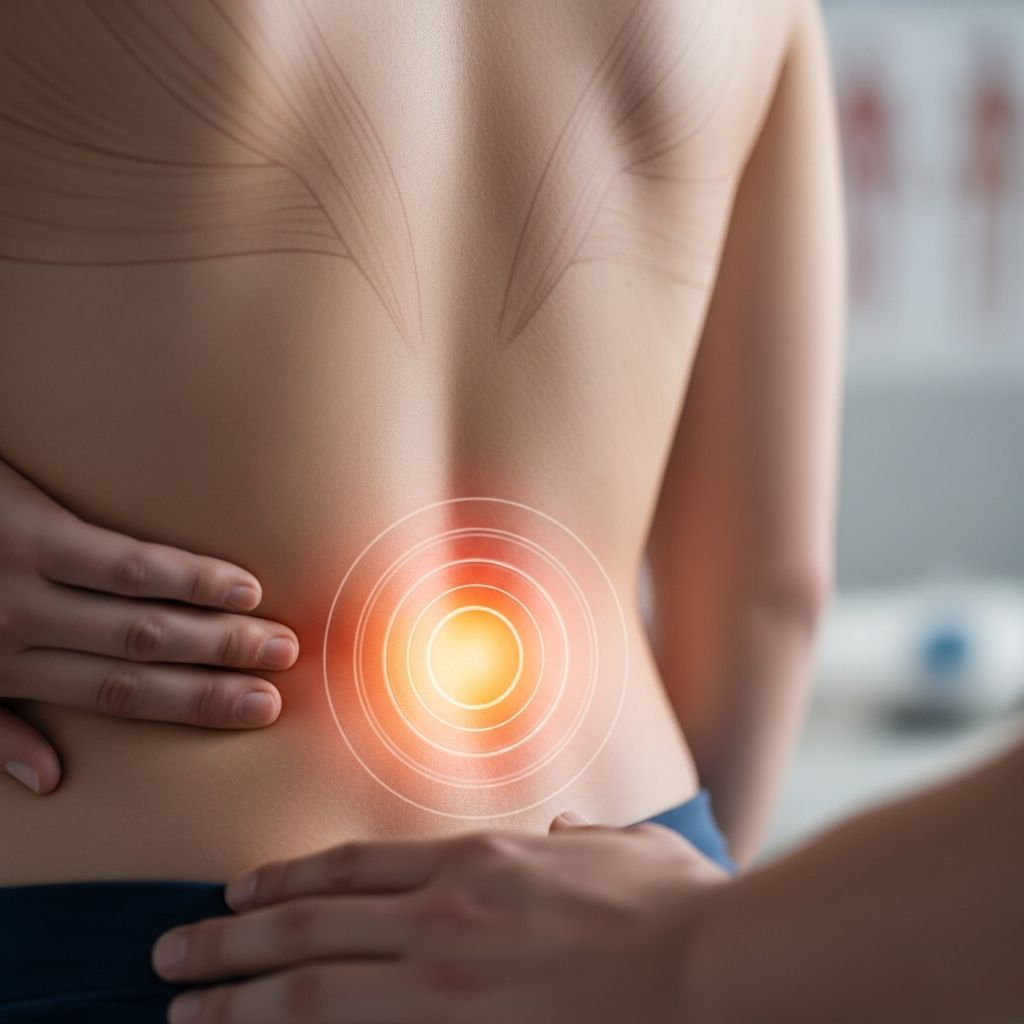
A spasm in your back muscles is a common type of back pain that affects millions of people each year. Back spasms are involuntary muscle contractions that can range from tiny twinges to crippling contractions that significantly impact your quality of life. These sudden, uncontrollable muscle contractions occur when the muscles in your back tighten unexpectedly, often causing intense pain and limiting your ability to move freely.
Your muscles may spasm as a protective mechanism when your body detects stress or injury in the area. Understanding what back spasms are and why they occur is the first step toward effective management and prevention.
Common Causes of Back Spasms
Back spasms can develop for various reasons, ranging from lifestyle factors to underlying medical conditions. Identifying the cause of your back spasms is essential for determining the most appropriate treatment approach.
Muscle Strain and Overuse
One of the most common causes of back spasms is muscle strain. When you use your back muscles excessively or move in ways your body isn’t accustomed to, you may develop muscle strain and subsequent spasms. This can happen during work, exercise, or everyday activities. Heavy lifting, repetitive motions, or sudden movements can all trigger muscle strain leading to spasms that may persist for several days.
Age-Related Spine Changes
As you age, your spine undergoes natural changes that can contribute to back spasms. Everything in your back changes over time as a normal part of aging. These age-related changes may include herniated discs, back arthritis, or spinal stenosis. These conditions can make your muscles more prone to spasming as your body compensates for structural changes in your spine.
Nerve Problems and Compression
Muscle spasms are frequently associated with nerve inflammation or compression issues. Sciatica is a common condition where the sciatic nerve, which runs from your lower back down the back of your hip and leg, becomes irritated or inflamed. When nerves are compressed or inflamed, your muscles may respond with involuntary contractions.
Stress and Muscle Tension
Psychological stress can manifest as physical tension in your muscles. When you’re stressed, you’re more likely to unknowingly contract or tighten your muscles, and this muscle tension can lead to spasms. Learning stress management techniques can help reduce the frequency and severity of stress-related back spasms.
Symptoms of Back Spasms
Back spasms present with distinct symptoms that can vary in intensity and duration. Recognizing these symptoms can help you determine whether you’re experiencing a simple muscle spasm or a condition requiring medical attention.
Primary Symptoms
The hallmark symptoms of back spasms include:
- Sudden, tight, and intense back pain
- Limited mobility and restricted movement
- Muscle weakness in the affected area
- Instability or feeling unable to support your body weight
- A cramping or tightening sensation
- The sensation of your back being “locked up”
Duration and Recurrence
Spasms typically last from seconds to 15 minutes or longer and may recur multiple times before resolving. After a spasm, the affected muscles may feel sore and tender for hours or even days. Some people experience occasional spasms, while others deal with frequent episodes that significantly impact their daily activities.
Related Stories



When to Seek Medical Attention
While many back spasms resolve on their own or with home treatment, certain situations warrant professional medical evaluation. You should see your healthcare provider right away if you experience any of the following symptoms in addition to back spasms:
- Severe, unrelenting pain that doesn’t improve with rest or over-the-counter medications
- Numbness or tingling in your legs or feet
- Loss of bladder or bowel control
- Fever accompanying your back spasms
- Unexplained weight loss
- History of cancer or osteoporosis
- Spasms following a significant trauma or injury
- Spasms that last for minutes at a time or occur very frequently
Additionally, if you have underlying conditions such as fibromyalgia or type 2 diabetes, which can trigger muscle spasms, inform your healthcare provider about your symptoms.
How Healthcare Providers Diagnose Back Spasms
Diagnosing back spasms typically begins with a comprehensive evaluation by your healthcare provider. Your provider may diagnose your back spasms based on the symptoms you describe and your medical history. During your appointment, your healthcare provider will:
Initial Assessment
Your healthcare provider will ask detailed questions about your symptoms, including when they started, what makes them worse or better, and how they affect your daily activities. Be sure to discuss any recent activities, injuries, or trauma to your back that may have precipitated the spasms. Your provider will also review your complete medical history and obtain a list of all medications you’re currently taking.
Physical Examination
During a physical examination, your healthcare provider will assess your posture, range of motion, and muscle strength. They may perform specific tests to evaluate nerve function and determine if there are any structural abnormalities in your spine.
Treatment Options for Back Spasms
Treatment for back spasms depends on the underlying cause and severity of your symptoms. Most cases of back spasms can be effectively managed with conservative treatments.
At-Home Treatments
Many back spasms respond well to at-home remedies that you can begin immediately:
- Ice and Heat Therapy: Applying ice during the first 24 to 48 hours can help reduce inflammation and numb the area. After the initial acute phase, heat therapy can help relax muscles and improve circulation.
- Rest: Allow your muscles to recover by avoiding activities that aggravate your symptoms. However, extended bed rest should be avoided as immobility can prolong symptoms and delay recovery.
- Over-the-Counter Pain Relief: Nonsteroidal anti-inflammatory drugs (NSAIDs) such as ibuprofen can help reduce pain and swelling associated with muscle spasms.
- Gentle Movement: Once the acute spasm subsides, gentle stretching and movement can help calm muscles and promote healing. Movement is often the best medicine for back spasms.
- Compression: Using compression wraps or garments may help provide support and stability during the acute phase.
Medical Treatments
For more severe or persistent back spasms, your healthcare provider may recommend additional treatments:
Muscle Relaxants
Prescription muscle relaxant medications can help reduce muscle spasms and associated pain. Your healthcare provider will provide specific instructions regarding dosages and when you can safely operate a vehicle while taking these medications.
Physical Therapy
Your primary healthcare provider may refer you to a physical therapist who can teach you targeted stretches and strengthening exercises. Physical therapy is particularly effective for preventing future episodes and improving overall back health.
Trigger Point Injections
Healthcare providers may use injections to loosen muscle knots known as trigger points, providing targeted relief from muscle tension and spasms.
Duration of Recovery
The recovery time for back spasms depends on the underlying cause and severity of your injury. If you use your back muscles too much, you may have spasms for a few days. If there’s a muscle strain, it may take several weeks for complete recovery. Most people with back strain symptoms improve in about 2 weeks. If symptoms continue for more than 2 weeks, additional treatment may be required.
After the first 24 to 48 hours of initial treatment with ice and compression, returning to normal activities as tolerated is advisable. Extended immobility prolongs symptoms and delays recovery.
Prevention Strategies
While not all back spasms can be prevented, several strategies can reduce your risk:
- Maintain proper posture during daily activities and work
- Use correct lifting techniques when handling heavy objects
- Stay physically active and engage in regular exercise
- Perform regular stretching and strengthening exercises
- Manage stress through relaxation techniques and exercise
- Stay hydrated throughout the day
- Maintain a healthy weight to reduce strain on your back
- Avoid prolonged sitting; take frequent breaks to move and stretch
Frequently Asked Questions
Q: Can back spasms go away on their own?
A: Yes, it’s possible that your back spasms may go away on their own, but it depends on what caused them. Talk to your healthcare provider about the best treatment plan for your specific situation. Many simple muscle spasms resolve with home treatment within days to weeks.
Q: How long do back spasms typically last?
A: Most back spasms last from seconds to 15 minutes, though they may recur multiple times. Some people experience chronic spasms that require ongoing management. If spasms persist beyond a few weeks, consult your healthcare provider.
Q: Is it safe to exercise with back spasms?
A: Gentle movement and stretching are actually beneficial for back spasms after the acute phase subsides. However, avoid strenuous exercise during the initial acute period. As soon as the spasm subsides, gentle stretching can help calm muscles and prevent future spasms.
Q: What medications are used for back spasms?
A: Over-the-counter NSAIDs like ibuprofen can help manage pain and inflammation. For more severe spasms, healthcare providers may prescribe muscle relaxant medications that help reduce involuntary muscle contractions.
Q: When should I call my doctor about back spasms?
A: Contact your healthcare provider if spasms are severe, persistent for more than two weeks, accompanied by numbness or tingling, involve loss of bladder or bowel control, or occur following significant trauma.
Conclusion
Back spasms are a common condition that affects many people, but they don’t have to control your life. By understanding the causes and symptoms, you can take proactive steps to manage and prevent future episodes. Most back spasms respond well to conservative home treatments, including ice and heat therapy, gentle movement, and over-the-counter pain relief. However, when symptoms are severe or persistent, your healthcare provider can offer additional treatment options including muscle relaxants, physical therapy, and specialized injections.
The key to successful management is early intervention and consistent self-care. If you’re experiencing recurrent or severe back spasms, don’t hesitate to consult with your healthcare provider to develop a personalized treatment plan that addresses your specific needs and helps you return to normal activities.
References
- Back Spasms: Causes, Treatment & What Is It — Cleveland Clinic. Last reviewed 04/26/2022. https://my.clevelandclinic.org/health/diseases/22881-back-spasms
- Back Strains and Sprains — Cleveland Clinic. Cleveland Clinic Educational Resources. https://my.clevelandclinic.org/health/diseases/10265-back-strains-and-sprains
- Lower Back Pain: Causes, Symptoms & Treatment — Cleveland Clinic. Cleveland Clinic Health Library. https://my.clevelandclinic.org/health/diseases/7936-lower-back-pain
- Muscle Relaxers: What They Are, Uses, Side Effects & Types — Cleveland Clinic. Cleveland Clinic Health Library. https://my.clevelandclinic.org/health/treatments/24686-muscle-relaxers
- Pursuing the diagnosis of low back pain — Brian F. Mandell, MD, PhD. Cleveland Clinic Journal of Medicine, June 2024, 91(6):334-335. https://www.ccjm.org/content/91/6/334
- Lower Back Spasms: Causes, Symptoms, and Treatment — Hinge Health. Hinge Health Resources. https://www.hingehealth.com/resources/articles/lower-back-spasms/
Similar Articles








Read full bio of medha deb