Back and Spine Surgery: Types, Recovery, and Treatment
Comprehensive guide to back and spine surgery options, procedures, and recovery.
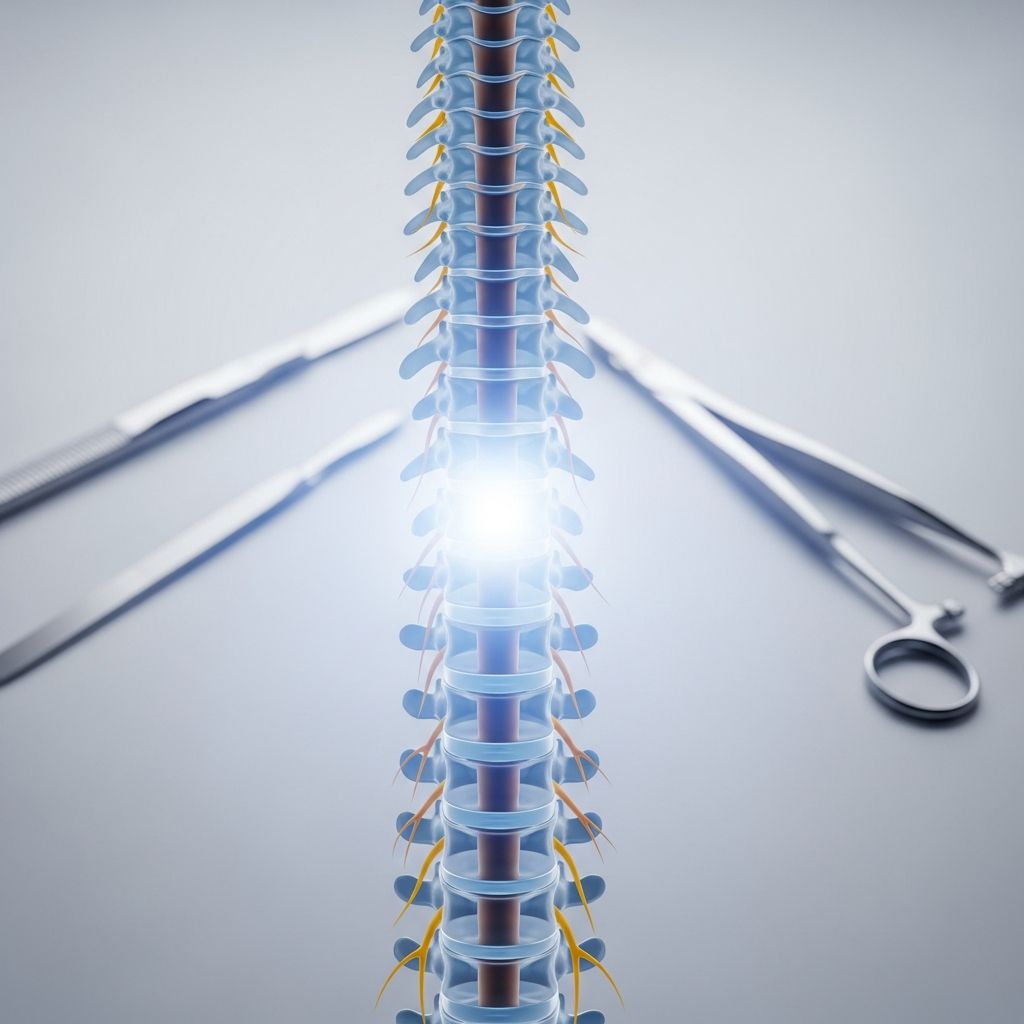
Understanding Back and Spine Surgery
Back and spine surgery is a medical procedure designed to treat various spinal conditions that cause pain, weakness, numbness, or loss of function. When conservative treatments such as physical therapy, medications, and injections fail to provide relief, surgery may be recommended by your healthcare provider. The spine is a complex structure comprising vertebrae, discs, nerves, and supporting muscles, and surgical intervention aims to address structural problems that affect these components.
Spine surgery encompasses a range of procedures, from minimally invasive techniques to more complex reconstructive operations. The specific procedure recommended depends on your diagnosis, the severity of your condition, your age, overall health status, and other medical factors. Understanding the different types of spine surgery available can help you make informed decisions about your treatment options.
Common Types of Spine Surgery
Lumbar Fusion Surgery
Lumbar fusion is one of the most common spinal procedures performed to treat degenerative disc disease, spondylolisthesis, and spinal instability. This procedure involves joining two or more vertebrae together to eliminate motion between them and reduce pain. During fusion surgery, bone grafts are inserted between the vertebrae to promote bone growth and create a solid fusion. The graft material may come from your own hip bone (autograft), cadaver bone (allograft), or synthetic bone substitutes. Rods and screws are then placed to stabilize the spine while the fusion heals.
A fusion procedure can be performed through different approaches. A posterior fusion involves an incision in the back, while an anterior fusion requires an incision in the abdomen. Some patients require a staged procedure, which means having both anterior and posterior fusion surgeries performed at different times. The surgical duration typically ranges from 4 to 8 hours, with hospital stays lasting 5 to 7 days. Patients may require rehabilitation afterward to regain strength and mobility.
Laminectomy
A laminectomy is a decompressive procedure that involves removing bone from the vertebrae to create more space for the spinal nerves. This surgery relieves pressure on compressed nerves that cause symptoms such as numbness, tingling, pain, and weakness in the legs and feet. The procedure is particularly effective for treating spinal stenosis, where the spinal canal narrows and compresses nerve tissue.
Laminectomy is typically a shorter procedure compared to fusion surgery, lasting approximately 2 to 3 hours. Most patients stay in the hospital for about 3 days and can return home for outpatient recovery. Many patients experience significant symptom relief shortly after the procedure, particularly if nerve compression was the primary cause of their pain.
Discectomy
A lumbar discectomy is a procedure performed to remove disc material that is pressing on spinal nerves and causing pain, numbness, or weakness in the legs. This condition often results from a disc bulge or herniation. During the procedure, the surgeon removes the portion of the disc that is compressing the nerve, providing pain relief and restoring nerve function.
Related Stories



Discectomy is typically the least invasive of the major spine surgeries, with an operative time of 2 to 3 hours. Most patients require only a 1-night hospital stay and can return home the following day, making it one of the quickest recovery procedures among spine surgeries. The minimally invasive approach has made this procedure increasingly popular for appropriate candidates.
Minimally Invasive Spine Surgery
Minimally invasive spine surgery (MIS) represents an important advancement in surgical technique, offering patients reduced tissue disruption and faster recovery compared to traditional open surgery. These techniques include microscopic decompression, lateral and extreme lateral interbody fusion (XLIF), and percutaneous pedicle screw placement. The goal of MIS approaches is to achieve the same surgical outcomes while minimizing damage to surrounding muscles, ligaments, and soft tissues.
Research demonstrates that minimally invasive surgical approaches have become valuable options for patients with adult degenerative lumbar scoliosis and other spinal conditions. Studies comparing MIS to open surgery show that surgeons often select surgical approaches based on patient age, medical comorbidities, and the severity of spinal deformity. Patients with multiple medical conditions or advanced age may benefit particularly from MIS techniques due to reduced operative time and morbidity. The advancement of robotic-assisted spine surgery has further enhanced the precision and effectiveness of minimally invasive procedures.
Preparation for Spine Surgery
Preoperative Medical Evaluation
Before undergoing spine surgery, you will need to complete a comprehensive preoperative evaluation. This evaluation typically includes a visit to the preoperative evaluation center for a physical examination, detailed medical history, and necessary testing. If you have conditions such as heart disease, diabetes, or other chronic illnesses under the care of a specialist, you must obtain written clearance from that physician before surgery.
The preoperative testing must be completed within 30 days of your surgery date and includes the following:
- Complete blood count (CBC) with differential
- Comprehensive metabolic panel (chemistry panel)
- Erythrocyte sedimentation rate (ESR)
- Prothrombin time and partial thromboplastin time (PT/PTT)
- Urinalysis with culture
- Electrocardiogram (EKG)
- Chest X-ray
- Type and screen for blood compatibility
- Stress test if you have a history of cardiac disease
Day of Surgery Preparation
On the day of your surgery, you will arrive at the hospital early to check in at the pre-op area. You will meet with a member of your spine surgical team who will review and complete surgical consent forms with you. This team member will confirm the specific type of surgery you are having and mark the surgical site. You will also meet with an anesthesiologist who will discuss anesthesia options, answer your questions, and begin your intravenous (IV) line. The anesthesiologist will place graduated compression stockings (TED stockings) on your legs to prevent blood clots during and after surgery.
The Surgical Procedure
Operative Details
Spine surgery procedures vary in length depending on the complexity of your condition and the type of surgery being performed. As previously mentioned, fusion surgery typically lasts 4 to 8 hours, while decompressive procedures such as laminectomy and discectomy usually take 2 to 3 hours. Your surgeon will use specialized instruments and imaging techniques to visualize the spine and perform the procedure with precision.
For fusion procedures requiring bone graft material from your hip (autograft), the bone is often removed through the same surgical incision, meaning you will have only one incision site to heal postoperatively rather than two separate incisions. This approach reduces postoperative pain and speeds recovery in many cases.
Recovery Room and Initial Post-op Care
Immediately following surgery, you will be transferred to a recovery room where medical staff will monitor your vital signs and ensure you are stable. Once stabilized, you will be transferred to either the surgical intensive care unit (SICU) or Zayed 11, an orthopedic unit, on the same day of surgery. This level of monitoring ensures that any complications are detected and managed promptly.
Pain Management and Recovery
Post-operative Pain Control
Following spine surgery, you will receive pain medications through your IV line. Many hospitals utilize patient-controlled analgesia (PCA) systems, which allow you to manage your pain by self-administering doses of medication within safe parameters set by your medical team. This approach provides better pain control compared to waiting for nursing staff to administer medication and allows you to take an active role in your recovery.
As your recovery progresses, you will transition from IV pain medications to oral pain relievers. Your medical team will work with you to manage pain effectively while minimizing medication side effects. It is important to communicate openly about your pain level to ensure appropriate management throughout your hospital stay and after discharge.
Hospital Stay and Discharge
The length of hospitalization varies depending on the type of spine surgery performed. Fusion surgery typically requires 5 to 7 days in the hospital, while laminectomy patients usually stay about 3 days, and discectomy patients often go home after a 1-night stay. Some patients may be discharged to a rehabilitation facility after their hospital stay to continue physical therapy and recovery under supervised care.
Before discharge, you will receive detailed instructions about wound care, activity restrictions, medication use, and when to contact your surgeon if problems arise. It is critical to follow these instructions carefully to promote proper healing and prevent complications.
Long-term Recovery and Rehabilitation
Spine surgery recovery is a gradual process that extends well beyond your hospital discharge. Physical therapy and rehabilitation are essential components of post-operative care, helping you regain strength, flexibility, and functional mobility. Your surgeon will provide specific guidelines about activity restrictions, including when you can resume driving, return to work, and engage in exercise or sports.
Most patients experience significant improvement in pain and symptoms within several weeks to a few months after surgery. However, complete healing of fusion sites can take 6-12 months or longer. During this time, following your surgeon’s activity guidelines and participating in prescribed physical therapy is crucial for optimal outcomes.
Advanced Surgical Technologies
Robotic-Assisted Spine Surgery
Modern spine surgery has been enhanced by robotic-assisted surgical systems that improve precision and reduce tissue disruption. These systems allow surgeons to work with greater accuracy, particularly when dealing with complex cases such as revision surgery or patients with pre-existing hardware. Robotic technology is especially valuable for patients who have undergone previous spine surgery and developed adjacent level disease, allowing surgeons to minimize damage to surrounding tissues while addressing multiple spinal levels.
Research and Innovation
Spine surgical research at institutions like Johns Hopkins continues to advance treatment options and improve outcomes. Researchers are working on eliminating fusion failure, which occurs when bone and spine do not fuse properly together, and developing new techniques to enhance surgical success rates. Over 400,000 fusion procedures are performed annually in the United States to treat various spinal disorders, making continued research into safety and effectiveness critical.
Frequently Asked Questions
Q: How long does it take to recover from spine surgery?
A: Recovery time varies by procedure type. Discectomy patients may return home after 1 day, laminectomy patients typically stay 3 days, while fusion surgery requires 5-7 days hospitalization. Full recovery and return to normal activities can take several months. Many patients benefit from rehabilitation therapy during this period.
Q: What are the risks associated with spine surgery?
A: As with any surgery, spine surgery carries risks including infection, bleeding, blood clots, and anesthesia complications. Specific spinal surgery risks may include nerve injury, persistent pain, and fusion failure. Your surgeon will discuss specific risks related to your procedure during your consultation.
Q: When is spine surgery recommended?
A: Spine surgery is typically recommended when conservative treatments including physical therapy, medications, and injections have not provided adequate relief, and imaging studies confirm a structural problem that surgery can address.
Q: Can I have multiple spine surgeries?
A: Yes, some patients require multiple surgeries, either staged procedures or revision surgeries for adjacent level disease. Your surgeon will discuss whether multiple procedures are appropriate for your condition.
Q: What should I do to prepare for spine surgery?
A: Complete all preoperative testing within 30 days of surgery, obtain medical clearance from other specialists if you have chronic conditions, avoid certain medications as directed, and follow all preoperative instructions provided by your surgical team.
Q: Is minimally invasive spine surgery appropriate for all patients?
A: Minimally invasive approaches are suitable for many patients, particularly those with significant medical comorbidities or advanced age, as they reduce tissue trauma and recovery time. However, some complex cases may require traditional open surgery approaches.
References
- The Road To Recovery after Spine Surgery — Johns Hopkins Medicine. 2024. https://www.hopkinsmedicine.org
- Robotic Spinal Decompression and Fusion Surgery — Johns Hopkins Neurosurgical Spine Center, Director Nicholas Theodore. October 23, 2024. https://www.hopkinsmedicine.org
- Johns Hopkins Spine Surgery Patient Testimonials and Outcomes — Johns Hopkins Medicine. 2024. https://www.hopkinsmedicine.org
- Minimally invasive spine surgery for adult degenerative lumbar scoliosis: a systematic review and meta-analysis — Neurosurgical Focus, Volume 36, Issue 5. 2014. Johns Hopkins University School of Medicine. https://pure.johnshopkins.edu
- Spinal Fusion Surgeries Research and Innovation — Timothy Witham, M.D., Johns Hopkins Neurosurgery Spinal Fusion Laboratory. May 15, 2017. https://www.hopkinsmedicine.org
Similar Articles








Read full bio of medha deb