Bacteria: Definition, Types, Benefits, Risks & Examples
Learn about bacteria: microscopic organisms that are mostly harmless but can sometimes cause disease.
What Are Bacteria?
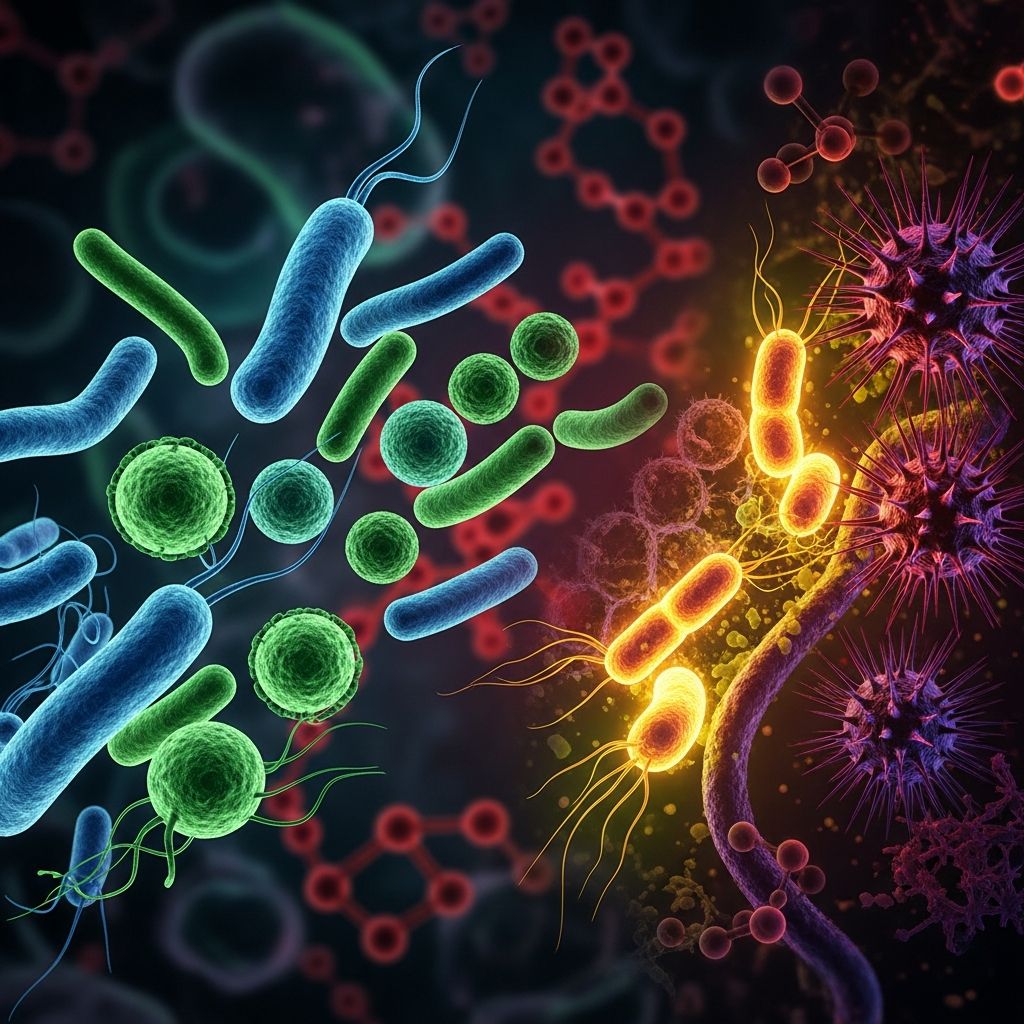
Bacteria are microscopic living organisms composed of a single cell, making them among the smallest known forms of life on Earth. Unlike animal and plant cells, bacterial cells lack a nucleus and are classified as prokaryotes, meaning their genetic material floats freely within the cell rather than being enclosed in a membrane-bound structure. These single-celled organisms are incredibly diverse and have evolved over billions of years to thrive in virtually every environment on the planet, from scorching hot springs to freezing Arctic ice, and from the depths of the ocean to the human body. Despite their microscopic size, bacteria play enormous roles in ecosystems, human health, and biotechnology.
Most people associate bacteria primarily with illness and disease, but this perception only captures a small portion of bacterial reality. In fact, the vast majority of bacteria are harmless to humans, and many are essential for our survival and well-being. Bacteria are so pervasive that they outnumber human cells in our bodies by a significant margin, with trillions of bacterial cells residing in our gastrointestinal tract, on our skin, and in other mucous membranes. Understanding bacteria—what they are, how they function, and how they interact with human biology—is crucial for appreciating both their benefits and the genuine health risks they can pose.
How Bacteria Are Structured and Function
Bacterial cells are fundamentally different from the cells that make up animals and plants. A typical bacterial cell contains a cell wall, a cell membrane, ribosomes for protein synthesis, and chromosomal DNA located in a region called the nucleoid. Some bacteria also possess flagella, which are whip-like appendages that enable movement, or pili, hair-like structures used for attachment and genetic exchange with other bacteria. This relatively simple structure belies the remarkable complexity of bacterial biochemistry and their ability to perform sophisticated metabolic processes.
Bacteria reproduce primarily through binary fission, a process of asexual reproduction in which a single bacterial cell divides into two identical daughter cells. Under optimal conditions with adequate nutrients and favorable environmental factors, bacteria can reproduce with extraordinary speed, doubling their population every 20 minutes or even faster in some species. This rapid reproduction capability explains why bacterial infections can progress quickly and why maintaining proper hygiene and sanitation is so important in healthcare settings and food preparation.
Beneficial Bacteria: Essential Partners in Health
Beneficial bacteria, often called commensal bacteria or beneficial microbiota, play indispensable roles in human health and well-being. One of the most important communities of beneficial bacteria resides in the human gut, collectively known as the gut microbiome. These microbial communities are involved in multiple critical functions that support overall health and proper body function.
Digestive Health and Nutrient Absorption
Gut bacteria are essential for breaking down complex carbohydrates and dietary fibers that our own digestive enzymes cannot process. When bacteria ferment these substances, they produce short-chain fatty acids (SCFAs) such as butyrate, propionate, and acetate. These SCFAs serve as an energy source for intestinal cells and have protective effects against gut inflammation. Additionally, certain bacteria in the gut synthesize essential vitamins, including vitamin K and biotin, which are crucial for blood clotting and various metabolic processes.
Immune System Support
The gut microbiome plays a fundamental role in training and regulating the immune system. Beneficial bacteria interact with immune cells in the intestinal lining and promote the production of secretory immunoglobulin A (SIgA), an antibody that provides a protective barrier against harmful pathogens while allowing beneficial bacteria to thrive. This delicate balance is crucial; when certain disease-causing bacteria reduce SIgA levels, the gut’s protective barrier becomes compromised, increasing susceptibility to infections and inflammatory conditions.
Related Stories



Protection Against Harmful Pathogens
Beneficial bacteria defend against pathogenic invaders through several mechanisms. They produce antimicrobial compounds, compete for nutrients and space that pathogens need to establish themselves, and maintain an acidic environment that inhibits the growth of harmful organisms. This competitive exclusion principle means that a healthy, diverse microbiome acts as a biological defense system against infection.
Harmful Bacteria: Disease-Causing Pathogens
While most bacteria are benign or beneficial, certain pathogenic bacteria can cause serious infections and diseases in humans. These harmful bacteria possess virulence factors—mechanisms that allow them to invade host cells, produce toxins, or evade immune responses.[10]
Common Bacterial Infections
Bacterial infections range from relatively minor to life-threatening conditions:
- Urinary Tract Infections (UTIs): Often caused by Escherichia coli (E. coli), UTIs are among the most common bacterial infections, affecting millions of people annually.
- Respiratory Infections: Bacteria such as Streptococcus pneumoniae cause pneumonia, bronchitis, and other respiratory tract infections.
- Skin and Soft Tissue Infections: Staphylococcus aureus and Streptococcus pyogenes can cause everything from minor skin infections to severe conditions like cellulitis.
- Gastrointestinal Infections: Pathogenic bacteria like Salmonella, Campylobacter, and pathogenic E. coli strains cause food poisoning and dysentery.
- Bloodstream Infections: Sepsis occurs when bacteria enter the bloodstream and spread throughout the body, causing a life-threatening systemic inflammatory response.
The Threat of Antibiotic Resistance
One of the most pressing public health challenges today is antibiotic resistance, which occurs when bacteria evolve mechanisms to survive exposure to antibiotics that previously would have killed them. This resistance develops through natural selection: bacteria with genes that confer resistance survive antibiotic treatment and pass these genes to their offspring, leading to populations that are increasingly difficult to treat. Antibiotic resistance contributes to infections that are harder to treat, increases healthcare costs, and elevates the risk of untreatable infections during routine surgeries and cancer treatments.
The problem is compounded by the fact that antibiotic discovery has slowed considerably in recent decades, while resistant bacteria continue to spread globally. When physicians prescribe antibiotics empirically (before bacterial identification is complete), they may provide inadequate coverage for the infection approximately 30% of the time, inadvertently contributing to the development of resistance. Emerging technologies such as quantum computing combined with artificial intelligence show promise in helping clinicians make more accurate antibiotic prescriptions faster, potentially reducing both treatment failures and resistance development.
Recent Discoveries in Bacterial Research
Tomasiella immunophila: A Newly Identified Pathogenic Bacterium
Recent breakthrough research from Cleveland Clinic has identified a previously unknown bacterium with significant implications for understanding gut-related diseases. Researchers discovered a new genus and species of bacterium called Tomasiella immunophila (T. immunophila) that plays a key role in degrading secretory immunoglobulin A (SIgA), a crucial immune component of the gut’s protective barrier.
The discovery emerged from investigations into why some patients develop inflammatory bowel disease, Crohn’s disease, and ulcerative colitis despite having normal SIgA levels in their bloodstream. The team conducted screening of gut bacteria in preclinical models with low intestinal SIgA and identified this novel bacterium that specifically degrades immunoglobulins. What makes T. immunophila particularly unusual is that it lacks the ability to produce a component of its own cell wall—a feature shared with only one other known bacterium. Instead, it scavenges cell wall components from other microbes to survive, making it difficult to isolate and study in laboratory settings.
The research showed that colonization with T. immunophila reduced SIgA levels in the intestine, increased susceptibility to mucosal pathogens, and caused delays in mucosal barrier healing. This discovery represents the first step toward developing targeted treatments for patients with reduced SIgA levels and opens promising new avenues for therapy in inflammatory and infectious gut diseases.
Bacterial Classification and Taxonomy
Bacteria are classified into several major groups based on various characteristics, including their shape, staining properties, and metabolic functions. Understanding bacterial taxonomy helps medical professionals identify pathogens and select appropriate treatments.
Bacterial Shapes
Bacteria are generally classified by their morphology into three main shapes:
- Cocci: Spherical or oval-shaped bacteria that may occur singly, in pairs (diplococci), chains (streptococci), or clusters (staphylococci).
- Bacilli: Rod-shaped bacteria that may be straight or slightly curved.
- Spirilla: Spiral or helical-shaped bacteria that move using flagella.
Gram Staining Classification
The Gram stain test divides bacteria into two major categories based on cell wall composition: Gram-positive bacteria have a thick peptidoglycan layer that retains the purple dye, while Gram-negative bacteria have a thinner peptidoglycan layer covered by an outer membrane and stain pink or red. This distinction is clinically important because it helps guide antibiotic selection, as different antibiotics are effective against these different types of bacteria.
The Microbiome: Bacteria’s Role in the Human Body
The human microbiome comprises trillions of microorganisms, with bacteria representing the dominant population. The gut microbiome is particularly significant, containing roughly the same number of bacterial cells as human cells in the body. These microbial communities are so integral to human physiology that they are often considered a “hidden organ” with weight comparable to the human brain.
The composition of an individual’s microbiome is influenced by numerous factors, including diet, antibiotic use, age, lifestyle, and genetics. Diversity within the microbiome is generally associated with better health outcomes; microbiomes with greater bacterial diversity tend to be more resilient and better equipped to perform essential functions. Conversely, dysbiosis—an imbalance or reduction in microbial diversity—has been associated with various conditions including obesity, inflammatory bowel disease, allergies, and metabolic disorders. Research suggests that in the future, physicians may analyze a patient’s microbiome and, if abnormal, administer specific organisms to restore healthy microbial balance.
Frequently Asked Questions
Q: Are all bacteria harmful to humans?
A: No, the vast majority of bacteria are harmless or beneficial. Most bacteria in and on your body support essential functions like digestion, immune defense, and vitamin synthesis. Only a small percentage of bacterial species cause human disease.
Q: How quickly do bacteria reproduce?
A: Under optimal conditions, many bacteria reproduce through binary fission and can double their population every 20 minutes or even faster. This rapid reproduction is one reason why bacterial infections can progress quickly without treatment.
Q: What is antibiotic resistance and why is it dangerous?
A: Antibiotic resistance occurs when bacteria evolve mechanisms to survive antibiotics, rendering those drugs ineffective. This is dangerous because it makes infections harder to treat and increases the risk of untreatable infections during medical procedures and surgeries.
Q: Can I improve my gut microbiome?
A: Yes, you can support a healthy microbiome through diet rich in fiber and fermented foods, limiting unnecessary antibiotic use, maintaining good sleep and stress management, and exercising regularly. These factors promote the growth and diversity of beneficial bacteria.
Q: What is SIgA and why is it important?
A: Secretory immunoglobulin A (SIgA) is an antibody that forms a protective barrier on mucous surfaces throughout your body, including the gut. It prevents harmful pathogens from reaching and damaging tissue. Reduced SIgA levels are associated with increased infection risk and inflammation.
Q: How are bacterial infections diagnosed?
A: Bacterial infections are diagnosed through various methods including bacterial cultures, where samples are grown in laboratory media to identify the specific bacterium; blood tests; imaging studies; and molecular tests like PCR that detect bacterial DNA. Urine cultures typically require about three days to identify the bacterial strain and determine antibiotic susceptibility.
References
- Cleveland Clinic researchers discover a new bacterium that causes immunodeficiency in the gut — Cleveland Clinic. 2024-09-26. https://www.lerner.ccf.org/news/article/?title=Cleveland+Clinic+researchers+discover+a+new+bacterium+that+causes+immunodeficiency+in+the+gut
- Researchers discover new bacterium that causes gut immunodeficiency — ScienceDaily/Cleveland Clinic. 2024-09-28. https://www.sciencedaily.com/releases/2024/09/240926144904.htm
- Cleveland Clinic Combines Quantum and AI for Responsible Antibiotic Prescription — The Quantum Insider. 2025-01-07. https://thequantuminsider.com/2025/01/07/cleveland-clinic-combines-quantum-and-ai-for-responsible-antibiotic-prescription/
- Our missing microbes: Short-term antibiotic courses have long-term consequences — Cleveland Clinic Journal of Medicine. 2018. https://www.ccjm.org/content/85/12/928
- The Gut Microbiome: What we do and don’t know — National Center for Biotechnology Information. 2016. https://pmc.ncbi.nlm.nih.gov/articles/PMC4838018/
Similar Articles








Read full bio of medha deb