Bacteria In Acne: Complete Guide To Causes & Treatments
Understanding the role of Cutibacterium acnes and other bacteria in acne pathogenesis, inflammation, and treatment strategies.
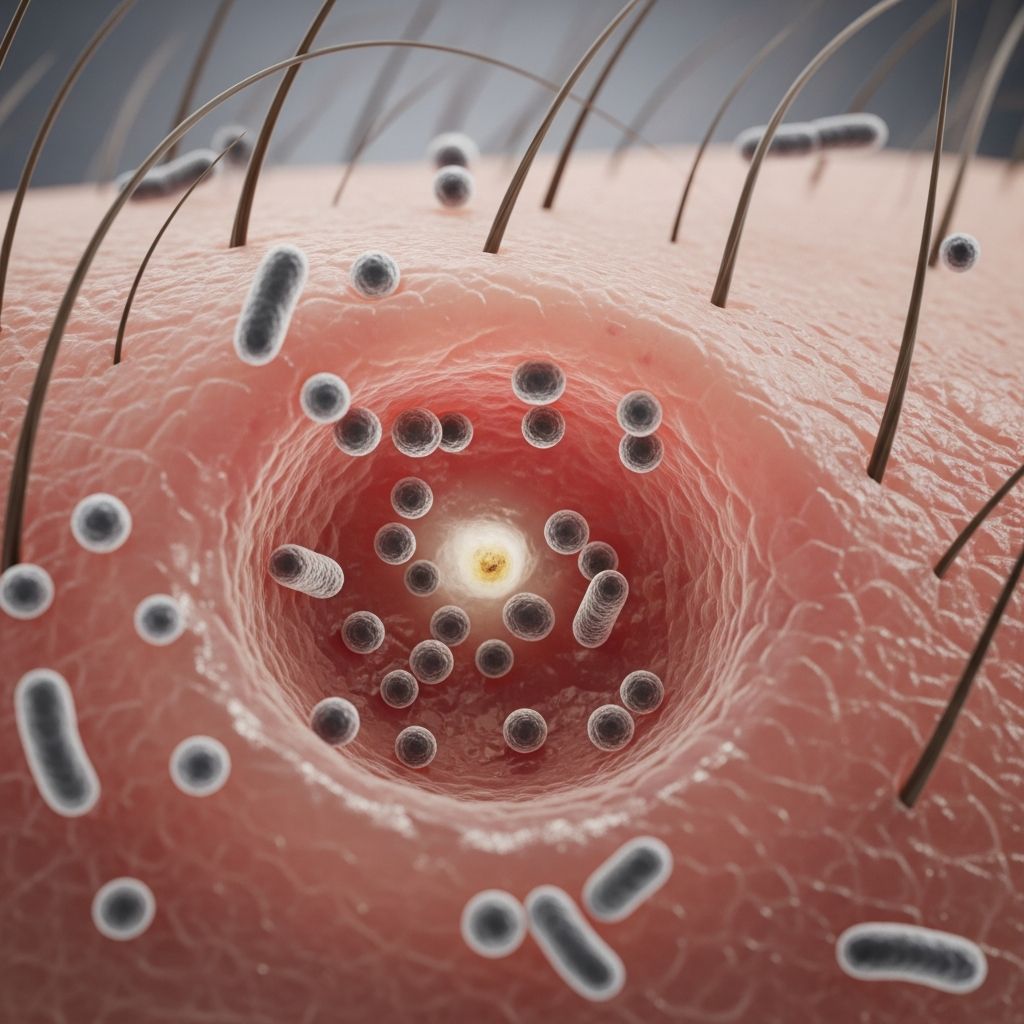
Acne vulgaris is a multifaceted skin condition primarily driven by clogged pores, excess sebum, and inflammation, where bacteria play a contributory but non-infectious role. While not classified as an infectious disease, bacteria such as Cutibacterium acnes (formerly Propionibacterium acnes, abbreviated as C. acnes) significantly exacerbate inflammatory lesions by producing enzymes and mediators that provoke immune responses in the skin.
What is the role of bacteria in acne?
Bacteria contribute to the formation of inflammatory acne lesions, including papules, pustules, nodules, and cysts, although acne itself is not contagious or primarily infectious. At puberty, hormonal changes increase sebum production, creating an anaerobic environment in sebaceous follicles that favors bacterial proliferation. Key bacteria involved include C. acnes, Staphylococcus epidermidis, and Corynebacterium species, alongside potential increases in Malassezia yeasts.
The severity of acne does not directly correlate with bacterial numbers on the skin surface or within sebaceous ducts. Instead, it depends on the interplay of bacterial activity, host immunity, sebum composition, and follicular microenvironment. C. acnes thrives in low-oxygen, nutrient-rich, slightly acidic conditions typical of pilosebaceous units.
Who gets acne and why?
Acne affects approximately 80-90% of adolescents and many adults, influenced by genetics, hormones, diet, and skincare habits. Pubertal androgen surges hypersensitize sebaceous glands, boosting sebum output and altering its quality to support bacterial growth. Genetic predispositions determine sebum composition and immune reactivity to bacteria.
Environmental factors like pollution, humidity, and unwashed items (e.g., pillowcases, makeup brushes) can introduce or promote bacteria, worsening acne on the face, back, and chest. Dietary elements, such as dairy, may indirectly influence via hormones.
What causes the bacteria to increase in acne?
Bacterial overgrowth in acne stems from four pathogenic pillars: increased sebum (seborrhea), follicular hyperkeratinization, C. acnes proliferation, and inflammation. Microcomedones—precursors to visible lesions—form from corneocytes and sebum plugs in the follicular infundibulum, trapping bacteria.
C. acnes numbers and activity vary with oxygen levels (anaerobic preference), nutrient availability from sebum triglycerides, and skin pH (optimal 4.5-5.5). Some lesions are heavily colonized, others sterile, highlighting selective pathogenicity. Phylotype IA strains of C. acnes are linked to moderate-severe acne, unlike healthier skin-associated phylotypes II and III.
What do the acne bacteria do?
C. acnes produces lipases that hydrolyze sebum triglycerides into free fatty acids (FFAs), promoting bacterial clumping, duct colonization, and comedone formation. FFAs are comedogenic and irritant.
Bacteria trigger innate immunity via Toll-like receptor-2 (TLR-2) on macrophages, releasing pro-inflammatory cytokines like IL-8, IL-12, and TNF-α, attracting neutrophils that rupture follicles. Acne-associated strains upregulate TH17 cells, producing IFN-γ and IL-17 (pro-inflammatory) over anti-inflammatory IL-10.
Enzymes and mediators include porphyrins, hyaluronidases, and CAMP factor 2, which amplify matrix metalloproteinases (MMP-1, MMP-3), antimicrobial peptides (β-defensins 1-4, granzyme B), and IL-8 in colonized lesions. These penetrate surrounding skin, causing erythema, swelling, and tissue damage.
Related Stories



Inflammatory mediators in acne lesions
Colonized lesions show elevated inflammatory markers:
- Cytokines: IL-1α, IL-1β, IL-6, IL-8, IL-10, IL-12, TNF-α
- Chemokines: IL-8 (neutrophil chemoattractant)
- Antimicrobial peptides: hBD-1, hBD-2, hBD-4
- Proteases: MMP-1, MMP-3, MMP-9
- Others: Granzyme B, LL-37
These mediators drive the shift from non-inflammatory comedones to pustules and nodules.
Effects of antimicrobials on acne bacteria
Antimicrobials target C. acnes to reduce inflammation and lesion counts. Topical benzoyl peroxide (BP) is bactericidal, penetrating follicles to kill bacteria without resistance. Oral tetracyclines (e.g., doxycycline, minocycline) suppress bacterial lipases and cytokines at sub-MIC doses.
Topical antibiotics (clindamycin, erythromycin) are combined with BP to prevent resistance. Alternatives include azelaic acid, dapsone, or sodium hypochlorite washes for body acne. Blue light targets porphyrins but risks photoaging. Emerging vaccines against CAMP factor 2 are in trials.
| Treatment | Mechanism | Application | Pros | Cons |
|---|---|---|---|---|
| Benzoyl Peroxide (2.5-10%) | Bactericidal, anti-comedogenic | Topical gel/foam | No resistance, OTC | Irritation, bleaching |
| Tetracyclines (oral) | Anti-inflammatory, anti-lipase | Systemic (50-100mg) | Effective for moderate acne | GI upset, resistance risk |
| Clindamycin (topical) | Bacteriostatic | Lotion/gel | Well-tolerated | Resistance if solo |
| Azelaic Acid (15-20%) | Anti-bacterial, keratolytic | Topical cream | Safe in pregnancy | Mild stinging |
Frequently Asked Questions (FAQs)
Q: Is acne caused by bacteria?
A: No, acne is multifactorial (sebum, keratinization, hormones, inflammation), but C. acnes aggravates inflammation in clogged follicles.
Q: Can acne be contagious?
A: No, it’s not infectious; bacteria are normal skin flora, and transmission doesn’t cause acne.
Q: Does bacterial count determine acne severity?
A: No, severity links more to strain virulence, immune response, and microenvironment than sheer numbers.
Q: Are antibiotics always needed for acne?
A: No, reserve for inflammatory acne; combine with BP to curb resistance. Non-antibiotic options like retinoids preferred first-line.
Q: What’s the newest acne bacteria research?
A: Phylotype-specific strains and vaccines targeting inflammatory proteins like CAMP factor 2.
Prevention and Management Tips
- Gentle cleansing twice daily to remove excess sebum without stripping skin.
- Use non-comedogenic products; clean brushes/pillowcases weekly.
- Incorporate BP or retinoids early for mild acne.
- Consult dermatologists for persistent moderate-severe cases; consider hormonal therapies for adults.
- Avoid picking lesions to prevent scarring and bacterial spread.
Effective acne management addresses bacteria alongside other factors for optimal outcomes. Persistent cases warrant professional evaluation to tailor therapies and monitor for scarring.
References
- Bacteria in Acne — DermNet NZ. 2023-05-15. https://dermnetnz.org/topics/bacteria-in-acne
- Acne or Bacterial Infection? Understanding the Differences and Treatments — Schlessinger MD. 2024-02-10. https://www.schlessingermd.com/acne-or-bacterial-infection-understanding-the-differences-and-treatments/
- The Bacteria That Causes Acne Has a New Name — Leslie Baumann MD. 2023-11-20. https://www.lesliebaumannmd.com/the-bacteria-that-causes-acne-has-a-new-name
- Acne (Acne Vulgaris) — Yale Medicine. 2024-08-01. https://www.yalemedicine.org/conditions/acne
- Acne Vulgaris — NCBI StatPearls. 2025-01-15. https://www.ncbi.nlm.nih.gov/books/NBK459173/
- Acne – Symptoms and Causes — Mayo Clinic. 2024-06-12. https://www.mayoclinic.org/diseases-conditions/acne/symptoms-causes/syc-20368047
Similar Articles








Read full bio of Sneha Tete