Bacterial Folliculitis: Causes, Symptoms & Treatment
Complete guide to bacterial folliculitis: understand causes, clinical features, and effective treatment options.
Bacterial Folliculitis: A Complete Clinical Overview
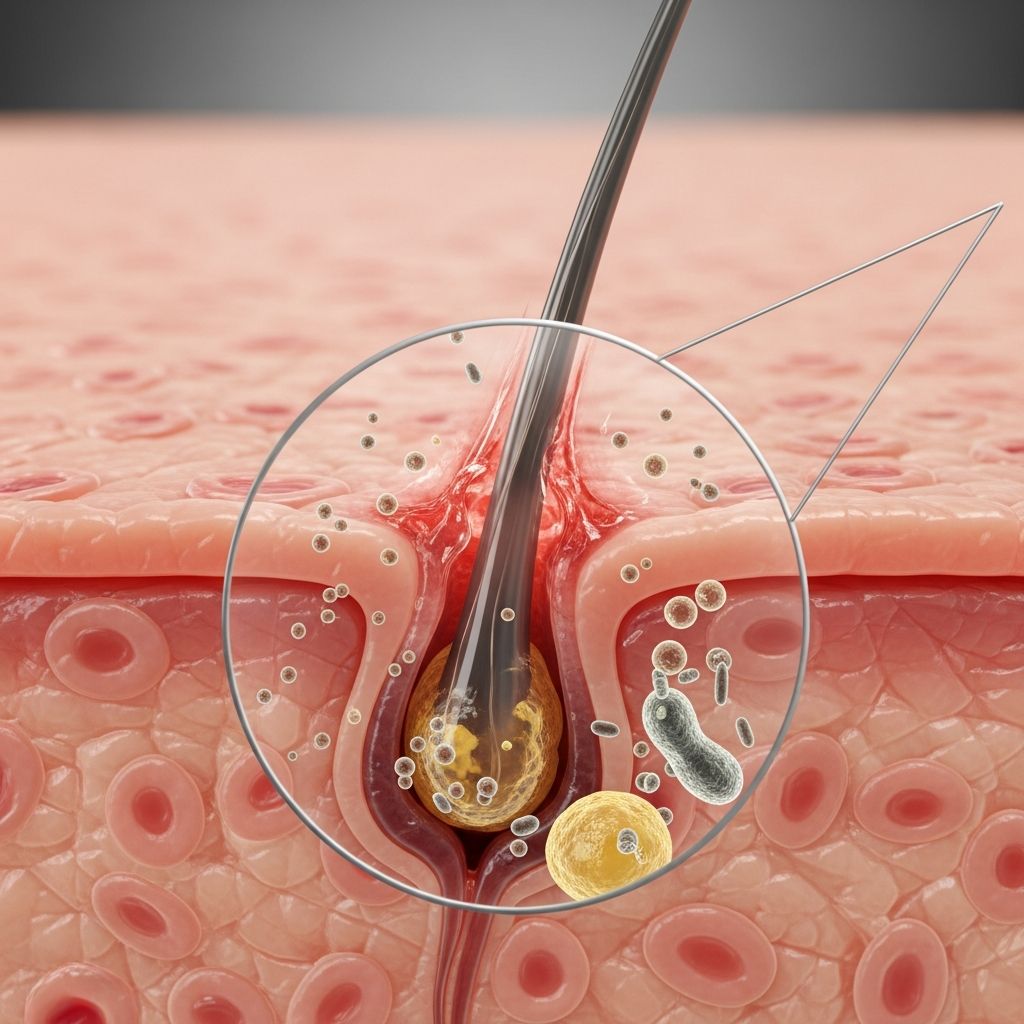
Bacterial folliculitis is inflammation of the hair follicle due to infection, chemical irritation, or physical injury. As the most common form of folliculitis, this condition presents with characteristic pustules and can range from mild self-limiting cases to serious deep tissue infections. Understanding the etiology, clinical presentation, and management strategies is essential for effective treatment and prevention of complications.
What Causes Bacterial Folliculitis?
Bacterial folliculitis develops when hair follicles are damaged or blocked, creating an entry point for bacterial colonization. This damage may occur from rubbing against clothing, shaving, or other forms of mechanical trauma. Once the follicle is compromised, bacteria—most commonly Staphylococcus aureus—invade the hair follicle and surrounding skin.
The condition can be classified into several distinct types based on the causative organism:
- Superficial Staphylococcal Folliculitis: The most common form, typically caused by Staphylococcus aureus, including both methicillin-sensitive and methicillin-resistant strains
- Gram-Negative Bacterial Folliculitis: Also known as “hot tub folliculitis,” this occurs after exposure to contaminated water in swimming pools or hot tubs, caused by bacteria such as Pseudomonas aeruginosa, Klebsiella, Enterobacter, and Proteus
- Barber’s Itch: A staph infection of the hair follicles in the beard area, typically on the upper lip, exacerbated by shaving
Long-term antibiotic use for acne treatment significantly increases the risk of developing gram-negative folliculitis, as antibiotics can suppress normal skin flora and allow resistant organisms to proliferate.
Clinical Features and Presentation
Bacterial folliculitis manifests with distinct clinical characteristics depending on the depth and severity of infection:
Superficial Folliculitis
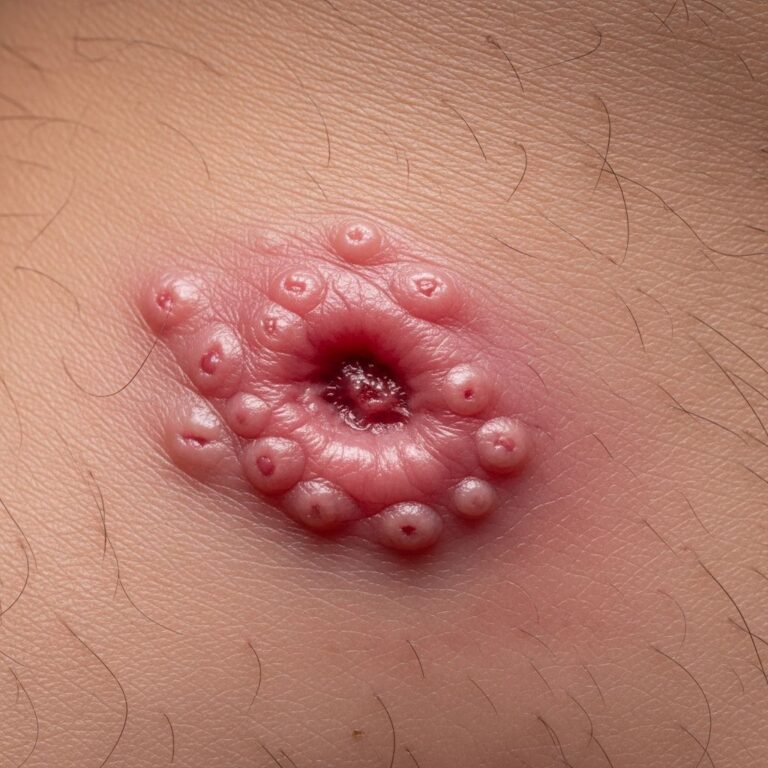
Superficial staphylococcal folliculitis presents with one or more follicular pustules that may be itchy or mildly sore. Each lesion typically contains a hair at its center and appears as a small, red bump with a whitish center. This form heals without scarring and represents the most benign presentation. A specialized variant affecting the eyelashes is known as a hordeolum or stye.
Deep Folliculitis
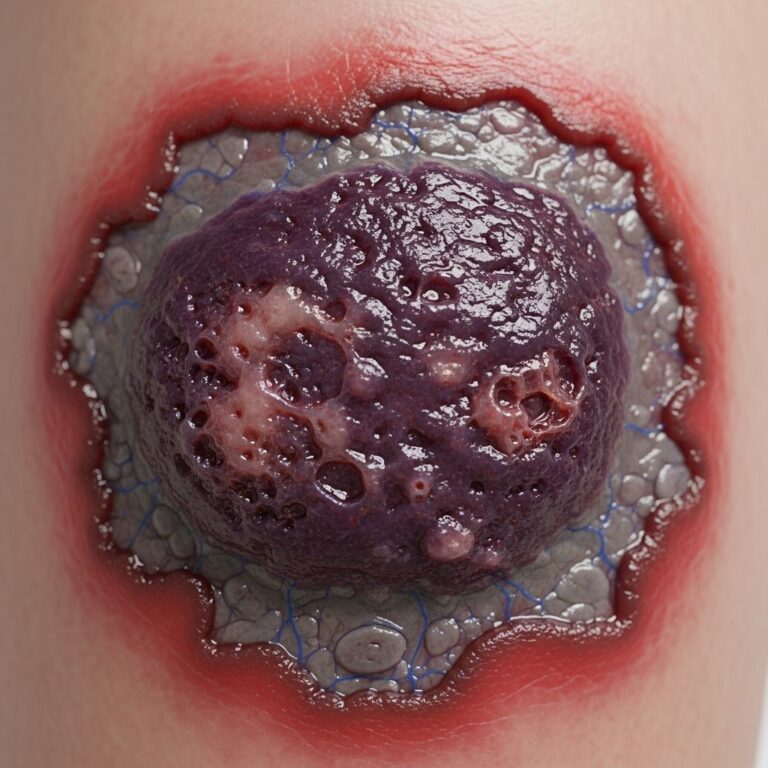
Deep folliculitis affects more of the hair follicle or potentially all of it, leading to more serious presentations. Furunculosis or boils presents as one or more painful, hot, firm or fluctuant red nodules or walled-off abscesses containing collections of pus. A carbuncle develops when infection involves several adjacent follicles with multiple draining sinuses. Recovery from these deeper infections typically leaves visible scarring.
Hot Tub Folliculitis
Gram-negative folliculitis presents with painful papules and pustules on the trunk, typically appearing several hours after soaking in hot water, primarily on areas covered by a bathing costume. This condition may be accompanied by mild systemic symptoms including fever. Importantly, untreated hot tub folliculitis typically resolves within approximately 10 days without scarring.
Related Stories



Gram-Negative Folliculitis from Antibiotic Use
Individuals using long-term antibiotics for acne treatment may develop gram-negative folliculitis, which causes pustules in typical acne-prone sites including the face, neck, and upper trunk.
Who Is Affected by Bacterial Folliculitis?
While bacterial folliculitis can affect anyone with hair follicles and exposure to causative factors, certain demographics are at higher risk. Individuals with recent shaving or hair removal, those with prolonged exposure to contaminated water environments, and patients undergoing long-term antibiotic therapy for acne represent particularly vulnerable populations. The condition shows no strong gender or age predilection, affecting both children and adults across all ethnic groups.
Potential Complications
While most cases of bacterial folliculitis are self-limited and benign, serious complications can develop if the infection progresses without treatment. Bacterial folliculitis can lead to:
- Cellulitis (spreading skin infection)
- Lymphangitis (infection of lymphatic vessels)
- Bacteremia (bacteria in the bloodstream)
- Osteomyelitis (bone infection)
- Septic arthritis (joint infection)
- Pneumonia (lung infection)
These serious complications are more likely with deep folliculitis, particularly furunculosis and carbunculosis, or when infection is not appropriately treated.
How Is Bacterial Folliculitis Diagnosed?
Bacterial folliculitis is usually diagnosed clinically based on characteristic appearance and history of exposure or mechanical trauma. However, diagnosis can be confirmed through bacterial swabs sent for microscopy, culture, and sensitivity testing, which helps identify the specific causative organism and its antibiotic susceptibility. When folliculitis is widespread, a blood count may reveal neutrophil leukocytosis (elevated white blood cells), supporting an infectious diagnosis. In recurrent cases, a nasal swab may be performed to test for staphylococcal carriage, which can then be treated with topical antimicrobials.
Treatment Approaches for Bacterial Folliculitis
Treatment depends on the severity of infection, the causative organism, and individual patient factors:
Mild Cases
In many instances, mild cases of bacterial folliculitis resolve spontaneously within a few days without intervention. However, when treatment is warranted, topical approaches are first-line:
- Topical Antiseptics: Dermol® or chlorhexidine solutions
- Topical Antibiotics: Mupirocin and clindamycin are typically the first-line topical agents
- Warm Compresses: Patients should be counseled to apply warm compresses several times daily for up to 15 minutes to promote drainage and reduce inflammation
- Proper Hygiene: Good skin hygiene practices are essential, and patients should avoid scratching or shaving affected areas
Moderate to Severe Cases
When topical treatments prove ineffective or folliculitis is more extensive, deeper (such as furunculosis and carbunculosis), or involves significant skin involvement, oral antibiotics are indicated. Effective oral antibiotic options include cephalexin and dicloxacillin. Some antibiotics with anti-inflammatory properties, such as lymecycline, may be used for 6-12 weeks and can be particularly beneficial for recurrent infections. Deeper infections like boils and carbuncles may require drainage by a healthcare provider to remove accumulated pus and facilitate healing.
Gram-Negative Folliculitis Treatment
Simple cases of gram-negative folliculitis generally resolve spontaneously after 7-10 days with good skin hygiene. However, when secondary to prolonged antibiotic use, oral antibiotic treatment covering pseudomonas is appropriate, with first-line agents including ampicillin, trimethoprim-sulfamethoxazole, and ciprofloxacin.
Recurrent Infection Management
For recurrent bacterial folliculitis, particularly staphylococcal infections, nasal carriage eradication may be necessary using mupirocin nasal ointment (Bactroban®). This addresses the reservoir of bacteria that may be perpetuating recurrent infections.
Severe or Chronic Cases
In severe cases, isotretinoin, administered in a specialist dermatology clinic, may be considered. Additionally, phototherapy may benefit some patients with chronic, non-infective folliculitis.
Prevention Strategies
Reducing the risk of bacterial folliculitis involves several evidence-based prevention measures:
- Proper Shaving Technique: Avoid shaving too closely, use sharp razors, and consider alternative hair removal methods
- Avoid Tight Clothing: Prevent friction from rubbing against skin by wearing loose-fitting garments over affected areas
- Water Hygiene: Avoid swimming in improperly maintained hot tubs and swimming pools that may contain gram-negative bacteria
- Skin Care: Maintain proper skin hygiene and avoid manipulating or scratching lesions
- Minimize Antibiotic Use: Work with healthcare providers to limit unnecessary long-term antibiotic use, which increases gram-negative folliculitis risk
Patient Education and Self-Management
In the vast majority of folliculitis cases, the primary therapy needed is time, as most cases resolve spontaneously. However, patient education is crucial for optimal outcomes. Patients should be counseled on:
- Proper hygiene for the affected area
- Application of warm compresses several times daily for up to 15 minutes
- Avoiding scratching or shaving affected areas, which could cause increased irritation and spread infection
- When to seek medical attention if symptoms worsen or systemic symptoms develop
It is important to note that while bacterial folliculitis caused by organisms like Staphylococcus aureus may be contagious, most cases are not significantly transmissible with proper hygiene measures.
Frequently Asked Questions
Q: Is bacterial folliculitis contagious?
A: Bacterial folliculitis is not typically contagious unless caused by specific bacteria like Staphylococcus aureus. Even then, proper hygiene measures significantly reduce transmission risk. It is not spread through casual contact like viral infections.
Q: How long does bacterial folliculitis take to heal?
A: Most cases of mild bacterial folliculitis resolve spontaneously within a few days to two weeks. Gram-negative folliculitis from hot tub exposure typically settles within approximately 10 days without scarring. Deeper infections like boils may take several weeks and may leave scars.
Q: Can I continue shaving if I have bacterial folliculitis?
A: No, patients should avoid shaving affected areas during active infection, as this can increase irritation, slow healing, and potentially spread the causative bacteria. Wait until the infection has fully resolved before resuming shaving.
Q: What should I do if warm compresses don’t help?
A: If symptoms persist after several days of warm compresses and good hygiene, consult a healthcare provider. They can confirm diagnosis with a bacterial culture and prescribe topical or oral antibiotics if appropriate.
Q: Why did I develop folliculitis after using a hot tub?
A: Hot tub folliculitis is caused by Pseudomonas aeruginosa and other gram-negative bacteria found in improperly treated water. The warm water and warm temperatures create an ideal environment for bacterial growth and penetration into hair follicles.
Q: Can antibiotics cause folliculitis?
A: Yes, long-term oral antibiotic use—particularly for acne treatment—increases the risk of gram-negative folliculitis by suppressing normal skin bacteria and allowing resistant organisms to proliferate. If you develop pustules while taking long-term antibiotics, inform your healthcare provider.
Conclusion
Bacterial folliculitis is a common, generally benign skin condition that responds well to simple measures in most cases. Understanding the various presentations, from superficial pustules to deeper carbuncles, helps guide appropriate management. While many cases resolve spontaneously with good hygiene and warm compresses, more severe infections require topical or oral antimicrobial therapy. Prevention through proper shaving technique, skin care, and avoidance of contaminated water sources is essential. When complications arise or symptoms persist, prompt medical evaluation ensures appropriate diagnosis and treatment, preventing progression to serious systemic infections.
References
- Folliculitis — National Center for Biotechnology Information, National Library of Medicine (NCBI Bookshelf). 2024. https://www.ncbi.nlm.nih.gov/books/NBK547754/
- Folliculitis: causes and treatment — Healthdirect Australia, Australian Government Department of Health. 2025. https://www.healthdirect.gov.au/folliculitis
- Bacterial Folliculitis — DermNet, New Zealand Dermatological Society. 2024. https://dermnetnz.org/topics/bacterial-folliculitis
- Bacterial folliculitis skin infection — MySkinDoctor. 2025. https://www.myskindoctor.co.uk/bacterial-folliculitis-skin-infection/
- Folliculitis: Appearance, Causes, Symptoms & Treatment — Cleveland Clinic. 2024. https://my.clevelandclinic.org/health/diseases/17692-folliculitis
- Folliculitis — Penn Medicine, University of Pennsylvania. 2024. https://www.pennmedicine.org/conditions/folliculitis
- Folliculitis: Symptoms & causes — Mayo Clinic. 2024. https://www.mayoclinic.org/diseases-conditions/folliculitis/symptoms-causes/syc-20361634
Similar Articles








Read full bio of medha deb