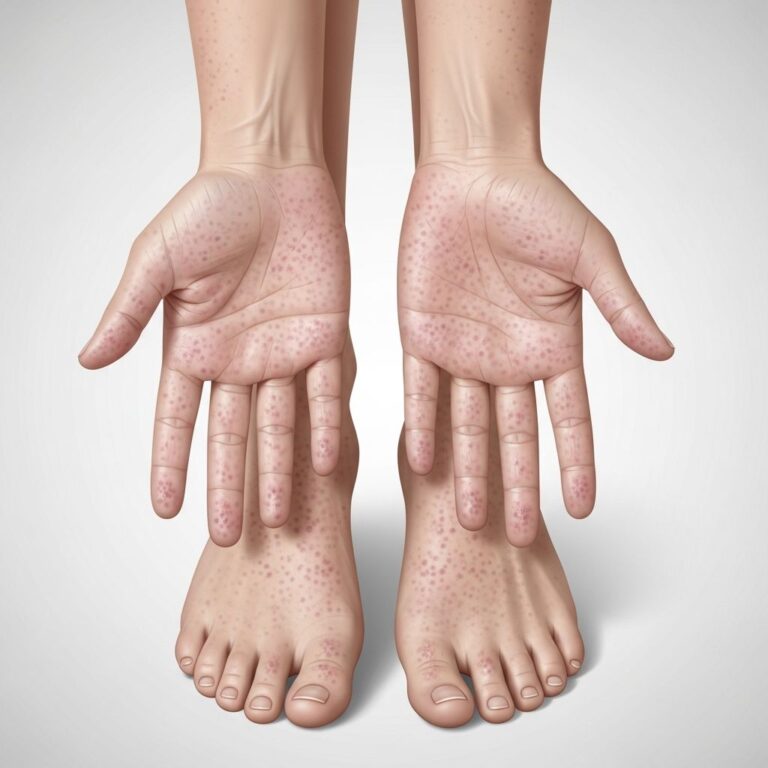
Bacterial Gastroenteritis: Causes, Symptoms, and Treatment
Complete guide to understanding bacterial gastroenteritis: symptoms, causes, treatment options, and prevention strategies.

Understanding Bacterial Gastroenteritis
Bacterial gastroenteritis, commonly referred to as food poisoning, is an infection of the digestive system caused by consuming food or water contaminated with harmful bacteria or their toxins. This condition affects the stomach and intestines, leading to inflammation and a range of uncomfortable symptoms. While most cases resolve on their own within a few days, understanding the causes, symptoms, and treatment options can help you manage the condition effectively and prevent complications.
The infection spreads rapidly from person to person, particularly through contaminated food, water, or direct contact with bacteria present in the stools of infected individuals. Improper storage, handling, and cooking practices significantly increase the risk of contracting bacterial gastroenteritis.
Causes of Bacterial Gastroenteritis
Several types of bacteria can cause bacterial gastroenteritis, each with specific sources and transmission routes. Understanding these causes helps in preventing infection through proper food handling and hygiene practices.
Common bacterial culprits include:
- Salmonella — Found in meat, poultry, dairy products, and eggs. Often transmitted through undercooked foods.
- Campylobacter — Primarily found in undercooked poultry and meat. Symptoms typically begin 2 to 5 days after infection.
- E. coli — Common in ground beef and raw salads. Can cause severe diarrhea and complications.
- Shigella — Found in contaminated water and swimming pools. Causes shigellosis with symptoms starting within 1 day of infection.
- Staphylococcus aureus — Present in dairy products, meat, and eggs. Often from improper food storage.
- Yersinia — Found in undercooked pork products.
High-Risk Foods and Water Sources
Certain foods and water sources pose higher risks of bacterial contamination. Raw or undercooked foods are particularly dangerous, as are improperly stored items that have been left at room temperature too long. Raw shellfish such as oysters and clams, unwashed raw fruits and vegetables, unpasteurized dairy products, undercooked meats and eggs, and untreated water from wells or streams all present significant contamination risks.
Transmission and Risk Factors
Bacterial gastroenteritis spreads through multiple pathways, making it essential to understand transmission routes to prevent infection. People can acquire the infection by consuming contaminated food or water, through close contact with infected individuals, or by handling contaminated surfaces and then touching their face or mouth.
Risk factors that increase susceptibility include:
- Weakened immune system from existing medical conditions or treatments
- Taking medications that decrease stomach acid production
- Improper food handling and storage practices
- Consuming undercooked foods or food left at room temperature for extended periods
- Poor hygiene practices, particularly after using the bathroom or handling contaminated materials
- Advanced age or very young age (children and elderly individuals are more vulnerable)
Symptoms of Bacterial Gastroenteritis
Symptoms of bacterial gastroenteritis vary depending on the specific bacterium causing the infection and can develop anywhere from a few hours to up to 4 days after exposure. The severity and combination of symptoms differ among individuals.
Related Stories



Common symptoms include:
- Diarrhea, sometimes bloody
- Nausea and vomiting
- Abdominal pain and cramping
- Fever
- Loss of appetite
- Muscle aches
Symptom Duration and Severity
Most cases of bacterial gastroenteritis resolve within a couple of days to a week, though some cases may persist longer. In certain instances, it can take weeks or even months for bowel function to completely normalize. The severity of symptoms depends on the type of bacteria, the amount of contamination, and individual immune system strength.
Diagnosis of Bacterial Gastroenteritis
Diagnosis typically begins with a medical history and symptom assessment. A healthcare provider will ask detailed questions about your symptoms, when they started, and your recent food and water consumption. If bacterial gastroenteritis is suspected, particularly in severe cases, a stool sample may be requested to identify the specific bacterium causing the infection. This identification helps determine the most appropriate treatment approach.
Blood tests may also be performed in severe cases to check for dehydration, electrolyte imbalances, or systemic infection.
Treatment Options
Treatment for bacterial gastroenteritis focuses on managing symptoms and preventing dehydration, as most cases resolve without specific medication. The approach varies depending on severity and individual circumstances.
Home Care Management
For mild to moderate cases, treatment at home involves supportive care measures designed to ease symptoms and maintain proper hydration:
- Get plenty of rest to allow your body to fight the infection
- Drink adequate fluids to replace water lost through diarrhea and vomiting. Plain water, clear broths, and electrolyte solutions are recommended.
- Avoid carbonated beverages, alcohol, coffee, tea, colas, milk, and fruit juices, which can worsen symptoms
- Eat small amounts of easily digestible, nutrient-rich foods at regular intervals
- Suck on ice chips if drinking liquids causes nausea and vomiting
- Avoid high-sugar foods and drinks that may exacerbate diarrhea
Electrolyte and Mineral Replacement
Vomiting and diarrhea cause the body to lose essential minerals such as sodium, potassium, and calcium. These electrolytes are crucial for proper bodily function. Consuming mineral-rich foods or specialized electrolyte replacement drinks helps restore these vital nutrients. Many pharmacies carry over-the-counter electrolyte solutions specifically formulated for gastroenteritis recovery.
Medication Considerations
Over-the-counter medications to reduce diarrhea or control nausea should only be used under healthcare provider guidance. These medications should not be used if you have bloody diarrhea, severe diarrhea, or fever, as they may worsen the condition or increase complications. Children should not be given these medications without medical supervision.
Antibiotic Treatment
Antibiotics are generally not prescribed for most common types of bacterial gastroenteritis, as the infection typically resolves on its own. However, severe cases, particularly those with very severe diarrhea or in individuals with weakened immune systems, may require specific antibiotics. Healthcare providers may also prescribe antibiotics for certain bacterial strains or when systemic infection is present. It is important to note that some bacteria are developing antibiotic resistance, which affects treatment options.
Hospital Care for Severe Cases
If you cannot keep fluids down or become severely dehydrated, hospitalization may be necessary. In hospital settings, healthcare providers administer intravenous fluids and electrolytes to restore proper hydration and mineral balance. Severe cases involving significant dehydration, prolonged symptoms, or complications require professional medical management.
Potential Complications
While most cases of bacterial gastroenteritis resolve without complications, severe infections or delayed treatment can lead to serious health consequences. Children and older adults face higher risks for developing complications and require close monitoring.
Possible complications include:
- Severe dehydration requiring hospitalization
- High fever and associated complications
- Muscle aches and general malaise
- Loss of bowel control
- Intestinal bleeding leading to bloody stools
- Anemia from blood loss
- Kidney failure in severe cases
- In extremely rare cases without treatment, brain damage or death
Anyone experiencing severe or persistent symptoms should seek immediate medical attention to prevent these serious complications.
Prevention Strategies
Preventing bacterial gastroenteritis involves practicing proper food safety, maintaining good hygiene, and being cautious about water sources.
Food Safety Practices
- Cook foods to appropriate internal temperatures, particularly meat, poultry, and eggs
- Store foods at proper temperatures to prevent bacterial growth
- Wash raw fruits and vegetables thoroughly before consumption
- Avoid consuming raw or undercooked meats, eggs, and shellfish
- Use separate cutting boards and utensils for raw and cooked foods
- Refrigerate foods promptly and don’t leave perishable items at room temperature for extended periods
- Choose pasteurized dairy products and juices
- Wash hands thoroughly after handling raw foods
Water Safety
- Drink treated tap water from reliable municipal sources
- Avoid untreated water from wells or streams
- Be cautious with water in unfamiliar locations while traveling
- Consider boiling water during public health advisories
Hygiene Practices
- Wash hands thoroughly after using the bathroom
- Wash hands before preparing food
- Practice good personal hygiene to prevent spreading infection to others
- Clean and disinfect surfaces that may have contacted contaminated food or bodily fluids
Frequently Asked Questions
Q: How long does bacterial gastroenteritis typically last?
A: Most cases of bacterial gastroenteritis resolve within 1 to 7 days, though symptoms may persist for weeks in some cases. Recovery depends on the bacterial strain, infection severity, and individual immune response.
Q: When should I see a doctor for bacterial gastroenteritis?
A: Contact a healthcare provider if symptoms don’t improve after 5 days in adults, or after 2 days in children. Seek immediate medical attention for severe symptoms including high fever, bloody stools, severe dehydration, or signs of serious complications.
Q: Can bacterial gastroenteritis be prevented completely?
A: While complete prevention isn’t always possible, practicing proper food safety, maintaining good hygiene, and being cautious about water sources significantly reduce the risk of infection.
Q: Is it safe to go to work or school with bacterial gastroenteritis?
A: No. To prevent spreading the infection to others, stay home while experiencing symptoms, particularly diarrhea and vomiting. Typically, you should remain home for at least 48 hours after symptoms resolve.
Q: What’s the difference between viral and bacterial gastroenteritis?
A: Both cause similar symptoms, but bacterial gastroenteritis results from bacterial infection while viral gastroenteritis comes from viruses. Bacterial infections may require antibiotics in severe cases, while viral infections typically resolve with supportive care alone.
Q: Are there specific groups at higher risk for complications?
A: Yes, children, elderly individuals, pregnant women, and people with weakened immune systems face higher risks for severe complications and require closer medical monitoring.
References
- Bacterial Gastroenteritis: Causes, Symptoms, and Treatment — Medical News Today. Updated November 2024. https://www.medicalnewstoday.com/articles/322349
- Bacterial Gastroenteritis: Causes, Treatment, and Prevention — Healthline. Updated September 2023. https://www.healthline.com/health/bacterial-gastroenteritis
- Bacterial Gastroenteritis — MedlinePlus Medical Encyclopedia. U.S. National Library of Medicine. https://medlineplus.gov/ency/article/000254.htm
- Bacterial Gastroenteritis — UMass Memorial Health. https://www.ummhealth.org/health-library/bacterial-gastroenteritis-0
- Gastroenteritis: What It Is, Symptoms, Causes & Treatment — Cleveland Clinic. Updated 2024. https://my.clevelandclinic.org/health/diseases/gastroenteritis
- Bacterial Gastroenteritis — Cedars-Sinai Health Library. https://www.cedars-sinai.org/health-library/diseases-and-conditions/b/bacterial-gastroenteritis.html
Similar Articles








Read full bio of medha deb