Bacterial Infection: Causes, Symptoms, Treatment
Complete guide to bacterial infections: understand causes, recognize symptoms, and explore effective treatment options.
Understanding Bacterial Infections
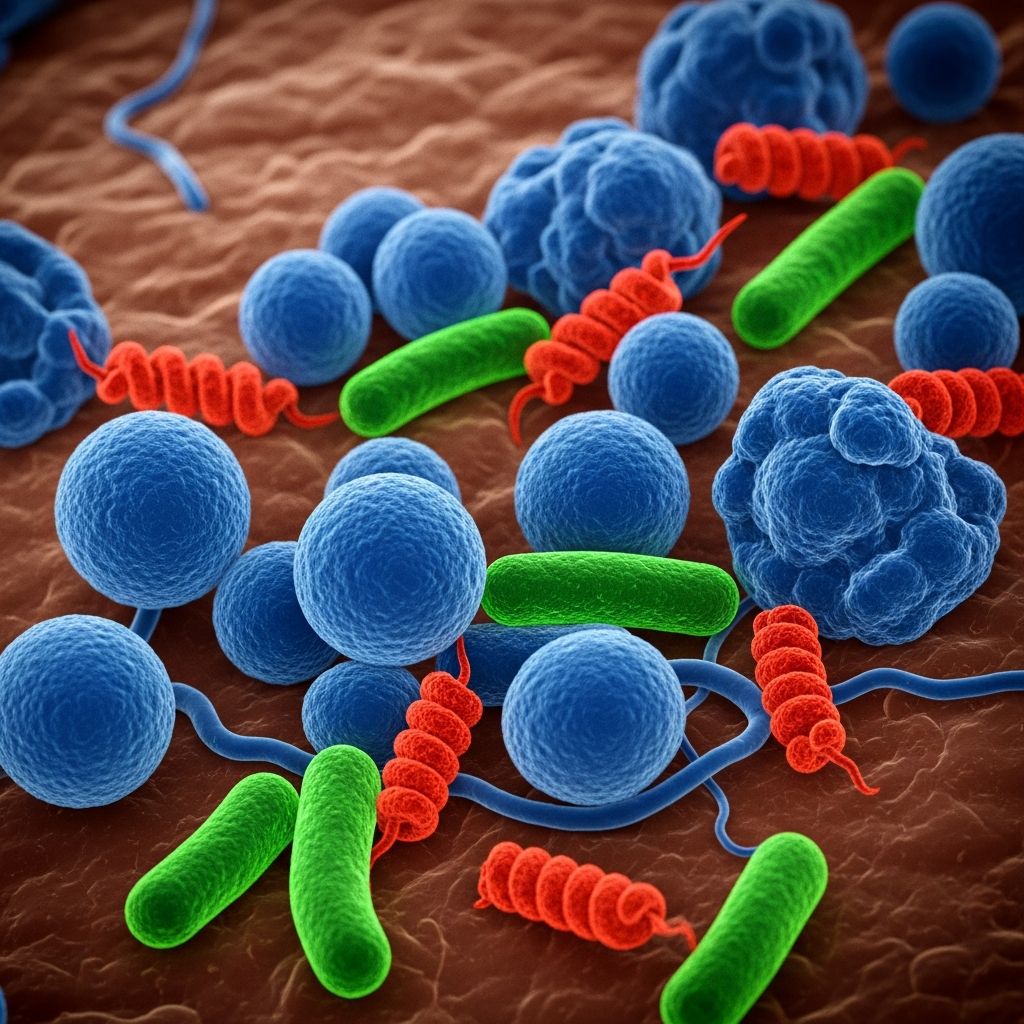
Bacterial infections are diseases caused by single-celled living organisms that can reproduce independently and affect various parts of your body, including your skin, lungs, brain, blood, and other internal organs. These infections develop when bacteria multiply or release toxins within your body, leading to illness and discomfort. Unlike viruses, which require a host cell to reproduce, bacteria are self-sufficient organisms capable of multiplying on their own.
It’s important to note that only a small fraction of bacterial species actually cause illness in humans. Most bacteria are harmless or even beneficial to our bodies. However, when pathogenic bacteria enter your system and begin to proliferate, they can lead to various infections ranging from minor skin conditions to life-threatening systemic diseases.
What Are Bacterial Infections?
Bacterial infections are illnesses caused by living, single-celled microorganisms that can independently reproduce and cause disease in humans. These organisms differ fundamentally from viruses in their structure and replication mechanism. Bacteria are prokaryotes, meaning they lack a membrane-bound nucleus, yet they possess the machinery necessary to survive, grow, and multiply without requiring a host cell.
The distinction between bacterial and viral infections is crucial for treatment purposes. Antibiotics effectively combat most bacterial infections by targeting specific bacterial structures and functions. In contrast, viral infections, caused by organisms that require host cells for replication, typically cannot be treated with antibiotics. Understanding this difference helps healthcare providers prescribe appropriate medications and prevents the misuse of antibiotics.
Common Types of Bacterial Infections
Bacterial infections manifest in numerous forms, affecting different body systems and tissues. Understanding these common types helps you recognize symptoms and seek appropriate care:
Urinary Tract Infections (UTIs)
UTIs occur when bacteria, typically Escherichia coli (E. coli), colonize the urethra, bladder, or kidneys. These infections are particularly common in women and can cause painful urination, urgency, and lower abdominal pain.
Skin and Soft Tissue Infections
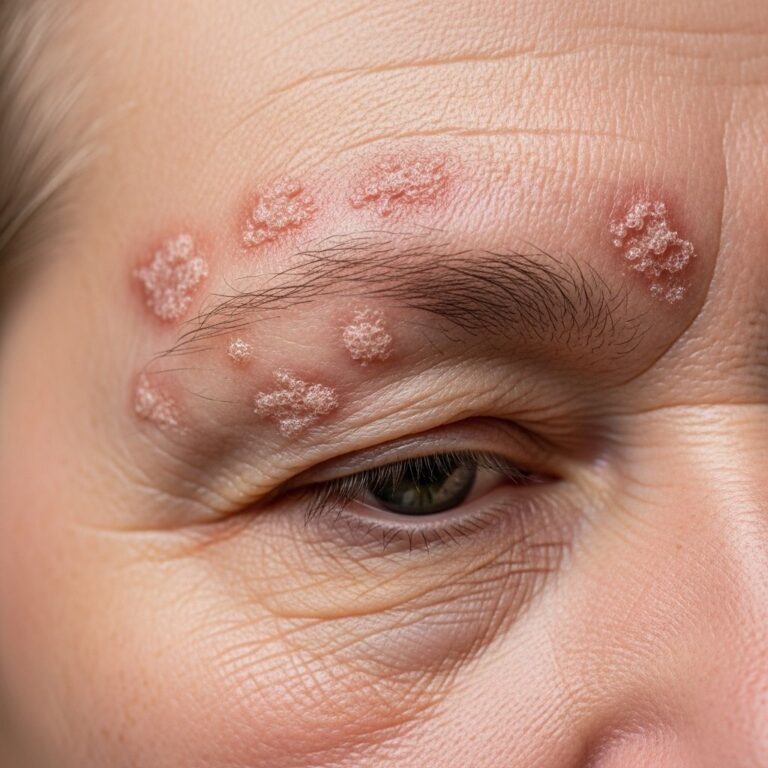
Bacterial skin infections include impetigo, boils, cellulitis, and abscesses. These conditions develop when bacteria penetrate the skin barrier and multiply in the dermal layers, causing localized inflammation, redness, warmth, and often purulent discharge.
Respiratory Infections
Pneumonia, bronchitis, and sinusitis represent common bacterial respiratory infections affecting the lungs, airways, and sinuses. These conditions can develop independently or following viral upper respiratory infections.
Gastrointestinal Infections
Food poisoning and bacterial gastroenteritis result from consuming contaminated food or water containing pathogenic bacteria such as Salmonella, Campylobacter, or Shigella. Symptoms include diarrhea, nausea, vomiting, and abdominal cramping.
Sexually Transmitted Infections (STIs)
Bacterial STIs including gonorrhea and chlamydia spread through sexual contact and can affect the reproductive and urinary systems without treatment.
Ear and Sinus Infections
Otitis media (middle ear infection) and sinusitis occur when bacteria colonize the middle ear or paranasal sinuses, causing pain, pressure, and discharge.
Related Stories



Blood and Systemic Infections
Bacteremia and sepsis represent serious conditions where bacteria enter the bloodstream and spread throughout the body, affecting multiple organ systems.
How You Get Bacterial Infections
Bacterial infections transmit through various pathways depending on the specific organism and infection type. Understanding transmission routes is essential for prevention:
Direct Contact
You can acquire bacterial infections through direct contact with infected skin or mucous membranes. This includes skin-to-skin contact with individuals suffering from contagious bacterial infections like MRSA or impetigo.
Indirect Contact
Contaminated surfaces, objects, or materials can harbor bacteria and transmit infection upon contact. Healthcare settings, public facilities, and shared items frequently facilitate indirect transmission.
Respiratory Droplets
Respiratory bacterial infections like pertussis, tuberculosis, strep throat, and meningococcal disease spread through airborne droplets when infected individuals cough or sneeze.
Foodborne Transmission
Contaminated food and water represent significant sources of bacterial infections, particularly those causing gastrointestinal disease. Improper food storage, preparation, and sanitation practices increase transmission risk.
Vector-Borne Infections
Insects including mosquitoes, ticks, and fleas transmit certain bacterial infections such as Lyme disease, Rocky Mountain spotted fever, and plague. These infections occur through the bite or attachment of infected vectors.
Medical Procedures and Wounds
Surgical procedures, catheterization, and open wounds create entry points for bacterial colonization. Even minor skin breaches from dental work, injections, or aggressive tooth brushing can occasionally introduce bacteria into the bloodstream.
Symptoms of Bacterial Infections
Bacterial infection symptoms vary dramatically depending on the infection location, severity, and causative organism. However, certain common signs indicate possible bacterial infection and warrant medical evaluation:
General symptoms include:
- Fever or elevated body temperature
- Fatigue and weakness
- Chills
- Headache
- Muscle aches
- Loss of appetite
- Nausea and vomiting
Localized symptoms depend on infection location:
- Skin infections: Redness, warmth, swelling, tenderness, pustules, or drainage
- Respiratory infections: Cough, shortness of breath, chest pain, sputum production
- UTIs: Dysuria (painful urination), urgency, frequency, lower abdominal or back pain
- Gastrointestinal infections: Diarrhea, cramping, vomiting, abdominal pain
- Ear infections: Ear pain, hearing loss, drainage
Diagnosis of Bacterial Infections
Healthcare providers employ multiple diagnostic approaches to identify bacterial infections and determine appropriate treatment strategies. Diagnosis typically involves a combination of clinical evaluation and laboratory testing.
Clinical Assessment
Your healthcare provider begins with a detailed medical history, including symptom onset, duration, severity, and associated risk factors. A comprehensive physical examination follows, during which the provider may listen to your heart and lungs, palpate your abdomen, inspect your skin for signs of infection, and evaluate other relevant systems.
Bacterial Culture Testing
Bacterial culture represents the gold standard for confirming bacterial infection and identifying the causative organism. During this test, healthcare providers collect samples from affected body areas including blood, urine, stool, skin, mucus, or cerebrospinal fluid. Laboratory technicians then incubate these samples under controlled conditions, allowing bacteria to multiply sufficiently for microscopic examination and identification. The culture process typically requires one to five days, depending on the bacterial species and growth rate.
Antimicrobial Susceptibility Testing (AST)
AST identifies which antibiotics prove most effective against the identified bacteria, enabling providers to select optimal treatment regimens. This testing is particularly valuable when initial antibiotic therapy proves ineffective or when resistance patterns are suspected.
Imaging Studies
Depending on clinical presentation, providers may order X-rays, computed tomography (CT) scans, or ultrasound imaging to determine infection location, assess organ involvement, and evaluate for complications such as abscesses or fluid accumulation.
Treatment Options for Bacterial Infections
Most bacterial infections respond well to antibiotic therapy, which remains the cornerstone of treatment. The specific antibiotic, dosage, duration, and administration route depend on infection type, severity, causative organism, and individual patient factors.
Antibiotic Medications
Antibiotics function by targeting specific bacterial structures or metabolic processes, effectively killing bacteria or inhibiting their growth. Different antibiotic classes target distinct bacterial components, and healthcare providers select medications based on susceptibility testing results and clinical experience.
Administration Routes
Antibiotics may be administered through various routes depending on infection severity and location:
- Oral antibiotics: Appropriate for mild to moderate infections that can be managed at home
- Intramuscular injections: Used for moderate infections requiring higher drug concentrations
- Intravenous infusions: Reserved for severe systemic infections requiring rapid drug delivery and high serum levels
- Topical applications: Applied directly to skin infections for localized treatment
Treatment Duration
Typical antibiotic courses last one to two weeks, though you’ll likely notice symptom improvement within several days. Completing the entire prescribed course remains essential, even after symptom resolution, to eliminate all bacteria and prevent relapse or antibiotic resistance development.
Supportive Care
Beyond antibiotics, treatment often includes supportive measures such as rest, adequate hydration, fever management, and pain relief. For certain infections like abscesses, drainage may be necessary to remove accumulated pus and fluid.
Antibiotic Resistance Considerations
Antibiotic resistance occurs when bacteria develop mechanisms to survive exposure to medications that previously killed them effectively. This growing problem emphasizes the importance of judicious antibiotic use, completing full courses as prescribed, and avoiding unnecessary antibiotics.
Contagiousness of Bacterial Infections
Many bacterial infections transmit readily from person to person, while others do not. Contagious bacterial infections include pertussis, tuberculosis, strep throat, meningococcal disease, and certain bacterial STIs, as well as MRSA. Infections acquired through food, mosquitoes, or ticks typically prove non-contagious between individuals.
Understanding contagiousness helps prevent transmission and protects vulnerable populations. Individuals with contagious bacterial infections should practice respiratory hygiene, maintain proper hand hygiene, and limit close contact with others until treatment begins and symptoms resolve.
Complications and Severity
While many bacterial infections remain minor and resolve with appropriate treatment, certain infections can progress to serious or life-threatening conditions. The severity depends on the infection location, causative organism, immune status, and treatment timeliness.
Serious Complications
Bacterial infections affecting internal organs, blood, heart, lungs, or brain can prove life-threatening. The most serious complication is sepsis, a dysregulated immune response to infection characterized by systemic inflammation, organ dysfunction, and potentially organ failure. Sepsis represents a medical emergency requiring immediate hospitalization and intensive care.
Other potential complications include:
- Abscess formation with localized pus accumulation
- Spread to adjacent tissues and organs
- Endocarditis (heart valve infection)
- Meningitis (brain membrane infection)
- Pneumonia progression to respiratory failure
- Bacteremia with bloodstream dissemination
- Permanent tissue damage or scarring
Prevention Strategies
Preventing bacterial infections requires consistent attention to hygiene, wound care, food safety, and immunization:
- Hand hygiene: Regular handwashing with soap and water removes bacteria and prevents transmission
- Wound care: Clean cuts, scrapes, and burns with antibacterial soap and water, apply ointment, and cover appropriately
- Food safety: Handle, prepare, and store food properly to prevent foodborne bacterial infections
- Vaccination: Immunizations protect against serious bacterial infections including pneumococcal disease and pertussis
- Infection control: Practice respiratory hygiene when ill, maintain distance from sick individuals, and use appropriate precautions in healthcare settings
- Dental care: Maintain good oral hygiene and avoid aggressive brushing or flossing that creates entry points for bacteria
When to Seek Medical Care
Contact a healthcare provider if you develop symptoms suggesting bacterial infection, particularly fever, localized infection signs, respiratory symptoms, or signs of systemic infection. Seek emergency care if you experience severe symptoms including high fever, difficulty breathing, chest pain, altered mental status, or signs of sepsis.
Frequently Asked Questions
Q: Can bacterial infections go away without antibiotics?
A: Some minor bacterial infections may resolve independently, but most require antibiotic treatment. Always consult your healthcare provider rather than attempting self-treatment, as untreated infections can progress to serious conditions.
Q: How long do antibiotics take to work?
A: You typically notice symptom improvement within several days of starting antibiotics, though you should complete the entire prescribed course to eliminate all bacteria and prevent resistance development.
Q: What is antibiotic resistance?
A: Antibiotic resistance develops when bacteria evolve mechanisms to survive antibiotic exposure. This occurs when antibiotics are overused, misused, or when courses aren’t completed as prescribed, allowing resistant bacteria to survive and multiply.
Q: How is a bacterial infection different from a viral infection?
A: Bacterial infections result from self-replicating single-celled organisms that respond to antibiotics, while viral infections result from organisms requiring host cells for replication and generally don’t respond to antibiotics.
Q: Can I transmit my bacterial infection to others?
A: Contagiousness depends on the specific infection type. Many respiratory, wound-related, and sexually transmitted bacterial infections spread person-to-person, while foodborne and vector-borne infections typically do not transmit directly between people.
Q: What should I do if antibiotics aren’t working?
A: Contact your healthcare provider immediately if symptoms persist after several days of antibiotic therapy. Your provider may order susceptibility testing to identify a more effective antibiotic or evaluate for complications.
References
- Bacteria Culture Test: What It Is, Types, Procedure & Results — Cleveland Clinic. 2024. https://my.clevelandclinic.org/health/diagnostics/22155-bacteria-culture-test
- Bacteremia: Causes, Symptoms, Diagnosis & Treatment — Cleveland Clinic. 2024. https://my.clevelandclinic.org/health/diseases/25151-bacteremia
- Bacterial Infection: Causes, Symptoms, Treatment & Prevention — Cleveland Clinic. 2024. https://my.clevelandclinic.org/health/diseases/24189-bacterial-infection
- Infectious Diseases: Types, Causes & Treatments — Cleveland Clinic. 2024. https://my.clevelandclinic.org/health/diseases/17724-infectious-diseases
Similar Articles








Read full bio of Sneha Tete