Bacterial Infection: Symptoms, Causes, Treatment Guide
Understand bacterial infections: causes, symptoms, common types, diagnosis, treatment, prevention, and when to seek medical help.
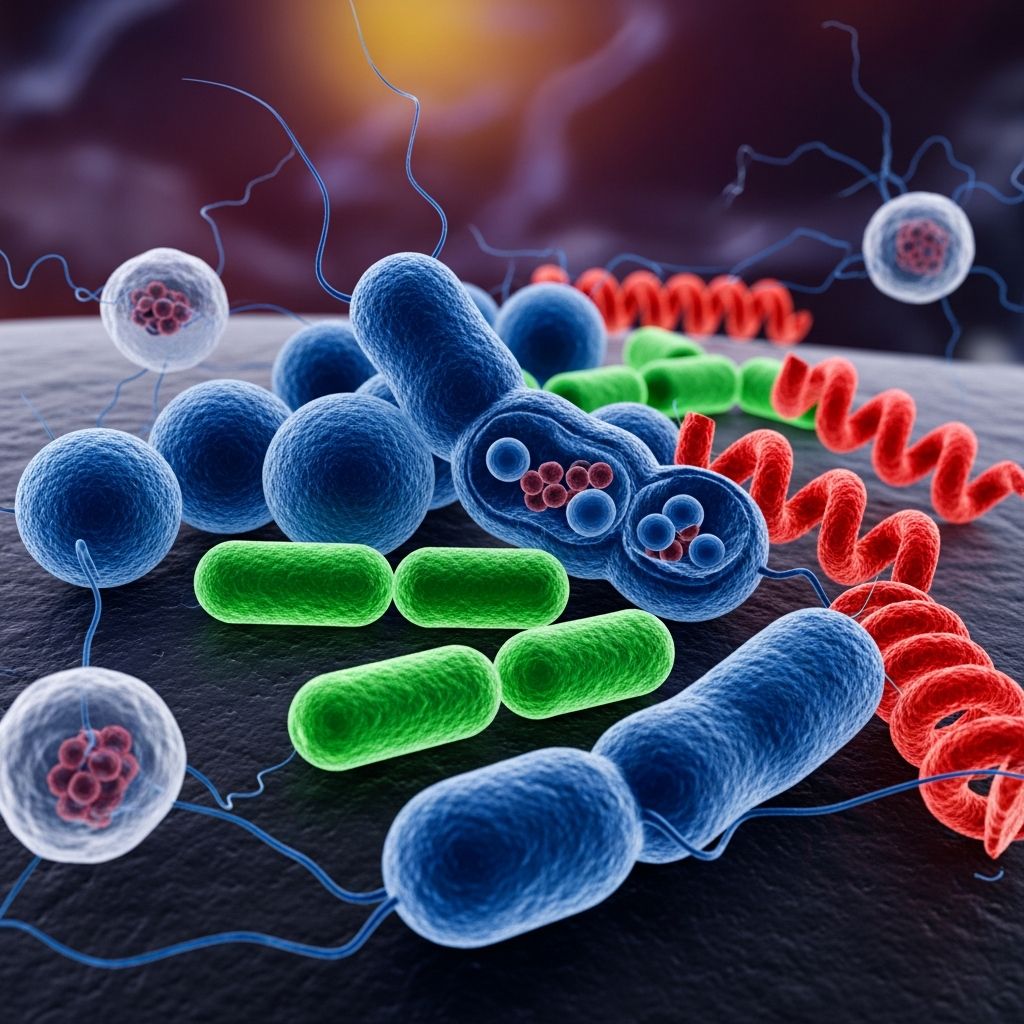
Bacterial infections occur when harmful bacteria enter the body and multiply, leading to illness. Unlike viruses, bacteria are single-celled organisms that can be treated with antibiotics, though antibiotic resistance is a growing concern.
What Is a Bacterial Infection?
Bacteria are microscopic, single-celled organisms found everywhere in the environment, including soil, water, and on human skin. Most are harmless or even beneficial, aiding digestion or protecting against harmful pathogens. However, certain types called pathogenic bacteria can cause infections by reproducing rapidly, releasing toxins, or invading tissues.
These infections range from mild, like a sore throat, to severe, like sepsis, a life-threatening bloodstream infection. Bacteria differ from viruses: viruses require host cells to replicate and cannot be killed by antibiotics, while bacteria can live independently and respond to targeted medications.
When pathogenic bacteria enter the body through cuts, inhalation, ingestion, or sexual contact, they may trigger an immune response. Symptoms arise from bacterial toxins, tissue damage, or the body’s overreaction, such as excessive inflammation.
Symptoms of Bacterial Infection
Symptoms vary by infection site but often include fever, chills, fatigue, and localized pain or swelling. Bacterial infections typically cause more severe, prolonged symptoms than viral ones.
- Fever: Often high (over 101°F/38.3°C) and worsening over time, unlike viral fevers that improve within days.
- Pain and swelling: Redness, warmth, and pus at the site, common in skin infections.
- Respiratory issues: Cough with colored phlegm, sore throat, or sinus pressure in pneumonia or strep throat.
- Digestive problems: Diarrhea, nausea, vomiting, or abdominal cramps in foodborne illnesses.
- Systemic signs: Fatigue, rapid heartbeat, confusion in severe cases like sepsis.
Early symptoms may mimic viral infections, but bacterial ones last longer (over 10-14 days) and respond poorly to rest alone. Children may show irritability, poor feeding, or rash; older adults might have subtle signs like confusion.
Common Bacterial Infections
Bacterial infections affect various body systems. Here are prevalent types:
Skin Infections
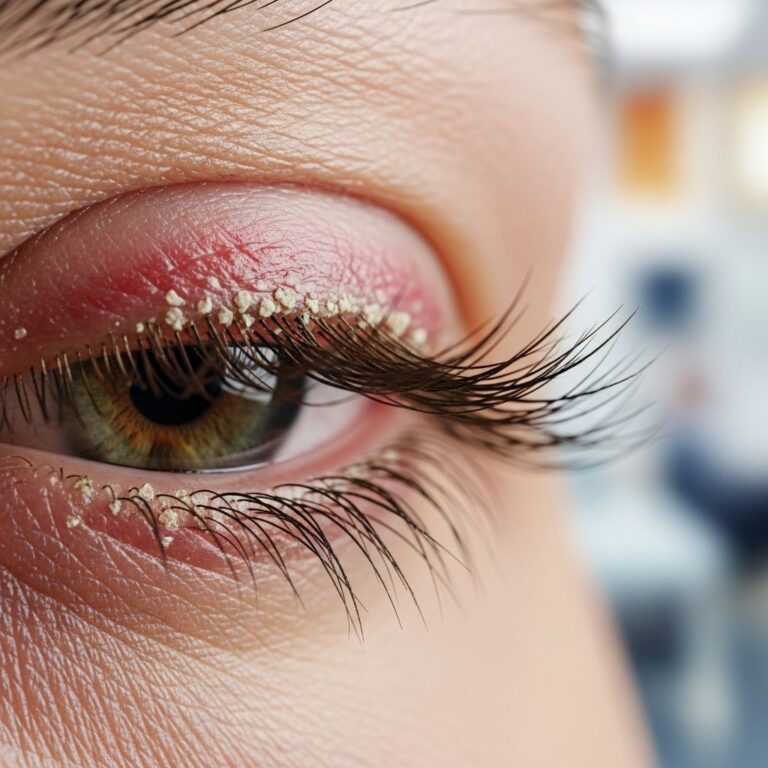
Staphylococcus and Streptococcus bacteria cause impetigo (crusty sores), cellulitis (deep tissue redness), and boils. Methicillin-resistant Staphylococcus aureus (MRSA) is a resistant strain common in hospitals and communities.
Respiratory Infections
Strep throat (Streptococcus pyogenes), bacterial pneumonia (Streptococcus pneumoniae), and whooping cough (Bordetella pertussis) feature sore throat, cough, and high fever.
Urinary Tract Infections (UTIs)
E. coli often causes cystitis (bladder infection) with burning urination and frequency. Untreated, it can lead to kidney infections.
Sexually Transmitted Infections (STIs)
Chlamydia, gonorrhea, syphilis, and bacterial vaginosis spread via sexual contact, causing discharge, pain, or genital sores.
Gastrointestinal Infections
Salmonella, Campylobacter, and E. coli from contaminated food lead to food poisoning with diarrhea and cramps.
Other Serious Infections
Tetanus (Clostridium tetani), tuberculosis (Mycobacterium tuberculosis), and sepsis from bloodstream spread.
| Type | Common Bacteria | Symptoms | At-Risk Groups |
|---|---|---|---|
| Skin | Staph, Strep | Redness, pus | Diabetics, athletes |
| Respiratory | S. pneumoniae | Cough, fever | Children, elderly |
| UTI | E. coli | Burning urine | Women, catheter users |
| STI | Chlamydia, Gonorrhea | Discharge, pain | Sexually active |
Related Stories



Causes and Risk Factors
Bacteria spread via droplets (coughing), contact (touching contaminated surfaces), food/water, insect bites, or wounds. Risk factors include weakened immunity (HIV, chemotherapy), chronic diseases (diabetes), hospitalization, poor hygiene, and antibiotic overuse fostering resistance.
- Close contact in crowds or daycares.
- Indwelling devices like catheters.
- Travel to areas with poor sanitation.
- Age extremes: infants and elderly.
How Are Bacterial Infections Diagnosed?
Diagnosis starts with history and exam. Tests include:
- Cultures: Swabs or samples grown to identify bacteria.
- Blood tests: For white cell count, CRP to detect inflammation.
- Imaging: X-rays for pneumonia, ultrasounds for abscesses.
- Rapid tests: Strep or flu distinguishers.
Distinguishing bacterial from viral is crucial to avoid unnecessary antibiotics.
Treatments for Bacterial Infections
Antibiotics are primary, killing bacteria or halting growth. Types include penicillins, cephalosporins, fluoroquinolones, targeting Gram-positive or Gram-negative bacteria.
- Oral: Pills for mild cases like strep throat.
- Topical: Creams for skin infections.
- IV: For severe sepsis or pneumonia.
Complete the full course to prevent resistance. Supportive care includes rest, fluids, pain relievers. Surgery drains abscesses.
Prevention of Bacterial Infections
Prevention focuses on hygiene and vaccines:
- Wash hands frequently with soap.
- Cover coughs/sneezes; avoid face touching.
- Cook food thoroughly; safe water.
- Vaccines for tetanus, pertussis, pneumococcus.
- Safe sex; wound care.
- Antibiotic stewardship in hospitals.
Hospitals use surveillance, hand hygiene protocols, and isolation to curb healthcare-associated infections (HAIs).
Complications of Bacterial Infections
Untreated infections can spread, causing abscesses, chronic issues (rheumatic fever post-strep), or sepsis with organ failure. Antibiotic resistance complicates treatment; MRSA and carbapenem-resistant Enterobacterales are major threats.
When to See a Doctor
Seek care for high fever (>102°F/38.9°C lasting >3 days), worsening symptoms, stiff neck, severe pain, confusion, or symptoms in infants/elderly. Rapid attention prevents complications.
Frequently Asked Questions (FAQs)
What is the difference between bacterial and viral infections?
Bacterial infections last longer, cause higher fevers, and respond to antibiotics; viral ones improve with time and rest.
Can bacterial infections go away without antibiotics?
Mild cases may resolve via immune response, but antibiotics are needed for moderate-severe to prevent spread.
How long do bacterial infections last?
With treatment, 3-7 days for mild; longer for severe. Untreated, weeks or lead to chronic issues.
Are bacterial infections contagious?
Many are, via contact or droplets; depends on type (e.g., strep yes, UTIs no).
What causes antibiotic resistance?
Overuse, incomplete courses allow resistant bacteria to survive and multiply.
References
- What is the difference between bacterial and viral infections? — Medical News Today. 2023. https://www.medicalnewstoday.com/articles/bacterial-vs-viral-infections
- Bacterial Infections: Surveillance, Prevention and Control — PMC – NIH. 2024-02-29. https://pmc.ncbi.nlm.nih.gov/articles/PMC10892593/
- Bacterial Infections — MedlinePlus (U.S. National Library of Medicine). 2025. https://medlineplus.gov/bacterialinfections.html
- Bacteria: Definition, Types, Benefits, Risks & Examples — Cleveland Clinic. 2024. https://my.clevelandclinic.org/health/articles/24494-bacteria
Similar Articles








Read full bio of Sneha Tete