Bacterial Keratitis: Guide To Diagnosis & Treatment
Discover the causes, symptoms, diagnosis, and treatments for bacterial keratitis to protect your vision from this serious corneal infection.
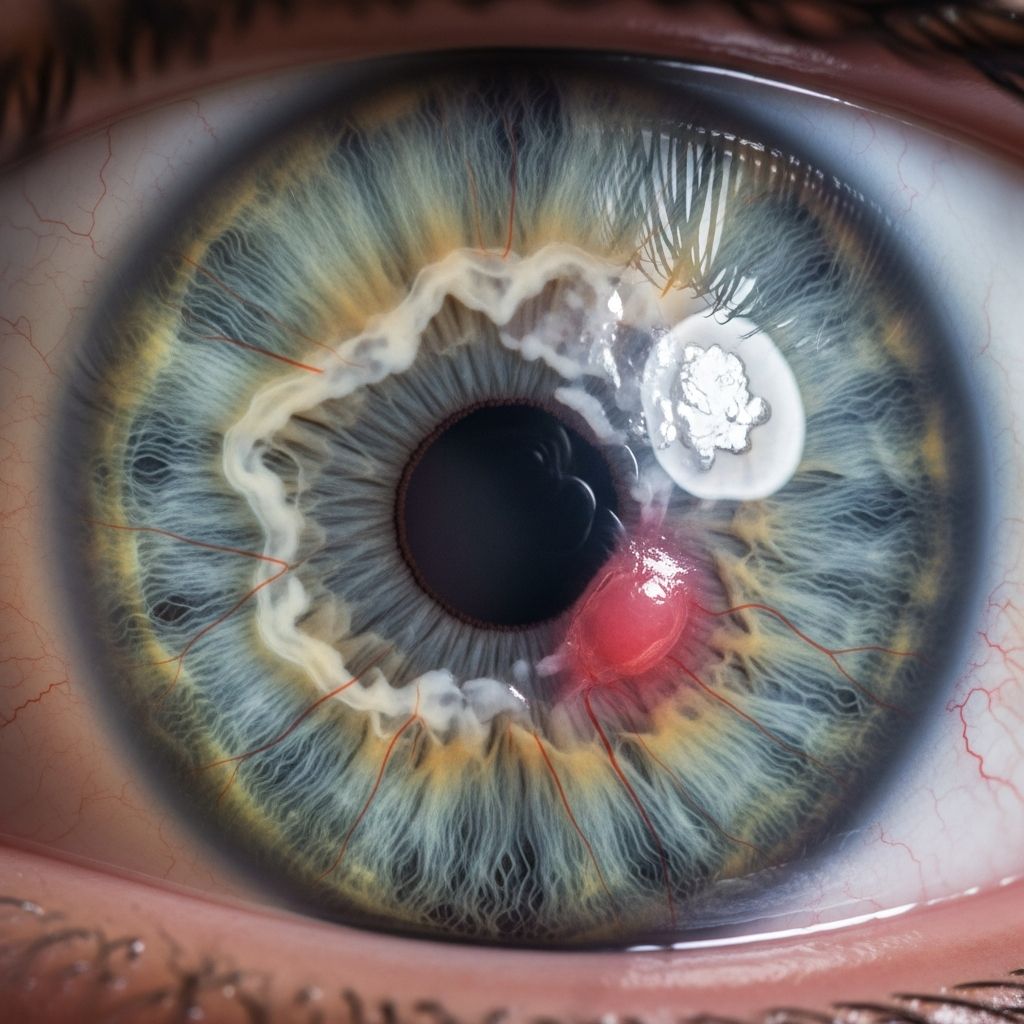
Bacterial keratitis represents one of the most urgent ophthalmic emergencies, characterized by a rapid bacterial invasion of the cornea that can lead to ulceration, scarring, and permanent vision impairment if not addressed swiftly. This condition primarily arises from disruptions in the eye’s natural defenses, allowing pathogens to penetrate the corneal epithelium.
Understanding the Cornea and Its Vulnerabilities
The cornea serves as the eye’s clear, dome-shaped front surface, responsible for focusing light and protecting internal structures. It features multiple protective layers: the outer epithelium acts as a barrier, the underlying stroma provides structural support, and the endothelium maintains clarity by regulating fluid. When the epithelium is compromised—through minor trauma or chronic irritation—bacteria can invade, triggering inflammation and tissue breakdown.
Normally, defenses like the tear film’s antimicrobial proteins (such as lysozyme and lactoferrin), intact epithelium, and blinking mechanism prevent infection. However, factors like extended contact lens wear or ocular surface dryness weaken these barriers, paving the way for bacterial proliferation.
Primary Causes and Risk Factors
Bacterial keratitis most frequently stems from gram-positive and gram-negative bacteria. Common culprits include Staphylococcus aureus, Staphylococcus epidermidis, Streptococcus pneumoniae, and notably Pseudomonas aeruginosa, which thrives in contact lens cases and is aggressive in lens wearers.
- Contact Lens Misuse: Overnight wear, poor hygiene, tap water rinsing, or swimming with lenses heightens risk dramatically, accounting for a significant portion of cases.
- Trauma: Corneal abrasions from foreign bodies, fingernails, or tree branches create entry points.
- Ocular Conditions: Dry eye syndrome, blepharitis, or prior ocular surgery compromise epithelial integrity.
- Systemic Factors: Immunosuppression, diabetes, or chronic steroid use impair healing.
Geographic variations influence pathogen prevalence; for instance, Pseudomonas dominates in humid climates among lens users.
Recognizing the Warning Signs
Symptoms emerge acutely, often overnight, signaling the need for immediate care. Patients typically report severe eye pain disproportionate to visible changes, intense photophobia, profuse tearing, foreign body sensation, and blurred vision.
Clinical examination reveals hallmark signs:
- Conjunctival injection and circumcorneal redness.
- Focal white-gray stromal infiltrates with overlying epithelial defects.
- Purulent discharge, eyelid swelling, and blepharospasm.
- Hypopyon (pus in the anterior chamber) in moderate to severe cases.
- Stromal edema, corneal thinning, or Descemet’s folds in advanced stages.
The infiltrate’s size, location (central worse for vision), and edges help gauge severity. Progression can culminate in melting, perforation, or secondary glaucoma.
Diagnostic Approaches
Diagnosis hinges on history (e.g., lens wear) and slit-lamp biomicroscopy, which delineates the infiltrate’s depth and associated inflammation. Corneal scraping for Gram stain, culture, and sensitivity testing identifies the pathogen, guiding therapy—though empiric treatment often starts immediately due to rapidity.
Related Stories



Advanced tools like confocal microscopy or PCR aid in atypical cases, distinguishing bacterial from fungal or acanthamoeba keratitis.
Treatment Strategies: From Empiric to Tailored Care
Treatment prioritizes broad-spectrum antibiotics to sterilize the cornea, reduce inflammation, and prevent complications. Loading doses (every 30-60 minutes) transition to hourly, then q.i.d. as improvement occurs.
| Ulcer Characteristics | Recommended Therapy |
|---|---|
| Small, peripheral, low-risk | Monotherapy: Fourth-generation fluoroquinolone (e.g., moxifloxacin) |
| Large, central, or high-risk | Fortified drops: Vancomycin (gram-positive) + tobramycin (gram-negative), alternated hourly |
| Severe/non-responsive | Add systemic antibiotics; consider corneal cross-linking |
Adjuncts include cycloplegics for pain/ciliary spasm, topical steroids (cautiously post-sterilization to minimize scarring), and anti-glaucoma agents if needed. Non-healing ulcers (>2 weeks) may require therapeutic penetrating keratoplasty (TPK).
Monitoring involves daily visits initially, assessing epithelial healing, infiltrate resolution, and anterior chamber reaction.
Potential Complications and Long-Term Outlook
Even with prompt care, outcomes vary. Scarring causes irregular astigmatism and vision loss; perforation risks endophthalmitis. Visual prognosis improves with peripheral, small ulcers but worsens centrally.
Recurrence risk persists in lens wearers without hygiene changes. Long-term, spectacles, contacts (post-healing), or corneal transplants may be needed.
Prevention: Safeguarding Your Eyes
Proactive measures drastically cut incidence:
- Never sleep in contacts; adhere to replacement schedules.
- Wash hands before handling lenses; use fresh solution, avoid tap water.
- Remove lenses if irritated; seek care for redness/pain.
- Protect eyes from trauma with goggles during activities.
- Manage dry eyes and treat lid margin disease promptly.
FAQ: Common Questions on Bacterial Keratitis
What should I do if I suspect bacterial keratitis?
Seek emergency ophthalmologic care immediately—delays risk permanent damage.
How long does treatment last?
Typically 2-6 weeks, with close monitoring; full healing may take months.
Can contact lens wearers fully recover?
Yes, with early intervention and hygiene adherence, though scarring may occur.
Is surgery ever required?
In refractory cases, therapeutic keratoplasty removes infected tissue.
How can I differentiate it from other keratitis types?
Slit-lamp and cultures distinguish bacterial (rapid, purulent) from fungal (slower) or viral.
References
- Infectious Keratitis: Guidelines for Diagnosis and Treatment — Review of Ophthalmology. 2023. https://www.reviewofophthalmology.com/article/infectious-keratitis-guidelines-for-diagnosis-and-treatment
- Bacterial Keratitis – StatPearls — NCBI Bookshelf, NIH. 2023-10-28. https://www.ncbi.nlm.nih.gov/books/NBK574509/
- Bacterial Keratitis — EyeWiki (AAO). 2024. https://eyewiki.org/Bacterial_Keratitis
- What Causes Bacterial Keratitis — CDC. 2023. https://www.cdc.gov/contact-lenses/causes/what-causes-contact-lens-related-bacterial-keratitis.html
- Keratitis – Diagnosis and treatment — Mayo Clinic. 2023. https://www.mayoclinic.org/diseases-conditions/keratitis/diagnosis-treatment/drc-20374114
Similar Articles








Read full bio of Sneha Tete