Bacterial Meningitis: Causes, Symptoms, and Treatment
A comprehensive guide to understanding bacterial meningitis: infection, diagnosis, and emergency care.
What Is Bacterial Meningitis?
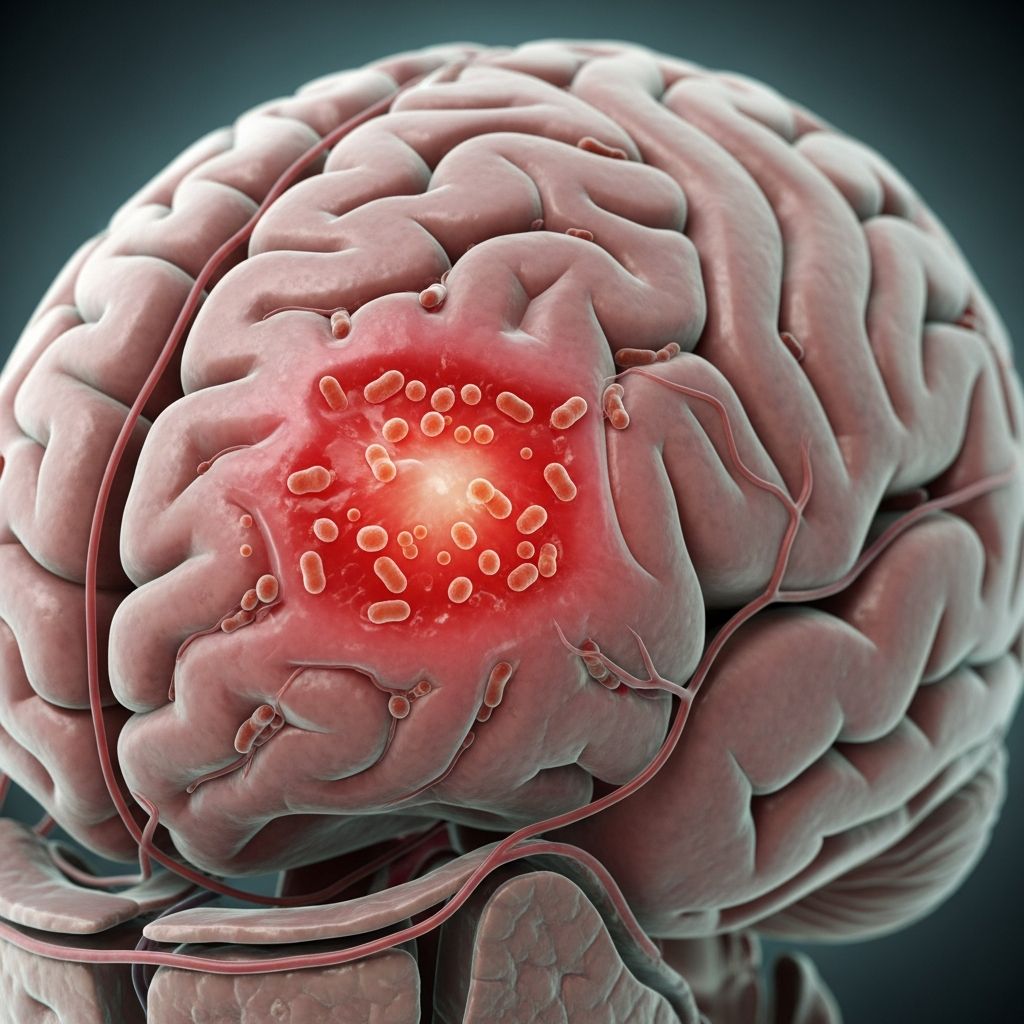
Bacterial meningitis is a serious and life-threatening infection of the meninges—the protective membranes surrounding the brain and spinal cord. This condition results in inflammation of these vital structures and requires immediate medical attention. Unlike viral meningitis, which is often self-limiting, bacterial meningitis can rapidly progress and lead to severe complications or death if not treated promptly.
The condition is considered a medical emergency because delays in treatment—even as brief as 3 to 6 hours—are associated with significantly increased mortality rates and long-term neurological damage. Early recognition and antibiotic therapy are critical for improving survival and reducing complications.
Common Causes and Bacterial Culprits
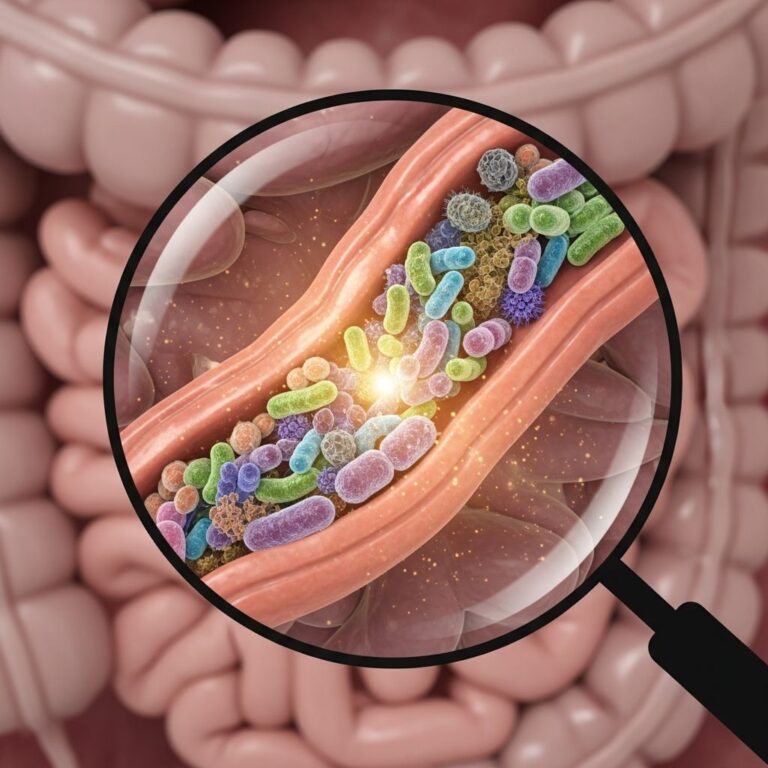
Bacterial meningitis is caused by specific bacterial pathogens that can invade the meninges either through the bloodstream (bacteremia) or by direct extension from a nearby infection. The bacteria responsible for meningitis vary by age group and geographic region.
Most Common Causative Organisms
According to data from the United States, the four main bacterial causes account for the majority of cases:
- Streptococcus pneumoniae (pneumococcus)—responsible for approximately 58% of cases
- Group B Streptococcus (GBS)—accounts for about 18% of cases
- Neisseria meningitidis (meningococcus)—causes roughly 14% of cases
- Haemophilus influenzae type b (Hib)—responsible for approximately 7% of cases
Other less common but important causative organisms include Listeria monocytogenes, Mycobacterium tuberculosis, and non-typhoidal Salmonella species. These bacteria are normally carried harmlessly in the human nose, throat, gut, or vagina but can occasionally invade the body and cause serious invasive disease.
How Bacterial Meningitis Spreads
Understanding how bacterial meningitis spreads is essential for prevention and early intervention. Most bacteria that cause meningitis are transmitted from person to person through respiratory droplets or throat secretions. Close contact with an infected person significantly increases transmission risk.
Group B streptococcus follows a different transmission pattern—it is often carried in the human gut or vagina and can spread from mother to child during childbirth. Generally, carrying these organisms is harmless and actually helps build immunity against infection. However, in some individuals, the bacteria occasionally invade the body, causing meningitis and sepsis.
Risk Factors for Bacterial Meningitis
Certain populations face significantly elevated risk for developing bacterial meningitis. Understanding these risk factors can help identify individuals who need preventive measures or closer monitoring.
High-Risk Populations Include:
- Immunocompromised individuals—including people with HIV, those undergoing chemotherapy, or taking immunosuppressive medications
- Infants and young children—particularly those under 5 years of age
- Older adults—especially those over 45 years old
- People living in close quarters—such as college dormitories, military barracks, and crowded living conditions
- Patients with anatomical abnormalities—including abnormal communication between the nasopharynx and subarachnoid space (from congenital defects or trauma)
- Post-neurosurgery patients—individuals who have recently undergone brain or spinal cord surgery
- Patients with skull fractures or head trauma—those with breaches in the protective barrier
- Cochlear implant recipients—due to potential pathways for bacterial invasion
Related Stories



Symptoms and Clinical Presentation
Bacterial meningitis typically presents with a classic triad of symptoms, though not all patients present with all three. The infection triggers an inflammatory cascade in the meninges, leading to characteristic clinical findings.
Common Symptoms Include:
- High fever—often sudden onset with temperatures above 103°F (39.4°C)
- Severe headache—often described as the worst headache of the patient’s life
- Neck stiffness—difficulty flexing the neck forward (meningismus)
- Altered mental status—confusion, disorientation, or changes in consciousness
- Sensitivity to light (photophobia)
- Nausea and vomiting
- Seizures—occurring due to increased intracranial pressure
- Focal neurologic deficits—weakness, paralysis, or loss of sensation in specific areas
- Rash—particularly in meningococcal infections, a petechial or purpuric rash may appear
The inflammatory response triggered by lipopolysaccharide in gram-negative bacteria and teichoic acid in gram-positive bacteria activates brain microglia, leading to increased intracranial pressure, cerebral edema, and blood-brain barrier breakdown. This cascade of inflammatory changes results in the classic symptoms and can rapidly lead to altered consciousness and neurological deterioration if untreated.
Diagnosis of Bacterial Meningitis
Lumbar puncture (spinal tap) is the definitive diagnostic procedure for bacterial meningitis. This procedure involves inserting a needle into the lower back to obtain cerebrospinal fluid (CSF) for laboratory analysis.
CSF Analysis Findings:
In bacterial meningitis, cerebrospinal fluid shows characteristic patterns:
- Low glucose levels—typically much lower than serum glucose (CSF-to-serum glucose ratio is more reliable than absolute values)
- High protein levels—markedly elevated compared to normal CSF
- Neutrophil predominance—white blood cells are primarily neutrophils rather than lymphocytes
- Positive Gram stain—in approximately 50-90% of untreated cases
- Positive bacterial culture—the gold standard for diagnosis
Laboratory personnel perform Gram stains, cultures, cell counts, glucose, and protein level analysis on the CSF sample. These tests help identify the specific pathogen and determine antibiotic susceptibility patterns, guiding targeted treatment decisions.
Important Diagnostic Consideration:
If bacterial meningitis is clinically suspected based on symptoms and signs, antibiotic treatment should never be delayed waiting for lumbar puncture results. However, the lumbar puncture should still be performed before antibiotics are administered if possible, as antibiotics can reduce the sensitivity of cultures within 1-2 hours.
Treatment and Management
Timely antibiotic administration is the cornerstone of bacterial meningitis treatment and is essential for survival and preventing complications. The specific antibiotic chosen depends on the patient’s age, immune status, and local antimicrobial resistance patterns.
Empiric Antibiotic Therapy:
When bacterial meningitis is suspected but the causative organism has not yet been identified, empiric (presumptive) antibiotic coverage is critical:
- First-line agents: Ceftriaxone and vancomycin are strongly recommended for initial empiric therapy
- Additional coverage: Patients who are immunocompromised or older than 50 years should also receive ampicillin to cover Listeria monocytogenes
- Special circumstances: Post-neurosurgical patients or those with head trauma require coverage for methicillin-resistant Staphylococcus aureus (MRSA)
Adjunctive Therapy:
In non-epidemic settings, intravenous corticosteroids (such as dexamethasone) are initiated with the first dose of antibiotics to reduce the inflammatory response and decrease the risk of neurological sequelae and death.
Prognosis and Outcomes
The outlook for bacterial meningitis depends critically on early recognition and treatment initiation. Mortality rates for bacterial meningitis range from 10-15%, with survival strongly dependent on prompt antibiotic therapy. In-hospital mortality from bacterial meningitis averages 8%, but this increases substantially for patients older than 45 years.
Delays in treatment can result in increased intracranial pressure, decreased cerebral perfusion, rapid loss of consciousness, and death. Even with appropriate treatment, some survivors experience long-term complications.
Long-Term Complications and Sequelae
Bacterial meningitis can cause lasting neurological and physical complications. Approximately 1 in 5 people who survive bacterial meningitis may experience long-term after-effects:
- Hearing loss—the most common long-term complication
- Seizure disorders—recurrent seizures may develop
- Neurological deficits—limb weakness, paralysis, or loss of sensation
- Cognitive and communication difficulties—problems with memory, speech, language, and communication
- Vision problems—visual impairment or blindness
- Scarring and limb amputations—potential complications of associated sepsis
Prevention Strategies
Vaccines offer the best protection against bacterial meningitis and are the cornerstone of prevention efforts.
Available Vaccines:
Effective vaccines are available to prevent meningitis caused by:
- Meningococcus (various serogroups including A, C, W, Y, and X)
- Pneumococcus (various serotypes)
- Haemophilus influenzae type b (Hib)
Maternal Group B streptococcus vaccines to prevent invasive GBS disease in infants are currently in the final stages of clinical development.
Recent Vaccine Advances:
In 2023, the first pentavalent meningococcal conjugate vaccine (Men5CV) protecting against serogroups A, C, W, Y, and X was prequalified by the World Health Organization and recommended for use in countries of the African meningitis belt—a region spanning from Senegal to Ethiopia that experiences recurring meningitis epidemics. The rollout of this vaccine has the potential to eliminate meningitis epidemics in this region.
Prevention for Close Contacts:
If you live with someone who has bacterial meningitis, take these protective measures:
- Consult your doctor or nurse about taking prophylactic antibiotics
- Wash hands frequently, especially before eating
- Avoid close contact with the infected person
- Do not share cups, utensils, toothbrushes, or other personal items
Frequently Asked Questions
Q: What is the difference between bacterial and viral meningitis?
A: Bacterial meningitis is caused by bacterial infection and is typically more serious and life-threatening, requiring immediate antibiotic treatment. Viral meningitis is caused by viruses and is often self-limiting. Bacterial meningitis has a mortality rate of 10-15%, while viral meningitis is generally less severe.
Q: How quickly does bacterial meningitis develop?
A: Bacterial meningitis can develop rapidly, often progressing from initial symptoms to serious complications within 24-48 hours. This is why seeking immediate medical care at the first sign of symptoms is critical.
Q: Can bacterial meningitis be cured?
A: Yes, bacterial meningitis can be cured with prompt antibiotic treatment. Survival and recovery depend critically on early diagnosis and the immediate initiation of appropriate antibiotics.
Q: Am I at risk if I was exposed to someone with bacterial meningitis?
A: Exposure risk varies depending on the type and duration of contact. Close contact with respiratory secretions increases risk. If you’ve been exposed, contact your healthcare provider about prophylactic antibiotics and discuss your specific risk.
Q: Is bacterial meningitis contagious?
A: Yes, bacterial meningitis is contagious and spreads through respiratory droplets or throat secretions from person to person. Close contact with an infected person, particularly in settings like schools or dormitories, increases transmission risk.
Q: What should I do if I suspect I have bacterial meningitis?
A: Seek emergency medical care immediately. Call 911 or go to the nearest emergency room. Do not delay for any reason. Report your symptoms, especially fever, severe headache, and neck stiffness, to the emergency medical personnel.
References
- Bacterial Meningitis — National Center for Biotechnology Information (NCBI), National Library of Medicine. 2024. https://www.ncbi.nlm.nih.gov/books/NBK470351/
- Meningitis Fact Sheet — World Health Organization (WHO). 2024. https://www.who.int/news-room/fact-sheets/detail/meningitis
Similar Articles








Read full bio of Sneha Tete