Bacterial Skin Infections: What You Need To Know
Comprehensive guide to causes, symptoms, diagnosis, and treatment of common bacterial skin infections affecting the skin.
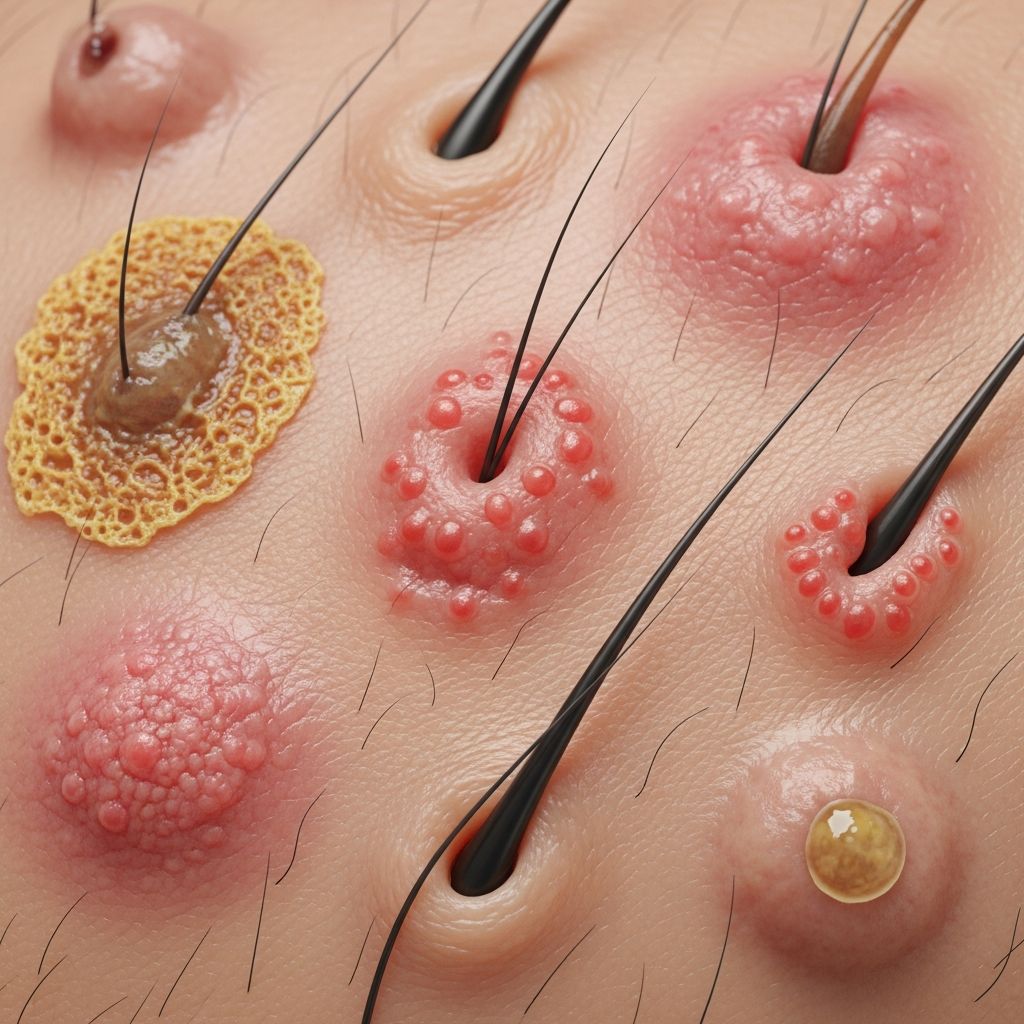
Bacterial skin infections are among the most common dermatological conditions worldwide, primarily caused by gram-positive bacteria such as Staphylococcus aureus and Streptococcus pyogenes (group A beta-haemolytic streptococcus). These infections range from superficial lesions like impetigo to deep invasive processes such as cellulitis and necrotizing fasciitis, affecting individuals of all ages but particularly children, the elderly, and those with compromised skin barriers or immune systems.
What are the clinical features of bacterial skin infections?
Bacterial skin infections present with a variety of clinical manifestations depending on the depth of involvement and causative organism. Common features include erythema (redness), warmth, swelling, pain, and pus formation. Superficial infections often show honey-coloured crusts or bullae, while deeper ones may exhibit induration, lymphangitis, or systemic symptoms like fever and malaise.
- Erythema and oedema: Red, swollen skin that is warm to the touch.
- Pus and discharge: Yellow-green purulent material or serous exudate.
- Crusting and scaling: Formation of thick, adherent crusts in impetigo.
- Pain and tenderness: Varying from mild itch to severe throbbing pain.
- Systemic signs: Fever, chills, and lymphadenopathy in moderate to severe cases.
In severe infections like cellulitis, rapid spread with ill-defined borders and lymphangitic streaking may occur, signaling potential bloodstream invasion.
Staphylococcal skin infections
Staphylococcus aureus is a leading cause of skin and soft tissue infections (SSTIs), producing virulence factors like toxins and enzymes that facilitate tissue invasion. Colonization of the nasal mucosa or skin precedes infection in many cases.
Impetigo
Impetigo, the most superficial staphylococcal infection, features flaccid bullae that rupture to form characteristic golden-yellow crusts, primarily on the face and extremities. It is highly contagious, spreading via direct contact, and common in children.
- Non-bullous impetigo: Small vesicles progress to pustules and crusted plaques.
- Bullous impetigo: Larger, tense bullae with clear then cloudy fluid, due to exfoliative toxins.
Folliculitis, furunculosis, carbuncles
Folliculitis involves superficial hair follicle inflammation presenting as perifollicular pustules. Progression to furuncles (boils) forms tender nodules with central pus, while carbuncles are coalescing furuncles with multiple draining sinuses.
| Condition | Features | Common Sites |
|---|---|---|
| Folliculitis | Small red papules/pustules at follicles | Beard area, scalp, buttocks |
| Furuncle | Tender nodule with pus head | Neck, axillae, buttocks |
| Carbuncle | Multiple interconnected furuncles | Back of neck, thighs |
Staphylococcal scalded skin syndrome (SSSS)
SSSS, mediated by epidermolytic toxins, causes widespread tender erythema and intraepidermal cleavage, resembling a scald burn. It predominantly affects neonates and young children.
Streptococcal skin infections
Streptococcus pyogenes causes erysipelas and cellulitis, characterized by sharply demarcated, raised erythematous plaques with rapid progression.
Erysipelas
Erysipelas involves the upper dermis and superficial lymphatics, presenting as fiery red, indurated plaques with trailing edge and central clearing. Facial involvement is classic, accompanied by high fever and toxicity.
Related Stories



Cellulitis
Cellulitis extends into the deep dermis and subcutaneous fat, showing poorly defined borders, orange-peel texture, and potential for abscess formation. Lower legs are commonly affected, especially in lymphedema or venous insufficiency.
- Risk factors: Skin breaches, diabetes, immunosuppression.
- Complications: Bacteraemia, osteomyelitis.
Other bacterial skin infections
Methicillin-resistant Staphylococcus aureus (MRSA)
MRSA causes severe SSTIs with abscesses and necrotizing infections, prevalent in community and healthcare settings. It resists beta-lactam antibiotics, requiring drainage and agents like vancomycin or clindamycin.
Necrotizing fasciitis
This life-threatening polymicrobial or monomicrobial (group A strep) infection rapidly destroys fascia and muscle, with bronze discoloration, bullae, crepitus, and systemic shock. Urgent surgical debridement is essential.
Ecthyma
Ecthyma is a deeper form of impetigo with punched-out ulcers covered by adherent crusts, often on lower legs, leading to scarring.
Erythrasma
Corynebacterium minutissimum causes asymptomatic coral-red fluorescence under Wood’s lamp in intertriginous areas like groin and axillae.
Complications of bacterial skin infections
Untreated infections can lead to bacteraemia, sepsis, post-streptococcal glomerulonephritis, rheumatic fever, or scarlatiniform rashes. Recurrent furunculosis indicates nasal carriage.
- Local: Abscess, lymphangitis, gangrene.
- Systemic: Sepsis, metastatic infections.
- Immune-mediated: Guttké phenomenon, scarlet fever.
How is the diagnosis of bacterial skin infections made?
Diagnosis is primarily clinical, supported by Gram stain, culture, and PCR for resistant organisms. Blood tests, imaging, or biopsy aid in severe cases.
- Surface swab for culture and sensitivity.
- Wood’s lamp for erythrasma.
- Imaging for necrotizing fasciitis.
What is the treatment for bacterial skin infections?
Treatment escalates with severity: topical for superficial, oral for mild-moderate, IV for severe infections. Incision and drainage for abscesses.
| Infection Type | First-line Treatment | Alternatives |
|---|---|---|
| Impetigo | Topical mupirocin | Oral cephalexin |
| Cellulitis | Oral flucloxacillin | IV ceftriaxone |
| MRSA | Clindamycin, vancomycin | Doxycycline |
| Abscess | I&D + antibiotics | Trimethoprim-sulfamethoxazole |
Supportive care includes elevation, analgesia, and wound care. Decolonization for recurrent staphylococcal infections.
How can bacterial skin infections be prevented?
Prevention focuses on hygiene, wound care, and addressing risk factors.
- Hand washing and avoiding shared towels.
- Prompt cleansing of cuts with soap and water.
- Moisturizing atopic skin, treating tinea pedis.
- Decolonization: Mupirocin nasal ointment, chlorhexidine washes.
Activity
A 5-year-old child presents with facial honey-crusted erosions following a scraped knee. What is the likely diagnosis and management?
Answer: Bullous/non-bullous impetigo. Treat with topical hydrogen peroxide 1% cream or mupirocin; oral antibiotics if extensive.
Related topics
- Atopic dermatitis
- Cellulitis
- Erysipelas
- Folliculitis
- Impetigo
- Staphylococcal scalded skin syndrome
Frequently Asked Questions
Are bacterial skin infections contagious?
Yes, many like impetigo and folliculitis spread via contact; isolate lesions and practice hygiene.
When should I see a doctor for a skin infection?
Seek care for fever, spreading redness, pus, or no improvement after 48 hours of home care.
Can bacterial skin infections resolve without antibiotics?
Mild cases may, but antibiotics prevent complications; consult a professional.
What home remedies help bacterial skin infections?
Warm compresses and hygiene aid mild cases, but not substitutes for medical treatment.
Is MRSA curable?
Yes, with appropriate antibiotics and drainage, though recurrence is possible.
References
- Identifying Common Bacterial Skin Infections — US Dermatology Partners. 2023. https://www.usdermatologypartners.com/blog/identifying-common-bacterial-skin-infections/
- Bacterial skin infections: Types, symptoms, causes, and more — Medical News Today. 2023-10-12. https://www.medicalnewstoday.com/articles/bacterial-skin-infections
- Common Bacterial Skin Infections — American Academy of Family Physicians (AAFP). 2002-07-01. https://www.aafp.org/pubs/afp/issues/2002/0701/p119.html
- Skin Infections — MedlinePlus (U.S. National Library of Medicine). 2024. https://medlineplus.gov/skininfections.html
- Staph skin infection – including cellulitis and impetigo — healthdirect.gov.au. 2024. https://www.healthdirect.gov.au/staph-skin-infection
Similar Articles








Read full bio of Sneha Tete