Bacterial Vaginosis: Causes, Symptoms & Treatment
Understanding BV: Learn about symptoms, diagnosis, and effective antibiotic treatments for bacterial vaginosis.
What is Bacterial Vaginosis?
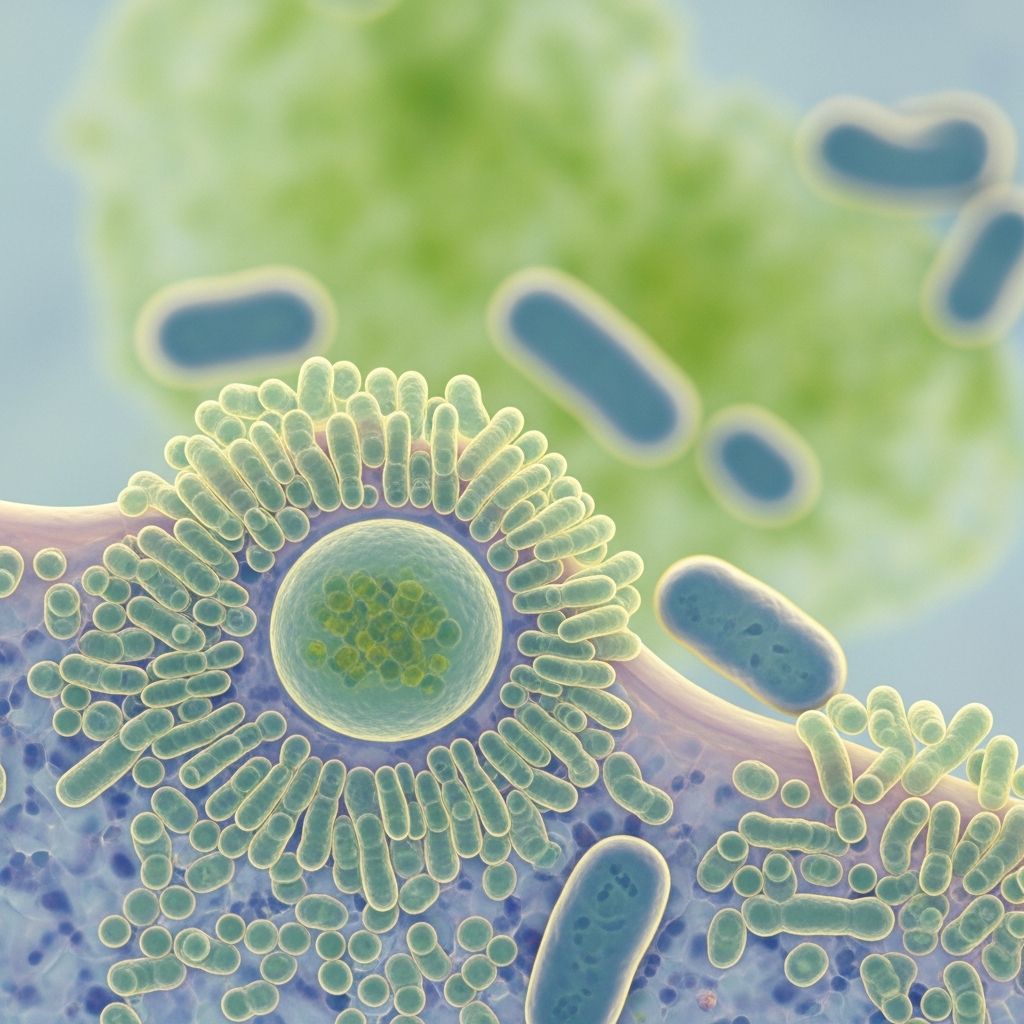
Bacterial vaginosis (BV) is one of the most common vaginal infections affecting women of reproductive age. It occurs when there is a significant change in the normal balance of bacteria that naturally inhabit the vagina. Unlike some other vaginal infections that are caused by a single pathogenic organism, BV represents a complex alteration of the vaginal ecosystem known as dysbiosis. In this condition, the beneficial lactobacilli (particularly lactobacillus crispatus) that normally maintain vaginal health decrease in number, allowing anaerobic pathogens to overgrow and dominate the vaginal microbiota. This bacterial imbalance can cause uncomfortable symptoms and, if left untreated, may lead to serious complications.
The condition is not typically considered a sexually transmitted infection, though sexual activity can disrupt the vaginal flora and increase the risk of developing BV. Women of any age who are sexually active can develop bacterial vaginosis, making it a widespread concern in women’s health.
Understanding the Causes of Bacterial Vaginosis
The development of bacterial vaginosis involves a disruption of the delicate vaginal microbiome. Several factors can contribute to this bacterial imbalance:
Primary Cause: Bacterial Imbalance
The fundamental cause of BV is an overgrowth of anaerobic bacteria in the vagina. These bacteria thrive in oxygen-poor environments and can quickly multiply when the protective lactobacilli population diminishes. The exact trigger for this imbalance varies among individuals but typically involves factors that compromise the vaginal ecosystem’s stability.
Risk Factors Contributing to BV Development
- Sexual activity: New sexual partners or multiple partners can introduce bacteria that disrupt the vaginal flora.
- Douching: This common hygiene practice washes away beneficial bacteria and alters the vaginal pH.
- Intrauterine devices (IUDs): Certain contraceptive methods may increase BV risk.
- Hormonal changes: Menstrual cycles and hormonal fluctuations can affect bacterial populations.
- Reduced estrogen levels: Particularly during menopause, lower estrogen can compromise vaginal health.
- Antibiotics: While treating other infections, antibiotics can eliminate beneficial vaginal bacteria.
- Poor hygiene practices: Using scented products, bubble baths, or harsh soaps can irritate and disrupt the vaginal environment.
Recognizing the Symptoms of Bacterial Vaginosis
Many women with bacterial vaginosis experience noticeable symptoms, though some may have no symptoms at all. When present, symptoms can range from mild to moderately bothersome.
Primary Symptom: Vaginal Discharge
The most characteristic sign of BV is abnormal vaginal discharge. This discharge typically has specific qualities that distinguish it from normal vaginal secretions:
- Appearance: Off-white, gray, or occasionally yellow-green in color
- Consistency: Thin and watery
- Odor: A distinctive “fishy” smell that may become more pronounced after sexual intercourse or during menstruation
- Volume: May be excessive or profuse in some cases
Other Associated Symptoms
While not universal, some women may experience:
- Vaginal itching or burning
- Pain or discomfort during urination
- Discomfort during sexual intercourse
- Mild pelvic discomfort
It is important to note that itching, redness, and significant swelling are not typical features of BV and may suggest a different condition, such as a yeast infection or sexually transmitted infection. If you experience these symptoms, consult with a healthcare provider for proper evaluation.
Related Stories



Complications of Untreated Bacterial Vaginosis
While BV may seem like a minor inconvenience, leaving it untreated can lead to serious health consequences. Understanding these potential complications emphasizes the importance of seeking timely treatment.
Short-Term Complications
- Pelvic inflammatory disease (PID): BV can ascend to the upper reproductive tract, causing infection of the fallopian tubes and ovaries.
- Urinary tract infections: The altered vaginal flora can predispose women to recurrent UTIs.
- Increased STI susceptibility: The disrupted vaginal environment increases vulnerability to sexually transmitted infections.
Pregnancy-Related Complications
Untreated BV during pregnancy poses particular risks:
- Prelabor rupture of membranes (PROM)
- Preterm labor and delivery
- Intra-amniotic infections
- Postpartum endometritis (uterine infection after delivery)
- Increased miscarriage risk
For this reason, pregnant women should be screened for and treated for BV to protect both maternal and fetal health.
Diagnosis of Bacterial Vaginosis
Accurate diagnosis requires a combination of clinical assessment and laboratory testing. Your healthcare provider will use several diagnostic approaches to confirm BV and rule out other conditions.
Clinical Evaluation
During your appointment, your healthcare provider will:
- Review your medical and sexual history
- Ask detailed questions about your vaginal discharge and symptoms
- Perform a thorough pelvic examination
- Collect samples for laboratory testing
Laboratory Diagnostic Tests
Several tests can confirm the diagnosis of bacterial vaginosis. The specific tests used may vary based on your provider’s preference and available resources.
Wet Mount (Saline Wet Mount)
This is one of the most common diagnostic tests. A sample of vaginal discharge is mixed with saline solution and examined under a microscope. The technician looks for characteristic features including clue cells (bacteria adhering to vaginal epithelial cells), which are highly indicative of BV. The absence of white blood cells on the wet mount helps distinguish BV from other vaginal infections.
Whiff Test (KOH Test)
In this simple test, a sample of vaginal fluid is mixed with potassium hydroxide (KOH), a chemical that releases a strong, distinctive fishy odor if BV is present. This test is quick, inexpensive, and can be performed in the office setting.
Vaginal pH Testing
The pH of normal vaginal fluid is typically less than 4.5. In BV, the increased growth of anaerobic bacteria raises the vaginal pH to above 4.5. Your provider may use a pH test strip or perform laboratory pH measurement on your vaginal sample. While a high pH suggests BV, it is not diagnostic on its own and must be combined with other findings.
Nucleic Acid Amplification Tests (NAATs)
These sensitive molecular tests detect genetic material from BV-associated bacteria. NAATs are particularly useful when other diagnostic methods are inconclusive or unavailable. They can also identify specific bacterial species associated with BV.
PCR Test
Polymerase chain reaction (PCR) testing looks for DNA from harmful bacteria associated with BV. While highly accurate, PCR testing is more expensive than other diagnostic options and is typically reserved for cases where diagnosis remains uncertain.
Amsel Criteria for Diagnosis
Healthcare providers often use the Amsel criteria, a standardized diagnostic framework requiring at least three of the following four findings to confirm BV:
- Thin, gray or yellow-green vaginal discharge
- Vaginal pH greater than 4.5
- Positive whiff test (fishy odor)
- Presence of clue cells on microscopy
Treatment Options for Bacterial Vaginosis
Bacterial vaginosis responds well to antibiotic therapy. The good news is that with proper treatment, most cases are successfully resolved. However, it is important to follow your healthcare provider’s instructions completely to ensure effective treatment and prevent recurrence.
First-Line Antibiotic Treatments
Your healthcare provider will likely prescribe one of two primary antibiotics:
Metronidazole
Metronidazole is often considered the preferred treatment for non-pregnant women with bacterial vaginosis. It is available in multiple formulations:
- Oral tablets: Typically prescribed as 500 mg twice daily for 7 days
- Vaginal gel: Applied inside the vagina for 5 days
- Extended-release tablets: Taken as a single dose, convenient for some patients
Clindamycin
Clindamycin is an alternative antibiotic that works effectively against BV-associated bacteria: It is available as:
- Vaginal cream: Applied for 7 days
- Oral capsules: For systemic treatment
Important note: If using clindamycin cream, avoid latex contraceptives such as condoms or diaphragms, as the cream weakens latex materials.
Treatment Duration and Effectiveness
Most cases of bacterial vaginosis respond well to one round of antibiotic treatment lasting up to seven days. Following complete treatment, most women experience symptom relief and resolution of the infection. However, approximately 10% to 15% of women may require a second round of treatment if symptoms persist or recur shortly after initial therapy.
Special Considerations
Treatment During Pregnancy
Pregnant women with BV require treatment to prevent serious pregnancy complications. The specific antibiotic regimen may differ from that used in non-pregnant women, and your obstetrician will recommend the safest option for your situation.
Recurrent BV Management
For women experiencing recurrent BV despite appropriate treatment, additional interventions may be considered. Boric acid vaginal suppositories can be used adjunctively, as boric acid may disrupt biofilms that can protect bacteria from antibiotic penetration. Combining boric acid with oral antibiotics may provide better outcomes for refractory cases.
What Not to Do: Treatment Mistakes to Avoid
Several common mistakes can worsen bacterial vaginosis or interfere with treatment:
- Using douches: Douching disrupts the natural vaginal flora and should be avoided entirely, as it can exacerbate BV and increase complications.
- Using yeast infection treatments: Over-the-counter yeast infection products are ineffective for BV and may worsen the condition.
- Attempting self-treatment: There are no effective over-the-counter treatments for bacterial vaginosis, making professional medical evaluation essential.
- Stopping antibiotics early: Even if symptoms resolve, complete the full course of prescribed antibiotics to ensure complete eradication.
- Ignoring symptoms: Untreated BV can lead to serious complications, particularly during pregnancy.
Prevention and Maintenance of Vaginal Health
While not all cases of BV can be prevented, certain practices help maintain a healthy vaginal microbiome:
- Avoid douching: Let your vagina self-clean naturally.
- Use gentle cleansing: Wash external genitals with plain water or mild soap.
- Avoid scented products: Skip feminine hygiene sprays, powders, and scented tampons or pads.
- Limit new sexual partners: Sexual activity with new partners increases BV risk.
- Practice safe sex: Consistent condom use may reduce the risk of BV recurrence.
- Maintain proper hygiene: Wipe from front to back after bowel movements to prevent bacterial transfer.
- Consider probiotics: While research is ongoing, some studies suggest probiotics containing beneficial lactobacilli may help prevent recurrence.
- Manage other health conditions: Keep diabetes and other conditions well-controlled, as they can affect vaginal health.
Frequently Asked Questions About Bacterial Vaginosis
Q: Can bacterial vaginosis go away on its own?
A: While BV may occasionally resolve spontaneously, it typically persists or worsens without treatment. Most women require antibiotic therapy to effectively eliminate the infection. It is important not to rely on self-resolution, especially during pregnancy.
Q: Is bacterial vaginosis a sexually transmitted infection?
A: Bacterial vaginosis is not classified as a sexually transmitted infection, though sexual activity can disrupt vaginal flora and contribute to BV development. However, women with BV do have an increased risk of acquiring true STIs.
Q: Can men transmit or catch bacterial vaginosis?
A: BV is specific to the vaginal microbiome and does not affect men. However, sexual partners may harbor bacteria that contribute to BV development in women.
Q: How long does it take for antibiotic treatment to work?
A: Most women notice symptom improvement within a few days of starting antibiotic treatment. However, it is crucial to complete the full prescribed course, typically 7 days, to ensure complete bacterial eradication and prevent recurrence.
Q: Why does bacterial vaginosis keep coming back?
A: Recurrent BV can occur due to inadequate treatment, continued exposure to triggering factors, or formation of protective bacterial biofilms. If you experience recurrent BV, discuss with your provider about extended treatment options or preventive measures.
Q: Should I have my sexual partner treated if I have BV?
A: Traditionally, partner treatment was not recommended. However, recent research suggests that treating male partners may reduce recurrent BV in some cases. Discuss this option with your healthcare provider.
Q: Is it safe to treat BV during pregnancy?
A: Yes, treating BV during pregnancy is not only safe but strongly recommended to prevent serious pregnancy complications. Your obstetrician will prescribe pregnancy-safe antibiotics.
References
- Bacterial Vaginosis (BV) – Gynecology and Obstetrics — MSD Manuals. Updated 2024. https://www.msdmanuals.com/professional/gynecology-and-obstetrics/vaginitis-cervicitis-and-pelvic-inflammatory-disease/bacterial-vaginosis-bv
- Bacterial Vaginosis (BV): Causes, Symptoms & Treatment — Cleveland Clinic. Updated 2024. https://my.clevelandclinic.org/health/diseases/3963-bacterial-vaginosis
- Bacterial Vaginosis (BV) – Women’s Health Issues — Merck Manuals. Updated 2024. https://www.merckmanuals.com/home/women-s-health-issues/vaginitis-cervicitis-and-pelvic-inflammatory-disease/bacterial-vaginosis-bv
- Bacterial Vaginosis (BV) – WebMD — WebMD. Updated 2024. https://www.webmd.com/women/what-is-bacterial-vaginosis
- Bacterial Vaginosis Test — MedlinePlus. Updated 2024. https://medlineplus.gov/lab-tests/bacterial-vaginosis-test/
- What to Do for Patients With Recurring Bacterial Vaginosis — Cleveland Clinic. Updated 2024. https://consultqd.clevelandclinic.org/what-to-do-for-patients-with-recurring-bacterial-vaginosis
Similar Articles








Read full bio of medha deb