Bacterial Vaginosis: Complete Guide To Diagnosis & Treatment
Bacterial vaginosis is a common vaginal condition caused by an imbalance in vaginal bacteria, leading to characteristic discharge and odour.
What is bacterial vaginosis?
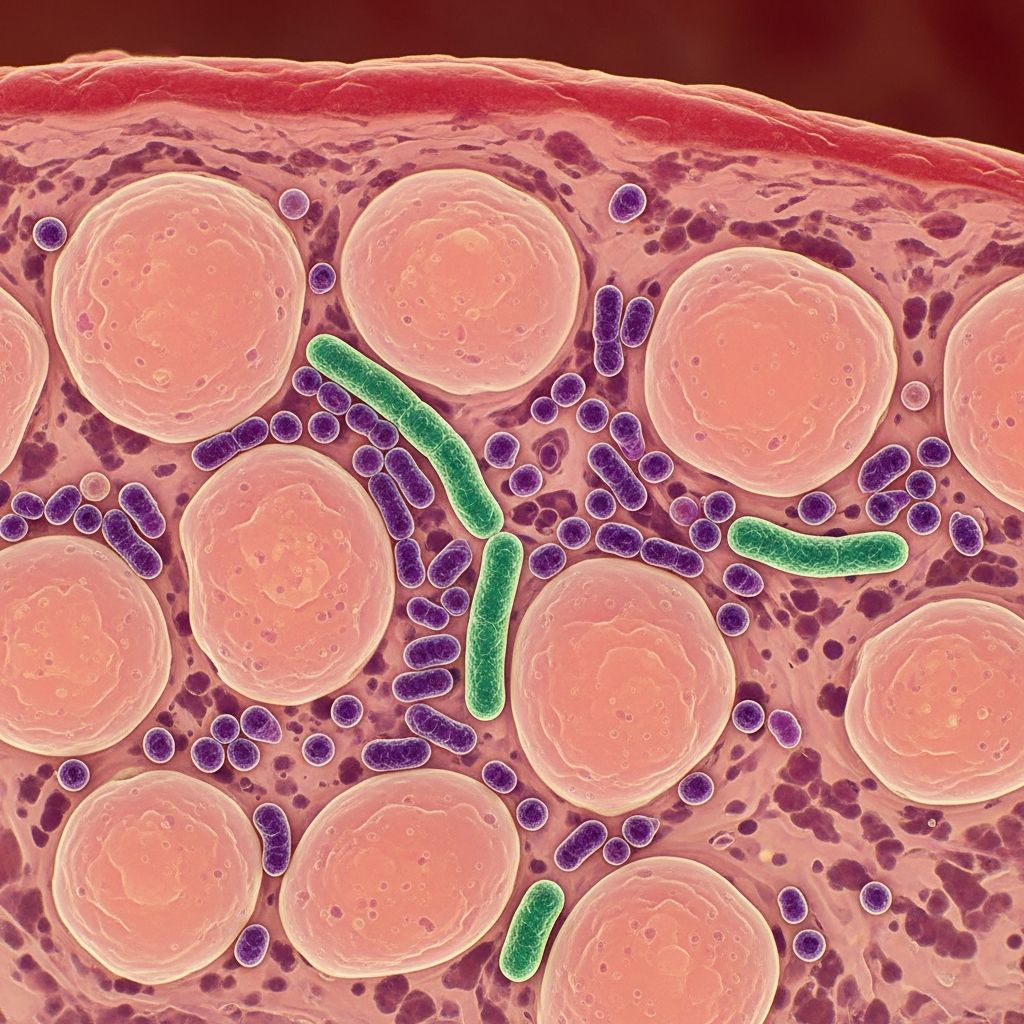
Bacterial vaginosis (BV) represents the most prevalent form of vaginitis among women of reproductive age, characterized by a shift in the vaginal microbiome from dominance by hydrogen peroxide-producing Lactobacillus species to an overgrowth of anaerobic bacteria such as Gardnerella vaginalis, Prevotella spp., Mobiluncus spp., Attalens spp., and Bacteroides spp. This polymicrobial condition arises when lactobacilli decline, enabling pathogenic bacteria proliferation, resulting in elevated vaginal pH above 4.5 and subsequent symptoms.
Though historically termed nonspecific vaginitis, BV is not classified as a sexually transmitted infection (STI) despite associations with sexual activity; it occurs in celibate women and may develop post-douching or antibiotic use disrupting flora balance. Globally, BV affects up to 30% of women, with higher prevalence among those of African or Hispanic descent.
Who gets bacterial vaginosis?
BV predominantly impacts sexually active women aged 15–44 years, with prevalence ranging from 5–30% in Western populations and up to 50% in sex workers. Risk escalates with multiple sexual partners, new partners, unprotected intercourse, intrauterine device (IUD) use, vaginal douching, smoking, and recent antibiotic exposure. Notably, 50–84% of cases remain asymptomatic, yet screening is advised for at-risk groups including pregnant women due to obstetric complications.
What causes bacterial vaginosis?
The precise aetiology remains incompletely understood, but BV stems from ecological disruption of the vaginal ecosystem. Normally, Lactobacillus crispatus and L. gasseri maintain acidity via lactic acid and hydrogen peroxide production, inhibiting anaerobes. Triggers like seminal fluid alkalinization, douching, or menstrual blood reduce lactobacilli, fostering Gardnerella biofilms that resist antibiotics and perpetuate recurrence.
Sexual activity facilitates BV through microtrauma and pH alteration, explaining higher rates in promiscuous individuals, though male partner circumcision status inversely correlates with BV incidence. Non-sexual factors include intravaginal practices and hormonal contraception.
What are the clinical features of bacterial vaginosis?
The hallmark symptom is increased thin, homogenous, grey-white vaginal discharge coating vaginal walls, often unnoticed until malodour prompts attention; discharge volume varies but lacks the curd-like appearance of candidiasis. A characteristic fishy amine odour intensifies post-coitus or menses due to volatilization of amines like trimethylamine produced by anaerobes.
Vulvovaginal inflammation (erythema, oedema, excoriation) is absent, distinguishing BV from trichomoniasis or candidiasis; mild pruritus or dyspareunia occurs rarely. Up to 84% of women report no symptoms.
On examination
Speculum reveals copious, grey-white, uniformly adherent discharge without pooling; vulva appears normal. Discharge pH exceeds 4.5 (vs. <4.5 in healthy states). Microscopy of saline wet mount shows clue cells: vaginal epithelial cells stippled with coccobacilli obscuring borders (>20% indicates BV).
How is bacterial vaginosis diagnosed?
Diagnosis employs Amsel criteria (3 of 4): thin white discharge, pH >4.5, positive whiff test (10% KOH amine odour), clue cells on microscopy; sensitivity ~90%. Gram stain with Nugent score (0–10) quantifies lactobacilli (0–5), Gardnerella/morphotypes (1–5), anaerobes (0–5); score ≥7 confirms BV, 4–6 intermediate. Nucleic acid amplification tests (NAATs) detect Gardnerella or Atopobium vaginae with superior specificity.
Differentiate from aerobic vaginitis (leucocytes, inflammation), trichomoniasis (motile trichomonads, frothy discharge), candidiasis (pseudohyphae, thick discharge).
Related Stories



What is the treatment for bacterial vaginosis?
Treatment targets symptomatic BV or high-risk asymptomatic cases (pregnancy, hysterectomy, STI screening). First-line: oral metronidazole 500 mg twice daily for 7 days (92–97% efficacy) or 0.75% gel 5 g nightly for 5 days; alternatives include clindamycin cream 2% 5 g nightly for 7 days or single-dose gel. Pregnant women prefer oral metronidazole after first trimester; tinidazole 2 g single dose or 1 g daily for 5 days for recurrent cases.
Recurrence (50–80% within 12 months) necessitates extended regimens: metronidazole 500 mg BID x 7 days followed by boric acid 600 mg vaginally daily x 21 days and suppressive metronidazole gel twice weekly x 4–6 months. Male partner treatment (metronidazole + clindamycin cream) shows promise in pilot studies for recurrent BV. Avoid alcohol with nitroimidazoles; clindamycin weakens latex condoms.
What are the complications of bacterial vaginosis?
BV elevates risks of pelvic inflammatory disease (PID), endometritis, tubo-ovarian abscess, chorioamnionitis, preterm labour (<37 weeks; OR 2.0), preterm birth (<32 weeks; OR 6.0), postpartum endometritis, and post-abortion infections. It doubles HIV acquisition/transmission risk and compromises IUD efficacy. Screen/treat BV in pregnancy at 35–37 weeks or with symptoms.
How can bacterial vaginosis be prevented?
Prevention strategies include condom use, limiting partners, avoiding douching/intravaginal products, smoking cessation, and prompt symptomatic treatment. Probiotics (oral/intraginal lactobacilli) post-antibiotics reduce recurrence by 50% in meta-analyses, though strain-specific efficacy varies. Circumcised partners lower BV risk. Routine partner treatment unproven.
Related topics
- Aerobic vaginitis
- Candidal vulvovaginitis
- Desquamative inflammatory vaginitis
- Trichomoniasis
- Vaginal pH
Frequently Asked Questions (FAQs)
Is bacterial vaginosis an STI?
No, BV is not sexually transmitted but sexual activity increases risk through pH disruption and bacterial exchange.
Can men get bacterial vaginosis?
Men do not develop BV but may harbour Gardnerella asymptomatically; partner treatment aids recurrent cases.
Does bacterial vaginosis go away without treatment?
Asymptomatic BV may self-resolve, but symptomatic cases warrant antibiotics to avert complications.
Can I treat BV with over-the-counter remedies?
No OTC products effectively treat BV; avoid douching/yeast infection treatments which worsen symptoms. Seek prescription antibiotics.
How soon after treatment can I have sex?
Abstain until symptoms resolve and complete antibiotics (5–7 days); use condoms to prevent recurrence.
References
- Bacterial Vaginosis – Women’s Health Issues — Merck Manuals. 2024. https://www.merckmanuals.com/home/women-s-health-issues/vaginitis-cervicitis-and-pelvic-inflammatory-disease/bacterial-vaginosis-bv
- Bacterial Vaginosis (BV): Causes, Symptoms & Treatment — Cleveland Clinic. 2023-10-17. https://my.clevelandclinic.org/health/diseases/3963-bacterial-vaginosis
- Bacterial Vaginosis – StatPearls — NCBI Bookshelf / NIH. 2023-07-17. https://www.ncbi.nlm.nih.gov/books/NBK459216/
- Bacterial Vaginosis Causes, Symptoms, and Treatments — UPMC. 2024. https://www.upmc.com/services/womens-health/conditions/bacterial-vaginosis
- Bacterial Vaginosis – STI Treatment Guidelines — Centers for Disease Control and Prevention (CDC). 2021. https://www.cdc.gov/std/treatment-guidelines/bv.htm
- Bacterial vaginosis – Symptoms and causes — Mayo Clinic. 2023-09-22. https://www.mayoclinic.org/diseases-conditions/bacterial-vaginosis/symptoms-causes/syc-20352279
Similar Articles








Read full bio of Sneha Tete