Bad Carbs You Should Eat When You Have Diabetes
Discover why so-called 'bad' carbs like potatoes, white rice, and fruit can be part of a healthy diabetes diet when chosen wisely.
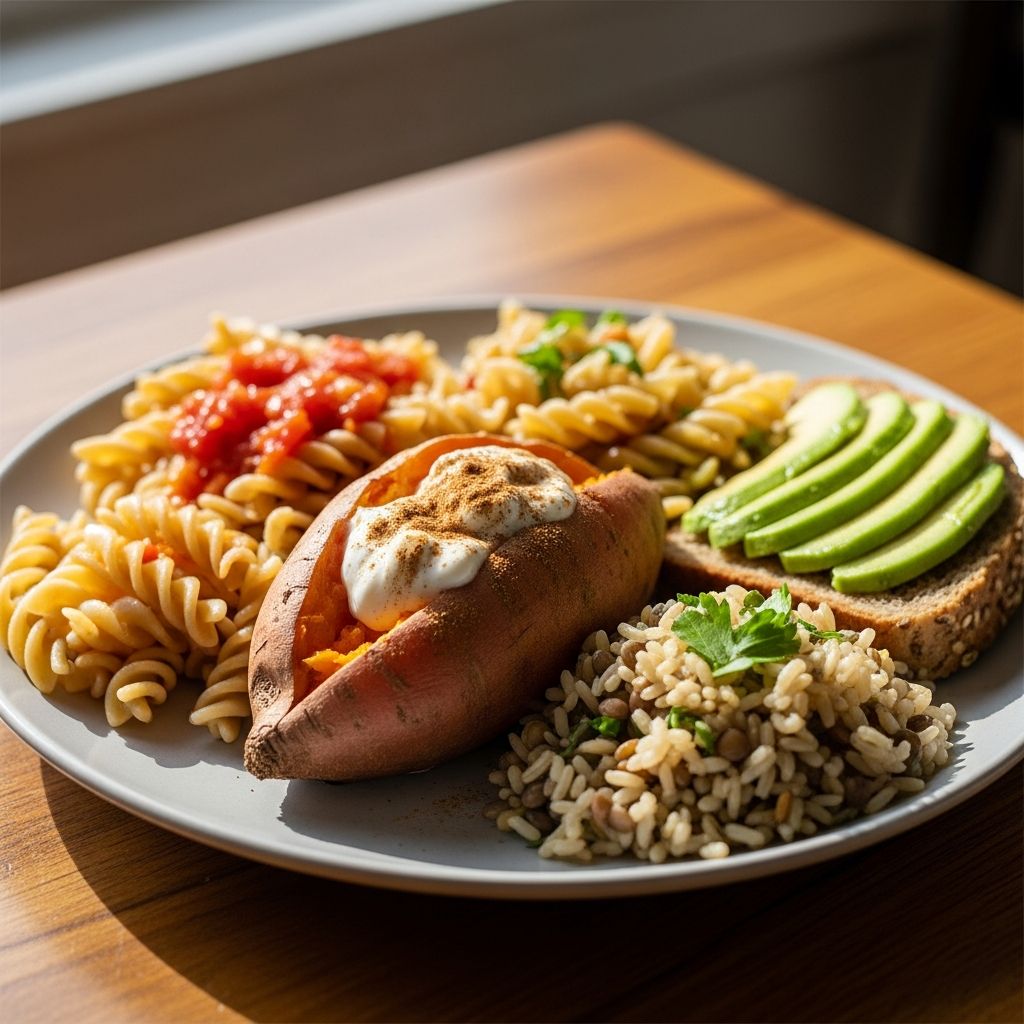
Carbohydrates often get a bad rap in diabetes management, labeled as enemies that spike blood sugar. However, not all carbs are created equal, and even those considered ‘bad’—like potatoes, white rice, and certain fruits—can be incorporated into a diabetes-friendly diet when consumed thoughtfully. Registered dietitians emphasize that the key lies in portion control, food pairing, and understanding glycemic index (GI), which measures how quickly foods raise blood sugar. Complex carbs from whole sources provide sustained energy and fiber, helping prevent insulin resistance associated with type 2 diabetes. This article explores seven ‘bad’ carbs that can actually support your health goals.
What Makes a Carb ‘Bad’ for Diabetes?
In diabetes care, ‘bad’ carbs typically refer to refined or high-GI foods that cause rapid blood sugar spikes, such as white bread or sugary drinks. Yet, foods like potatoes and white rice are often unfairly demonized despite offering key nutrients. The CDC notes that complex carbs, including starchy vegetables and whole grains, digest slowly due to fiber, minimizing blood sugar impact. Research shows low-GI diets help control type 2 diabetes and aid weight loss. Quality matters more than total avoidance: whole grains, legumes, and even some refined options in moderation reduce T2D risk compared to high refined carb intake.
1. Potatoes
Potatoes top the list of vilified carbs due to their high GI (around 80-90 when boiled), but they shouldn’t be banned from diabetes plates. A medium baked potato provides 37g carbs, 4g fiber, vitamin C, potassium, and B6—nutrients supporting heart health and blood pressure control crucial for diabetics. Studies link potato consumption to better metabolic outcomes when paired correctly.
To enjoy potatoes without spikes:
- Opt for cooled preparations: Cooking and chilling forms resistant starch, lowering GI significantly.
- Pair with protein and fat: Add skinless chicken or olive oil to slow digestion.
- Control portions: Limit to half a medium potato (15-20g carbs) per meal.
One study found resistant starch in cooled potatoes improves insulin sensitivity, mimicking fiber’s benefits. Skip frying to avoid added fats that complicate diabetes management.
2. White Rice
White rice, refined from brown rice, has a high GI (70+), raising concerns for Asians where it’s a staple. Yet, in moderation, it delivers quick energy without the excess calories of processed snacks. A half-cup cooked provides 22g carbs, some B vitamins, and is easily digestible for those with gut issues common in diabetes.
Strategies for safe inclusion:
- Mix with veggies and protein: Cauliflower rice blends or veggie stir-fries bulk it up fiber-wise.
- Choose cooled leftovers: Like potatoes, refrigeration creates resistant starch, cutting GI by 50%.
- Portion wisely: Stick to 1/3 cup cooked (15g carbs), per ADA plate method.
Prospective studies show white rice increases T2D risk only in excess; brown rice lowers it, but tailored moderation prevents issues. Virtua Health recommends it as a power carb when balanced.
3. Bananas
Ripe bananas’ high sugar content (14g per medium fruit) and GI (50-60) make them seem risky, but their fiber, potassium, and vitamin C aid digestion and heart health. Unripe (green) bananas have more resistant starch, acting like fiber to blunt sugar release.
- Timing: Eat half with nut butter or Greek yogurt for fat/protein synergy.
- Pairing: Combine with berries or chia seeds to lower overall meal GI.
- Portion: Half banana (15g carbs) fits most plans.
Related Stories



Research confirms whole fruits like bananas reduce T2D risk versus juices, thanks to fiber slowing absorption.
4. Grapes
Grapes pack 15g carbs per 3/4 cup with a moderate GI (45-50), but antioxidants like resveratrol support vascular health vital for diabetics. Their water content hydrates, and natural sugars are better than refined.
- Fresh over dried: Avoid raisins’ concentrated sugars.
- Pre-portion: 15 grapes equal 15g carbs.
- Pair: Cheese or nuts stabilize blood sugar.
Meta-analyses link low-GI fruits to lower diabetes and heart risks.
5. Pasta
Regular white pasta (GI 50) digests faster than whole wheat, but al dente cooking and protein toppings make it manageable. One cup cooked: 40g carbs, some protein.
- Cook al dente: Firmer texture slows digestion.
- Top smartly: Tomato sauce, lean meats, veggies.
- Portion: 1/3 cup cooked (15g carbs).
Low-GI pasta improves glycemic control short-term.
6. Corn
Corn’s 25g carbs per ear and GI (55) are offset by fiber, lutein for eyes, and folate.
- Whole cob over processed.
- Pair with beans for complete protein.
- Limit to half ear.
Starchy veggies like corn suit diabetes when portioned.
7. Watermelon
Low-calorie (11g carbs/cup) with GI 72, but high water (92%) and lycopene benefit kidneys.
- 1 cup diced max.
- Yogurt dip.
- Fresh only.
Hydrating fruits prevent dehydration-related spikes.
Carb Counting and Plate Method for Diabetes
ADA’s plate method: 1/2 non-starchy veggies, 1/4 protein, 1/4 carbs. Track via apps; aim 45-60g/meal. Glycemic load (GL) better predicts impact than GI.
| Carb Food | Serving Size | Carbs (g) | GI | Tip |
|---|---|---|---|---|
| Potato | 1/2 medium | 15-20 | 80 | Cool it |
| White Rice | 1/3 cup | 15 | 70 | Mix veggies |
| Banana | 1/2 medium | 15 | 55 | Nut butter |
| Grapes | 15 grapes | 15 | 50 | With cheese |
| Pasta | 1/3 cup | 15 | 50 | Al dente |
| Corn | 1/2 ear | 15 | 55 | With beans |
| Watermelon | 1 cup | 11 | 72 | Yogurt dip |
Frequently Asked Questions (FAQs)
Can people with diabetes eat potatoes?
Yes, in cooled, small portions paired with protein/fat to lower GI.
Is white rice okay for diabetes?
Moderation with fiber-rich mixes; resistant starch from leftovers helps.
Are bananas bad for blood sugar?
Half with nuts is fine; fiber moderates impact.
How much fruit can diabetics eat?
2-3 servings/day, whole forms preferred.
What’s the best pasta for diabetes?
Al dente regular or whole grain, portioned.
References
- Are excess carbohydrates the main link to diabetes & its complications? — PMC/NCBI. 2019-03-01. https://pmc.ncbi.nlm.nih.gov/articles/PMC6366262/
- 6 Healthy Carbs for People with Diabetes — Virtua Health. 2020-11-03. https://www.virtua.org/articles/power-carbs-for-people-with-diabetes
- Choosing Healthy Carbs | Diabetes | CDC — CDC. n.d. https://www.cdc.gov/diabetes/healthy-eating/choosing-healthy-carbs.html
- Good Carbs vs. Bad Carbs | Diabetes & Nutrition — OneTouch. n.d. https://onetouch.ca/diabetes-resources/healthy-living/showdown-carbs
- Carbs and Diabetes | ADA — American Diabetes Association. n.d. https://diabetes.org/food-nutrition/understanding-carbs
- Carbohydrates and Blood Sugar — Harvard T.H. Chan School of Public Health. n.d. https://nutritionsource.hsph.harvard.edu/carbohydrates/carbohydrates-and-blood-sugar/
Similar Articles








Read full bio of medha deb