Bad Carbs: 7 Starchy Foods You Should Eat
Discover seven carbohydrate-rich foods labeled as 'bad' that deliver essential nutrients, fiber, and health benefits when enjoyed mindfully.
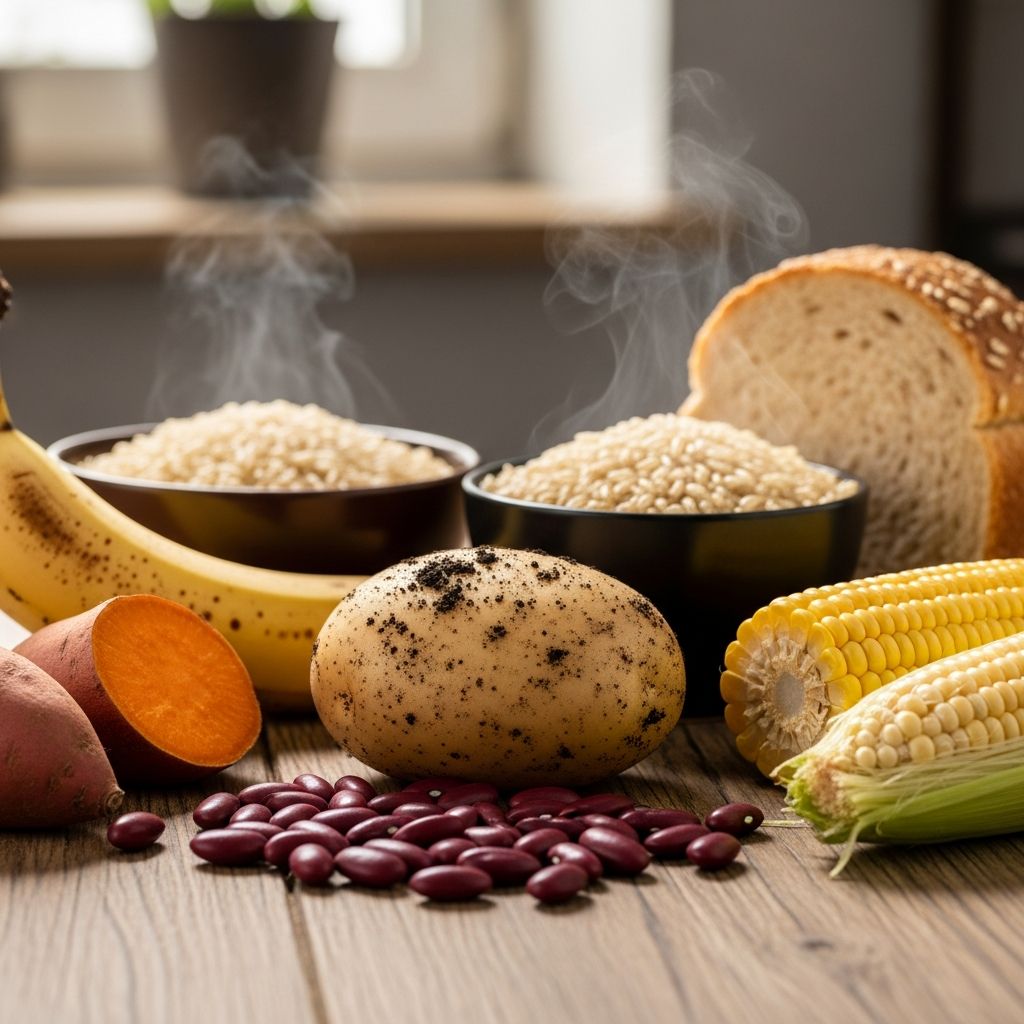
Carbohydrates have long been vilified in popular diet culture, often labeled as the enemy of weight loss and health. However, not all carbs deserve this bad reputation. Many so-called ‘bad’ carbs—those high in starch or refined grains—offer significant nutritional value when consumed as part of a balanced diet. These foods provide essential energy, fiber, vitamins, and minerals that support overall wellness, blood sugar management, and digestive health. This article explores seven carbohydrate-rich foods commonly shunned, explaining their benefits, nutritional profiles, and smart ways to incorporate them, drawing from authoritative health guidelines.
What Makes a Carb ‘Bad’—and Why That’s Misleading
The distinction between ‘good’ and ‘bad’ carbs often hinges on processing and fiber content. Simple carbs from sugary drinks or refined sweets spike blood sugar rapidly, leading to energy crashes and health issues. Complex carbs, including starches in potatoes and grains, digest more slowly, providing steady energy. Health experts from the CDC emphasize choosing carbs with fiber and nutrients for minimal blood sugar impact. Similarly, Mayo Clinic recommends at least 130 grams of carbs daily for bodily functions, prioritizing whole sources but not excluding starches. The NHS advises starchy foods like potatoes and grains make up over a third of your plate for fiber and satiety. Mislabeling nutrient-dense starches as ‘bad’ overlooks their role in a healthy diet.
1. White Potatoes
White potatoes top many ‘avoid’ lists due to their high glycemic index, but they’re nutrient powerhouses. A medium baked potato (173g) delivers 37g carbs, 4g fiber, 5g protein, vitamin C (27mg, 30% DV), potassium (926mg, 20% DV), and B6 for metabolism. Their resistant starch acts like fiber, feeding gut bacteria and stabilizing blood sugar when cooled post-cooking. Unlike processed chips, whole potatoes with skin promote fullness and heart health via potassium, reducing stroke risk. Pro tip: Bake, boil, or steam with skin on; pair with protein like Greek yogurt for balanced meals.
- Nutrition per medium potato: 161 calories, 4g fiber, 4g protein.
- Health perks: Supports digestion, muscle function, immune health.
- Recipe idea: Loaded baked potato with broccoli, salsa, and beans.
2. White Rice
Often demonized versus brown rice, white rice is easier to digest and provides quick energy, especially for athletes or those with gut sensitivities. One cup cooked (158g) offers 45g carbs, 0.6g fiber, and 4g protein, plus manganese for bone health. When paired with fiber-rich veggies and proteins, it doesn’t spike blood sugar excessively. In many cultures, it’s a dietary staple without obesity epidemics. Opt for parboiled varieties for more nutrients retained in the husk. Pro tip: Rinse before cooking to reduce arsenic; combine with stir-fried vegetables and lean protein.
- Key benefits: Gentle on digestion, versatile base for nutrient-dense meals.
- Comparison table:
| Variety | Carbs (per cup) | Fiber | Glycemic Impact |
|---|---|---|---|
| White Rice | 45g | 0.6g | Moderate with pairings |
| Brown Rice | 45g | 3.5g | Lower |
3. Pasta
Regular white pasta gets a bad rap for refinement, but it’s fortified with iron and B vitamins, offering 43g carbs per cup cooked with just 1g fiber. Its low fat and high energy make it ideal for active lifestyles. Al dente cooking lowers glycemic response, and protein pairings enhance satiety. Studies show pasta eaters often have healthier weights due to portion control in Mediterranean diets. Pro tip: Choose whole wheat occasionally, but enjoy white for variety; top with tomato sauce, veggies, and seafood.
Related Stories



- Daily role: Quick energy for workouts, comforting yet balanced.
- Variations: Chickpea pasta for extra protein boost.
4. Corn
Fresh corn or popcorn provides lutein for eye health and antioxidants. One cup kernels (166g) has 29g carbs, 4g fiber, and zeaxanthin protecting against age-related macular degeneration. Whole corn is a complex carb that sustains energy without extremes. Air-popped popcorn is a low-calorie, high-volume snack with 3g fiber per 3 cups. Pro tip: Grill fresh corn on the cob; skip butter overload.
5. Bananas
High-sugar fruit? Yes, but unripe bananas contain resistant starch converting to short-chain fatty acids for gut health. Medium banana: 27g carbs, 3g fiber, potassium (422mg). Ideal pre-workout fuel. Pro tip: Eat with nut butter to blunt sugar rise.
6. Watermelon
92% water with 12g carbs per cup, lycopene fights inflammation. Hydrating and low-calorie for summer. Pro tip: Cube for salads with feta and mint.
7. Dried Fruit
Concentrated nutrients: 1/4 cup raisins yield 32g carbs, 2g fiber, iron. Portion control key to avoid excess sugar. Pro tip: Mix into oatmeal or trail mix.
How to Incorporate These Carbs Smartly
Timing matters: Eat before/after workouts for energy. Pair with proteins, fats, veggies to stabilize blood sugar. Aim for whole forms, moderation (15g carb servings). NHS recommends starchy foods as diet base.
- Breakfast: Oatmeal with banana.
- Lunch: Potato salad with greens.
- Dinner: Pasta primavera.
- Snacks: Popcorn or dried fruit handfuls.
Common Myths Busted
| Myth | Fact |
|---|---|
| All carbs cause weight gain | Fiber-rich carbs promote satiety |
| White > Brown always | Depends on needs; white easier digest |
| Carbs bad for diabetes | Complex carbs manageable with portions |
Frequently Asked Questions (FAQs)
What are the healthiest carbs to eat daily?
Focus on complex carbs like whole grains, potatoes with skin, legumes, and fruits for fiber and nutrients.
Can ‘bad’ carbs fit a low-carb diet?
In moderation, yes—pair with proteins and monitor portions for blood sugar control.
How many carbs do I need daily?
At least 130g for brain function; 45-65% calories from carbs recommended.
Are potatoes healthier than rice?
Both valuable; potatoes excel in potassium, rice in digestibility.
Is fruit sugar bad?
No, with fiber it provides steady energy unlike added sugars.
References
- Carbs: A Guide to the Good and the Bad — CCS Medical, Amanda Tovar RDN. 2023. https://ccsmed.com/education/carbs-a-guide-to-the-good-and-the-bad/
- Choosing Healthy Carbs — Centers for Disease Control and Prevention (CDC). 2024-01-15. https://www.cdc.gov/diabetes/healthy-eating/choosing-healthy-carbs.html
- Starchy foods and carbohydrates — National Health Service (NHS). 2025-06-10. https://www.nhs.uk/live-well/eat-well/food-types/starchy-foods-and-carbohydrates/
- Carbohydrates: How carbs fit into a healthy diet — Mayo Clinic. 2024-11-20. https://www.mayoclinic.org/healthy-lifestyle/nutrition-and-healthy-eating/in-depth/carbohydrates/art-20045705
Similar Articles








Read full bio of medha deb