Bad Foods That Are Actually Incredible for Your Gut
Discover surprising 'bad' foods that boost gut health, backed by science on fiber, fermentation, and microbiome benefits.
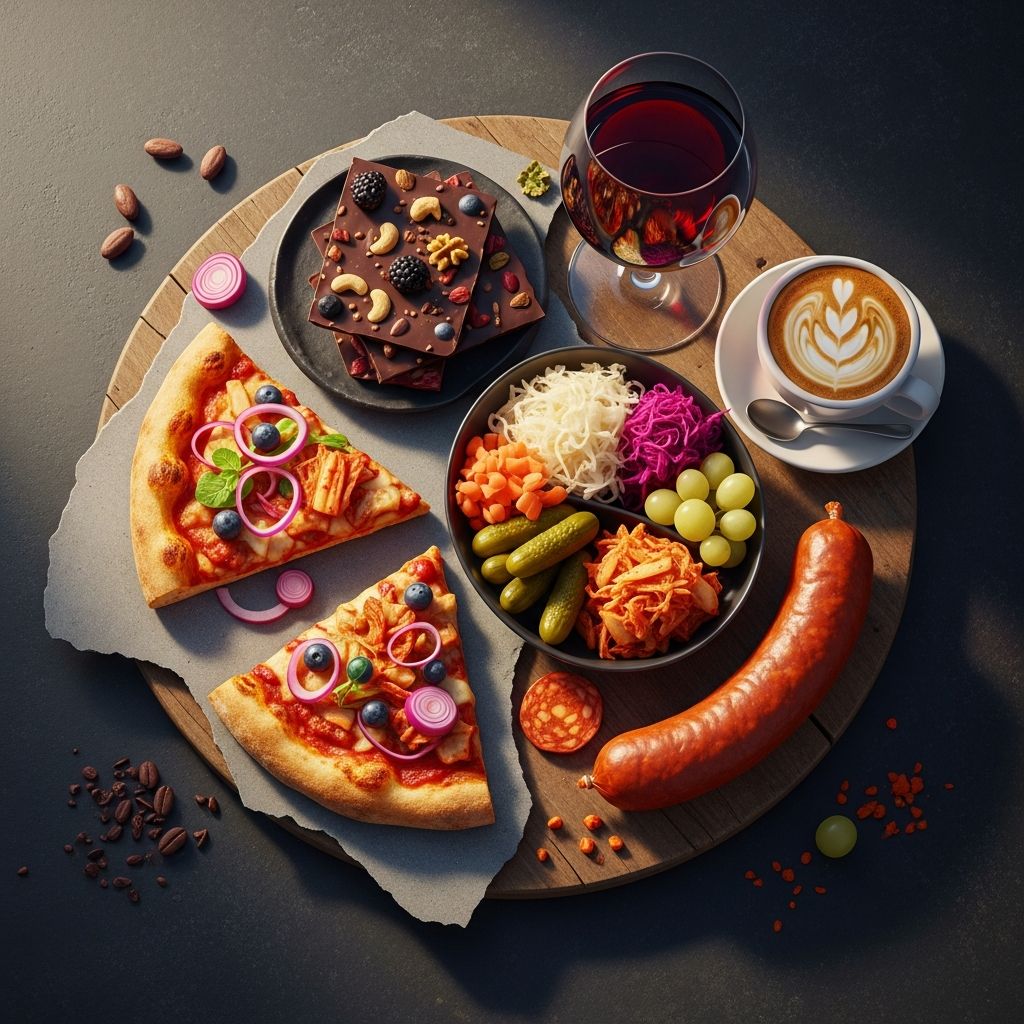
Many foods labeled as ‘bad’ for health—think chocolate, cheese, and fried items—actually provide remarkable benefits to your gut microbiome when consumed thoughtfully. These foods deliver prebiotics, probiotics, and resistant starches that feed beneficial bacteria, reduce inflammation, and enhance digestion.
What Is Gut Health, and Why Does It Matter?
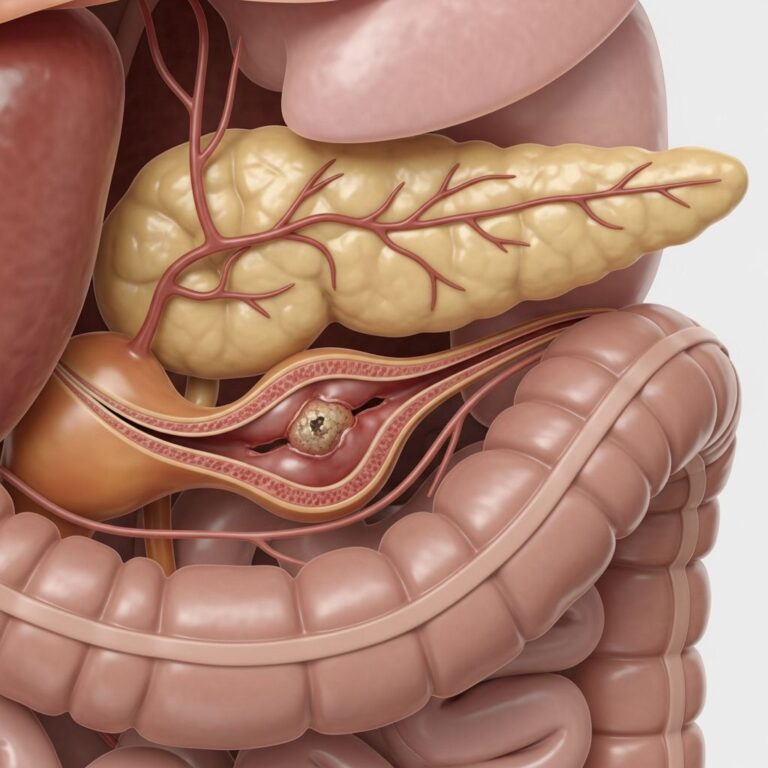
Your gut microbiome consists of trillions of microorganisms that influence digestion, immunity, metabolism, and even mood. A balanced microbiome supports nutrient absorption, produces short-chain fatty acids (SCFAs) for gut lining integrity, and prevents pathogenic overgrowth. Diets rich in diverse fibers promote microbial diversity, lowering risks of metabolic disorders and inflammation.
Unbalanced diets high in processed sugars disrupt this balance, favoring harmful bacteria like Firmicutes over beneficial Bacteroidetes, leading to reduced SCFA production and increased disease risk. Conversely, certain ‘indulgent’ foods restore harmony.
1. Dark Chocolate
Dark chocolate (70% cocoa or higher) is packed with polyphenols, compounds that act as prebiotics. These feed beneficial Bifidobacteria and Lactobacilli, increasing microbial diversity and SCFA production. Studies show polyphenol-rich chocolate improves gut barrier function and reduces inflammation markers.
- Key Benefits: Boosts good bacteria growth; antioxidants protect gut lining.
- How to Enjoy: 1-2 ounces daily; pair with nuts for added fiber.
- Caveat: Avoid milk chocolate due to high sugar content that harms microbiome balance.
Research confirms flavanols in dark chocolate enhance gut microbiota composition, supporting metabolic health.
2. Full-Fat Cheese
Unlike low-fat versions, full-fat cheeses like cheddar, gouda, and parmesan contain probiotics from fermentation and conjugated linoleic acid (CLA), which modulates gut bacteria favorably. They also provide butyrate precursors, a SCFA that nourishes colon cells.
- Microbiome Impact: Live cultures survive digestion, colonizing the gut.
- Portion Tip: 1-2 ounces; aged varieties have higher probiotic counts.
- For Lactose-Intolerant: Hard cheeses have minimal lactose, making them gut-friendly.
A Harvard-linked study notes fermented dairy shifts microbiota toward anti-inflammatory profiles when not overconsumed.
3. Potatoes (Especially Fried or Cold)
Potatoes are rich in resistant starch (RS), especially when cooled after cooking or lightly fried in healthy oils. RS ferments in the large intestine, producing butyrate and feeding Akkermansia muciniphila, a keystone species for gut barrier integrity.
| Potato Prep | RS Content | Gut Benefit |
|---|---|---|
| Boiled then cooled | High | Boosts butyrate 2-3x |
| Baked/fried | Moderate-High | Improves diversity |
| Mashed hot | Low | Minimal fermentation |
Resistant starch from potatoes rivals fiber supplements for microbiome support, countering myths of potatoes as empty carbs.
4. Red Meat (Grass-Fed, Moderate Amounts)
Grass-fed red meat supplies L-carnitine and heme iron, which certain gut bacteria convert to beneficial metabolites. It also provides vitamin B12 for microbial synthesis. Moderation prevents excess Bilophila growth seen in overconsumption.
- Optimal Choice: Lean cuts, 3-4 oz servings 2-3x/week.
- Gut Synergy: Pair with fiber-rich veggies to balance bile acids.
Studies show balanced intake maintains Firmicutes-Bacteroidetes ratio without inflammation spikes.
5. Coffee
Coffee’s chlorogenic acids and fiber-like compounds promote Bifidobacteria growth and SCFA production. It stimulates gut motility, aiding regularity without laxative dependency.
Related Stories



- Daily Dose: 2-3 cups black; avoid sugary additives.
- Evidence: Linked to diverse microbiota and lower IBD risk.
6. Fermented Foods (Beyond Yogurt)
Sauerkraut, kimchi, and kefir introduce live probiotics, crowding out pathogens. These boost diversity more than supplements.
- Kombucha: Polyphenols + probiotics.
- Miso: Supports anti-inflammatory strains.
7. Bread (Sourdough)
Sourdough’s long fermentation reduces gluten and FODMAPs, producing prebiotic oligosaccharides. Easier on digestion than commercial bread.
8. Popcorn
Whole-grain popcorn offers insoluble fiber for bulk and butyrate precursors. Air-popped avoids fried pitfalls.
9. Wine (Red, Moderate)
Resveratrol and polyphenols mimic dark chocolate’s prebiotic effects. 1 glass/day linked to better microbial diversity.
10. Eggs
Choline supports neurotransmitter-producing bacteria. Yolks provide healthy fats for absorption.
How These Foods Support Your Gut Microbiome
These foods provide:
- Prebiotics: Fibers/polyphenols feeding good bacteria.
- Probiotics: Live microbes from fermentation.
- Postbiotics: SCFAs like butyrate for repair.
Collectively, they enhance diversity, reduce leaky gut risk, and improve immunity.
Potential Downsides and Moderation Tips
Overindulgence flips benefits: excess fat promotes inflammation. Balance with plants (30+ types/week).
- Track portions: 80/20 rule (healthy base).
- Hydrate: Supports fermentation.
- Listen to body: Adjust for sensitivities.
Frequently Asked Questions (FAQs)
Is dark chocolate really good for my gut?
Yes, high-cocoa varieties feed beneficial bacteria via polyphenols, improving diversity.
Can fried potatoes benefit gut health?
Yes, resistant starch survives frying/cooling, producing butyrate for colon health.
Is full-fat cheese better than low-fat for microbiome?
Yes, probiotics and fats support bacterial balance; low-fat often has additives.
How much red meat is safe for gut health?
3-4 oz grass-fed, 2-3x/week, paired with fiber.
Does coffee harm or help the gut?
Helps: Promotes motility and good bacteria growth.
Meal Ideas Incorporating Gut-Boosting ‘Bad’ Foods
- Breakfast: Sourdough toast with full-fat cheese, eggs.
- Lunch: Grass-fed beef salad with sauerkraut.
- Snack: Dark chocolate + popcorn.
- Dinner: Baked potato (cooled) with steak, red wine.
These integrate benefits seamlessly.
References
- 9 of The Worst Foods for Gut Health — Gaia Herbs. 2023. https://www.gaiaherbs.com/blogs/seeds-of-knowledge/worst-foods-gut-health
- Best & Worst Foods for Gut Health — Patagonia Provisions. 2024. https://www.patagoniaprovisions.com/blogs/learn/best-and-worst-foods-for-gut-health
- Impact of diet on human gut microbiome and disease risk — PMC (NCBI). 2021-05-27. https://pmc.ncbi.nlm.nih.gov/articles/PMC8138677/
- Eating For a Healthy Microbiome — badgut.org. 2023. https://badgut.org/information-centre/health-nutrition/eating-for-a-healthy-microbiome/
- The Microbiome Diet: Can It Restore Your Gut Health? — Healthline. 2024. https://www.healthline.com/nutrition/microbiome-diet
- 14 Foods to Reset Your Digestive System — Duke Health. 2023. https://www.dukehealth.org/blog/14-foods-reset-your-digestive-system
Similar Articles








Read full bio of Sneha Tete