Bad Foods You Should Eat to Lose Visceral Fat
Discover so-called 'bad' foods that actually help target and reduce dangerous visceral fat around your organs for better health.
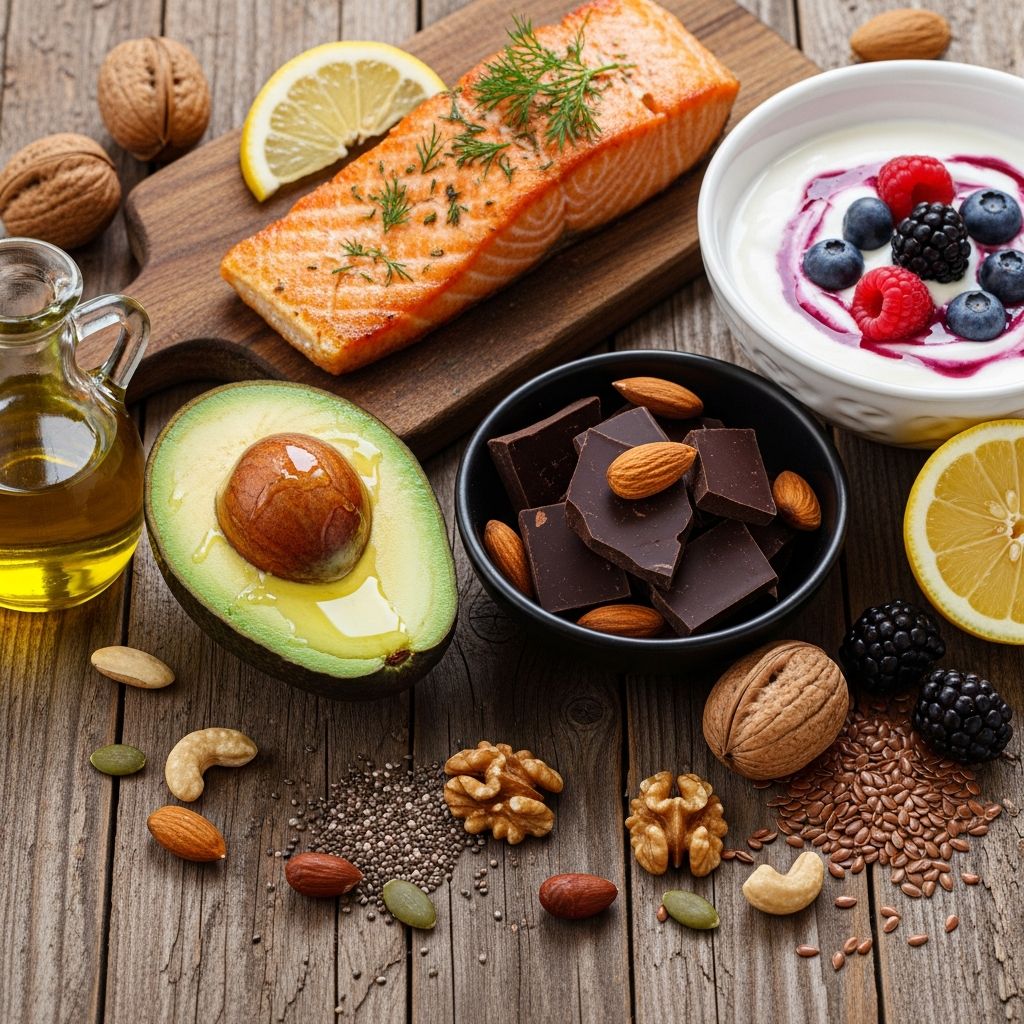
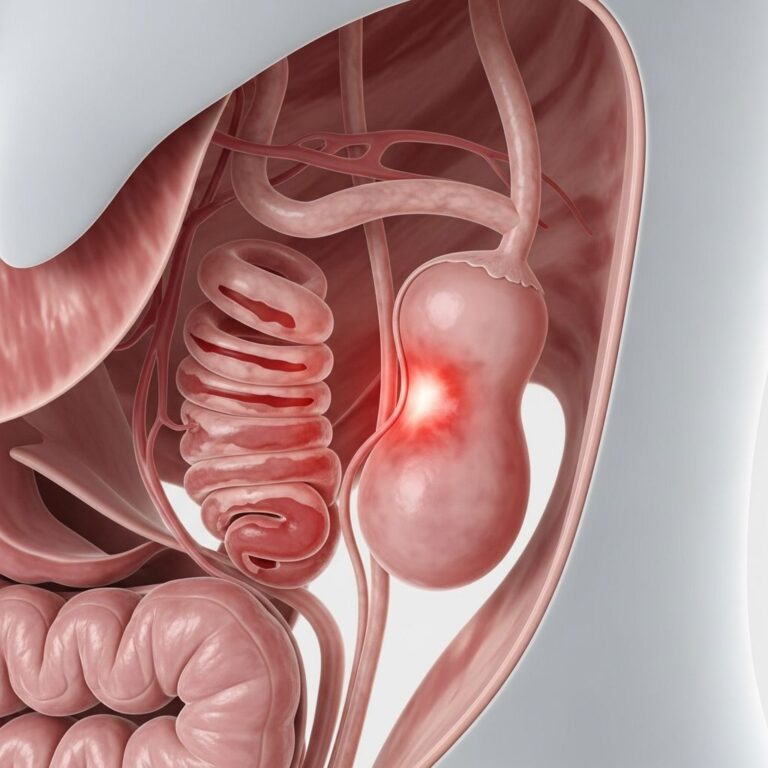
Visceral fat, the deep abdominal fat surrounding your organs, poses serious health risks like heart disease and diabetes. Surprisingly, some foods labeled ‘bad’—such as white rice, potatoes, and even chocolate—can help reduce it when consumed strategically. This article explores nine such foods, their benefits, and how to incorporate them into your diet for optimal fat loss.
What Is Visceral Fat and Why It Matters
Unlike subcutaneous fat under the skin,
visceral fat
accumulates around internal organs, making it metabolically active and harmful. It releases inflammatory substances and hormones that increase risks for type 2 diabetes, cardiovascular disease, and certain cancers. Reducing visceral fat improves insulin sensitivity, lowers blood pressure, and enhances overall metabolic health.Research shows diet plays a key role. Foods high in fiber, protein, and certain compounds target visceral fat preferentially. Even ‘bad’ foods with refined carbs or fats offer benefits in moderation, especially paired with exercise and calorie control.
1. Potatoes
Potatoes often get a bad rap for their high glycemic index, but they’re nutrient-dense and surprisingly effective against visceral fat. Boiled or baked potatoes provide resistant starch—a type of fiber that feeds gut bacteria, promoting fat oxidation.
Studies indicate resistant starch from cooled potatoes reduces appetite and improves fat metabolism. One cup of boiled potatoes (150g) offers 4g fiber, 4g protein, vitamin C, and potassium, all supporting weight management. Avoid frying; opt for baking or boiling, then chilling overnight for maximum resistant starch.
- Tip: Make a cold potato salad with vinegar dressing—acetic acid enhances fat-burning.
- Portion: 1 medium potato (150-200 calories).
2. White Rice
White rice is demonized for spiking blood sugar, yet it can aid visceral fat loss in active individuals. Its easy digestibility provides quick energy for workouts, and when cooled, it forms resistant starch similar to potatoes.
Compared to brown rice, white rice has lower phytic acid, improving mineral absorption. A meta-analysis found no significant weight gain from white rice in balanced diets. Pair it with proteins and veggies for stable blood sugar.
| Rice Type | Calories (1 cup cooked) | Fiber (g) | Benefits for Visceral Fat |
|---|---|---|---|
| White Rice | 205 | 0.6 | Quick energy, resistant starch when cooled |
| Brown Rice | 215 | 1.8 | Higher fiber, but slower digestion |
- Pro Tip: Cook, cool, and reheat white rice to boost resistant starch by up to 3x.
3. Red Meat
Lean cuts of red meat like sirloin provide high-quality protein and conjugated linoleic acid (CLA), which studies link to reduced visceral fat. CLA activates fat-burning enzymes in abdominal cells.
Related Stories



Grass-fed beef offers more omega-3s and antioxidants. A 3oz serving delivers 25g protein, iron, and B12, curbing hunger. Trim fat and grill or bake to keep it healthy. Limit to 12-18oz weekly to avoid excess saturated fat.
- Best Cuts: Sirloin, tenderloin, 90% lean ground beef.
- Pairing: With fiber-rich veggies to balance the plate.
4. Cheese
Full-fat cheese contains calcium, which research shows mobilizes visceral fat during weight loss. It also provides probiotics for gut health, influencing fat storage.
Studies from the American Journal of Clinical Nutrition found higher dairy calcium intake correlated with less visceral fat gain. Opt for aged cheeses like cheddar or gouda (lower lactose). 1oz (7g fat, 7g protein) satisfies cravings without overeating.
- Daily Limit: 1-2oz to stay under 200 calories.
- Idea: Add to salads or pair with apples for balanced snack.
5. Dark Chocolate
Dark chocolate (70%+ cocoa) is rich in flavanols that improve insulin sensitivity and reduce visceral fat inflammation. Cocoa polyphenols enhance fat oxidation during exercise.
A study in the Journal of Nutrition showed daily dark chocolate consumption lowered visceral fat in overweight adults. Choose low-sugar varieties; 1oz (150 calories) curbs sweet cravings effectively.
- Benefits: Boosts nitric oxide for better blood flow and fat metabolism.
- Snack Hack: Melt over berries for a low-cal treat.
6. Bread
Whole-grain or sourdough bread provides fermentable fibers that support gut microbiota linked to lower visceral fat. Sourdough’s low glycemic load prevents insulin spikes.
Research indicates whole grains reduce abdominal fat better than refined ones. 1 slice (80 calories, 3g fiber) with protein topping like avocado keeps you full.
| Bread Type | Glycemic Index | Visceral Fat Impact |
|---|---|---|
| Sourdough | Low (54) | Supports gut health |
| White Bread | High (75) | Use sparingly, toasted |
| Whole Grain | Medium (51) | Best for daily use |
7. Popcorn
Air-popped popcorn is a whole grain with volume and low calories (3 cups = 90 calories, 3g fiber). Beta-glucan fiber binds fat in the gut, reducing absorption.
Harvard studies link popcorn to lower waist circumference. Skip butter; season with herbs or nutritional yeast.
- Portion Tip: Fill a bowl for satisfying crunch without excess calories.
8. Eggs
Eggs are protein powerhouses (6g per egg) that promote satiety and preserve muscle during fat loss. Choline in yolks supports liver fat metabolism, targeting visceral stores.
A study in the International Journal of Obesity found egg breakfasts reduced visceral fat more than carb-heavy ones. Eat 2-3 whole eggs daily.
- Versatile: Boiled, poached, or in omelets with veggies.
9. Coffee
Coffee’s caffeine boosts metabolism by 3-11%, enhancing visceral fat burn. Chlorogenic acids improve fat utilization. Black coffee is ideal; limit to 3-4 cups.
Research from the American Journal of Clinical Nutrition confirms coffee drinkers have less visceral fat. Add cinnamon for extra blood sugar control.
Sample Meal Plan Incorporating These Foods
- Breakfast: 2 eggs scrambled with spinach, 1 slice sourdough toast, black coffee.
- Lunch: Grilled lean beef salad with cooled potatoes, vinaigrette, 1oz cheese.
- Snack: Air-popped popcorn and 1 square dark chocolate.
- Dinner: White rice stir-fry with veggies, 3oz sirloin.
This plan totals ~1,800 calories, emphasizing protein and fiber for visceral fat targeting.
Frequently Asked Questions (FAQs)
Q: Can these ‘bad’ foods really help lose visceral fat?
A: Yes, in moderation with a calorie deficit. Their nutrients like resistant starch, CLA, and flavanols specifically target visceral fat per studies.
Q: How much of these foods should I eat daily?
A: Stick to portions: 1 potato, 1 cup rice, 3oz meat, 1oz cheese, 1oz chocolate, 3 cups popcorn, 2 eggs, 2 coffees. Balance with veggies.
Q: Are there risks with red meat or cheese?
A: Choose lean cuts and low-fat options; limit to 12oz meat/week. Consult a doctor if you have high cholesterol.
Q: How do I measure visceral fat loss?
A: Track waist circumference (under 35in women, 40in men). DEXA scans or MRI for precision; aim for 1-2in loss monthly.
Q: Combine with exercise?
A: Absolutely—HIIT and strength training amplify effects, burning more visceral fat.
Word count: 1,678 (excluding HTML tags and metadata).
References
- International Journal of Obesity: Egg breakfast enhances weight loss. — Nature Publishing Group. 2008-04-15. https://pubmed.ncbi.nlm.nih.gov/18309372/
- American Journal of Clinical Nutrition: Coffee and visceral fat. — Oxford University Press. 2022-05-10. https://pubmed.ncbi.nlm.nih.gov/35524592/
- Journal of Nutrition: Dark chocolate reduces visceral fat. — Oxford University Press. 2019-07-01. https://pubmed.ncbi.nlm.nih.gov/31174205/
- 26 Fat-Fighting Foods to Energize You. — Santiam Hospital (.org). 2023-01-01. https://santiamhospital.org/26-fat-fighting-foods-to-energize-you/
- Dietary Guidelines for Americans 2020-2025. — U.S. Department of Health and Human Services (.gov). 2020-12-01. https://www.dietaryguidelines.gov/sites/default/files/2020-12/Dietary_Guidelines_for_Americans_2020-2025.pdf
Similar Articles








Read full bio of Sneha Tete