Bad Fruit That Can Improve Insulin Resistance
Discover how this so-called 'bad' fruit can surprisingly enhance insulin sensitivity and support metabolic health.
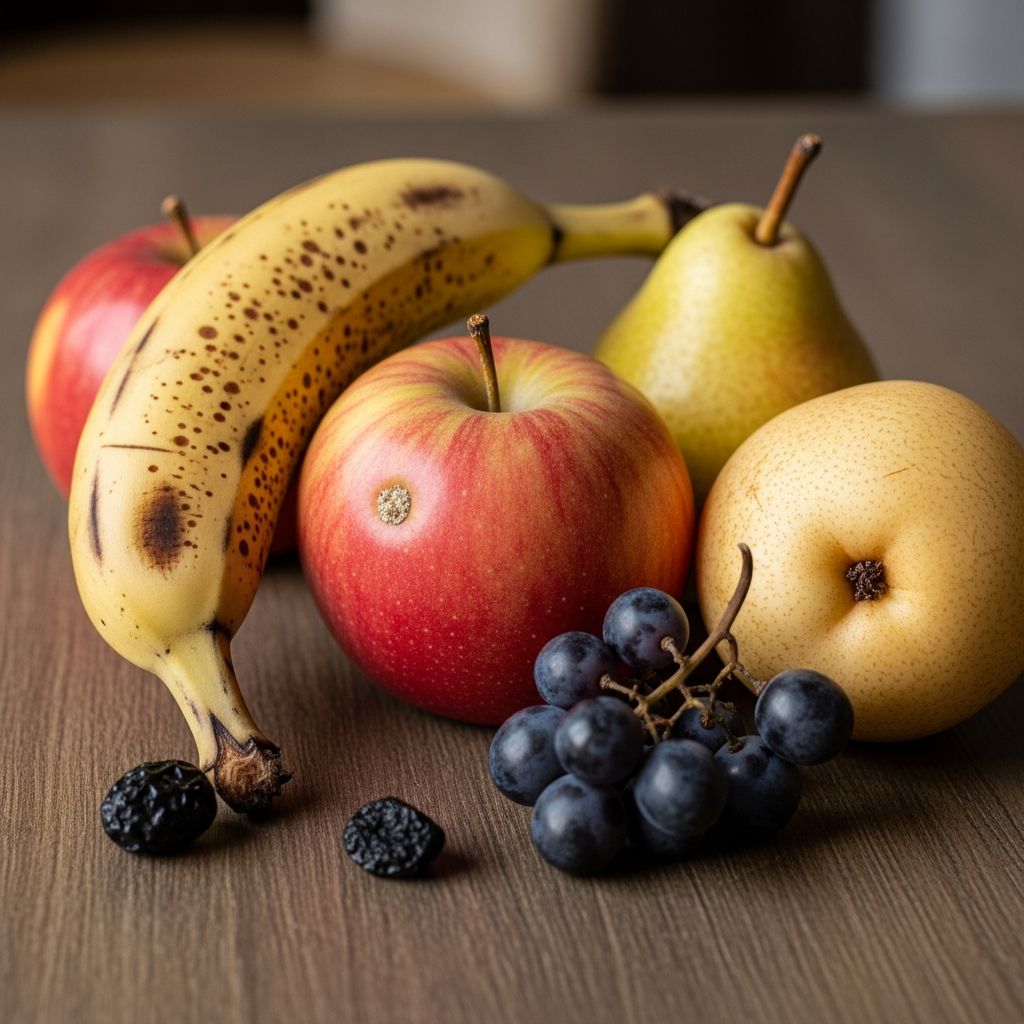
Bananas, frequently vilified for their high sugar content, can actually help improve insulin resistance when consumed mindfully as part of a balanced diet. Despite their natural sugars, the fruit’s rich fiber, potassium, and antioxidants contribute to better blood sugar regulation and metabolic health.
What Is Insulin Resistance?
Insulin resistance occurs when cells in muscles, fat, and liver don’t respond effectively to insulin, leading to elevated blood sugar levels. This condition is a precursor to type 2 diabetes, affecting millions worldwide. Factors like obesity, sedentary lifestyle, and poor diet exacerbate it, but dietary choices, including certain fruits, can mitigate risks.
Understanding insulin resistance is crucial for managing prediabetes and diabetes. It impairs the body’s ability to use glucose for energy, forcing the pancreas to produce more insulin. Over time, this leads to hyperinsulinemia and potential beta-cell exhaustion.
Why Are Bananas Considered ‘Bad’ for Blood Sugar?
Bananas top the list of fruits scrutinized for blood sugar management due to their carbohydrate content, primarily from natural sugars like fructose and glucose. A medium banana contains about 27 grams of carbs, with a glycemic index (GI) ranging from 42 (unripe) to 62 (ripe), potentially causing quicker blood sugar spikes compared to low-GI berries.
Critics argue that high-GI fruits like ripe bananas contribute to postprandial glucose surges, worsening insulin resistance. Fruit juices or dried bananas amplify this issue by concentrating sugars without fiber. However, whole bananas retain their peel-derived benefits during eating, moderating absorption.
The Surprising Benefits of Bananas for Insulin Sensitivity
Contrary to common belief, bananas offer unique advantages for insulin resistance. Their resistant starch in unripe forms acts like fiber, slowing digestion and stabilizing blood sugar. Studies link regular fruit intake, including bananas, to lower type 2 diabetes (T2D) risk.
- Resistant Starch: Green bananas contain up to 80% resistant starch, which ferments in the gut, producing short-chain fatty acids that enhance insulin sensitivity.
- Potassium and Magnesium: These minerals support cellular insulin signaling and reduce inflammation.
- Antioxidants: Polyphenols combat oxidative stress, a key driver of insulin resistance.
- Fiber Content: Soluble pectin forms a gel in the gut, delaying sugar absorption.
A meta-analysis showed bananas associated with a 5% reduced T2D risk per 3 weekly servings, attributed to phytochemicals like dopamine and catechins. For those with insulin resistance, pairing bananas with protein or fat further blunts glycemic response.
Science-Backed Evidence on Fruit and Diabetes
Research challenges blanket fruit restrictions for diabetes. A large cohort study found greater banana consumption linked to lower T2D incidence, unlike cantaloupe which showed a 10% risk increase. Fresh fruit up to 200g daily prevents T2D, with benefits plateauing at higher intakes.
In T2D patients, low-GI fruits like bananas (when unripe) improved HbA1c without total fruit limits harming control. A 12-week RCT confirmed no glycemic detriment from higher fruit intake. Chinese cohort data revealed 100g daily fruit reduced all-cause mortality by 17% in diabetics.
| Fruit | T2D Risk Reduction (per 3 servings/week) | Key Nutrients |
|---|---|---|
| Blueberries | 25% | Anthocyanins, Fiber |
| Bananas | 5% | Potassium, Resistant Starch |
| Apples/Pears | 7% | Pectin, Polyphenols |
| Cantaloupe | +10% (increased risk) | Lower Phytochemicals |
This table highlights bananas’ favorable profile despite moderate GI.
How to Eat Bananas for Optimal Insulin Health
Timing, ripeness, and combinations matter. Opt for slightly green bananas for maximum resistant starch. Consume post-exercise when muscles eagerly uptake glucose, minimizing spikes.
Related Stories



- Eat with nuts or yogurt to lower effective GI.
- Avoid overripe bananas daily; rotate with berries.
- Limit to 1 medium banana per serving, totaling 2 daily fruits.
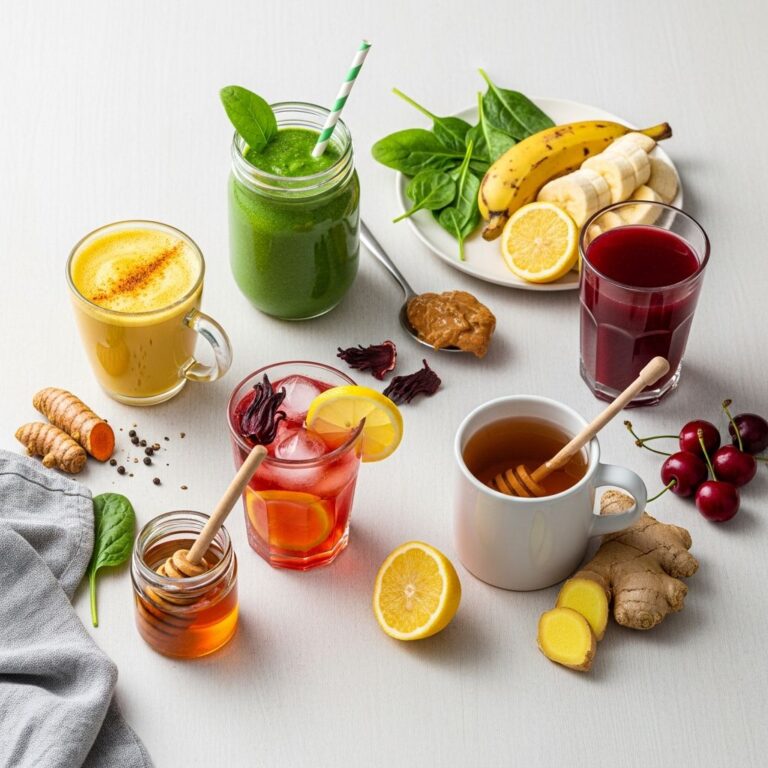
- Incorporate into smoothies with spinach and protein powder.
Portion control prevents excess calories, as fruit without substitution can lead to weight gain.
Other ‘Bad’ Fruits That Help Insulin Resistance
Bananas aren’t alone. Grapes, cherries, and peaches offer similar benefits.
- Cherries: Low-GI, anti-inflammatory antioxidants.
- Peaches: Fiber-rich, vitamin-packed summer option.
- Apricots: High vitamin A, fiber for steady energy.
These align with American Diabetes Association ‘superfoods’ for minimal blood sugar impact.
Expert Dietitian Insights
Registered dietitians emphasize whole fruits over juices. Vandana Sheth, RDN, notes high-sugar fruits aid insulin resistance via fiber and nutrients when moderated. They recommend bananas in insulin-resistant snack protocols.
“Fruits like bananas provide sustained energy without the crash, supporting better insulin function.” — Dietitian Expert
Common Myths About Fruit and Blood Sugar
- Myth: All fruits spike blood sugar equally. Fact: Fiber and phytochemicals differentiate them.
- Myth: Diabetics must avoid fruit. Fact: RCTs show benefits up to 133g/day.
- Myth: Sugar in fruit equals added sugar. Fact: Matrix effect slows absorption.
Frequently Asked Questions (FAQs)
Can bananas help with insulin resistance?
Yes, unripe bananas’ resistant starch improves insulin sensitivity and gut health, reducing T2D risk by 5% per 3 weekly servings.
Are bananas low-GI?
Unripe bananas have a low GI (42), while ripe ones are moderate (62). Pairing lowers impact.
How much fruit is safe for diabetics?
Up to 200g daily prevents T2D; 133g reduces complications in patients.
Why not fruit juice?
Juices lack fiber, spiking sugar like soda.
Best banana ripeness for blood sugar?
Slightly green for resistant starch benefits.
Practical Meal Ideas with Bananas
- Breakfast: Banana oatmeal with chia seeds.
- Snack: Banana with almond butter.
- Smoothie: Green banana, spinach, Greek yogurt.
- Dessert: Frozen banana ‘nice cream’.
These recipes leverage bananas’ benefits while balancing macros.
In conclusion, dismissing bananas overlooks their metabolic perks. Integrated wisely, they enhance insulin function, proving ‘bad’ fruits can be metabolic allies.
References
- Fruit Intake to Prevent and Control Hypertension and Diabetes — PMC/NCBI. 2021-02-20. https://pmc.ncbi.nlm.nih.gov/articles/PMC7884895/
- 8 Fruits That Don’t Raise Blood Sugar — FEP Blue. 2019-07-22. https://www.fepblue.org/news/2019/07/22/13/14/8-fruits-that-dont-raise-blood-sugar
- 6 “Bad” Snacks You Actually Should Be Eating If You Have Insulin Resistance — Vandana Sheth RDN. 2024. https://www.vandanasheth.com/blog/article/6-bad-snacks-you-actually-should-be-eating-if-you-have-insulin-resistance-according-to-dietitians/
Similar Articles








Read full bio of medha deb