5 Bad Grains You Should Eat For Better Cholesterol
Discover five grains often labeled 'bad' that can actually improve your cholesterol levels when chosen wisely as whole grains.
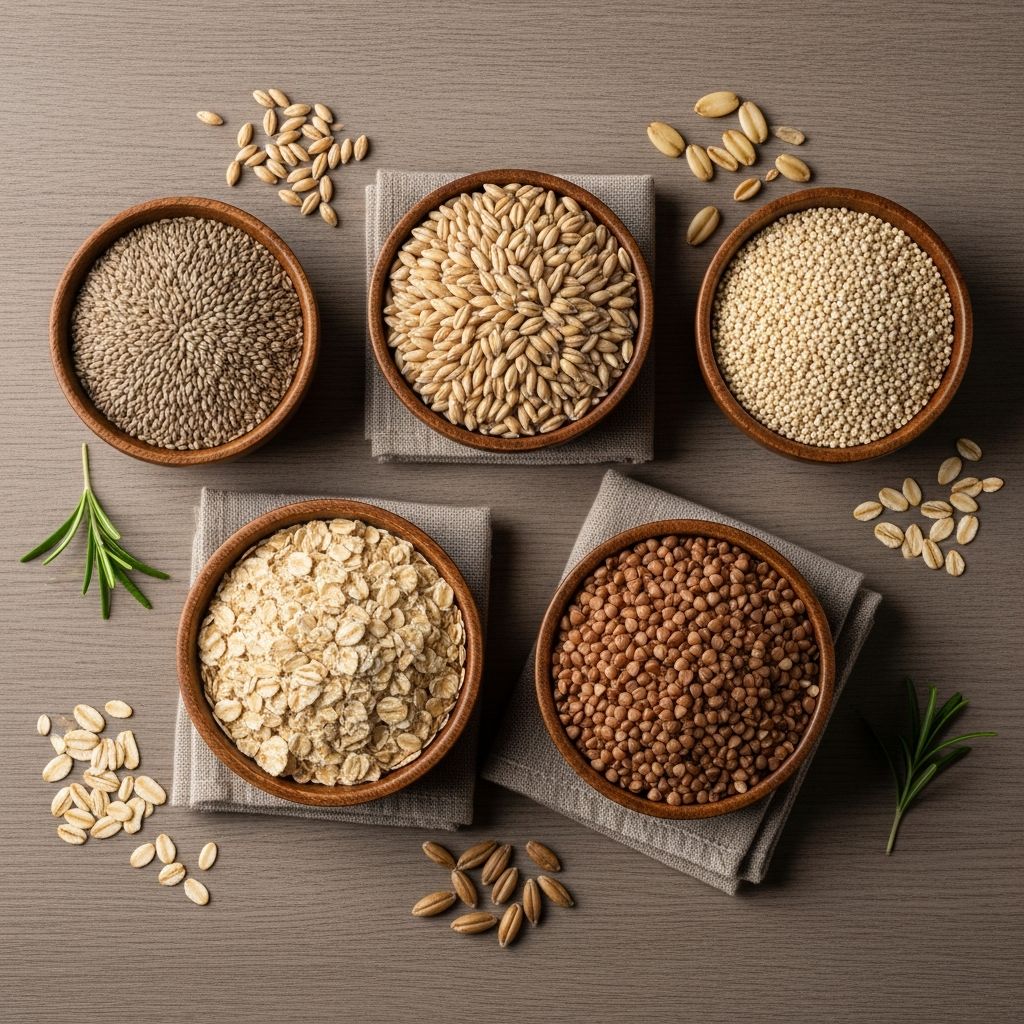
Grains frequently get a bad reputation in health discussions, often labeled as refined villains that spike blood sugar or contribute to weight gain. However, when consumed as
whole grains
, certain grains can significantly improve cholesterol levels, particularly by lowering LDL (“bad”) cholesterol and total cholesterol. A meta-analysis of randomized controlled trials confirms that whole-grain diets reduce LDL cholesterol by 0.09 mmol/L and total cholesterol by 0.12 mmol/L compared to non-whole-grain controls, with oats showing the strongest effect at -0.17 mmol/L for total cholesterol. This article explores five such “bad” grains—white rice, pasta, bread, cereal, and crackers—that transform into heart-healthy powerhouses in their whole-grain forms. We’ll delve into the science, benefits, and practical ways to incorporate them into your diet for optimal cardiovascular health.What Makes Grains ‘Bad’—and Why Whole Grains Change Everything
Refined grains like white bread or polished rice lose their nutrient-dense bran and germ during processing, stripping away
soluble fiber
, vitamins, minerals, and antioxidants. This fiber is crucial because it binds to cholesterol in the digestive system, preventing absorption and promoting its excretion. In contrast, whole grains retain these components, offering beta-glucan (especially in oats and barley), arabinoxylans, and other fibers that lower LDL cholesterol.Research from the American Society for Nutrition highlights that whole grains do not affect HDL (“good”) cholesterol but consistently reduce harmful lipids. Health experts at Mass General Brigham emphasize whole grains like oats, brown rice, and quinoa for their zero-cholesterol content and high-fiber ability to block fat absorption. Loyola Medicine adds that choosing products with over 3 grams of fiber per serving amplifies these benefits. The key? Swap refined for whole: look for labels listing “whole wheat,” “whole oats,” or similar as the first ingredient.
1. White Rice → Brown Rice: A Simple Swap for Cholesterol Control
White rice is often vilified for its high glycemic index and lack of fiber, but its whole-grain counterpart,
brown rice
, is a staple that supports heart health. Brown rice retains the bran layer rich in soluble fiber, magnesium, and plant sterols that compete with cholesterol for absorption.Studies show whole grains like brown rice contribute to lipid-lowering effects by increasing bile acid excretion, forcing the liver to use circulating cholesterol to produce more bile. One cup of cooked brown rice provides about 3.5 grams of fiber, helping meet daily recommendations for cholesterol management. Nutritionists recommend it over white rice to prevent the body from absorbing dietary cholesterol.
- Benefits: Lowers total and LDL cholesterol; stabilizes blood sugar.
- How to use: In stir-fries, salads, or as a side for lean proteins.
- Tip: Opt for varieties like Basmati or jasmine brown rice for better flavor and texture.
Incorporate brown rice into meals like vegetable fried rice with tofu or a hearty burrito bowl, replacing saturated fat-heavy meats with plant-based options.
2. Pasta: Whole-Wheat Varieties for Fiber-Packed Meals
Pasta is a dietary staple but scorned in low-carb diets.
Whole-wheat pasta
flips the script, delivering al dente satisfaction with cholesterol-lowering prowess. Its fiber content—around 6 grams per 2-ounce serving—binds bile acids, mimicking the effects of oats.Related Stories



Unlike refined pasta, whole-wheat versions preserve B vitamins and antioxidants that reduce inflammation linked to high cholesterol. Pairing it with monounsaturated fats like olive oil and veggies enhances HDL while targeting LDL.
- Benefits: Supports gut health via prebiotic fibers; aids weight management.
- Recipes: Whole-wheat spaghetti with tomato sauce, chickpeas, and spinach.
- Pro tip: Mix with regular pasta initially for easier transition.
A study-linked mechanism shows whole grains like wheat lower triglycerides modestly, with longer consumption yielding better results.
3. Bread: From Sliced White to Whole-Grain Loaves
Sliced white bread is a processed food poster child, but
whole-grain bread
(not multigrain, which may be refined) is endorsed by cardiologists for cholesterol benefits. Look for 3+ grams fiber per slice; it contains lignans and phytosterols that inhibit cholesterol synthesis.Mass General Brigham lists whole-wheat bread among top foods to lower cholesterol, as its fiber prevents fat uptake. A sandwich on whole-grain bread with avocado, turkey, and veggies beats any refined option.
| Refined Bread | Whole-Grain Bread |
|---|---|
| Low fiber (<1g/slice) | High fiber (3-5g/slice) |
| Spikes blood sugar | Steadies energy |
| May raise LDL | Lowers LDL/TC |
- Best picks: Ezekiel bread, 100% whole-wheat.
- Uses: Toast with nut butter or avocado.
4. Cereal: Steel-Cut Oats Over Sugary Flakes
Breakfast cereals are sugar bombs, but
oats
reign supreme for cholesterol. Whole-grain oats, especially steel-cut or rolled, contain beta-glucan, proven to drop total cholesterol by up to 0.17 mmol/L. The FDA allows heart-health claims for oats with 3g+ beta-glucan daily.Experts recommend steel-cut oats for their chewy texture and minimal processing. Top with berries and nuts for soluble fiber synergy.
- Daily dose: ½ cup dry oats = 4g beta-glucan.
- Variations: Overnight oats with chia and fruit.
- Why best: Greatest effect among grains per meta-analysis.
5. Crackers: Whole-Grain Crunch Without the Guilt
Crackers are snack culprits loaded with refined flour and salt, but
whole-grain crackers
provide fiber to curb cholesterol absorption. Choose those with whole oats, wheat, or seeds; 3g+ fiber/serving.They pair perfectly with hummus or nut butter, amplifying polyunsaturated fats that boost HDL.
- Benefits: Portable heart-healthy snack.
- Brands: Triscuit Whole Wheat, Wasa Crispbread.
- Pairing: With low-fat cheese or veggies.
Practical Tips to Make the Switch
Transitioning isn’t overnight. Start by replacing half your grains with whole versions. Aim for 25-30g fiber daily from grains, fruits, veggies, and legumes. Combine with lifestyle changes: limit saturated fats (<2g/serving), choose omega-3 fish twice weekly, and exercise.
- Read labels: Whole grain first, <5g sugar.
- Experiment: Blend grains for taste.
- Portion: Balance plate—½ veggies, ¼ protein, ¼ grains.
Monitor progress with lipid panels; improvements seen in 4-6 weeks.
Potential Downsides and Who Should Be Cautious
Whole grains are safe for most, but those with celiac or non-celiac gluten sensitivity should opt for gluten-free like quinoa or brown rice. High-fiber intake may cause initial bloating—ramp up gradually with water. Consult doctors if on statins or with digestive issues.
Frequently Asked Questions (FAQs)
What are the best whole grains for lowering cholesterol?
**Oats** top the list due to beta-glucan, followed by barley, brown rice, whole wheat, and quinoa.
How much whole grain do I need daily?
At least 3 servings (e.g., 1 cup cooked grains) for lipid benefits; more amplifies effects without dose-response plateau.
Do whole grains affect HDL cholesterol?
No significant change, but they preserve good levels while targeting LDL.
Are ancient grains better than modern whole grains?
Quinoa, farro, and amaranth offer similar fiber benefits; variety enhances nutrient intake.
Can kids eat these grains?
Yes, introduce whole grains early for lifelong heart health; choose kid-friendly flavors.
Embracing these five “bad” grains as whole foods empowers better cholesterol management. Supported by rigorous research, this approach is simple, sustainable, and effective for heart health.
References
- Whole-grain and blood lipid changes in apparently healthy adults — American Society for Nutrition. 2015-08-12. https://pubmed.ncbi.nlm.nih.gov/26269373/
- 10 Foods to Lower Cholesterol — Mass General Brigham. 2024-10-01. https://www.massgeneralbrigham.org/en/about/newsroom/articles/10-foods-to-lower-cholesterol
- What to Eat to Improve Your Cholesterol and Heart Health — Loyola Medicine. 2023-05-15. https://www.loyolamedicine.org/newsroom/blog-articles/what-eat-improve-your-cholesterol-and-heart-health
Similar Articles








Read full bio of medha deb