Bad High-Calorie Foods You Should Eat for Weight Loss
Discover surprisingly high-calorie foods that promote satiety, nutrient density, and sustainable weight loss when eaten strategically.
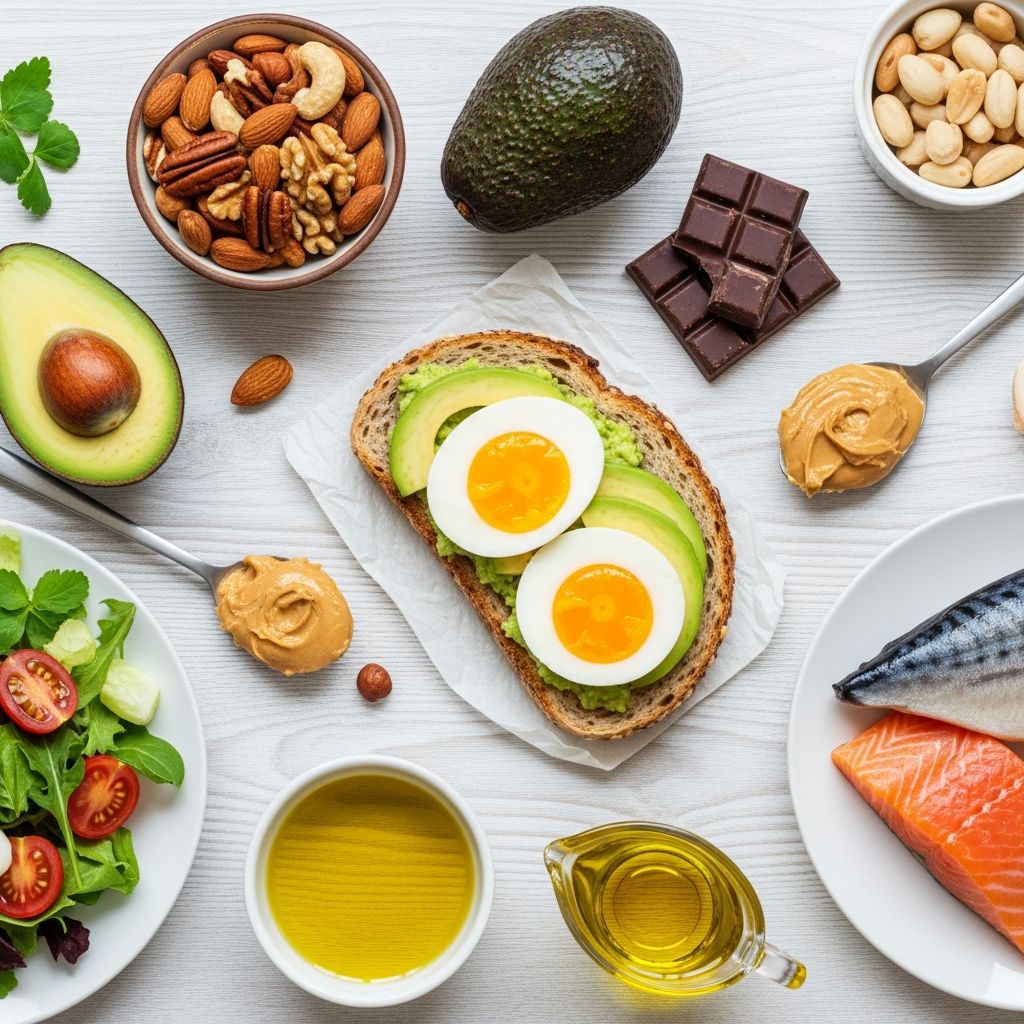
High-calorie foods are often vilified in weight loss circles, but not all calories are created equal. Certain “bad” high-calorie options like nuts, avocados, and cheese can actually aid weight loss when incorporated mindfully. These foods are nutrient-dense, rich in healthy fats, protein, and fiber, promoting satiety and reducing total daily calorie intake. Research on calorie density shows that focusing on voluminous, filling foods allows you to eat more while consuming fewer calories overall.
This approach flips the script on traditional dieting by emphasizing quality over strict calorie counting. Studies confirm that low-calorie-density diets—paired with strategic high-calorie foods—lead to greater weight loss, lower BMI, and improved hunger control. Below, we explore nine high-calorie foods you should embrace for weight loss, backed by science.
1. Avocado
Avocados top the list of high-calorie fruits at about 235 calories per cup, mostly from heart-healthy monounsaturated fats and fiber. Despite the calories, they excel in satiety, helping you feel full longer and eat less overall. A study in the American Journal of Clinical Nutrition found that avocado-inclusive meals reduced hunger and subsequent snacking.
Nutritional perks: Packed with vitamins C, E, K, B6, folate, magnesium, and potassium, avocados support metabolism and reduce inflammation. Their high fiber content (13g per avocado) slows digestion, stabilizing blood sugar.
- Weight loss hack: Swap mayo or butter for mashed avocado on toast or sandwiches—same creaminess, more nutrients.
- Portion tip: Half an avocado (120 calories) pairs perfectly with veggies or eggs for a 300-calorie meal that’s more filling than 500 calories of processed carbs.
Participants in low-calorie-density trials replacing fats with avocado lost 17 pounds over a year, proving its efficacy.
2. Nuts
Nuts like almonds, walnuts, and pistachios deliver 160-200 calories per ounce but shine for weight management due to protein, fiber, and healthy fats that curb appetite. A meta-analysis showed nut consumers have lower BMI despite higher calorie intake, thanks to reduced overeating elsewhere.
Why they work: The crunch requires chewing, signaling fullness to the brain faster than soft processed foods. Omega-3s in walnuts fight inflammation linked to obesity.
- Daily dose: 1 ounce (23 almonds) provides 7g protein and sustained energy.
- Pro tip: Pre-portion to avoid mindless munching; add to salads for volume without extra calories.
| Nut Type | Calories/Oz | Protein (g) | Fiber (g) |
|---|---|---|---|
| Almonds | 160 | 6 | 3.5 |
| Walnuts | 185 | 4 | 2 |
| Pistachios | 160 | 6 | 3 |
This table highlights why nuts beat chips: more nutrition per calorie.
3. Cheese
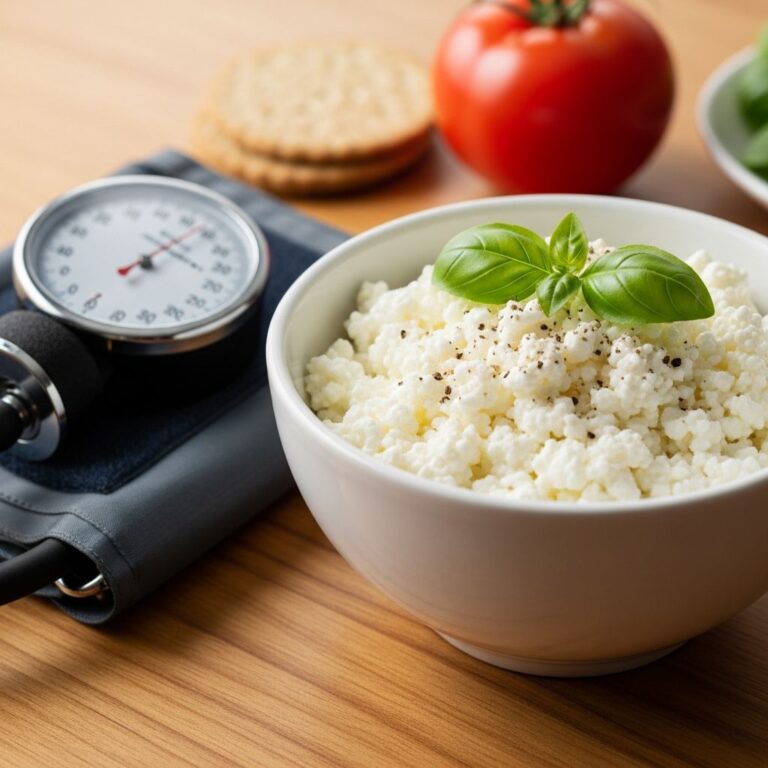
Cheese packs 100-110 calories per ounce with 7-12g protein, making it a satiety superstar. Full-fat varieties like provolone or parmesan outperform low-fat options in hunger control, per high-protein diet research. Cottage cheese offers 13g protein per half-cup at just 90 calories.
Related Stories



Science backing: Protein-rich foods like cheese boost metabolism via thermogenesis—you burn more calories digesting them. A WebMD-reviewed study linked higher cheese intake to weight loss when replacing carbs.
- Snack idea: 1oz cheese + apple = 200 calories, fuller than 300-calorie crackers.
- Caveat: Choose natural cheeses over processed slices for better fats and fewer additives.
4. Olive Oil
Pure fat at 120 calories per tablespoon, olive oil’s extra-virgin form is loaded with anti-inflammatory polyphenols. Used in low-calorie-density cooking, it enhances veggie absorption of nutrients without spiking intake.
Research from Pennsylvania State University shows olive oil-based dressings lead to 425 fewer calories consumed per meal compared to high-density alternatives.
- Best use: Drizzle on salads; the fat-fiber combo maximizes fullness.
5. Dark Chocolate
At 150-200 calories per ounce, 70%+ cocoa dark chocolate satisfies cravings with flavonoids that regulate appetite hormones. Studies link moderate intake to lower BMI.
- Tip: 1 square post-meal curbs sweet tooth without derailing diet.
6. Full-Fat Greek Yogurt
Double the protein of regular yogurt (20g per cup, 200 calories), it energizes via high thermic effect. Fiber and probiotics aid gut health, linked to less weight gain.
- Recipe: Mix with berries for a 250-calorie parfait more satisfying than sugary cereal.
7. Peanut Butter
190 calories per 2 tbsp, but its protein-fat-fiber trio prevents blood sugar crashes. Natural versions support steady energy.
- Hack: Spread on celery—volume ups satiety.
8. Eggs
70 calories each, eggs’ 6g protein promotes fullness. Breakfast egg-eaters consume 400 fewer daily calories.
9. Fatty Fish like Salmon
200 calories per 3oz fillet, omega-3s reduce inflammation and hunger. High protein sustains muscle during loss.
How Calorie Density Drives Results
Core principle: Eat foods low in calorie density (calories per gram) to maximize volume and satiety. High-calorie foods fit when they boost protein/fiber. Trials show 56% more calories eaten from dense meals vs. low ones.
- Less processed intake, more nutrients/protein.
- Lower hunger, sustainable loss (e.g., 17lbs/year).
Frequently Asked Questions
Can high-calorie foods really help with weight loss?
Yes, nutrient-dense ones like nuts and avocados increase satiety, leading to lower total calories consumed, per studies.
What’s the best portion for nuts?
1 ounce daily; measure to harness benefits without excess.
Is full-fat cheese better than low-fat for dieting?
Often yes—fats enhance fullness more effectively.
How does calorie density work?
Low-density foods (veggies, fruits) + strategic high-calorie items fill you up on fewer calories.
Practical Tips for Success
Fill half your plate with veggies, add one high-calorie hero, prioritize protein. Track hunger, not just calories. Consult a doctor for personalized advice.
References
- Calorie Density — How to Lose Weight Eating More Food — Healthline. 2023-05-15. https://www.healthline.com/nutrition/calorie-density
- The Impact of Calorie Density on Weight Management — Pritikin Longevity Center. 2024-02-10. https://www.pritikin.com/your-health/health-benefits/healthy-weight-loss/the-impact-of-calorie-density-on-weight-management-a-science-backed-approach-to-sustainable-weight-loss.html
- 10 High Calorie Foods for Weight Loss — Dr. Rachel Paul. 2023-11-20. https://www.drrachelpaul.com/blog/6-high-calorie-foods-for-weight-loss/
- High-Protein Diet for Weight Loss — WebMD. 2024-08-05. https://www.webmd.com/diet/high-protein-diet-weight-loss
- High-Calorie Food List and Snack Ideas — University of Pennsylvania Medical Center (.edu). 2021-10-01. https://www.med.upenn.edu/kidney2021/assets/user-content/documents/highcaloriefoodlistandsnackideas.pdf
Similar Articles








Read full bio of Sneha Tete