6 Bad Snacks to Eat for Insulin Resistance
Dietitians reveal 6 snacks that may seem unhealthy but can actually help manage insulin resistance when chosen wisely.
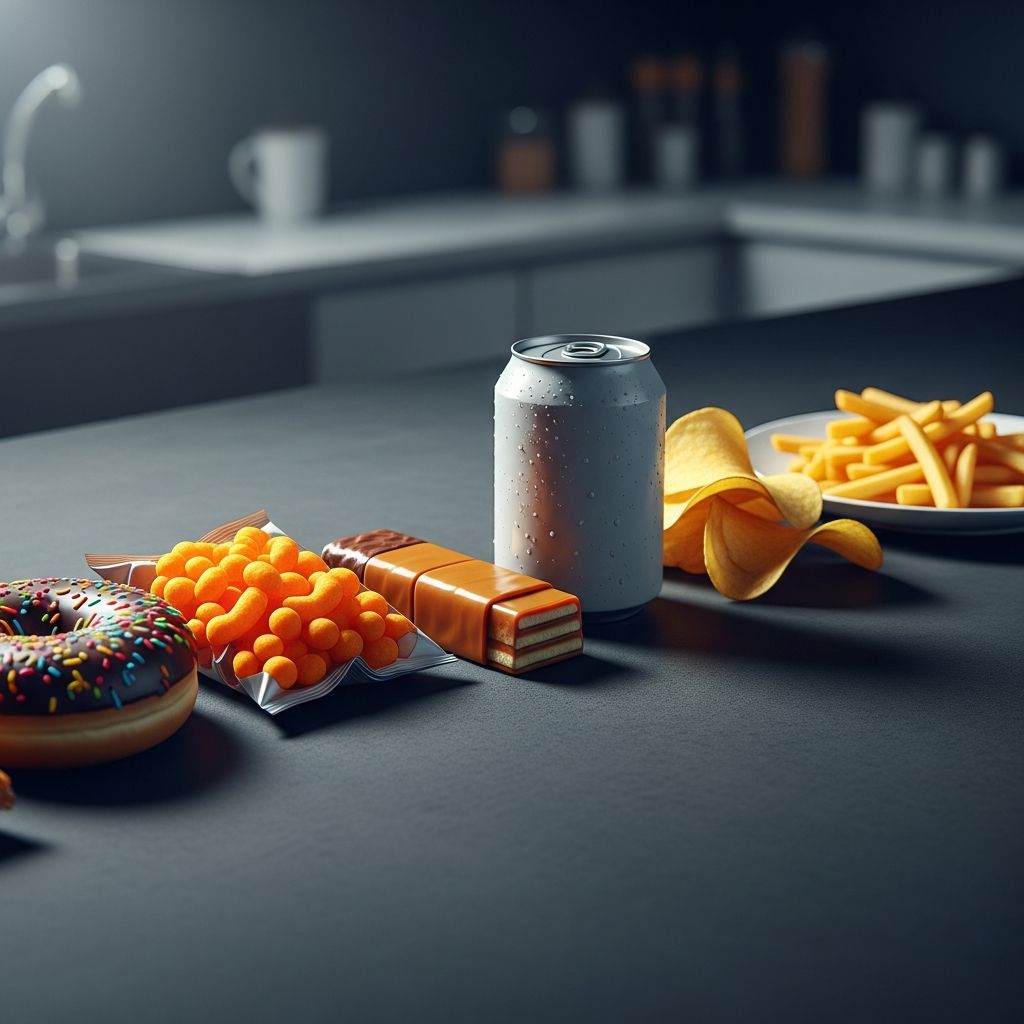
6 “Bad” Snacks You Actually Should Be Eating If You Have Insulin Resistance, According to Dietitians
Insulin resistance occurs when your body’s cells don’t respond effectively to insulin, leading to elevated blood sugar levels and increased risk of type 2 diabetes. Managing it through diet is crucial, as certain foods can either exacerbate or improve insulin sensitivity. While many avoid snacks fearing blood sugar spikes, dietitians emphasize that smart snacking with balanced options can stabilize glucose levels and provide sustained energy.
This article flips the script on six snacks often deemed ‘bad,’ showing how they support insulin resistance management when paired correctly. Drawing from expert insights, these choices focus on fiber, protein, and healthy fats to slow digestion and minimize glycemic impact.
What Is Insulin Resistance—and Why Do Snacks Matter?
Insulin resistance happens when cells resist insulin’s signal to absorb glucose, forcing the pancreas to produce more insulin. Over time, this stresses the body, potentially progressing to prediabetes or type 2 diabetes. Snacks play a pivotal role because frequent blood sugar fluctuations from poor choices worsen this resistance. Conversely, nutrient-dense snacks with low glycemic index (GI) foods promote steady energy release.
Research shows that diets emphasizing whole foods, fiber-rich carbs, lean proteins, and healthy fats improve insulin sensitivity. Adults with type 2 diabetes who limit snack carbs and sugars see better glycemic control. Pairing carbs with proteins or fats, like fruit with nuts, slows sugar absorption.
1. Potato Chips (Yes, Really)
Potato chips are vilified for their fat and salt content, but when chosen mindfully, they can fit into an insulin-resistant diet. Opt for baked or kettle-cooked varieties made from whole potatoes, which retain more fiber than processed alternatives. Their resistant starch content resists quick digestion, providing a slower glucose release compared to refined carbs.
Dietitians recommend pairing a small handful (about 15 chips) with protein like Greek yogurt dip or hummus. This combination balances the snack’s starch with protein and fat, reducing overall glycemic load. Studies indicate that such pairings prevent sharp insulin spikes, supporting metabolic health. Avoid deep-fried versions loaded with trans fats, which promote inflammation and insulin resistance.
- Portion tip: 1 ounce (roughly 15 chips) to keep calories in check.
- Pro pairing: Sliced avocado or a hard-boiled egg for added healthy fats.
- Why it works: Whole potato skins offer potassium and fiber, aiding blood sugar regulation.
2. Popcorn
Far from a diet saboteur, air-popped popcorn is a whole-grain snack high in fiber (over 3 grams per 3 cups), which slows carbohydrate absorption and stabilizes blood sugar. Its low calorie density allows larger volumes without excess energy intake, ideal for satiety in insulin resistance management.
Skip buttery movie versions; season with herbs, nutritional yeast, or a sprinkle of olive oil instead. Research from the American Diabetes Association supports whole grains like popcorn for their role in improving insulin sensitivity when not drowned in added sugars or fats. People with insulin resistance benefit from its low GI, preventing post-snack crashes.
- Portion tip: 3–4 cups air-popped.
- Pro pairing: A handful of almonds or cheese cubes.
- Why it works: High volume, low energy density promotes fullness without blood sugar volatility.
3. Dark Chocolate
Dark chocolate (70% cocoa or higher) contains flavonoids that enhance insulin sensitivity and reduce inflammation. Despite its sweetness, its low sugar content and high fat from cocoa butter slow digestion, blunting blood sugar rises. A small square provides antioxidants comparable to berries, protecting against oxidative stress linked to insulin resistance.
Limit to 1 ounce daily, paired with nuts for extra protein. Peer-reviewed studies confirm cocoa’s benefits for metabolic health, making it a smarter indulgence than milk chocolate.
- Portion tip: 1 ounce (about 150–200 calories).
- Pro pairing: Fresh strawberries or peanut butter.
- Why it works: Polyphenols improve endothelial function and insulin signaling.
4. Granola Bars
Not all granola bars are equal—select those with whole oats, nuts, and minimal added sugars (under 5 grams per bar). Oats’ beta-glucan fiber traps carbs, delaying gastric emptying and fostering gradual insulin release. These portable snacks outperform sugary cereals for blood sugar control.
Check labels for whole grains as the first ingredient. Pairing with yogurt amplifies benefits. Data shows lower carb snacks correlate with better glycemic outcomes in diabetes management.
- Portion tip: One bar (aim for 10–15g carbs).
- Pro pairing: Apple slices or cheese stick.
- Why it works: Fiber-protein synergy stabilizes glucose.
5. Trail Mix
Trail mix combines nuts, seeds, and dried fruit for a fiber-protein-fat powerhouse. Nuts like almonds lower fasting insulin levels, while seeds add omega-3s that combat inflammation. Choose unsweetened varieties to avoid sugar pitfalls.
A quarter-cup serving curbs hunger without spiking blood sugar, as fats slow carb metabolism from fruits. Longitudinal studies link nut consumption to reduced diabetes risk.
- Portion tip: ¼ cup to control calories.
- Pro pairing: With celery sticks.
- Why it works: Polyunsaturated fats enhance insulin action.
6. Ice Cream (in Moderation)
Full-fat, no-sugar-added ice cream leverages dairy fats and proteins to temper lactose’s glycemic effect. Greek yogurt-based versions add probiotics for gut health, indirectly supporting insulin sensitivity. Portion control is key—half-cup servings mimic the satiety of larger low-fat options without excess carbs.
Pair with berries for fiber. Evidence indicates dairy fats don’t harm insulin response when sugars are controlled.
- Portion tip: ½ cup.
- Pro pairing: Nuts or chia seeds.
- Why it works: Protein-fat combo slows sugar absorption.
Snacks to Strictly Limit for Insulin Resistance
While the above can be allies, avoid these high-GI culprits: sugary sodas, white bread products, candy, and fried snacks. They overload insulin production, worsening resistance. Opt for the ADA-recommended whole foods instead.
| Bad Snacks to Avoid | Why Harmful | Better Swap |
|---|---|---|
| Soda/Juice | Rapid sugar spike | Sparkling water with lemon |
| White Bread/Crackers | Refined carbs | Whole grain with nut butter |
| Candy/Chips (fried) | Added sugars/fats | Dark chocolate or air-popped popcorn |
General Tips for Snacking with Insulin Resistance
- Always pair carbs with protein or fat.
- Prioritize low-GI foods (under 55).
- Snack every 3–4 hours to maintain steady glucose.
- Monitor portions: use hand measurements (palm for protein, fist for carbs).
- Incorporate movement post-snack for better uptake.
These strategies align with evidence that balanced snacking reduces total carb intake from snacks, aiding control in type 2 diabetes.
Frequently Asked Questions (FAQs)
Can snacks reverse insulin resistance?
Smart snacking supports improvement alongside exercise and whole-food diets, but consult a doctor for personalized plans.
How often should I snack with insulin resistance?
2–3 times daily, focusing on balanced macros to avoid spikes.
Are nuts safe for insulin resistance?
Yes, in moderation; their fats improve sensitivity.
What if I crave sweets?
Choose dark chocolate or fruit-nut combos for satisfaction without harm.
Does timing matter for snacks?
Mid-morning/afternoon slots prevent energy dips and overeating.
References
- 5 best foods to improve insulin resistance — Nebraska Medicine. 2023-10-12. https://www.nebraskamed.com/health/conditions-and-services/diabetes/5-best-foods-to-improve-insulin-resistance
- Insulin Resistance Diet: What To Eat and Why It’s Personal — ZOE. 2024-05-15. https://zoe.com/learn/insulin-resistance-diet
- 6 “Bad” Snacks You Actually Should Be Eating If You Have Insulin Resistance, According to Dietitians — Vandana Sheth RD. 2024-08-20. https://www.vandanasheth.com/blog/article/6-bad-snacks-you-actually-should-be-eating-if-you-have-insulin-resistance-according-to-dietitians/
- Snacks contribute considerably to total dietary intakes among adults with and without type 2 diabetes — PMC (NIH). 2023-10-01. https://pmc.ncbi.nlm.nih.gov/articles/PMC10602347/
Similar Articles




Read full bio of medha deb