Bad Vegetables for Weight Loss: Why You Should Eat Them
Discover why 'bad' vegetables like potatoes and carrots support weight loss goals effectively.
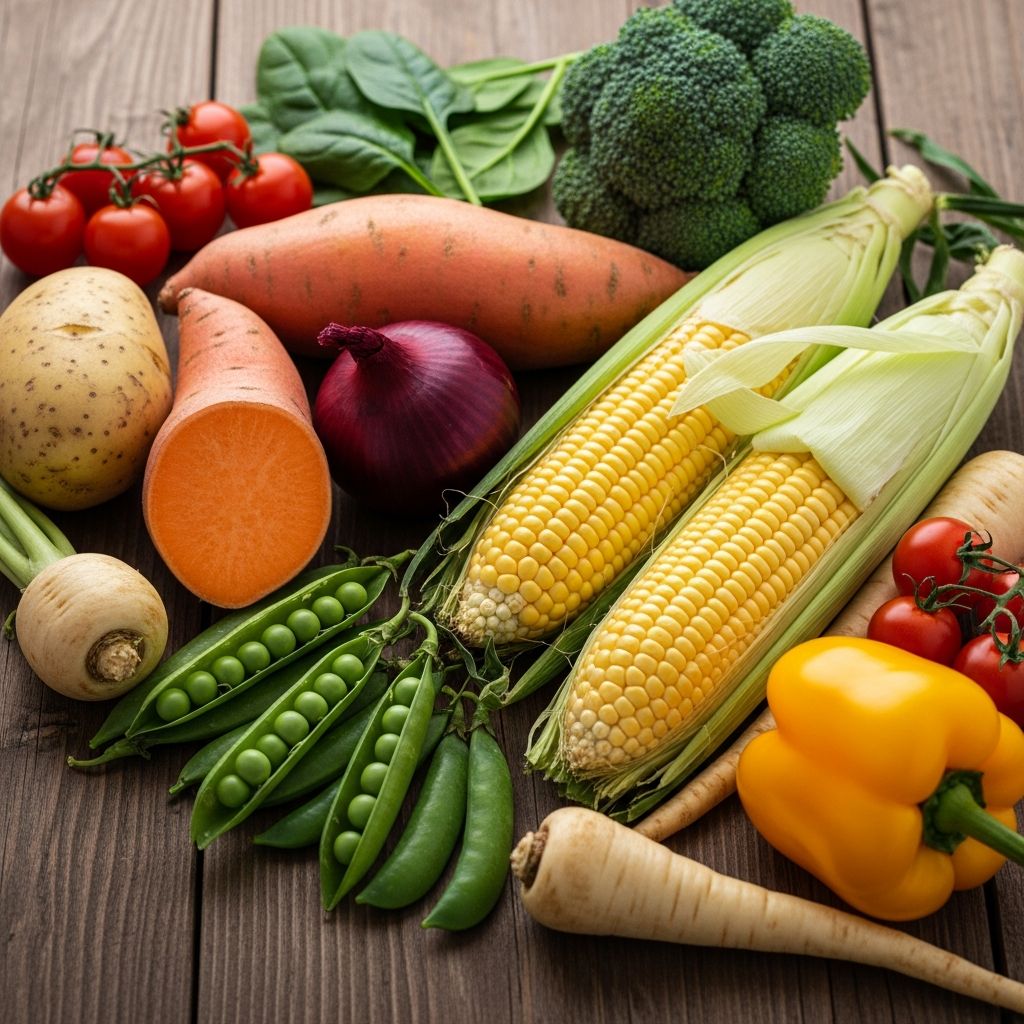
Bad Vegetables You Should Eat for Weight Loss
We’ve all encountered lists categorizing foods as ‘good’ or ‘bad,’ but this black-and-white thinking can be misleading and potentially harmful to your health journey. When it comes to weight loss, many people believe they must eliminate certain vegetables from their diet—particularly starchy ones. However, this misconception overlooks the substantial nutritional value these vegetables provide. If you’re trying to lose weight, you’ve likely heard that eating more vegetables is beneficial since they’re high in fiber and low in calories. Yet some vegetables, like potatoes and corn, have unfairly earned the label of being ‘bad’ for weight loss.
The reality is that often-vilified vegetables like white potatoes, carrots, green peas, and corn offer a variety of important nutrients that may help, rather than hinder, your weight loss efforts. Rather than focusing on specific foods to eliminate, adopting a balanced eating pattern is the best long-term strategy for sustainable weight loss. Let’s explore why these misunderstood vegetables deserve a prominent place on your plate.
Understanding Starchy Vegetables and Weight Loss
Starchy vegetables are often referred to as the ‘bad’ foods in weight loss conversations because they are higher in calories and carbohydrates compared to non-starchy vegetables. This has led some people to believe that starchy vegetables should be avoided entirely if they’re trying to lose weight. However, research and nutritional science reveal a different story. These vegetables contain valuable nutrients and compounds that can actually support your weight loss goals when prepared properly.
The key to understanding starchy vegetables lies in recognizing that carbohydrates themselves are not the enemy. In fact, carbohydrates are the preferred fuel source for your body to work effectively, especially for brain function. When you cut out large groups of vegetables and grains, you risk experiencing micronutrient deficiencies, constipation, and reduced cognitive function. Instead, the focus should be on choosing whole, minimally processed versions and preparing them in healthy ways.
Potatoes: The Misunderstood Powerhouse
Potatoes are often at the top of the ‘do not eat’ list for people trying to lose weight. They’re commonly demonized for their starch content and high glycemic index, particularly when fried or heavily processed. However, this reputation fails to account for potatoes’ remarkable nutritional benefits and their potential role in a successful weight loss plan.
Studies have shown that potatoes rank remarkably high on the satiety index, meaning they keep you full longer and reduce the need for snacking. This satiety effect is crucial for weight loss because it naturally decreases overall calorie consumption throughout the day. Potatoes contain resistant starch—a type of carbohydrate that ‘resists’ digestion in your small intestine. Beyond aiding with satiety, resistant starch supports a thriving and diverse gut microbiome by feeding friendly bacteria in your large intestine. These beneficial gut microbes can support your weight loss efforts by positively influencing fat storage, chronic inflammation, and hunger and fullness hormones.
The key to incorporating potatoes into your weight loss diet is proper preparation. Deep-fried potatoes like French fries and potato chips are high in calories and saturated fat, which can increase your risk of heart disease. In contrast, boiled or baked potatoes with the skin are lower in calories and incredibly filling due to their resistant starch and fiber content. The skin contains much of the potato’s nutritional value, including fiber and micronutrients, making unpeeled preparations your best choice.
Related Stories



Best preparation methods for potatoes:
- Baked potatoes with skin intact
- Boiled potatoes served cool or at room temperature
- Roasted potato cubes with minimal oil
- Instant Pot potato soup with broth and vegetables
- One-pan chickpea and potato hash with minimal oil
Carrots: Natural Sweetness Without the Guilt
Carrots are another vegetable that has unfairly earned a bad reputation in weight loss circles. Many people avoid carrots because they believe they’re ‘too high in sugar,’ but their natural sweetness comes packaged with fiber, vitamins, and antioxidants that support overall health. This is a perfect example of how focusing on a single nutrient (sugar content) while ignoring the complete nutritional profile leads to misguided dietary choices.
Carrots’ high water and fiber content helps keep you full, making them an excellent choice for weight loss. A 2021 study suggests that eating carrots may actually reduce your risk of obesity. Additionally, carrots are remarkably low in calories—one cup of raw chopped carrots contains only 52 calories, making them an ideal snacking vegetable for those watching their weight.
The naturally crunchy texture of raw carrots makes them a nutritious alternative to chips and perfect for scooping up dips like hummus, providing satisfaction without excessive calories. Cooked carrots are equally delicious and nutritious. Try roasting them with tahini and chickpeas for added protein and healthy fats, or pureeing them into a creamy carrot soup for a comforting, low-calorie meal. The versatility of carrots makes them easy to incorporate into any eating plan.
Green Peas: A Nutritional Powerhouse
Green peas are another frequent occupant of the ‘bad’ vegetable list, thanks to their starch content and natural sweetness. However, they offer a unique nutritional combination that many other vegetables cannot match. Green peas stand out as offering a rare combination of 8 grams of fiber and 8 grams of protein per cup. This dynamic duo plays a crucial role in promoting satiety, helping you feel fuller for longer and reducing overall calorie consumption.
The protein content in green peas is particularly significant for weight loss because adopting a higher-protein diet that incorporates a variety of protein-rich foods can be an effective weight loss strategy. Protein helps preserve muscle mass during weight loss, increases thermogenesis (calories burned during digestion), and promotes feelings of fullness. The combination of protein and fiber in green peas makes them exceptional for weight management.
Green peas are incredibly versatile and can be enjoyed frozen or fresh, added to soups, mixed into grain bowls, or incorporated into side dishes. Their naturally sweet flavor makes them appealing even to those who might otherwise avoid vegetables, and their nutritional density means they contribute substantially to your daily nutrient intake without excessive calories.
Corn: A Whole Grain Vegetable
Like potatoes, corn is a source of resistant starch, which may help with weight management. Corn-based foods like corn tortillas, popcorn, whole grits, and cornmeal are considered whole grains. In addition to being more nutritious than their refined counterparts, whole grains have been linked with benefits for weight management.
When choosing corn products, opt for whole grain versions rather than refined options. Whole corn retains all parts of the grain, including the bran and germ, which contain fiber, vitamins, and minerals. Fresh or frozen corn on the cob is an excellent choice, as it provides resistant starch and essential nutrients. Try preparing fresh sweet corn salad, combining black beans and corn with poached eggs, or making salmon tacos with corn and pepper salsa for nutritious, satisfying meals.
The Myth of Black-and-White Food Categories
The fundamental problem with labeling any vegetable as ‘bad’ for weight loss is that it oversimplifies nutrition and ignores the complex relationship between food, health, and body composition. Many factors affect the number on the scale, and it’s important to remember that no single food—or vegetable—will make or break your weight loss efforts.
Research shows that healthy vegetarian dietary patterns, or mainly plant-based diets, are associated with lower levels of obesity and reduced risk of health problems such as elevated blood pressure and heart disease. However, it’s worth noting that there are still many vegetarian food choices that can lead to weight gain, especially those high in fats and added sugars or eaten in large amounts. The solution isn’t to eliminate food groups but to make thoughtful choices within those groups.
Instead of focusing on specific foods to avoid, adopt a balanced eating pattern that includes a wide variety of vegetables, whole grains, lean proteins, and healthy fats. Include fresh fruit, vegetables, and wholegrain breads and cereals in your diet while cutting back on refined and added sugars. This approach is more sustainable, enjoyable, and effective for long-term weight management than restrictive diets that eliminate entire food categories.
Building a Balanced Plate for Weight Loss
According to Harvard’s Healthy Eating Plate, making most of your meal vegetables and fruits—about half of your plate—is essential. Aim for color and variety to ensure you’re getting diverse nutrients and beneficial compounds. A diet rich in fruits and vegetables, along with whole grains, has a positive effect on blood sugar, helping to keep appetite in check and promote weight loss.
For the remaining half of your plate, go for whole grains—about a quarter of your plate. Whole and intact grains like whole wheat, barley, wheat berries, quinoa, oats, and brown rice have a milder effect on blood sugar and insulin than refined grains. The final quarter should come from healthy proteins, which can include legumes, fish, poultry, or other protein sources.
Remember that nutritional science evolves, and what we understand about healthy eating continues to develop. Rather than following rigid rules about which foods to eliminate, focus on building a sustainable eating pattern that you can maintain long-term while meeting your nutritional needs.
Frequently Asked Questions About Starchy Vegetables and Weight Loss
Q: Will eating potatoes prevent me from losing weight?
A: No. When prepared by boiling or baking with the skin intact, potatoes are filling and support weight loss. Their high satiety index means you’ll feel fuller longer, reducing overall calorie intake. The preparation method matters much more than the vegetable itself.
Q: Are carrots too high in sugar for weight loss?
A: Carrots contain natural sugars, but they also provide fiber, water, vitamins, and antioxidants. Research suggests that eating carrots may actually reduce your risk of obesity. At only 52 calories per cup of raw chopped carrots, they’re an excellent low-calorie option for weight loss.
Q: Can green peas help with weight loss?
A: Yes. Green peas contain both protein and fiber—8 grams of each per cup—which promote satiety and help you feel fuller for longer. The protein content is particularly beneficial for preserving muscle mass during weight loss and increasing calories burned during digestion.
Q: Is corn a whole grain?
A: Yes, corn and corn-based products like whole grits, cornmeal, and corn tortillas are considered whole grains. Whole grain versions have been linked with benefits for weight management because they contain more fiber and nutrients than refined counterparts.
Q: What’s the best way to prepare starchy vegetables for weight loss?
A: Focus on preparation methods that don’t add excess calories. Boil, bake, or roast vegetables with minimal added oil. Avoid deep-frying and heavy cream sauces. Keep skins on when possible, as they contain significant fiber and nutrients.
Q: Should I eliminate any vegetables from my weight loss diet?
A: No. A balanced approach that includes a variety of vegetables is more effective and sustainable than elimination diets. Focus on portion sizes and preparation methods rather than avoiding entire vegetable categories.
Key Takeaways for Sustainable Weight Loss
The journey toward weight loss doesn’t require demonizing entire food groups or eliminating vegetables that have been unfairly labeled as ‘bad.’ Instead, focus on understanding the nutritional value of different foods and making informed choices about preparation and portion sizes. Potatoes, carrots, green peas, and corn all offer valuable nutrients including fiber, resistant starch, protein, vitamins, and minerals that support both weight loss and overall health.
Rather than following restrictive diets that eliminate food groups, adopt a balanced eating pattern that includes a wide variety of whole foods. Increase your intake of fresh fruit, vegetables, and wholegrain breads and cereals while cutting back on refined and added sugars. Remember that sustainable weight loss comes from consistent healthy habits—including regular physical activity, adequate sleep, and stress management—rather than perfect adherence to a single diet.
The most effective approach to weight loss is one you can maintain long-term while enjoying the foods you eat. By including these often-misunderstood vegetables in your diet and preparing them in healthy ways, you can create a sustainable eating pattern that supports your weight loss goals while nourishing your body with essential nutrients.
References
- 4 ‘Bad’ Vegetables You Should Eat for Weight Loss — EatingWell/AOL Health. 2024. https://www.aol.com/4-bad-vegetables-eat-weight-175456445.html
- Weight Loss – Common Myths — Better Health Channel, Victoria State Government. 2025. https://www.betterhealth.vic.gov.au/health/healthyliving/weight-loss-common-myths
- 14 Foods You Should Eat to Lose Weight — AARP. 2024. https://www.aarp.org/health/healthy-living/weight-loss-foods/
- Healthy Eating Plate — The Nutrition Source, Harvard T.H. Chan School of Public Health, Department of Nutrition. 2025. https://nutritionsource.hsph.harvard.edu/healthy-eating-plate/
- Saturated Fat — American Heart Association. 2025. https://www.heart.org/en/healthy-living/healthy-eating/eat-smart/fats/saturated-fats
Similar Articles








Read full bio of medha deb