BAHA Implantable Hearing Device: What To Know In 2025
Learn how bone-anchored hearing aids restore hearing for those unable to use traditional devices.
BAHA: The Implantable Hearing Device
For individuals with conductive or mixed hearing loss who cannot tolerate traditional hearing aids, the bone-anchored hearing aid (BAHA) represents a revolutionary solution that has transformed auditory rehabilitation for thousands of patients worldwide. This implantable device bypasses damaged or blocked middle-ear structures by conducting sound directly through bone to the inner ear, offering a viable alternative when conventional hearing aids prove ineffective or uncomfortable.
Understanding How BAHA Works
The BAHA device operates on a fundamentally different principle than conventional hearing aids. Rather than amplifying sound through air conduction, the BAHA stimulates the cochlea—the inner-ear structure responsible for hearing—through vibrations conducted directly through bone. This innovative approach makes the device particularly beneficial for patients whose middle-ear function is blocked or damaged, as it entirely circumvents the problematic middle-ear structures.
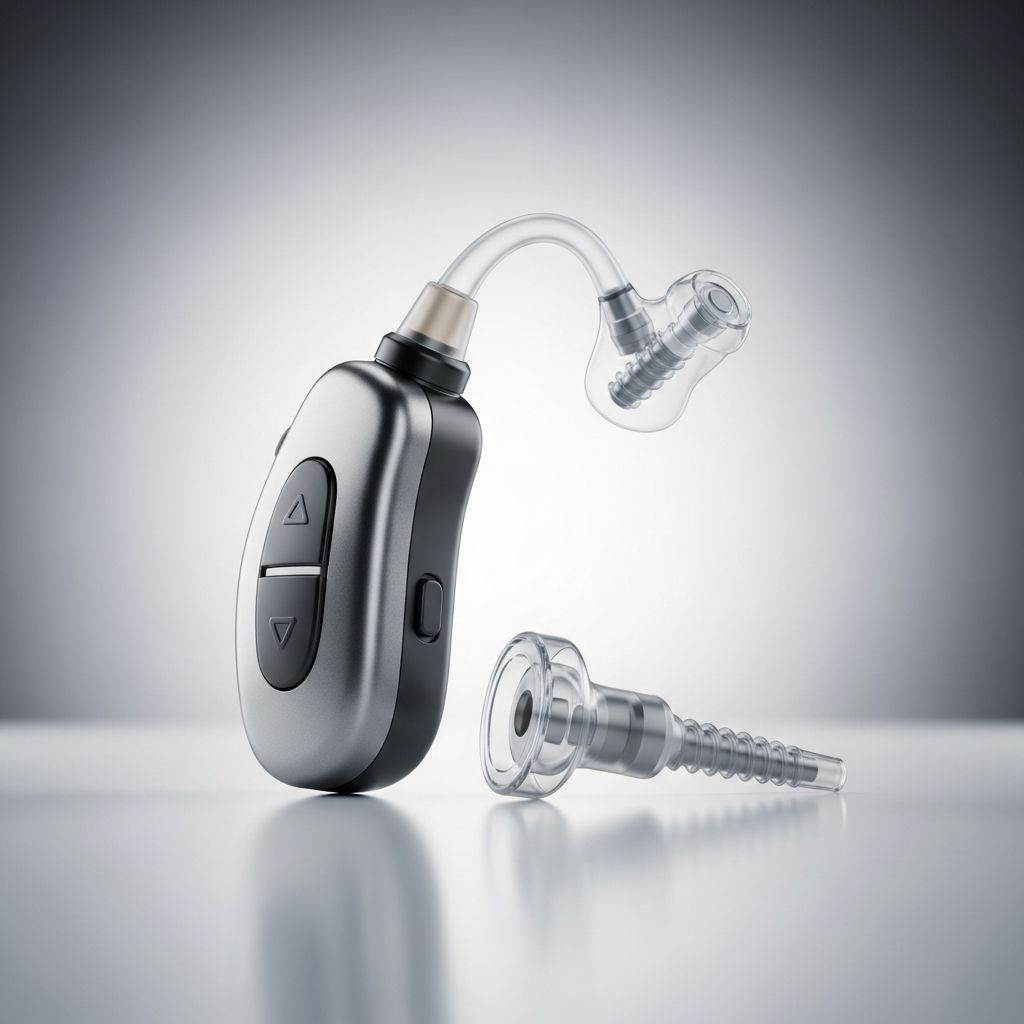
When sound enters the environment, the BAHA sound processor captures these vibrations and transmits them to a small titanium implant positioned in the bone behind the ear. The implant then transfers the vibrations through the bone directly to the functioning cochlea, where they are converted into neural signals and transmitted to the brain. This process allows the device wearer to perceive sound without relying on the conventional air-conduction pathway, making it an effective solution for specific types of hearing loss.
Who Can Benefit from BAHA?
BAHA devices are designed for carefully selected patients who meet specific audiologic and clinical criteria. Understanding candidacy requirements is essential for determining whether this implantable solution is appropriate.
Ideal Candidates
Patients eligible for BAHA implantation typically include those with hearing loss and an inability to tolerate conventional hearing aids, with bone-conduction pure tone average levels at 60 dB or less at specific frequencies (0.5, 1, 2, and 4 kHz). The device is particularly effective for individuals whose inner ear (cochlea) functions normally but whose conductive pathway is compromised.
Common Conditions Treated with BAHA
BAHA implantation has proven particularly successful in treating several specific conditions:
Chronic Otitis Media and Draining Ears: In a comprehensive study of 40 patients who underwent BAHA implantation, chronic otitis media or draining ears represented the most common indication, affecting 18 patients (45%). These infections often make conventional hearing aids problematic, as they can worsen ear drainage or cause discomfort.
External Auditory Canal Stenosis and Aural Atresia: The second most frequent indication for implantation was external auditory canal stenosis or aural atresia, occurring in 7 patients (17.5%) in the same study. These congenital or acquired narrowing conditions make insertion of traditional hearing aids impossible or extremely uncomfortable.
Single-Sided Deafness: BAHA can be helpful for individuals with single-sided hearing loss, where one ear functions normally while the other is profoundly deaf. The device stimulates the functioning cochlea through bone conduction, allowing sound to be perceived from the affected side.
Related Stories



Mixed and Conductive Hearing Loss: BAHA may also benefit patients with conductive or mixed hearing losses caused by malformation of the external ear, ear canal, or middle ear structures, as well as problems affecting the bones in the middle ear.
The BAHA Implantation Procedure
BAHA implantation is performed as a two-step surgical process that is less invasive than many alternative hearing restoration procedures. Understanding this procedure helps patients know what to expect.
Step One: Abutment Placement
The initial procedure involves a minor surgical intervention where an otolaryngologist places a small titanium abutment in the bone behind the non-functioning ear. This abutment is precisely positioned to fuse with the living bone through a process called osseointegration. The surgical procedure is typically performed on an outpatient basis, and most patients return to normal activities within approximately one week of surgery.
Step Two: Sound Processor Attachment
Approximately three months after implant placement, allowing adequate time for the titanium abutment to fully integrate with the bone, the sound processor is attached to the abutment. The sound processor is the external component that picks up sound vibrations from the environment and wirelessly transmits them to the implanted portion of the device. This device transmits the vibrations to the functioning cochlea, enabling the wearer to perceive sound.
Surgical Outcomes and Hearing Improvement
Clinical data demonstrates that BAHA implantation produces substantial and measurable improvements in hearing function for appropriately selected patients.
Average Hearing Improvement
In the comprehensive multicenter study of 40 patients at 12 tertiary referral medical centers in the United States, each patient achieved an average improvement of 32±19 dB with BAHA use. This significant improvement represents a dramatic enhancement in auditory function for patients who previously had limited or no hearing options.
Air-Bone Gap Closure
A critical measure of BAHA effectiveness is the closure of the air-bone gap—the difference between air-conduction and bone-conduction thresholds. In the study of 40 BAHA recipients, closure of the air-bone gap to within 10 dB of preoperative bone-conduction thresholds occurred in 32 patients (80%), while closure to within 5 dB occurred in 24 patients (60%). These results demonstrate that BAHA successfully restores hearing thresholds to levels approaching normal bone-conduction abilities.
Overclosure Phenomenon
Notably, 12 patients (30%) demonstrated “overclosure” of the preoperative bone-conduction threshold of their better hearing ear, meaning the BAHA-aided threshold exceeded their natural bone-conduction capability. This overclosure actually represents enhanced auditory function, as these patients achieved hearing levels superior to their baseline bone-conduction capacity.
Complications and Safety Profile
BAHA implantation has demonstrated a favorable safety profile with minimal complications in clinical practice.
Reported Complications
In the comprehensive 40-patient study, complications were remarkably limited. Local infection and inflammation at the implant site occurred in only three patients (7.5%), while failure to osseointegrate (complete fusion of the titanium abutment with bone) occurred in just one patient (2.5%). These rates indicate that BAHA implantation is well-tolerated by the vast majority of patients.
Long-Term Tolerability
Beyond the immediate postoperative period, most patients report that the BAHA device becomes virtually unnoticeable in daily life. Many individuals report only minor pain immediately following surgery, which resolves rapidly during the recovery period. The device’s discrete design and non-invasive nature after the initial implantation make it a well-tolerated long-term solution for hearing rehabilitation.
Device Technology and Advancement
BAHA technology continues to evolve, with recent innovations expanding the capabilities and appeal of these devices.
Modern Sound Processors
Recent advancements have introduced enhanced sound processor technology, including the Baha 7 Sound Processor, which offers a 55 dB HL fitting range in a small form factor. These devices deliver powerful hearing amplification without compromising on discretion, incorporating industry-leading connectivity features that integrate seamlessly with modern digital environments.
Alternative Fitting Options
In addition to traditional implanted abutment systems, BAHA technology now includes options such as the SoundBand, providing bone conduction hearing solutions designed to improve outcomes for children and adults with conductive hearing loss, mixed hearing loss, and single-sided deafness.
Patient Satisfaction and Quality of Life
Beyond objective audiologic measures, patient satisfaction represents a crucial indicator of BAHA success.
High Satisfaction Rates
In the 40-patient study, patient response to the BAHA implant was uniformly satisfactory, with only one patient (2.5%) reporting dissatisfaction with the device. This exceptional satisfaction rate reflects the transformative impact the device has on quality of life for patients who previously had limited hearing options.
Real-World Impact
Many BAHA recipients report profound improvements in their ability to engage in daily activities, communicate with family and colleagues, and enjoy social interactions. The ability to return to work or normal activities within approximately one week of implantation further contributes to patient satisfaction, as the procedure minimally disrupts daily life.
Clinical Evidence and Track Record
The BAHA system boasts an extensive track record of clinical success spanning multiple decades.
The BAHA device had a 30-year successful track record in Europe before earning U.S. Food and Drug Administration approval in 2002. After more than 25 years of clinical experience, the BAHA system is now recognized as a well-established treatment for hearing-impaired patients who cannot benefit from conventional hearing aids. This extensive clinical experience and regulatory approval provide confidence in the device’s effectiveness and safety profile.
Comparison: BAHA Versus Traditional Hearing Aids
Understanding how BAHA differs from conventional hearing aids helps patients and healthcare providers determine the most appropriate treatment option.
| Feature | BAHA (Bone-Anchored) | Traditional Hearing Aids |
|---|---|---|
| Sound Pathway | Direct bone conduction to inner ear | Air conduction through ear canal |
| Middle Ear Dependence | Bypasses middle ear entirely | Requires functional middle ear |
| Procedure | Minor surgical implantation | Non-surgical fitting |
| Recovery Time | ~1 week return to activities | None; immediate use |
| Ideal For | Conductive/mixed loss, ear problems | Sensorineural hearing loss |
| Average Hearing Improvement | 32±19 dB improvement | Varies by device and loss severity |
| Complication Rate | ~10% minor site issues | Minimal; mainly fit discomfort |
Frequently Asked Questions About BAHA
Q: Is BAHA suitable for all types of hearing loss?
A: No, BAHA is specifically designed for conductive and mixed hearing loss where the inner ear (cochlea) functions normally. It is not appropriate for sensorineural hearing loss affecting the inner ear itself. Patients must meet specific audiologic criteria to be considered candidates.
Q: How long does the BAHA implantation procedure take?
A: The initial abutment placement is a minor surgical procedure performed on an outpatient basis. Most patients can return to normal activities within approximately one week. The sound processor is attached about three months later as a quick outpatient procedure.
Q: What is the recovery time after BAHA implantation?
A: Most patients return to regular activities within about one week of the abutment placement surgery. Some patients report minor pain immediately following surgery, but this typically resolves quickly during the recovery period.
Q: Are there risks or complications associated with BAHA implantation?
A: Complications are minimal. In clinical studies, local infection or inflammation at the implant site occurred in less than 8% of patients, while failure to osseointegrate occurred in less than 3%. These rates indicate BAHA is a safe and well-tolerated procedure.
Q: How much hearing improvement can I expect with BAHA?
A: On average, BAHA patients experience approximately 32 dB of hearing improvement. About 80% of patients achieve closure of their air-bone gap to within 10 dB of their natural bone-conduction thresholds, with 60% achieving closure to within 5 dB.
Q: Is BAHA noticeable to others when wearing it?
A: Modern BAHA devices are designed to be discrete and unobtrusive. Many patients report that the device becomes virtually unnoticeable in daily life, with the sound processor positioned discreetly behind the ear and attached to the titanium abutment.
Q: Can children receive BAHA implants?
A: Yes, BAHA technology is designed to benefit both children and adults with appropriate candidacy criteria. Bone conduction hearing solutions are specifically developed to improve hearing outcomes for pediatric and adult patients with conductive hearing loss, mixed hearing loss, and single-sided deafness.
Q: How is the titanium abutment secured to the bone?
A: The titanium abutment undergoes osseointegration, a process where the implant fuses directly with the living bone over approximately three months. This biological integration creates a secure and stable foundation for the sound processor attachment.
Q: What was the satisfaction rate among BAHA patients?
A: Clinical studies demonstrate exceptionally high patient satisfaction rates, with over 97% of patients reporting satisfaction with their BAHA device. Only a small minority of patients expressed any dissatisfaction with the implant.
Q: Can BAHA help with single-sided deafness?
A: Yes, BAHA is particularly effective for single-sided deafness, where one ear functions normally while the other is profoundly deaf. The device allows sound vibrations to be conducted through bone to the functioning cochlea, providing hearing from the affected side.
Conclusion
The BAHA implantable hearing device represents a significant advancement in auditory rehabilitation for patients who cannot benefit from traditional hearing aids. With its proven effectiveness in treating conductive and mixed hearing loss, minimal complication rates, exceptional patient satisfaction, and rapid recovery period, BAHA offers hope and improved quality of life for thousands of individuals worldwide. As technology continues to advance with enhanced sound processors and improved fitting options, BAHA remains a well-established and increasingly accessible solution for hearing-impaired patients seeking alternatives to conventional hearing aids. If you believe you may be a candidate for BAHA implantation, consultation with an otolaryngologist or audiologist experienced in bone-conduction hearing devices can help determine whether this innovative technology is appropriate for your specific hearing needs.
References
- Hearing rehabilitation using the BAHA bone-anchored hearing aid: results in 40 patients — Otology and Neurotology, Johns Hopkins University Department of Otolaryngology–Head and Neck Surgery. 2001-05. https://pubmed.ncbi.nlm.nih.gov/11347635/
- Hearing rehabilitation using the BAHA bone-anchored hearing aid — Johns Hopkins University. 2001. https://pure.johnshopkins.edu/en/publications/hearing-rehabilitation-using-the-baha-bone-anchored-hearing-aid-r-3
- Bone-Anchored Implant Offers Solution for Some with Hearing Loss — University of Rochester Medical Center. 2025-12-01. https://www.urmc.rochester.edu/news/story/bone-anchored-implant-offers-solution-for-some-with-hearing-loss
- Cochlear introduces the Baha 7 Sound Processor and Baha SoundBand — Cochlear. 2025. https://www.cochlear.com/us/en/corporate/media-center/media-releases/2025/cochlear-introduces-the-baha-7-sound-processor-and-baha-soundband
- Consensus statements on the BAHA system: where do we stand at present — Johns Hopkins University. 2025-12-01. https://pure.johnshopkins.edu/en/publications/consensus-statements-on-the-baha-system-where-do-we-stand-at-pres-8/
Similar Articles








Read full bio of Sneha Tete