Bakuchiol Benefits: 5 Clinically Proven Anti-Aging Effects
Discover bakuchiol, the gentle plant-based retinol alternative praised for anti-aging benefits with fewer side effects.
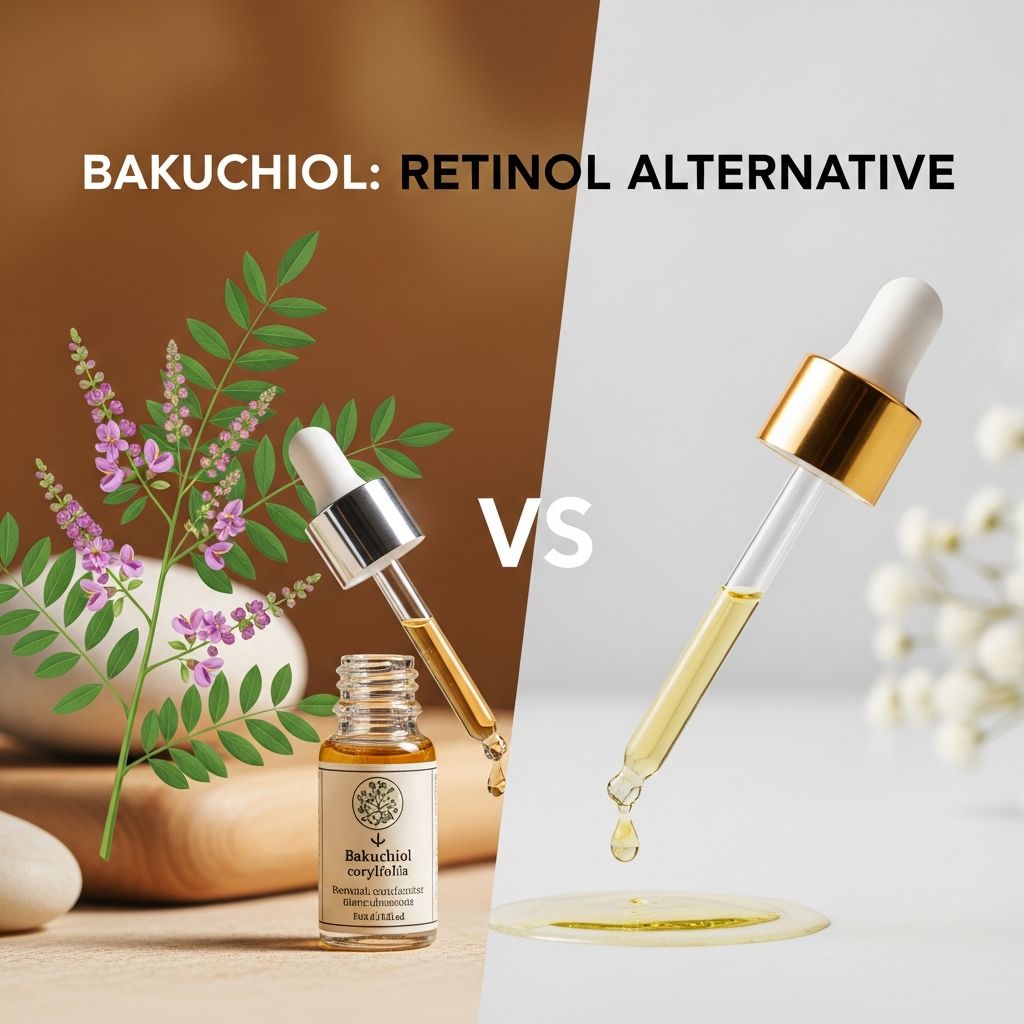
Bakuchiol is a plant-derived compound emerging as a gentler alternative to retinol, delivering anti-aging benefits like reduced wrinkles, improved pigmentation, and enhanced skin firmness without common irritations such as redness or peeling.
What Is Bakuchiol?
Bakuchiol is a
meroterpene phenol
extracted from the seeds and leaves of the *Psoralea corylifolia* plant, native to India and used for centuries in Ayurvedic and traditional Chinese medicine for skin healing and anti-inflammatory purposes. Unlike synthetic retinoids, bakuchiol is a natural monoterpene phenol with a chemical structure unrelated to retinol but mimicking its effects through similar gene expression pathways.Pharmacological reviews highlight bakuchiol’s multifaceted properties, including
antioxidant
,anti-inflammatory
,antimicrobial
,antitumorigenic
, andestrogenic
activities, making it versatile for skincare and beyond. Its terpenoid moiety enables radical scavenging against oxidants like DPPH, hydroxyl radicals, and peroxyl radicals, protecting skin cells from oxidative stress.Bakuchiol vs. Retinol: Key Differences
While retinol, a vitamin A derivative, is the gold standard for anti-aging, it often causes irritation, dryness, and sun sensitivity, especially for sensitive skin types. Bakuchiol matches retinol’s efficacy in clinical trials but with superior tolerability.
| Aspect | Bakuchiol | Retinol |
|---|---|---|
| Source | Plant (*Psoralea corylifolia*) | Vitamin A derivative (synthetic) |
| Irritation Risk | Low (mild tingling rare) | High (redness, peeling) |
| Photostability | Stable in light | Degrades in light |
| Clinical Benefits | Wrinkle reduction, pigmentation improvement, firmness | Similar, but slower tolerance build-up |
| Suitable For | All skin types, including sensitive/pregnant | Not for sensitive/pregnant skin |
In a randomized double-blind trial of 44 participants over 12 weeks, bakuchiol (0.5%) reduced hyperpigmentation more than retinol (0.5%), with significant improvements in pigment intensity, surface area, and wrinkles for both, but fewer side effects with bakuchiol.
Benefits of Bakuchiol for Skin
Clinical and in vitro evidence supports bakuchiol’s efficacy across multiple skin concerns.
Anti-Aging and Wrinkle Reduction
Bakuchiol boosts collagen production, increases epidermal and dermal thickness, and elevates hyaluronic acid and collagen III levels, countering photoaging. A 24-week study showed significant improvements in skin texture, radiance, tone, lines, and wrinkles, with the greatest gains in youthful appearance. Another trial with bakuchiol-vitex combo reduced facial sagging (63%), skin deformation (73-78%), and improved firmness (95%) and radiance (80%) in 56 days.
Hyperpigmentation and Even Tone
Bakuchiol excels at reducing hyperpigmentation and post-inflammatory marks, outperforming retinol in some metrics. It inhibits melanin production and evens complexion without hydroquinone’s risks.
Acne and Inflammation
With potent antimicrobial action against *Staphylococcus aureus*, *Streptococcus mutans*, and others, bakuchiol ruptures bacterial membranes, inhibits DNA replication, and reduces biofilms—ideal for acne-prone skin. Its anti-inflammatory effects suppress nitric oxide, PGE2, and cytokines like IL-8, benefiting conditions like psoriasis.
Antioxidant Protection
Bakuchiol scavenges free radicals and recovers mitochondrial function post-oxidative damage, protecting against UV-induced aging.
Other Benefits
- Firmness and Elasticity: Enhances skin elasticity via retinoid-like pathways.
- Sensitive Skin Friendly: Minimal side effects; one study reported only mild dryness/itching.
- Organ Protection: Cardioprotective, anti-fibrotic, and anti-sepsis in models.
How Bakuchiol Works
Bakuchiol activates retinoic acid receptors (RAR) and retinoid X receptors (RXR), upregulating collagen genes and downregulating matrix metalloproteinases (MMPs) that degrade collagen—mirroring retinol without irritation. It induces apoptosis in cancer cells via ROS, p53, and caspase pathways, and blocks NF-κB for anti-inflammatory effects. In skin fibroblasts, it reduces senescence markers and IL-8 inflammation synergistically with other antioxidants.
Related Stories



How to Use Bakuchiol in Your Routine
Incorporate bakuchiol (0.5-2%) once daily, preferably evenings, building tolerance.
- Cleanse: Gentle cleanser.
- Tone: Optional hydrating toner.
- Serum: Apply bakuchiol serum to face/neck.
- Moisturize: Seal with moisturizer.
- SPF: Daily broad-spectrum SPF 30+ (daytime).
Start 2-3 times weekly if new to actives. Pair with hyaluronic acid, niacinamide, or peptides; avoid strong acids initially. Pregnancy-safe unlike retinol.
Bakuchiol Products to Try
Note: Product recommendations based on common formulations; consult dermatologists.
- Serums: 1% bakuchiol serums for beginners (e.g., with squalane).
- Moisturizers: Night creams with 0.5-1% bakuchiol + ceramides.
- Oils: Bakuchiol-infused facial oils for dry skin.
- Masks: Weekly treatments for targeted anti-aging.
Look for stable, third-party tested formulas from reputable brands.
Side Effects and Precautions
Bakuchiol is well-tolerated; rare mild effects include tingling, itching, or dryness resolving quickly. Patch test first. Safe for all skin tones, but consult professionals for conditions like eczema. Not photosensitizing, but use SPF.
Is Bakuchiol Worth the Hype?
Yes—peer-reviewed trials confirm it rivals retinol for anti-aging with better tolerability, especially for sensitive skin. Ongoing research explores its antiviral potential (e.g., SARS-CoV-2 inhibition) and broader applications.
Frequently Asked Questions (FAQs)
What is bakuchiol made from?
Bakuchiol is derived from the seeds of *Psoralea corylifolia*, a plant used in traditional medicine.
Can bakuchiol replace retinol?
It provides comparable anti-aging results with less irritation, making it an excellent alternative.
Is bakuchiol safe during pregnancy?
Unlike retinol, bakuchiol lacks vitamin A toxicity risks and is considered safer.
How long until bakuchiol works?
Visible improvements in 4-12 weeks; optimal at 12-24 weeks.
Does bakuchiol help with acne?
Yes, via antimicrobial and anti-inflammatory actions against acne bacteria.
References
- Bakuchiol, a natural constituent and its pharmacological benefits — Dhariwala JH, Chung J. 2023-11-01. https://pmc.ncbi.nlm.nih.gov/articles/PMC10683784/
- A comprehensive review of topical bakuchiol for the treatment of photoaging — Journal of Integrative Dermatology. 2024. https://jintegrativederm.org/doi/10.64550/joid.9jag0x17
- The Use of Bakuchiol in Dermatology: A Review of In Vitro and In Vivo Evidence — Journal of Drugs in Dermatology. 2022. https://jddonline.com/articles/the-use-of-bakuchiol-in-dermatology-a-review-of-in-vitro-and-in-vivo-evidence-S1545961622P0624X/
- Bakuchiol, the Retinol Alternative That Helps Your Skin Bounce Back — Healthline. 2023. https://www.healthline.com/health/beauty-skin-care/bakuchiol-retinol-alternative
- Bakuchiol Q&A – Everything you need to know about this skincare ingredient — JSHealth Vitamins. 2023. https://us.jshealthvitamins.com/blogs/browse/bakuchiol-q-a-everything-you-need-to-know-about-this-skincare-ingredient
Similar Articles








Read full bio of Sneha Tete