Balance and Fall Prevention for Seniors
Discover Harvard-backed martial arts and exercises to improve balance, prevent falls, and enhance senior wellness.
Balance and Fall Prevention for Seniors: A Harvard-Backed Guide
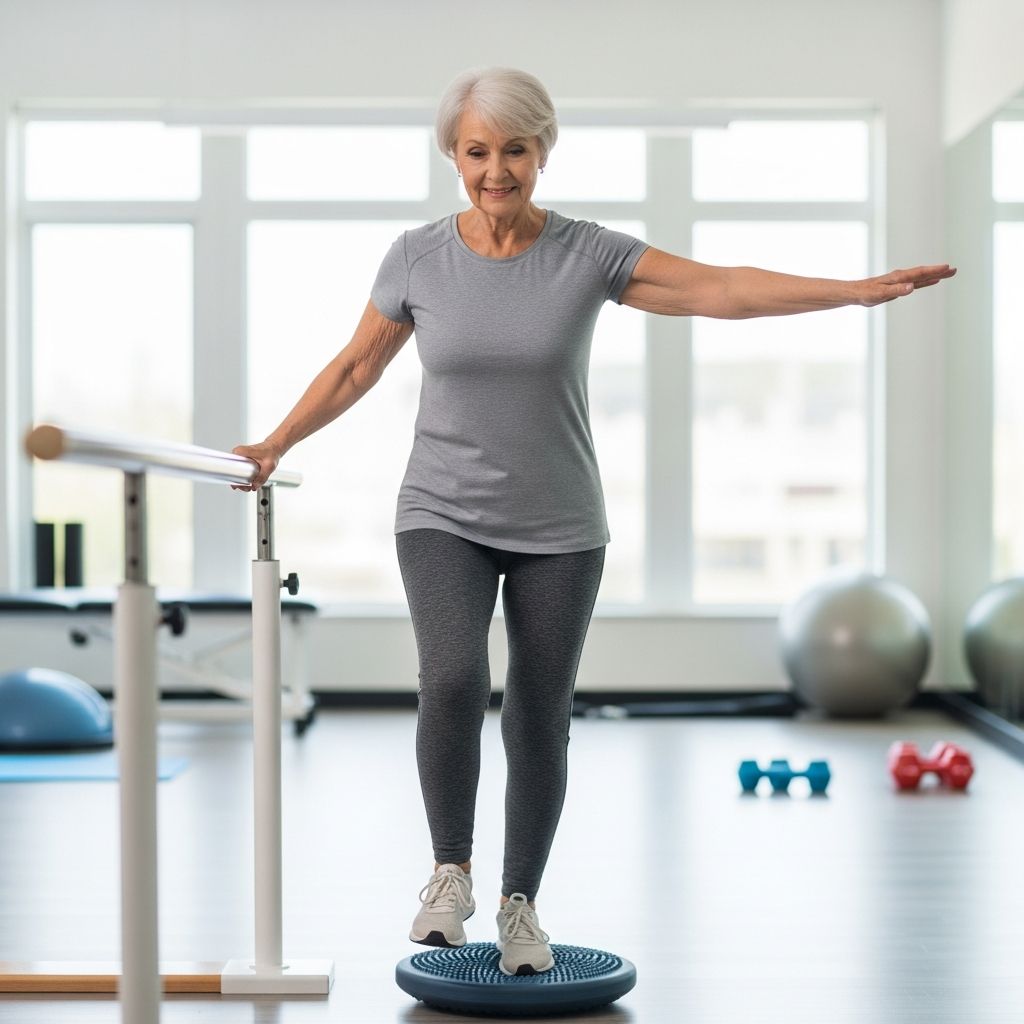
Maintaining balance is one of the most critical components of healthy aging. As we grow older, the natural decline in balance and coordination can significantly increase the risk of falls—one of the leading causes of injury among adults over 60. Fortunately, Harvard Medical School research has identified effective, accessible approaches to improve balance and maintain stability well into our senior years.
Understanding Balance and Its Importance in Aging
Balance is the body’s ability to maintain its center of gravity over its base of support. This complex function involves coordination between the inner ear, eyes, muscles, and nervous system. As we age, changes in muscle mass, bone density, vision, and proprioception (awareness of body position in space) can compromise balance and increase fall risk.
Falls among older adults are not merely inconvenient; they can result in serious injuries including fractures, head trauma, and long-term disability. According to health experts, preventing falls through proactive balance training is far more effective than managing injuries after they occur.
Why Traditional Exercise May Not Be Enough
While walking and jogging are commonly recommended for older adults, Harvard experts have found that these activities alone may not provide optimal balance improvement. High-impact exercises can strain joints and may not adequately address the neurological and proprioceptive components necessary for true balance enhancement.
Walking and running primarily focus on cardiovascular fitness and leg strength but don’t necessarily train the body’s stability systems or improve coordination in varied positions. For seniors seeking comprehensive balance improvement, more targeted approaches are needed.
Harvard’s Recommended Martial Arts for Balance
Harvard Medical School has identified three particularly effective martial arts practices for seniors: Tai Chi, Aikido, and Wing Chun. These practices represent a departure from typical martial arts training, focusing instead on slow, controlled, and mindful movements.
Tai Chi: The Gold Standard for Senior Balance
Tai Chi stands out as the most widely recommended practice by Harvard researchers, particularly for adults over 60. This ancient Chinese martial art involves slow, flowing movements performed in a deliberate, meditative manner. Dr. Peter M. Wayne of Harvard Medical School has conducted extensive research on Tai Chi’s effects on aging, demonstrating remarkable benefits for balance and overall health.
Tai Chi practice involves:
- Slow, controlled movements that challenge balance in safe, progressive ways
- Weight shifting from one leg to another, improving stability
- Low, stable stances that strengthen leg muscles
- Mindful awareness of body position and movement
- Deep breathing techniques that enhance oxygen circulation
The complexity of Tai Chi routines, combined with their calm and deliberate nature, creates multiple benefits. Dr. Wayne’s research shows that Tai Chi helps the body remain responsive and coordinated even in advanced age. Beyond balance, practitioners experience improved memory and concentration, likely due to the mental engagement required to learn and perform the forms.
Aikido: Emphasizing Smooth Movement and Self-Awareness
Aikido is a Japanese martial art that emphasizes blending with rather than opposing force. For seniors, Aikido can be modified to focus on smooth, flowing movements and body awareness without the high-impact components of traditional training.
Key benefits of Aikido for balance include:
- Development of postural awareness and alignment
- Improved spatial orientation
- Enhanced proprioceptive feedback
- Gentle strengthening of core muscles
- Reduced risk of joint strain
The practice teaches practitioners to move efficiently and safely, principles that directly translate to everyday activities and fall prevention.
Wing Chun: Controlled Motion and Stability
Wing Chun, a Chinese martial art known for its practical applications and efficient movements, can be adapted effectively for senior practitioners. This style emphasizes controlled, precise movements rather than speed or force, making it suitable for older adults.
When modified for seniors, Wing Chun offers:
- Development of quick reflexive responses
- Improved reaction time and coordination
- Enhanced lower body stability
- Better weight distribution and balance
- Increased muscle activation and tone
Physical Benefits of Martial Arts for Balance
Beyond the specific techniques, martial arts training provides comprehensive physical benefits that work together to improve balance and prevent falls.
Muscle Strengthening
Practicing these martial arts strengthens the muscles essential for balance, particularly in the legs, core, and hips. Strong muscles provide the foundation necessary for maintaining stability during daily activities and during moments of instability.
Flexibility and Range of Motion
The controlled movements in these practices enhance flexibility without the jarring impact of high-intensity exercise. Improved range of motion allows seniors to adjust body position more effectively to maintain balance during unexpected situations.
Proprioceptive Training
Perhaps most importantly, these martial arts challenge the body’s proprioceptive system—the sensory feedback that tells us where our body is in space. This training is crucial for preventing falls because it enhances the nervous system’s ability to make real-time adjustments to maintain stability.
Cognitive and Mental Health Benefits
The benefits of martial arts practice extend far beyond physical balance. These practices simultaneously enhance mental function and emotional well-being, creating a holistic approach to healthy aging.
Memory and Concentration
Learning and practicing martial arts routines requires significant cognitive engagement. The complexity of movements and sequences stimulates memory formation and improves concentration. Harvard research indicates that this mental engagement may help maintain cognitive function and reduce age-related cognitive decline.
Stress Reduction and Better Sleep
The slow, mindful nature of these practices, combined with controlled breathing techniques, significantly reduces stress and anxiety. The deep breathing involved in martial arts training activates the parasympathetic nervous system, promoting relaxation and improving sleep quality—both essential factors for overall health and recovery.
Social Connection and Emotional Health
Group classes provide valuable social interaction, which is a critical component of emotional health and longevity. Regular participation in classes helps combat isolation, a significant risk factor for depression and cognitive decline in older adults. The community aspect of martial arts training creates motivation, accountability, and friendship.
Comparison of Balance Benefits
| Activity | Balance Improvement | Joint Impact | Cognitive Benefits | Social Component |
|---|---|---|---|---|
| Walking | Moderate | Low | Minimal | Variable |
| Jogging | Moderate | High | Minimal | Variable |
| Tai Chi | High | Very Low | High | High |
| Aikido | High | Low | Moderate-High | High |
| Wing Chun | High | Low | Moderate-High | High |
Getting Started Safely
Before beginning any new exercise program, especially martial arts training, it is essential to consult with your healthcare provider. Your doctor can assess your current health status, identify any contraindications, and provide personalized recommendations.
Finding Qualified Instruction
Working with an instructor experienced in teaching seniors is crucial. These instructors understand the specific needs and limitations of older adults and can modify techniques appropriately. They can ensure that movements are performed with correct form, preventing injury and maximizing benefits.
Starting Gradually
Begin with basic movements and gradually increase complexity and intensity as your strength, balance, and confidence improve. Most instructors recommend starting with one or two classes per week and building from there.
Consistency and Progress
Regular practice is essential for seeing benefits. Research suggests that practicing three or more times weekly provides optimal results for balance improvement and fall prevention.
Frequently Asked Questions
Q: Is it ever too late to start martial arts for balance improvement?
A: No. Martial arts can be adapted for any age and fitness level. Many people begin these practices well into their 70s, 80s, and beyond and experience significant improvements in balance and overall health.
Q: How long before I see improvements in balance?
A: Most practitioners notice improvements within 4-8 weeks of consistent practice, though some benefits, such as enhanced proprioception, may develop more gradually over months.
Q: Can these martial arts be practiced at home?
A: While classes provide the best instruction and social benefits, many basic movements can be practiced at home after initial instruction from a qualified teacher. However, professional guidance is strongly recommended.
Q: Do I need to be fit to start?
A: No. These practices can be modified for any fitness level. They are designed to gradually build strength, flexibility, and balance from your current starting point.
Q: What if I have arthritis or other chronic conditions?
A: Many forms of arthritis and chronic conditions can benefit from martial arts practice. Always inform your instructor about any health concerns so they can provide appropriate modifications.
Conclusion
Maintaining balance is fundamental to aging well and preserving independence. Harvard Medical School’s research demonstrates that martial arts—particularly Tai Chi, Aikido, and Wing Chun—offer superior benefits for balance improvement, fall prevention, and overall wellness compared to traditional exercise alone. These practices provide not only physical strengthening but also cognitive enhancement, stress reduction, and social connection. By consulting with healthcare providers, finding experienced instructors, and committing to regular practice, older adults can significantly improve their balance, confidence, and quality of life. The journey to better balance begins with a single step—or, more appropriately, a single mindful movement.
References
- Tai Chi Improves Balance and Reduces Fall Risk in Older Adults — Harvard Medical School, Dr. Peter M. Wayne. 2023. https://www.health.harvard.edu/
- Centers for Disease Control and Prevention: Important Facts about Falls — CDC National Center for Injury Prevention and Control. 2024. https://www.cdc.gov/falls/facts.html
- World Health Organization: Falls Prevention in Older Age — WHO Global Report on Falls Prevention in Older Age. 2008. https://www.who.int/teams/noncommunicable-diseases/sensory-functions-disability-and-rehabilitation/falls
- The Role of Proprioception in Balance and Fall Prevention — National Institute on Aging. 2024. https://www.nia.nih.gov/
- Social Engagement and Cognitive Function in Older Adults — Journal of Gerontology, peer-reviewed research. 2023. https://academic.oup.com/gerontologist/
Similar Articles





Read full bio of medha deb