Balanitis: Causes, Symptoms, Treatment & Prevention
Understanding balanitis: A comprehensive guide to causes, symptoms, and effective treatment options.
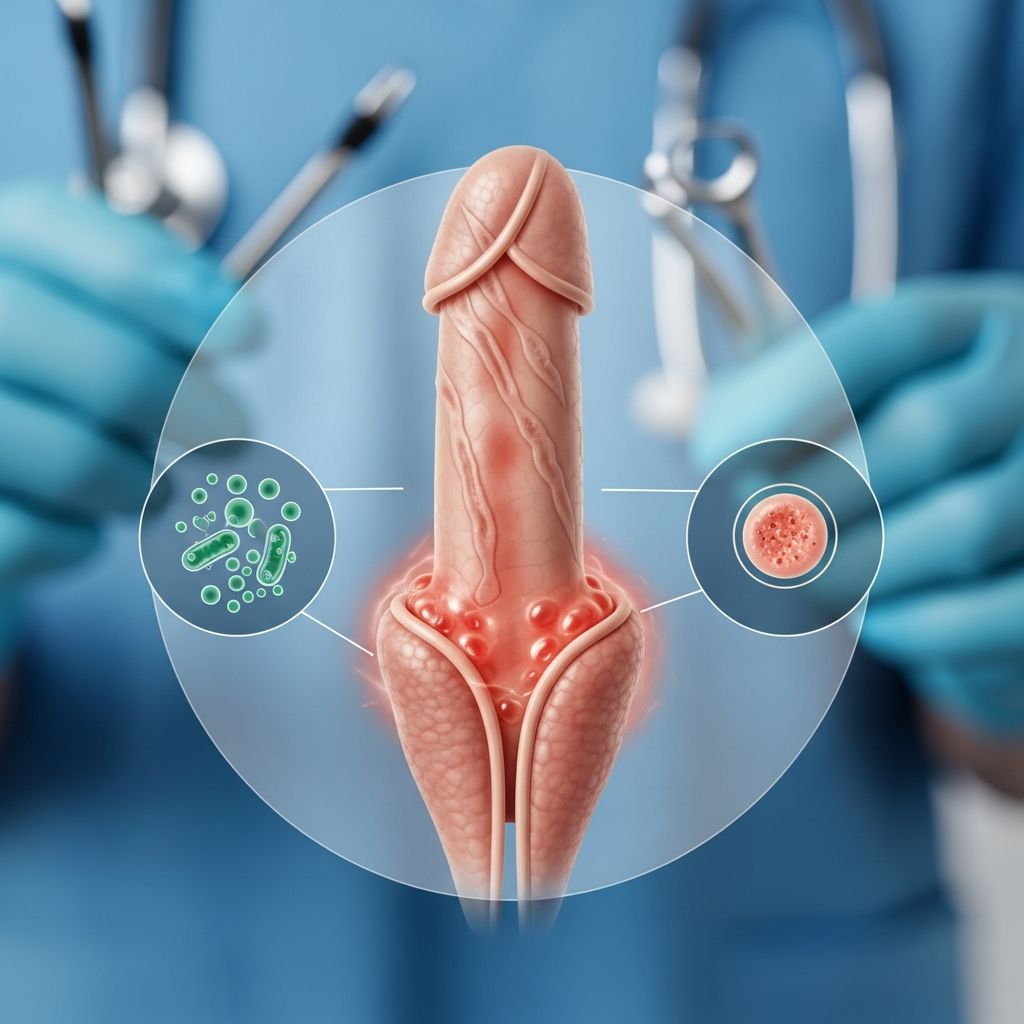
Understanding Balanitis: A Complete Medical Guide
Balanitis is a treatable medical condition characterized by pain and inflammation of the glans, which is the head of the penis. This condition occurs most frequently in uncircumcised males and can result from various causes including fungal infections, bacterial infections, viral infections, and dermatological conditions. While balanitis is not typically serious, it is important to seek medical attention to determine the underlying cause and receive appropriate treatment to prevent complications and ensure proper healing.
What is Balanitis?
Balanitis refers to swelling and irritation of the glans penis that causes discomfort and inflammatory symptoms. The condition manifests as redness, discoloration (appearing red, purple, gray, or white), or discolored patches on the head of the penis, along with shiny and swollen areas of skin. It is important to note that balanitis is not contagious and is not classified as a sexually transmitted infection, although certain STIs may cause balanitis symptoms.
Related Condition: Balanoposthitis
Balanoposthitis is a related condition that involves inflammation of both the foreskin and glans. This condition occurs exclusively in uncircumcised males and presents with itching, irritation, and swelling of both the foreskin and glans. Balanoposthitis occurs more frequently in individuals with diabetes or those with a tight foreskin.
Prevalence and Risk Factors
Healthcare providers estimate that up to 10% of males will experience balanitis at some point during their lifetime. The condition is particularly prevalent in uncircumcised children under the age of 4. In adult males, balanitis is more common among those with diabetes or individuals with foreskin who do not maintain proper hygiene underneath the foreskin.
Who is Most at Risk?
Several factors increase the likelihood of developing balanitis:
– Uncircumcised status (primary risk factor)- Poor hygiene habits, particularly inadequate cleaning under the foreskin- Diabetes or other metabolic conditions- Tight foreskin (phimosis)- Warm, moist environments that promote bacterial and fungal growth- History of recurrent infections- Age (children under 4 and older adults)
Causes of Balanitis
Balanitis most commonly results from infections, though noninfectious causes also exist. Yeast infections represent the most frequent cause, but bacterial, viral, and parasitic infections can also trigger the condition. Understanding the specific cause is essential for determining appropriate treatment.
Infectious Causes
The primary infectious causes of balanitis include:
– Fungal infections: Candida albicans is the most common fungal culprit, thriving in warm, moist environments- Bacterial infections: Various bacteria can cause balanitis, often related to poor hygiene- Viral infections: Certain viruses may contribute to inflammatory symptoms- Parasitic infections: Though less common, parasites can cause balanitis- Sexually transmitted infections: Some STIs may manifest as balanitis symptoms
Noninfectious Causes
Several noninfectious conditions can also result in balanitis symptoms, including allergic reactions, dermatological conditions, and inflammatory skin disorders. Additionally, there are links between certain types of balanitis and precancerous or cancerous conditions, highlighting the importance of medical evaluation.
Symptoms and Signs
The symptoms of balanitis are typically localized to the head and foreskin area and may vary in severity depending on the underlying cause. Recognizing these symptoms is crucial for timely medical intervention.
Related Stories



Common Symptoms Include:
– Redness and inflammation of the glans- Pain or discomfort in the affected area- Itching and irritation- Swelling of the glans and foreskin- Discoloration appearing red, purple, gray, or white- Shiny, swollen skin patches- Unusual discharge- Difficulty retracting the foreskin- Pain during urination- General discomfort
These symptoms may develop gradually or appear suddenly, and their intensity can range from mild to severe depending on the underlying cause and individual factors.
Diagnosis and Testing
Healthcare providers diagnose balanitis through a combination of physical examination and laboratory testing to determine the underlying cause. A comprehensive diagnostic approach ensures appropriate treatment and helps identify any related conditions.
Diagnostic Methods
The diagnostic process typically includes:
– Physical examination: A thorough visual inspection of the affected area- Urethral swab: A sample may be taken from the urethral opening and sent to a laboratory for analysis- Urine testing (urinalysis): To check for infections and other abnormalities- Blood tests: To screen for diabetes and other systemic infections- Biopsy: In some cases, a tissue sample may be recommended if alternative conditions are suspected
These diagnostic tools help providers identify whether the balanitis is caused by a specific infection, allergic reaction, or other underlying condition, which directly influences the treatment approach.
Treatment Options
The treatment for balanitis depends on the specific cause of the condition. Most cases require some form of treatment, and without intervention, symptoms may worsen or additional complications may develop. The fastest way to cure balanitis is to consult with a healthcare provider who can make an official diagnosis and prescribe the appropriate treatment.
Primary Treatment Approaches
| Treatment Type | When Used | Description |
|---|---|---|
| Antifungal Creams | Yeast infections | Prescriptions like clotrimazole treat fungal balanitis |
| Antibiotics | Bacterial infections, STIs | Specific antibiotics prescribed based on infection type |
| Topical Steroids | Inflammatory conditions | Hydrocortisone and similar creams reduce inflammation |
| Regular Cleaning | All cases | Essential hygiene practices support healing |
| Circumcision | Recurrent cases | Surgical option for persistent or recurring balanitis |
Symptomatic Relief
To quickly relieve swelling and pain while undergoing treatment, you can take over-the-counter nonsteroidal anti-inflammatory drugs (NSAIDs) or acetaminophen (Tylenol®). Not everyone can safely take these medications, so it is advisable to consult with your healthcare provider before use. Additionally, applying ice or a cold compress wrapped in a light towel for up to 10 minutes several times daily can help reduce swelling.
Proper Hygiene and Care
Maintaining proper hygiene is fundamental to both treating and preventing balanitis. This includes regularly cleaning the area underneath the foreskin with warm water, ensuring thorough drying, and avoiding irritating substances. Good hygiene practices form the foundation of treatment and are essential for preventing recurrence.
Recovery Timeline and Outlook
The recovery timeline for balanitis varies depending on the underlying cause and treatment compliance. In most cases, patients begin to feel better within a few days or a week after starting treatment. With proper diagnosis and treatment, most individuals make a full recovery.
However, for people with foreskin, balanitis commonly returns after treatment. The risk of recurrence increases significantly if you do not clean under your foreskin regularly. This makes ongoing preventive care and hygiene practices crucial for long-term management.
Potential Complications
While balanitis is typically not serious in most cases, untreated or chronic balanitis can lead to serious health complications. Understanding these potential complications emphasizes the importance of seeking timely medical care.
Complications of Untreated Balanitis
Chronic inflammation resulting from untreated balanitis may cause:
– Narrowing of the urethral opening (meatus stricture)- Urinary retention- Vesicoureteral reflux (backflow of urine toward the kidneys)- Phimosis (painful retraction of the foreskin)- Paraphimosis (medical emergency where foreskin becomes trapped)- Chronic inflammation- Rarely, increased risk of penile cancer
Rarely, there is a documented link between chronic inflammation and a higher risk of developing penile cancer. This underscores the importance of addressing balanitis promptly and maintaining preventive measures.
Prevention Strategies
Preventing balanitis involves maintaining excellent hygiene practices and managing underlying health conditions. Key prevention strategies include:
– Regularly clean underneath the foreskin with warm water- Ensure thorough drying after cleaning and bathing- Maintain good overall hygiene practices- Manage diabetes and other metabolic conditions effectively- Wear breathable, loose-fitting underwear- Avoid irritating substances and soaps- Practice safe sex to reduce STI transmission risk- Seek prompt medical attention for any symptoms- Follow healthcare provider guidance for ongoing care
Important Clarifications
Is Balanitis Contagious?
No, balanitis itself is not contagious and is not a sexually transmitted infection. However, certain sexually transmitted infections may cause balanitis symptoms, and until you receive a formal diagnosis from a healthcare provider confirming that the cause is not an STI, it is prudent to avoid sexual contact.
Should I Seek Medical Care?
Yes, it is important to see a healthcare provider to determine the cause of balanitis and receive appropriate treatment. Professional medical evaluation ensures accurate diagnosis and effective treatment, reducing the risk of complications and recurrence.
Frequently Asked Questions About Balanitis
Q: What is the most common cause of balanitis?
A: Yeast infections, particularly those caused by Candida albicans, represent the most common cause of balanitis. However, bacterial infections, viral infections, and dermatological conditions can also cause the condition.
Q: How long does balanitis take to heal?
A: In most cases, patients begin to feel better within a few days to a week after starting appropriate treatment. Full recovery typically occurs with continued treatment and proper hygiene practices.
Q: Can balanitis be prevented?
A: Yes, balanitis can often be prevented through regular cleaning under the foreskin, maintaining good hygiene, ensuring thorough drying, managing underlying conditions like diabetes, and practicing safe sex.
Q: Is circumcision the only treatment for recurring balanitis?
A: No, circumcision is considered in cases of recurrent balanitis, but it is not the only treatment option. Proper hygiene, appropriate medications, and management of underlying conditions are typically tried first.
Q: When should I see a doctor about balanitis symptoms?
A: You should see a healthcare provider if you experience symptoms such as redness, swelling, pain, or discharge affecting the head or foreskin of your penis. Prompt evaluation is important to determine the cause and prevent complications.
Q: Can balanitis lead to serious complications?
A: While balanitis is usually not serious, untreated chronic inflammation can lead to complications including urethral stricture, phimosis, paraphimosis, and rarely, increased risk of penile cancer.
References
- Balanitis: Causes, Symptoms, Treatment & Prevention — Cleveland Clinic. 2024. https://my.clevelandclinic.org/health/diseases/21186-balanitis
Similar Articles








Read full bio of medha deb