Balanitis: Symptoms, Risk Factors & Effective Treatment
Comprehensive guide to balanitis: inflammation of the penis glans, covering causes, symptoms, diagnosis, treatment, and prevention strategies.
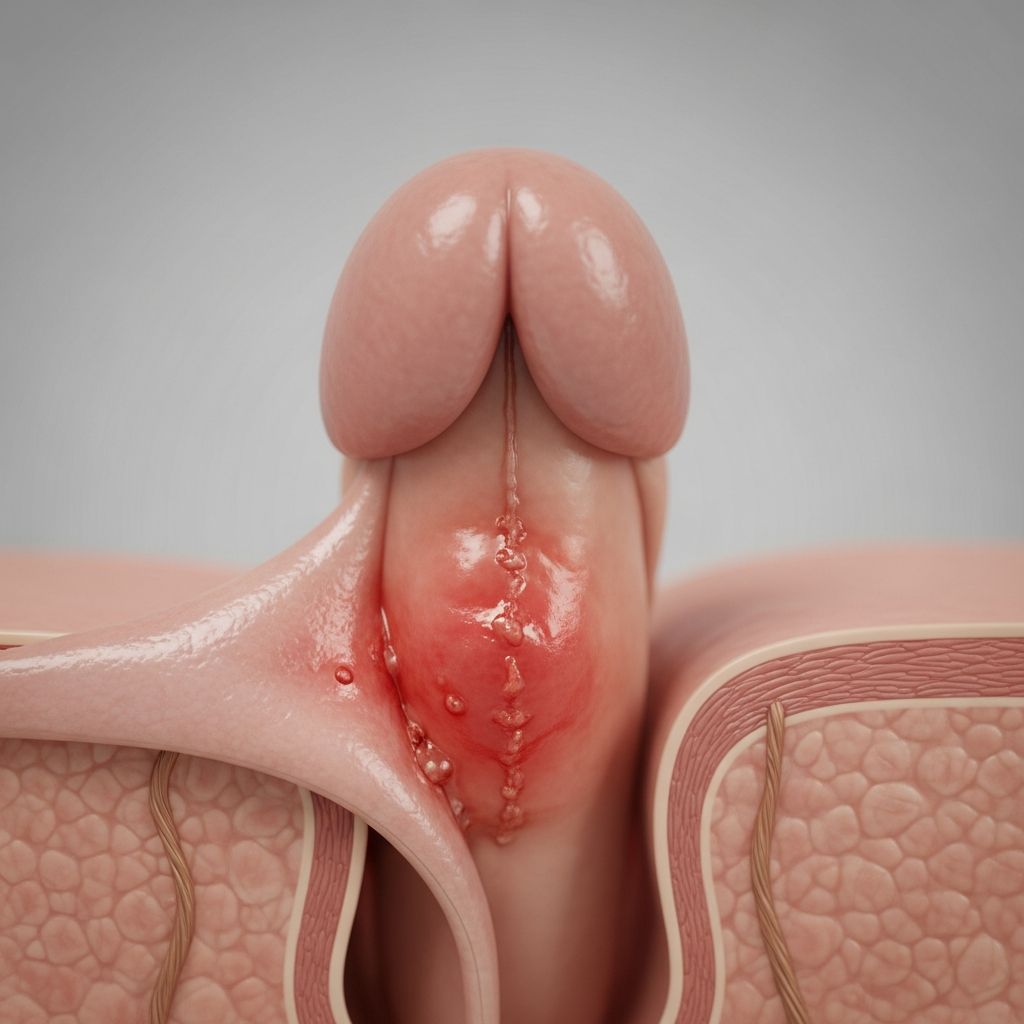
Authoritative facts about balanitis from DermNet New Zealand dermatologists, adapted and synthesized from high-credibility medical sources.
What is balanitis?
Balanitis refers to inflammation of the
glans penis
(head of the penis), often involving the foreskin in uncircumcised males, known as balanoposthitis. It affects approximately 3-11% of males during their lifetime, predominantly uncircumcised men due to the moist environment under the foreskin promoting microbial growth. The condition causes redness, swelling, irritation, and discharge, but is rarely serious if treated promptly. Balanitis itself is not contagious, though underlying infections may be transmissible.Inflammation arises from irritants, infections (fungal, bacterial, viral), or systemic factors like diabetes. Poor hygiene exacerbates risks by allowing smegma (dead skin cells, oils, and moisture) accumulation, fostering pathogens like Candida albicans, the most common cause. Diabetic patients face higher incidence due to elevated glucose levels favoring yeast proliferation.
Who gets balanitis?
Balanitis primarily affects
uncircumcised males
, with peak incidence in children under 4 years and adults aged 40-60. Risk factors include:- Poor genital hygiene: Inadequate cleaning under the foreskin.
- Phimosis: Tight foreskin preventing retraction and cleaning.
- Diabetes mellitus: Hyperglycemia promotes candidal infections.
- Immunosuppression: HIV, chemotherapy, or steroids increase susceptibility.
- Sexual activity: Exposure to irritants or STIs.
- Skin conditions: Psoriasis, lichen planus, or eczema.
Circumcised males rarely develop it, as circumcision reduces risk by over 90% through improved hygiene and reduced moisture. Women may experience equivalent vulvovaginitis from similar causes.
What causes balanitis?
Causes are categorized as infectious, noninfectious, or mixed. Key etiologies include:
Infectious causes
- Candida species: Most common (30-35%), thriving in moist, glucose-rich environments.
- Bacteria: Anaerobes (Bacteroides), streptococci, staphylococci; often secondary to fungal overgrowth.
- STIs: Chlamydia, gonorrhea, herpes, syphilis, trichomonas.
- Other: Gardnerella, Borrelia in anaerobic conditions.
Noninfectious causes
- Irritants: Soaps, detergents, spermicides, latex condoms, perfumes.
- Drugs: Fixed eruptions from antibiotics (tetracycline), NSAIDs, sulfonamides.
- Systemic: Diabetes, cirrhosis, pancreatic enzyme autodigestion.
- Dermatoses: Psoriasis (painless fissuring), lichen planus (itchy purple papules), Zoon balanitis (chronic in older men).
Anaerobic overgrowth from hygiene neglect often initiates a cycle of inflammation and secondary infection.
What are the clinical features of balanitis?
Symptoms develop over days, worsening without intervention:
- Redness/swelling: Glans and foreskin erythema, shiny tight skin.
- Pain/itching: Soreness, dysuria (painful urination), dyspareunia.
- Discharge: Thick, foul-smelling white/yellow exudate under foreskin (smegma-like).
- Foreskin issues: Tightening (posthitis), phimosis, adhesions.
- Odor: Unpleasant smell from bacterial/fungal overgrowth.
Severe cases progress to edema, cellulitis, or urinary retention. Diabetics show fulminant presentation.
How is balanitis diagnosed?
Diagnosis is clinical, based on history and exam. Key steps:
- History: Hygiene, diabetes, irritants, sexual history, recurrence.
- Examination: Inspect glans/foreskin for erythema, discharge, ulcers; retract foreskin gently.
- Swabs: Microscopy/culture for yeast, bacteria, STIs if purulent/ulcerative.
- Biopsy: Persistent/refractory cases to rule out malignancy, Zoon, or lichen sclerosus.
- Tests: Blood glucose, STI screen (if risk).
Related Stories



Differential includes candidiasis, herpes, fixed drug eruption, carcinoma in situ.
What is the treatment for balanitis?
Treatment targets etiology, with hygiene cornerstone. Most resolve in 1-2 weeks.
| Type | Treatments |
|---|---|
| Hygiene-focused | Gentle saline baths twice daily; avoid soap. Retract/clean foreskin. |
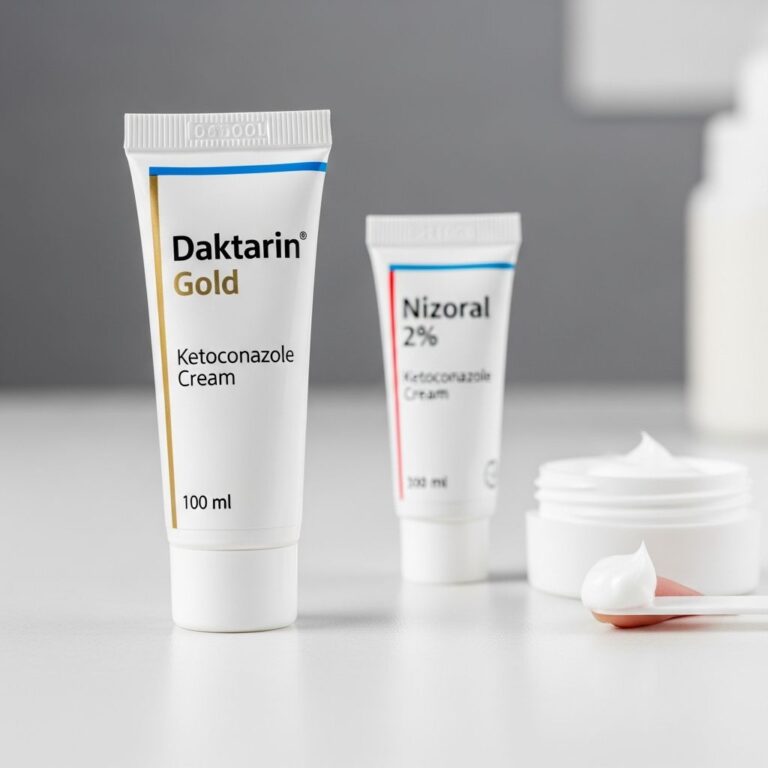
| Fungal (Candida) | Topical imidazoles (clotrimazole 1%, miconazole 2%) BID x1-2 weeks; add hydrocortisone 1% if inflamed. Oral fluconazole 150mg if severe. |
| Bacterial | Topical antibiotics (mupirocin); oral if systemic. |
| STI-related | Azithromycin/ceftriaxone for chlamydia/gonorrhea; acyclovir for HSV. |
| Inflammatory | Mild steroid cream (hydrocortisone); calcineurin inhibitors for steroid-refractory. |
| Recurrent/Complicated | Circumcision; diabetes control. |
Partners treat only if symptomatic. Avoid irritants.
What is the outcome for balanitis?
Prognosis excellent with prompt treatment: 80-90% resolve fully. Recurrence common (20%) without hygiene changes or circumcision. Complications rare: scarring, phimosis, meatal stenosis, paraphimosis, Fournier gangrene (immunocompromised). Chronic cases risk squamous cell carcinoma if untreated.
How can balanitis be prevented?
Prevention emphasizes hygiene and risk reduction:
- Daily cleaning: Retract foreskin, wash with lukewarm water/saline, dry thoroughly.
- Avoid irritants: Fragrance-free soaps, non-latex condoms, no spermicides.
- Diabetes management: Glycemic control reduces yeast risk.
- Post-sex hygiene: Wash after intercourse.
- Circumcision: Highly effective for recurrent cases.
Related topics
- Phimosis
- Candidal balanitis
- Zoon balanitis
- Plasma cell balanitis
- Lichen sclerosus
Frequently Asked Questions
Q: Is balanitis contagious?
A: No, but underlying infections like candida or STIs can be transmitted sexually.
Q: Does balanitis go away on its own?
A: Mild cases may, but treatment accelerates resolution and prevents complications.
Q: Can women get balanitis?
A: Equivalent is vulvovaginitis; similar causes/treatments.
Q: Is circumcision necessary for balanitis?
A: Only for recurrent/severe cases unresponsive to hygiene/medication.
Q: What home remedies help balanitis?
A: Saline soaks, emollients; avoid self-medication without diagnosis.
References
- Balanitis: Causes, symptoms, and treatments — Medical News Today. 2023-10-12. https://www.medicalnewstoday.com/articles/184715
- Doctor explains BALANITIS (a red and sore penis) — YouTube (Dr. Tracey Video). 2023-01-15. https://www.youtube.com/watch?v=Mr1wTEdPa8M
- Infection of the Penis Tip and Foreskin – Balanitis — WebMD. 2024-05-20. https://www.webmd.com/men/penis-disorder-balanitis
- Balanitis — StatPearls, NCBI Bookshelf (Peer-reviewed). 2023-11-03. https://www.ncbi.nlm.nih.gov/books/NBK537143/
- Balanitis — NHS (UK Government Health Service). 2024-02-14. https://www.nhs.uk/conditions/balanitis/
- Balanitis — SA Health (Government of South Australia). 2023-08-01. https://www.sahealth.sa.gov.au/wps/wcm/connect/public+content/sa+health+internet/conditions/infectious+diseases/balanitis/balanitis
- Balanitis fact sheet — Melbourne Sexual Health Centre (Government-funded). 2024-01-10. https://www.mshc.org.au/sexual-health/sexual-health-fact-sheets/balanitis-fact-sheet
- Balanitis — MedlinePlus (U.S. National Library of Medicine). 2023-07-22. https://medlineplus.gov/ency/article/000862.htm
Similar Articles








Read full bio of medha deb