Balneotherapy: Essential Guide To Benefits, Risks, And Uses
Therapeutic bathing in mineral waters for skin and musculoskeletal conditions, with centuries of use and modern evidence.
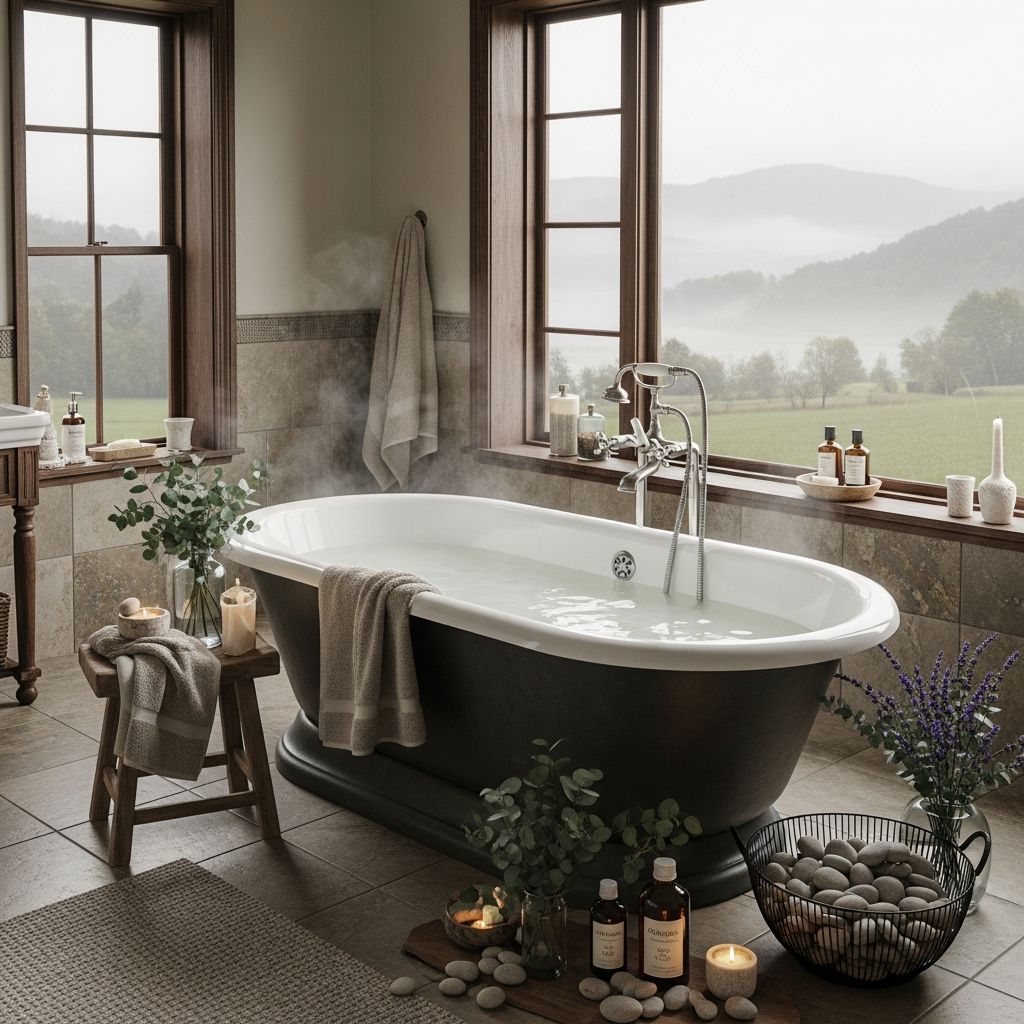
Balneotherapy is the treatment of disease by bathing in
thermal mineral waters
. This practice has been widely used for centuries, particularly for chronic skin and musculoskeletal conditions. It declined in popularity last century with new drugs but is regaining interest as a complementary option with few side effects.What is balneotherapy?
Balneotherapy, derived from the Latin balneum meaning bath, involves immersion in mineral-rich thermal waters from natural springs, seas, or synthetic solutions. Waters typically range 30–40°C and contain bicarbonate, sulfate, sulfide, chloride, magnesium, and other minerals. It differs from hydrotherapy by emphasizing mineral content over temperature alone.
Historical use spans ancient civilizations, including Roman baths and hot springs worldwide. Sites like the Dead Sea, Kangal Hot Springs (Turkey), and Blue Lagoon (Iceland) are renowned. In Europe (Germany, France, Hungary), it’s integrated into healthcare systems.
Uses of balneotherapy
Balneotherapy targets
chronic inflammatory conditions
, especially:- Skin conditions: Psoriasis, atopic dermatitis (eczema), acne.
- Musculoskeletal disorders: Rheumatoid arthritis, osteoarthritis, ankylosing spondylitis, low back pain, fibromyalgia.
- Other: Parkinson’s disease, varicose veins, asthma, COPD, stress, anxiety.
A systematic review confirms success in atopic dermatitis, psoriasis, rheumatoid arthritis, ankylosing spondylitis, osteoarthritis, and low back pain.
How to use balneotherapy
No standardized regimen exists; protocols vary by center. Typical immersion: 20–30 minutes, 1–3 times daily, over days to months. Temperature: 30–40°C. Combined with mud packs, exercise, or phototherapy.
At-home versions use Epsom salts (magnesium sulfate) or sea salts dissolved in baths, mimicking mineral effects.
Process of balneotherapy
Treatment cycles involve:
- Preparation: Skin cleansing; optional mud application (fangotherapy).
- Immersion: Full or partial body in thermal pools.
- Duration: 15–40 minutes, monitored for comfort.
- Post-treatment: Rest, hydration; sometimes massage or UV exposure.
Variations include:
- Balneophototherapy: Salt baths + UVB for psoriasis. Cochrane review shows low-quality evidence of reduced severity vs. UVB alone.
- Balneophotochemotherapy (Bath PUVA): Psoralen bath + UVA.
- Inhalation/Drinking: Mineral vapors or waters for respiratory/metabolic benefits.
Effectiveness of balneotherapy
Evidence is mixed due to blinding challenges in trials. Positive findings:
| Condition | Evidence Summary | Source |
|---|---|---|
| Psoriasis | Improved severity with balneophototherapy; Dead Sea studies show remission | |
| Atopic Dermatitis | Reduced symptoms, better quality of life | |
| Osteoarthritis | 2023 review (17 studies): Pain relief, improved QoL | |
| Rheumatoid Arthritis/Ankylosing Spondylitis | Short-term pain reduction, mobility gains | |
| Low Back Pain | Symptom alleviation | |
| Stress/Anxiety | 2024 review (765 participants): Lowered cortisol, inflammation |
Meta-analyses indicate benefits for rheumatic diseases and skin issues, though placebo effects from relaxation may contribute. Not a cure; complements standard care.
How balneotherapy works
Mechanisms include:
- Thermal effects: Heat relaxes muscles, boosts circulation, blocks pain signals via skin receptors.
- Chemical absorption: Minerals (sulfur, magnesium) penetrate skin, reducing inflammation; inhaled steam aids respiration.
- Mechanical buoyancy: Reduces joint load, eases movement.
- Psychological: Relaxation lowers stress hormones.
Sulfur waters may act locally on skin/joints and systemically.
Contraindications for balneotherapy
Avoid in:
- Acute infections, open wounds, fever.
- Cardiovascular instability (uncontrolled hypertension, heart failure).
- Pregnancy (first trimester), epilepsy.
- Severe respiratory issues, incontinence.
- Mineral allergies.
Related Stories



Consult physicians; monitor temperature-sensitive patients.
Benefits of balneotherapy
- Non-pharmacological: Minimal side effects vs. drugs.
- Holistic: Improves pain, mobility, skin, mental health.
- Cost-effective long-term for chronic conditions.
- Enhances QoL; supports rehab.
Disadvantages of balneotherapy
- Access limited to spas/sources.
- Time-intensive (travel, sessions).
- Variable efficacy; not standardized.
- Costly without insurance.
Side effects and risks
Rare, mild: Skin dryness, irritation, fatigue, hypotension. Overheating risks dehydration, dizziness. Mineral-specific: Sulfur odor, staining. Hygienic concerns in public pools.
High-quality waters minimize risks; supervised settings preferred.
Frequently Asked Questions
What conditions does balneotherapy treat best?
Psoriasis, atopic dermatitis, osteoarthritis, rheumatoid arthritis, and low back pain show strongest evidence.
Can I do balneotherapy at home?
Yes, with Epsom or sea salt baths, but less potent than natural thermal waters.
How long until results?
Short-term relief in days; chronic benefits over weeks/months.
Is it scientifically proven?
Moderate evidence for specific uses; more RCTs needed due to study limitations.
Who should avoid it?
Those with acute illness, heart conditions, or open wounds.
References
- Balneotherapy | Research Starters — EBSCO. 2023. https://www.ebsco.com/research-starters/complementary-and-alternative-medicine/balneotherapy
- Balneotherapy – Uses, Side Effects, and More — WebMD. 2024. https://www.webmd.com/vitamins/ai/ingredientmono-1234/balneotherapy
- Balneotherapy — Wikipedia (citing Cochrane). 2024. https://en.wikipedia.org/wiki/Balneotherapy
- Balneotherapy — DermNet NZ. 2024-01-28. https://dermnetnz.org/topics/balneotherapy
- What Is Balneotherapy? — WorldSprings (citing reviews). 2024. https://www.worldsprings.com/blog/what-is-balneotherapy
- Balneotherapy — Global Wellness Institute. 2023. https://globalwellnessinstitute.org/wellnessevidence/balneotherapy/
- Balneotherapy in medicine: A review — PMC – NIH. 2009-07-30. https://pmc.ncbi.nlm.nih.gov/articles/PMC2723310/
Similar Articles








Read full bio of medha deb