Balsalazide (Colazide): Essential Guide To Ulcerative Colitis
Comprehensive guide to balsalazide (Colazide) for treating ulcerative colitis: uses, dosage, side effects, and precautions.
About balsalazide
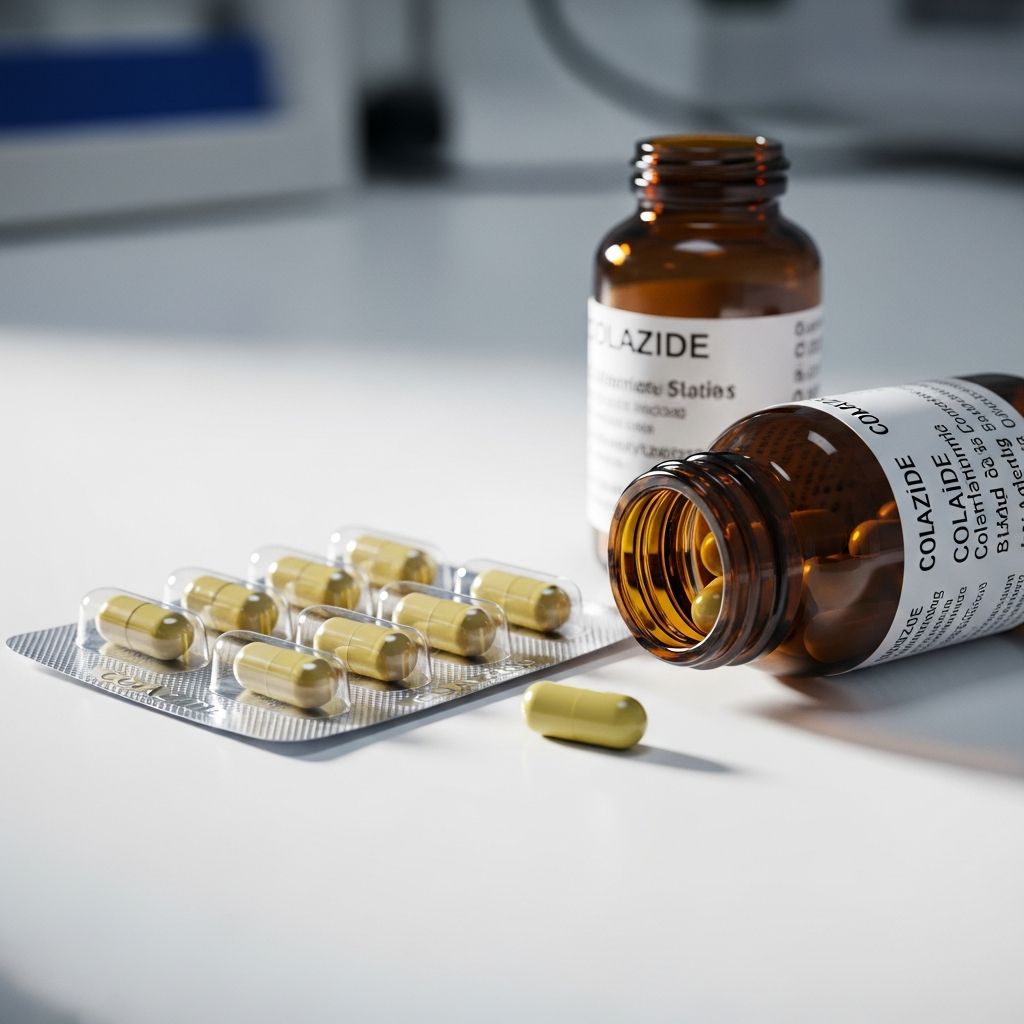
Balsalazide, marketed as Colazide, is an aminosalicylate medication specifically formulated to manage ulcerative colitis, a chronic inflammatory bowel disease affecting the large intestine and rectum. This condition leads to symptoms such as abdominal pain, diarrhea, rectal bleeding, and ulceration of the intestinal lining. Balsalazide is available exclusively as capsules and is prescribed for adults and children aged 5 years and older with mild to moderately active disease.
| Type of medicine | Used for | Also called | Available as |
|---|---|---|---|
| Aminosalicylate | Ulcerative colitis in adults and children 5+ | Colazide AE | Capsules |
Ulcerative colitis is characterized by inflammation and sores in the colon’s lining, causing significant discomfort and potential complications if untreated. Balsalazide targets this inflammation locally within the bowels, promoting healing and symptom relief. Unlike systemic steroids, it acts primarily in the gut, minimizing widespread side effects.
How balsalazide works
Balsalazide is a prodrug that consists of the active compound mesalamine (5-aminosalicylic acid or 5-ASA) linked to a carrier molecule, 4-aminobenzoyl-B2-alanine, via an azo bond. Upon reaching the colon, gut bacteria cleave this bond through azoreduction, releasing mesalamine directly at the site of inflammation.
The precise mechanism remains under study, but balsalazide is believed to inhibit the production of inflammatory chemicals and proteins in the intestinal lining. It reduces bowel inflammation, thereby alleviating diarrhea, rectal bleeding, stomach pain, and other symptoms associated with ulcerative colitis. Systemic absorption of balsalazide is minimal (less than 1%), ensuring the therapeutic effect is localized to the colon where it’s needed most.
This targeted delivery distinguishes balsalazide from other aminosalicylates like mesalamine formulations, as the carrier enhances delivery to the distal colon. Clinical evidence supports its efficacy in inducing remission in active ulcerative colitis, often within 8-12 weeks.
Before taking balsalazide
Allergy
Do not take balsalazide if you have a known allergy to salicylates (such as aspirin), mesalamine, or any components of the capsules. Allergic reactions can manifest as difficulty breathing, facial swelling, rash, or hives—seek immediate medical attention if these occur.
Pregnancy and breastfeeding
Human data on balsalazide use during pregnancy is limited; it is generally not recommended unless the benefits outweigh potential risks. Consult your doctor if pregnant or planning pregnancy. Similarly, breastfeeding mothers should discuss risks, as mesalamine metabolites may pass into breast milk in small amounts.
Blood and kidney disorders
Balsalazide requires caution in patients with blood disorders (e.g., anemia), kidney problems, or liver disease. Regular blood tests are essential to monitor for rare but serious effects like blood dyscrasias or kidney stones. Drink plenty of fluids to mitigate kidney stone risk.
Other medicines
Inform your doctor of all medications, as balsalazide may interact with digoxin (monitor levels), azathioprine, or 6-mercaptopurine (increased risk of blood disorders due to thiopurine methyltransferase inhibition). No significant salicylate-like interactions occur with typical analgesics.
How to take balsalazide
Always follow your doctor’s instructions precisely. Capsules should be taken with food or a snack to improve tolerance and absorption. Swallow whole; do not crush or chew.
Related Stories



Dosage for adults
For active ulcerative colitis, the standard dose is 2.25 g (3 capsules of 750 mg) three times daily (total 6.75 g/day) until remission, up to 12 weeks maximum. Once improved, reduce to 1.5 g (2 capsules) twice daily (3 g/day) for maintenance. Concomitant use of rectal or oral steroids may be advised for severe cases.
Dosage for children (5 years and older)
Dosing is weight-based: approximately 1 or 3 capsules (750 mg or 2.25 g) three times daily, not exceeding adult limits. Pediatric use is for mild to moderate active disease.
| Patient Group | Active Disease | Maintenance |
|---|---|---|
| Adults | 3 capsules 3x/day (6.75 g) | 2 capsules 2x/day (3 g) |
| Children 5+ | 1-3 capsules 3x/day (weight-based) | As per doctor |
Miss a dose? Take it as soon as remembered unless near the next dose—do not double up. Attend all follow-up appointments for blood tests and progress checks.
Getting the most from your treatment
- Complete the full course as prescribed, even if symptoms improve, to prevent relapse.
- Maintain a balanced diet, stay hydrated, and avoid triggers like high-fiber foods during flares.
- Regular monitoring via blood tests ensures safety, particularly for kidney and blood function.
- Do not stop abruptly without medical advice; tapering may be needed.
- Lifestyle adjustments, such as stress management, complement pharmacological treatment.
Side-effects of balsalazide
Most side effects are mild and transient, improving as your body adjusts. Common ones include:
| Common (affects >1 in 100) | Less Common | Rare but Serious |
|---|---|---|
| Headache, abdominal pain, diarrhea, nausea | Cough, joint pain, numbness, hair loss | Bleeding/bruising, sore throat, fever, allergic reactions |
Report persistent or worsening symptoms to your doctor. Seek urgent care for signs of blood problems (unexplained bruising, purple skin patches), severe allergic reactions (swelling, breathing issues), or kidney pain. Kidney stones are rare; ample fluid intake helps prevent them.
Common questions about balsalazide
How long does balsalazide take to work?
Improvement often occurs within weeks, with full remission targeted in 8-12 weeks. Some patients respond faster.
Is balsalazide a steroid?
No, it is an aminosalicylate, preferred first-line over steroids due to fewer side effects.
Can children take balsalazide?
Yes, approved for ages 5+ with mild-moderate ulcerative colitis.
What if I overdose?
Symptoms mimic mild salicylate intoxication (e.g., ringing ears, nausea). Seek medical help; treatment is supportive.
Does balsalazide cause weight gain?
No, unlike steroids; it does not typically affect weight.
Further reading and support
For more on ulcerative colitis management, consult resources from trusted health organizations. Patient support groups offer valuable community insights. Always prioritize professional medical advice over general information.
References
- Balsalazide (Colazal) – Uses, Side Effects, and More – WebMD. 2023. https://www.webmd.com/drugs/2/drug-20258/balsalazide-oral/details
- Balsalazide: MedlinePlus Drug Information – MedlinePlus (NIH). 2024-01-15. https://medlineplus.gov/druginfo/meds/a699052.html
- Colazide 750mg Capsules – Summary of Product Characteristics – electronic Medicines Compendium (MHRA/EMC). 2024-05-20. https://www.medicines.org.uk/emc/product/6391/smpc
- Balsalazide (Colazal): Uses, Side Effects, Dosage & More – GoodRx. 2024. https://www.goodrx.com/balsalazide/what-is
- Balsalazide – Colazide – Patient.info. 2024. https://patient.info/medicine/balsalazide-colazide
- Balsalazide (oral route) – Mayo Clinic. 2024-02-01. https://www.mayoclinic.org/drugs-supplements/balsalazide-oral-route/description/drg-20062119
Similar Articles








Read full bio of medha deb