Balsam of Peru Allergy: Symptoms, Diagnosis & Management Guide
Comprehensive guide to understanding, diagnosing, and managing Balsam of Peru contact allergy and related sensitivities.
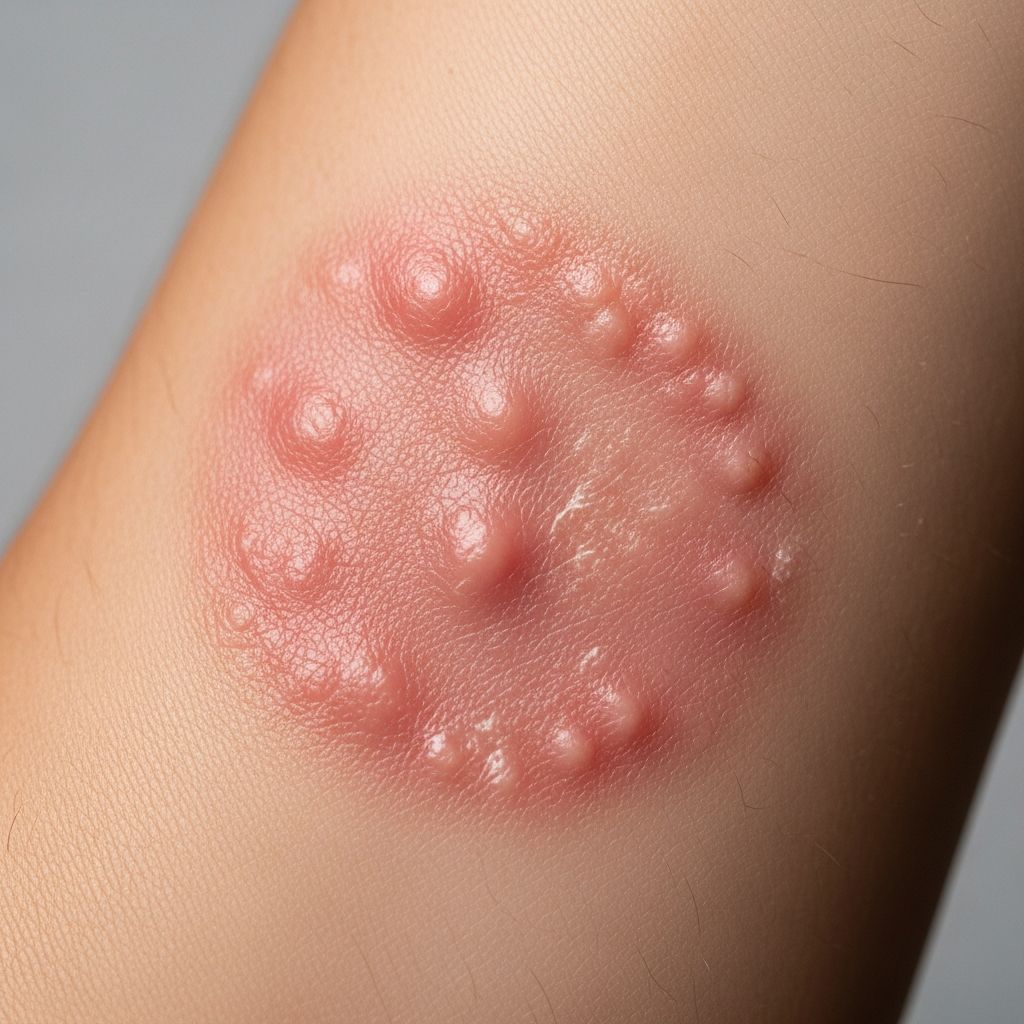
Balsam of Peru, also known as Myroxylon pereirae, is a natural resin extracted from trees in Central America, widely used for its fragrance, flavouring, and medicinal properties. Allergy to this substance is a common cause of allergic contact dermatitis, affecting sensitive individuals through skin contact, ingestion, or inhalation.
What is Balsam of Peru?
Balsam of Peru is a viscous, aromatic resin obtained from the Myroxylon balsamum tree. It comprises 60-70% resin, including cinnamic acid, cinnamyl cinnamate, benzyl benzoate, and benzoic acid, with the remaining 30-40% consisting of resins of unknown composition and essential oils akin to those in citrus peels. These components act as potential allergens.
Beyond its aromatic and fixative qualities—which slow evaporation—it offers mild antiseptic, antifungal, and antiparasitic effects. Primarily applied as a fragrance in perfumes and toiletries, a flavouring in foods and drinks, and for healing in medicinal products.
Who gets Balsam of Peru allergy? (Who is at risk? What are the risk factors?)
Sensitivity to Balsam of Peru arises in individuals repeatedly exposed to products containing it or chemically related substances. It ranks among the top allergens in patch testing, positive in about 50% of fragrance allergy cases. Those with fragrance sensitivities, hand eczema, or occupational exposure to cosmetics, foods, or medicinals are at higher risk.
Highly allergic people may react systemically upon ingestion, experiencing worsened dermatitis or oral symptoms. Factors like prior skin barrier damage or genetic predisposition increase susceptibility.
Products containing Balsam of Peru
Balsam of Peru appears in diverse products, often unlabelled under alternative names like Myroxylon pereirae. The table below categorizes common sources:
| Fragrance | Flavouring | Medicinal |
|---|---|---|
| Perfumes, colognes, aftershaves | Citrus peels, spices (cinnamon, cloves, vanilla), chocolate, tomatoes, colas, flavoured teas | Wound ointments, haemorrhoid creams, lip balms, cough syrups |
| Soaps, shampoos, conditioners | Baked goods, ketchup, salsa, BBQ sauce | Dental products, antiseptic lotions |
| Cosmetics, deodorants | Aperitifs, benzoic acid preservatives | Anti-itch creams |
Note: Related substances like flavanoids or coniferyl benzoate in propolis, storax, or wood tars may also trigger reactions.
Cross reactions
Allergy to Balsam of Peru often sensitizes individuals to chemically similar compounds, particularly spices and flavourings used in cooking. Common cross-reactants include:
- Cinnamon
- Cloves
- Vanilla
- Citrus fruits
- Tomatoes and tomato products
- Chocolate
- Benzoin, storax, and wood tars
Avoidance of these is precautionary, as patch-positive patients frequently react to them.
Systemic contact dermatitis
In sensitive cases, ingesting Balsam of Peru or cross-reactants via food triggers systemic contact dermatitis (SCD), worsening existing skin rashes. This manifests as flared hand eczema, facial redness, or eyelid inflammation. Unlike IgE-mediated allergies, SCD stems from T-cell responses but mimics food allergy symptoms like oral itching or lip rashes.
Related Stories



For instance, consuming spiced foods or citrus may exacerbate dermatitis in fragrance-allergic patients. A 6-week avoidance diet often yields improvement.
What are the symptoms of Balsam of Peru allergy?
Typical allergic contact dermatitis presents as itchy, red rashes at contact sites, potentially blistering or peeling. Common areas include hands (from handling products), face (cosmetics), or genitals (toiletries). Oral exposure causes sore tongue, mouth inflammation, or perioral rashes.
- Skin: Redness, swelling, itching, vesicles, scaling
- Oral: Sore mouth, cracked lips, angular cheilitis
- Respiratory (rare): Coughing, wheezing, runny nose in atopics
- Severe: Urticaria, anaphylaxis-like symptoms in hypersensitive cases
Reactions may delay 24-48 hours post-exposure.
Am I allergic to Balsam of Peru?
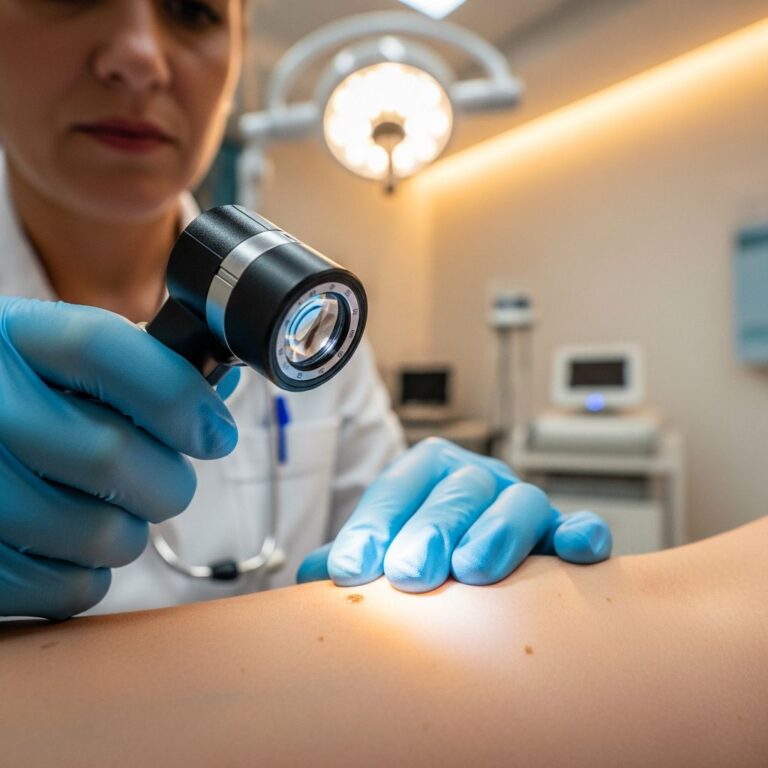
Suspect allergy if perfumes, creams, or spiced foods provoke persistent dermatitis. Patch testing with 25% Balsam of Peru in petrolatum confirms diagnosis, applied for 48 hours and read at days 2, 4, and 7. Positive in 50% of fragrance allergies; also test related mixes.
Use-by testing (apply product to antecubital fossa for 48 hours) screens unlabelled items, but avoid irritants like shampoos. Consult dermatologists for professional evaluation.
Treatment of Balsam of Peru allergy
Primary management is avoidance: scrutinize labels for Balsam of Peru, Myroxylon pereirae, or cross-reactants. Opt for fragrance-free, hypoallergenic products.
Symptomatic relief includes:
- Topical corticosteroids (e.g., hydrocortisone) for inflammation
- Emollients to restore barrier
- Antibiotics for secondary Staphylococcus aureus infection
- Severe cases: Oral steroids or immunosuppressants
Alert healthcare providers; consider low-Balsam diets for systemic issues.
What is the Balsam of Peru avoidance diet?
For SCD, eliminate high-risk foods for 4-6 weeks:
- Spices: Cinnamon, cloves, nutmeg, paprika
- Fruits: Citrus, tomatoes
- Others: Chocolate, vanilla, cola, flavoured teas, preserved meats
Reintroduce gradually to identify triggers. Improves flares in fragrance-allergic patients.
Prevention of Balsam of Peru allergy
Minimize exposure: Choose unscented products, read ingredients, and use barrier creams occupationally. Early patch testing aids high-risk individuals.
FAQ
Is Balsam of Peru the same as Peru balsam?
Yes, interchangeable terms for Myroxylon pereirae resin.
Can Balsam of Peru cause food allergies?
Not true IgE allergy, but systemic dermatitis from related flavours in foods.
How common is Balsam of Peru allergy?
Top 5-10 allergen in patch tests, especially fragrance-related.
Does patch testing hurt?
Mild discomfort; reactions monitored closely.
Can I use products with ‘fragrance’ if allergic?
No—may contain hidden Balsam.
References
- Balsam of Peru Allergy: Symptoms, Testing & Treatment — Wyndly. 2023. https://www.wyndly.com/blogs/learn/balsam-of-peru-allergy
- Immediate-type food allergy to balsam of Peru — National Center for Biotechnology Information (PMC). 2012-05-01. https://pmc.ncbi.nlm.nih.gov/articles/PMC3354097/
- Balsam of Peru contact allergy — DermNet NZ. 2023. https://dermnetnz.org/topics/balsam-of-peru-allergy
- Balsam of Peru Allergy Facts — Cleure. 2023. https://www.cleure.com/blogs/blog/balsam-of-peru-allergy
- The Balsam of Peru Avoidance Diet — Doctor Katta (Dermatology). 2017-07-07. https://www.doctorkatta.com/post/2017/07/07/the-balsam-of-peru-avoidance-diet-why-allergy-to-fragrance-additives-may-sometimes-mean-a
Similar Articles








Read full bio of Sneha Tete