Bananas In Smoothies: 84% Drop In Flavanol Absorption
Discover why adding bananas to smoothies can slash flavanol absorption by 84% and learn better fruit combos for max health benefits.
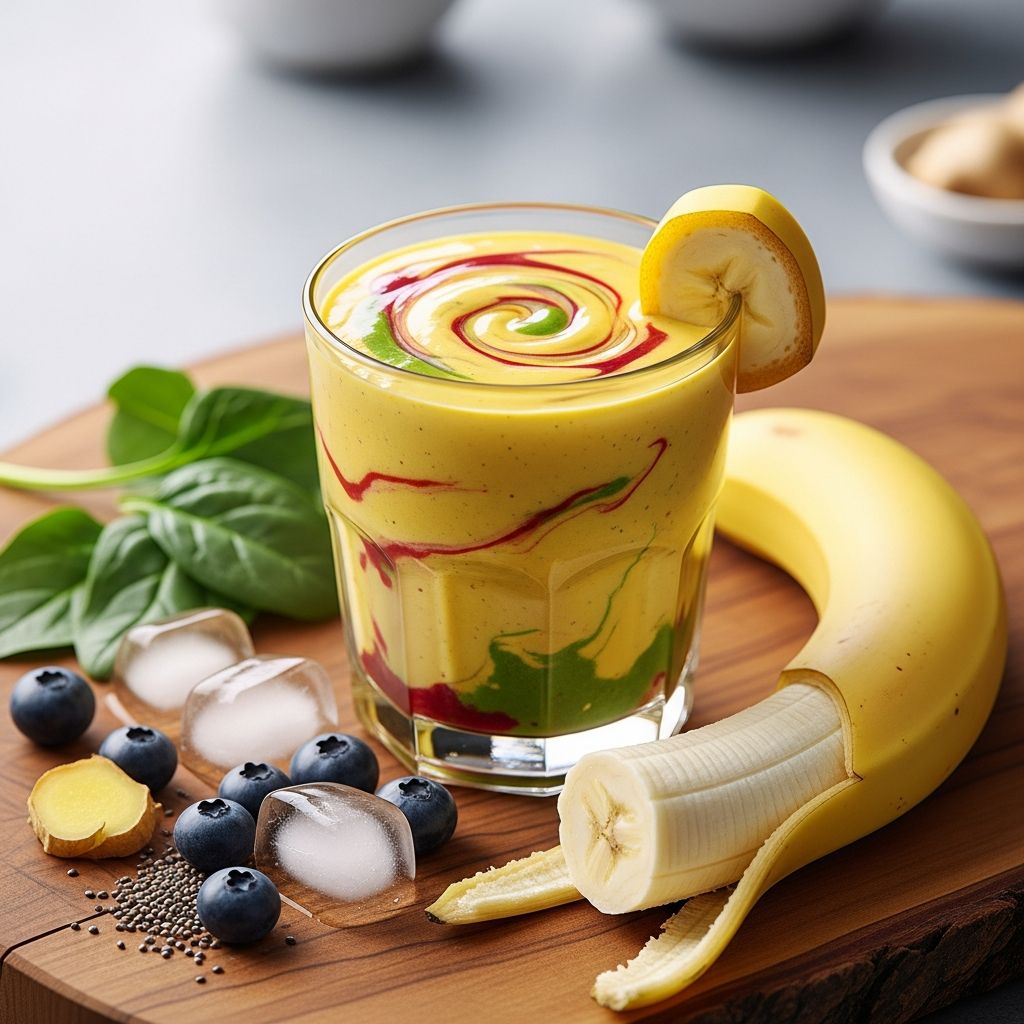
Smoothies pack fruits and veggies into a convenient drink, but a common ingredient like banana can undermine their health perks. Recent UC Davis research shows bananas slash flavanol absorption by 84% due to an enzyme called polyphenol oxidase (PPO).
Why Your Banana Smoothie Might Not Be as Healthy as You Think
Blending bananas with flavanol-rich fruits like berries, apples, or grapes triggers PPO, which degrades these beneficial compounds. Flavanols support heart health, brain function, and reduce inflammation, but high-PPO fruits like bananas hinder their bioavailability.
The study, published in Food & Function by the Royal Society of Chemistry, tested smoothies on participants. Those consuming banana smoothies had drastically lower flavanol levels in blood and urine compared to berry smoothies or flavanol capsules.
“We were really surprised to see how quickly adding a single banana decreased the level of flavanols,” said lead author Javier Ottaviani, PhD, director of the Core Laboratory at Mars Edge and UC Davis adjunct researcher.
What Are Flavanols—and Why Do They Matter?
Flavanols are bioactive polyphenols in apples, pears, blueberries, blackberries, grapes, tea, and cocoa. They improve blood flow, enhance memory, lower blood pressure, and combat oxidative stress.
The Academy of Nutrition and Dietetics recommends 400–600 mg daily for cardiometabolic benefits. A cup of berries or dark chocolate provides significant amounts, but absorption varies by preparation.
- Heart health: Flavanols relax blood vessels and reduce clotting risk.
- Brain function: They boost cerebral blood flow, aiding cognition in older adults.
- Anti-inflammatory: Regular intake lowers chronic disease markers.
The Science Behind the Banana Problem: Polyphenol Oxidase (PPO)
PPO causes fruits to brown when cut, reacting flavanols with oxygen. In smoothies, blending amplifies this, especially with high-PPO bananas.
UC Davis researchers compared:
| Smoothie Type | PPO Activity | Flavanol Absorption vs. Capsule |
|---|---|---|
| Banana Smoothie | High | 84% lower |
| Mixed Berries Smoothie | Low | Comparable to capsule |
| Flavanol Capsule (Control) | None | 100% baseline |
This enzymatic reaction happens instantly upon blending, reducing available flavanols before digestion.
Best Fruits and Ingredients for Flavanol-Rich Smoothies
Pair flavanol sources with low-PPO options to maximize benefits. Avoid high-PPO pairings like banana + berries.
- High-flavanol, low-PPO: Blueberries, blackberries, strawberries, apples (peeled if needed).
- Low-PPO boosters: Pineapple, oranges, mango, yogurt, spinach.
- High-PPO to avoid mixing: Bananas, apples (with skin), pears, beet greens.
Sample recipe: Blend 1 cup mixed berries, ½ cup pineapple chunks, 1 orange (peeled), and Greek yogurt. This combo preserves flavanols while adding creaminess and vitamin C.
Still Love Bananas? Here’s How to Enjoy Them Guilt-Free
Bananas provide potassium, fiber, and prebiotics—nutritious on their own. Make solo banana smoothies or pair with non-flavanol foods like nut butters or oats.
For variety:
Related Stories



- Banana + peanut butter + almond milk (no flavanol loss).
- Banana + spinach + yogurt (spinach PPO is moderate).
- Freeze bananas for ice cream-like texture without berries.
Other Smoothie Mistakes That Reduce Nutrient Absorption
Beyond bananas, common pitfalls include:
- Over-blending: Excessive processing introduces more air/oxygen, boosting PPO activity.
- High heat: Warm ingredients denature nutrients; use frozen fruits.
- Sugar overload: Added sugars spike blood glucose, negating fruit benefits.
- No fats/protein: Pair with avocado, nuts, or yogurt for better fat-soluble vitamin uptake.
Expert Tips for Nutrient-Maximized Smoothies
“Food preparation and combinations can affect the absorption of dietary compounds,” Ottaviani noted. Future research may explore tea brewing or cooking impacts on flavanols.
Additional advice from UC Davis nutritionists:
- Blend low-PPO first, add flavanol-rich last.
- Consume immediately to minimize oxidation.
- Aim for whole fruits over juices for fiber.
- Track intake: Apps like Cronometer log flavanols.
Frequently Asked Questions (FAQs)
Does adding banana to smoothies really reduce nutrients?
Yes, by 84% for flavanols due to PPO enzyme activity, per UC Davis study.
What fruits have low PPO for smoothies?
Pineapple, oranges, mango, and berries like strawberries and blueberries.
Are flavanols only in fruits?
No, also in cocoa, tea, grapes, and red wine. Daily goal: 400–600 mg.
Can I still eat bananas daily?
Absolutely—solo or with low-flavanol foods. They’re rich in potassium and fiber.
How to measure flavanol absorption at home?
You can’t precisely, but choose low-PPO combos and vary fruits for balance.
Broader Implications for Polyphenol Research
This study highlights how meal prep influences bioactive compounds. Similar effects may occur in salads, juices, or cooked dishes. Ongoing work at UC Davis and collaborators like Mars Inc. explores cocoa flavanols’ role in human health.
Funded by Mars Inc., the research involved UC Davis Nutrition Department, University of Reading, and King Saud University experts.
References
- Researchers Find that Adding a Banana to Fruit Smoothies Decreases Flavanol Absorption in the Body — Nutrition Health Review. 2023-08-29. https://nutritionhealthreview.com/nutrition/nutrition-basics/researchers-find-that-adding-a-banana-to-fruit-smoothies-decreases-flavanol-absorption-in-the-body/
- Bananas could be ruining your smoothie’s health benefits — ScienceDaily (UC Davis). 2025-10-27. https://www.sciencedaily.com/releases/2025/10/251027224844.htm
- You might be making this one mistake with your smoothie — University of California. 2023-09-07. https://www.universityofcalifornia.edu/news/you-might-be-making-one-mistake-your-smoothie
- Flavanol Bioavailability in Banana vs. Berry Smoothies — Food & Function (Royal Society of Chemistry). 2023-08-24. https://pubs.rsc.org/en/content/articlelanding/2023/fo/d3fo01597b
Similar Articles








Read full bio of medha deb