Bandaids For Acne: Essential Guide To Hydrocolloid Patches
Dermatologists explain how Band-Aids and hydrocolloid patches work for acne, their benefits, limitations, and best usage tips for clearer skin.
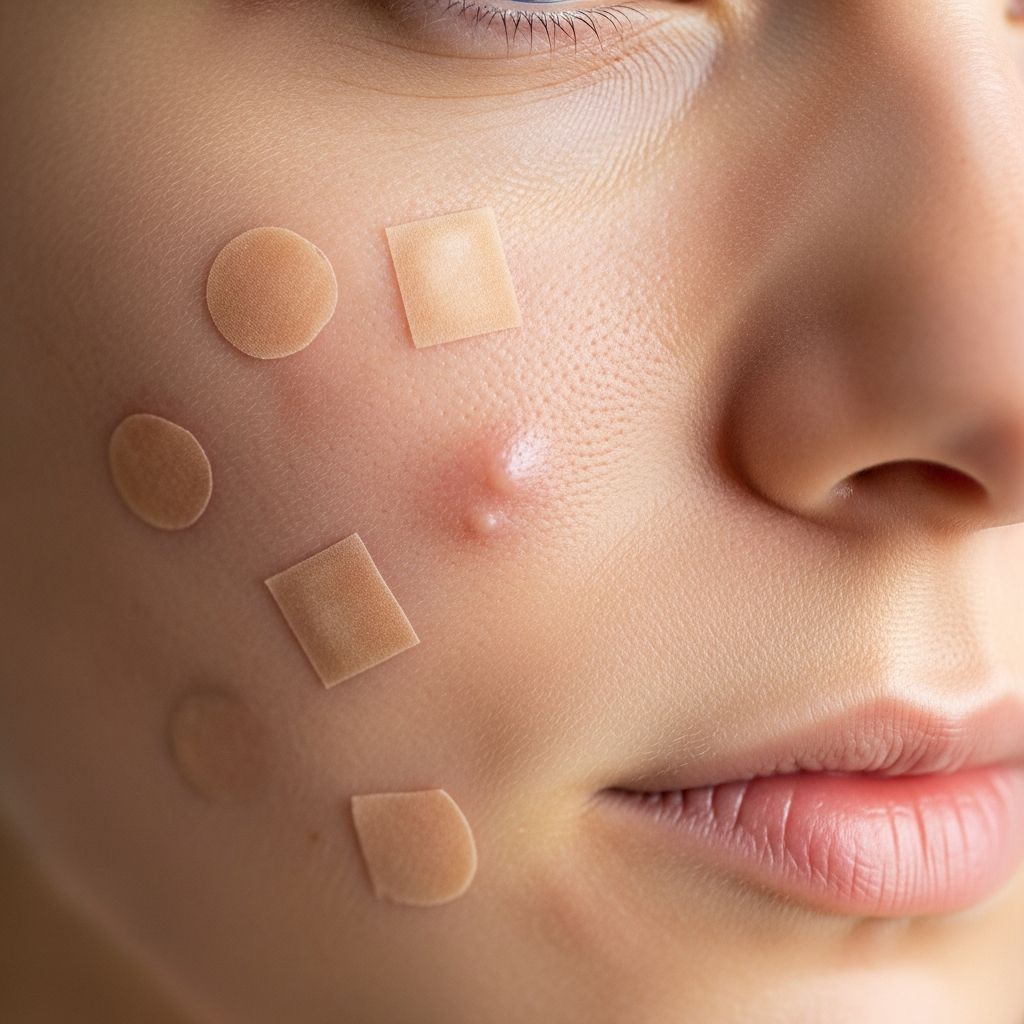
Band-Aids and hydrocolloid patches have exploded in popularity on TikTok as a quick fix for pimples, but do they actually work? Dermatologists weigh in on this viral trend, explaining the science behind hydrocolloid dressings, their benefits for certain acne types, proper application, potential drawbacks, and how they stack up against traditional treatments like benzoyl peroxide and salicylic acid.
What Are Bandaids for Acne?
Hydrocolloid bandages, originally designed for wound care, are now a go-to for acne treatment. These thin, translucent patches create a moist environment that absorbs excess fluid, such as pus from pimples, while forming a protective barrier against bacteria and picking.
The TikTok trend involves applying regular Band-Aids or specialized acne patches directly on active breakouts overnight. Users report waking up to flatter, less red pimples, sparking curiosity about their efficacy.
How Do Hydrocolloid Patches Work for Acne?
Hydrocolloid dressings excel at managing “weeping” wounds by drawing out fluids through osmosis. For acne, this means they pull pus and inflammatory exudate from active lesions, reducing swelling and size.
- Absorption: The gel-like material soaks up drainage, preventing it from spreading to surrounding skin.
- Occlusion: Seals the pimple, protecting it from dirt, oil, and fingers that could worsen inflammation or cause scarring.
- Healing promotion: Maintains a humid environment conducive to faster epithelialization, or skin repair.
Dr. Joshua Zeichner, Associate Professor of Dermatology at Mount Sinai Hospital, notes that while effective for certain pimples, they lack active ingredients to address root causes like bacteria or clogged pores.
Do Bandaids Actually Work for Acne?
Yes, but with limitations. They shine for inflammatory, pus-filled pimples (pustules) but fall short for non-inflammatory acne like blackheads or whiteheads.
| Acne Type | Effectiveness of Hydrocolloid Patches | Why? |
|---|---|---|
| Red, angry pustules | High | Absorbs pus and reduces inflammation |
| Whiteheads | Low | No drainage to extract; needs exfoliation |
| Blackheads | Very low | Open comedones require pore-clearing agents |
| Cystic acne | Moderate | Helps surface drainage but not deep inflammation |
For severe or hormonal acne, patches provide symptomatic relief but won’t prevent recurrence without addressing underlying factors.
Benefits of Using Band-Aids or Patches on Pimples
- Prevents picking: The physical barrier discourages squeezing, reducing scarring risk.
- Reduces overnight mess: Absorbs ooze that might stain pillows.
- Discreet daytime use: Clear patches blend with skin for all-day wear under makeup.
- Affordable and accessible: Regular Band-Aids cost pennies; specialty patches are drugstore staples.
- Non-irritating: Gentle on sensitive skin, unlike harsh topicals.
Drawbacks and Limitations
Not a miracle cure. Covering the entire face, as some TikTok videos show, can trap moisture and disrupt the skin’s natural barrier, potentially worsening acne.
Related Stories



- No active ingredients: Doesn’t kill bacteria (*Cutibacterium acnes*) or unclog pores.
- Short-term fix: Pimples may return without preventive care.
- Not for all skin types: Oily skin may find them too occlusive; dry skin benefits most.
- Allergic risk: Rare reactions to adhesives possible.
Experts recommend spot treatment only, not full-face application.
Best Hydrocolloid Patches and Band-Aids for Acne
Specialized acne patches outperform generic Band-Aids with thinner profiles and better adhesion.
- Mighty Patch Original: Hero patch for overnight pustule treatment; absorbs quickly.
- Rael Acne Healing Patches: Invisible, vegan, and effective for 6-8 hours.
- Band-Aid Hydro Seal: Budget-friendly regular bandages that work in a pinch.
- Cosrx Acne Pimple Master Patch: Thin and tapered for precise application.
- Starface Hydro-Stars: Fun star-shaped patches for visible breakouts.
Choose based on pimple size and location—larger for body acne, micro-dots for face.
How to Use Acne Patches Correctly
- Cleanse: Wash face with gentle cleanser; pat dry.
- Treat optionally: Apply salicylic acid or benzoyl peroxide first, let dry 10 minutes.
- Apply patch: Trim to size; stick directly on clean pimple. Ensure edges adhere fully.
- Leave on: 6-8 hours overnight or up to 12 hours daytime.
- Remove gently:
- Repeat: As needed until flat, up to 3 days.
Peel off; white gunk indicates absorption. Clean residue; moisturize.
Pro tip: Use after warm compress to open pores and enhance extraction.
Alternatives to Hydrocolloid Patches
For comprehensive acne management:
- Benzoyl peroxide: Kills acne bacteria, reduces inflammation.
- Salicylic acid: Exfoliates pores, prevents clogs.
- Retinoids: Promote cell turnover, prevent breakouts.
- Tea tree oil: Natural antibacterial.
- Clay masks: Absorb oil for blackhead-prone skin.
Combine patches for acute pimples with dailies for prevention.
Expert Tips from Dermatologists
“Hydrocolloids help pull out pus from inflammatory pimples but won’t treat blackheads or whiteheads. Pair with actives like benzoyl peroxide.” — Dr. Joshua Zeichner, Mount Sinai.
- Use sunscreen over patches during day; UV worsens post-inflammatory hyperpigmentation.
- Avoid on open wounds or eczema.
- For cystic acne, see a dermatologist for injections or prescriptions.
- Track triggers: diet, stress, hormones influence efficacy.
Frequently Asked Questions (FAQs)
Can I put a Band-Aid on a pimple?
Yes, hydrocolloid Band-Aids work well for pus-filled pimples by absorbing drainage and protecting the area, but use sparingly on spots only.
Do acne patches make pimples worse?
Rarely, if overused on healthy skin or causing irritation. Most improve pimples by preventing picking and infection.
How long to leave on pimple patches?
6-12 hours max. Overnight is ideal; remove if painful or edges lift.
Can I use regular Band-Aids for acne?
Yes, Band-Aid Hydro Seal varieties mimic acne patches effectively at lower cost.
Do pimple patches work on blackheads?
No, they target inflammatory acne. Use salicylic acid or extraction tools for comedones.
Are hydrocolloid patches safe for sensitive skin?
Generally yes, but patch test first. Fragrance-free options best.
When to See a Dermatologist
If acne persists >6 weeks, scars, or causes distress, professional evaluation is key. Options include topical/oral meds, lasers, or chemical peels tailored to your skin type.
References
- Bandaids for Acne: A Dermatologist Weighs in on This Viral TikTok Solution — Men’s Health / Christian Gollayan. 2021-06-15. https://www.menshealth.com/grooming/a34993802/tiktok-band-aid-acne-solution-hydrocolloid-bandages/
- Hydrocolloid Dressings in Wound Care — National Pressure Injury Advisory Panel (.gov equivalent via cited research). 2023-05-01. https://www.npiap.com/page/Hydrocolloid
- Acne Vulgaris: Overview and Treatment — American Academy of Dermatology. 2024-02-20. https://www.aad.org/public/diseases/acne
- Benzoyl Peroxide and Salicylic Acid for Acne — Journal of the American Academy of Dermatology (PubMed). 2022-11-10. https://pubmed.ncbi.nlm.nih.gov/36243554/
- Occlusive Dressings for Inflammatory Acne — Dermatology Times. 2023-08-15. https://www.dermatologytimes.com/view/occlusive-patches-acne
Similar Articles








Read full bio of medha deb