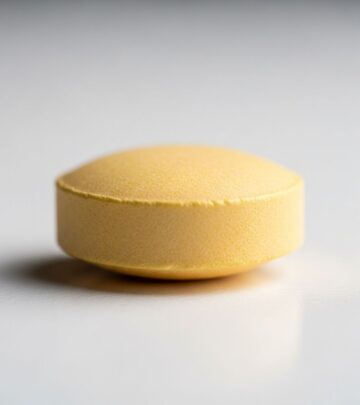
Baricitinib
Oral JAK1/2 inhibitor for severe alopecia areata, atopic dermatitis, and other inflammatory skin conditions.
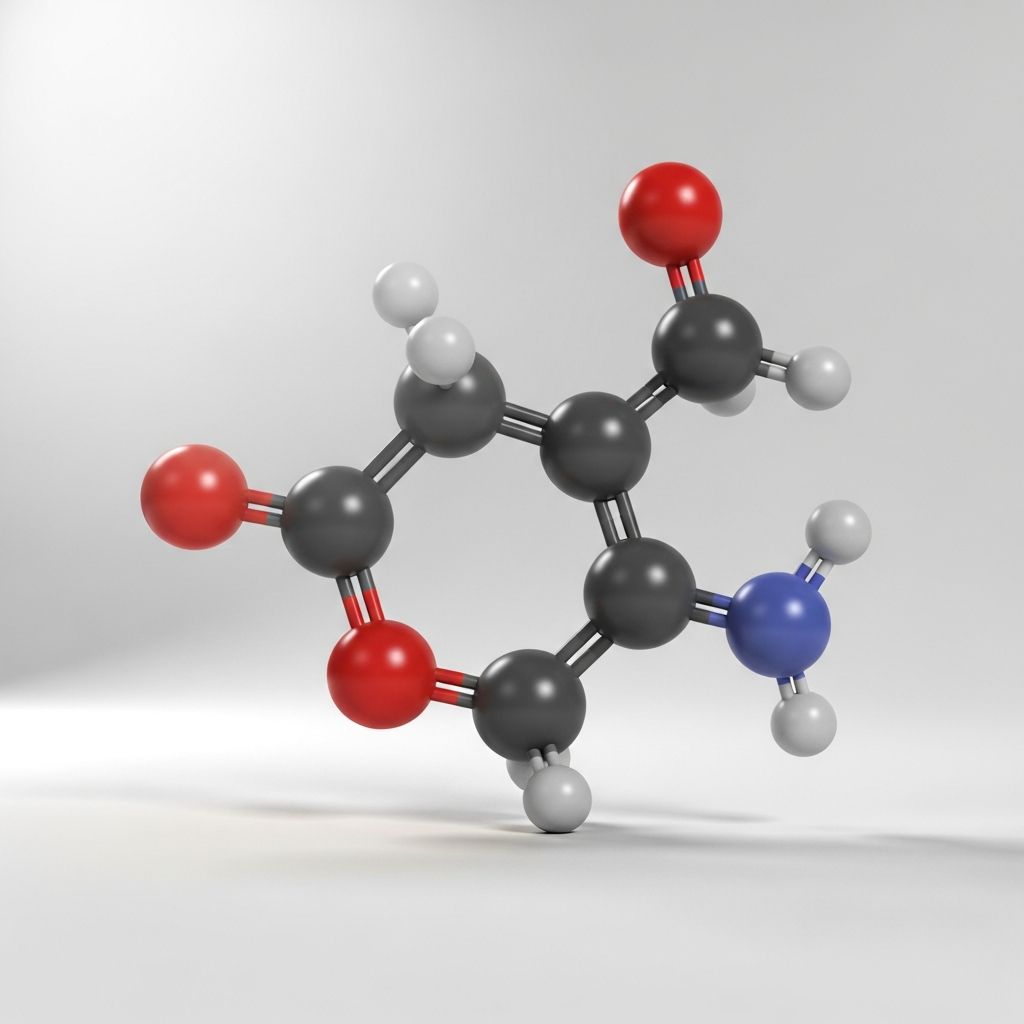
Baricitinib is an orally administered first-generation selective inhibitor of the tyrosine kinase receptors
JAK1
andJAK2
. It is approved in several countries for treating rheumatoid arthritis and has gained prominence in dermatology for managing severe alopecia areata and atopic dermatitis unresponsive to conventional therapies. By blocking the JAK-STAT signaling pathway, baricitinib interrupts intracellular cytokine transmission, reducing inflammation in immune-mediated skin diseases.What is baricitinib?
Baricitinib (brand name
Olumiant®
) is a small-molecule drug that selectively inhibitsJAK1
andJAK2
enzymes. These kinases are critical in the JAK-STAT pathway, which mediates signals from cytokines like IL-2, IL-4, IL-6, IL-13, and interferons involved in inflammatory responses. Approved initially for rheumatoid arthritis by the FDA in 2018, its dermatological applications have expanded following robust clinical trial data.The drug is metabolized primarily by CYP3A4 and has a half-life of approximately 12 hours, allowing once-daily dosing. It is available in 2 mg and 4 mg oral tablets.
What is baricitinib used for?
In dermatology, baricitinib is primarily indicated for:
- Severe alopecia areata (AA): FDA-approved for adults with severe AA (SALT score ≥50) failing other treatments.
- Atopic dermatitis (AD): Approved for moderate-to-severe AD in patients aged ≥12 years unresponsive to topical therapies.
- Off-label uses: Psoriasis, vitiligo, dermatomyositis, and other cytokine-driven dermatoses.
Clinical trials demonstrate significant efficacy in hair regrowth for AA and EASI score improvements in AD.
How does baricitinib work?
Baricitinib targets the ATPase activity of JAK1 and JAK2, preventing phosphorylation of STAT proteins. This blocks downstream signaling of pro-inflammatory cytokines:
- In
AA
, it reduces IFN-γ-driven CD8+ T-cell infiltration and MHC class I/II expression in hair follicles. - In
AD
, it suppresses Th2 cytokines (IL-4, IL-13), MAPK, PI3K/Akt/mTOR pathways in CD4+ T cells, reducing inflammation and improving skin barrier function. - Broadly inhibits IL-6, IL-23, and IFN pathways relevant to psoriasis and vitiligo.
Animal models confirm reduced epidermal hyperplasia, inflammatory infiltrate, and cytokine expression post-treatment.
Clinical use in alopecia areata
Baricitinib shows the most compelling evidence in severe AA. Phase 3 BRAVE-AA1 and BRAVE-AA2 trials (n=1,200+) reported:
| Dose | SALT ≤20 at Week 36 (%) | SGA Scalp ≥3 (%) |
|---|---|---|
| 2 mg | 35% | 28% |
| 4 mg | 40% | 33% |
| Placebo | 2% | 1% |
Near-complete scalp hair coverage (SALT ≤20) was achieved in up to 40% of patients on 4 mg daily. Eyebrow and eyelash regrowth occurred in 25-40%. Long-term extension data show sustained response with continued therapy.
Mechanistically, baricitinib normalizes IFN gene signatures, reduces cytotoxic T cells, and restores follicle cycling.
Clinical use in atopic dermatitis
For moderate-severe AD, baricitinib 4 mg daily yields EASI-75 in 30-40% by week 16 (vs. 10% placebo). Itch NRS improvements are rapid (week 2).
A prospective study in moderate-severe AD patients showed significant reductions in erythema, crusting, epidermal thickness, and Th2 cytokines (IL-4, IL-13) after 4 weeks. Skin pathology revealed decreased hyperkeratosis, acanthosis, and dermal infiltrate.
Baricitinib downregulates p-STAT1/4, effector molecules (CXCR4, IL-21/22), and pathways including MAPK (p-c-JUN), PI3K/Akt/mTOR, enhancing FLG/KRT15 expression.
Onset of action
- **AA**: Visible hair regrowth by weeks 12-36; maximal at 52 weeks.
- **AD**: Itch relief within 1-2 weeks; skin clearance by 4-16 weeks.
- **Psoriasis/Vitiligo**: PASI-75 by week 12; repigmentation over months.
Dose and schedule
| Indication | Starting Dose | Maintenance | Max Dose |
|---|---|---|---|
| Severe AA (adult) | 4 mg OD | 4 mg OD | 4 mg |
| AD (≥12 years) | 4 mg OD | 4 mg OD (reduce to 2 mg if controlled) | 4 mg |
| RA/Off-label | 2 mg OD | 4 mg OD | 4 mg |
Take once daily with/without food. Adjust for renal/hepatic impairment or age >75.
Response evaluation
- AA: SALT score, scalp/eyelash photos every 12-24 weeks.
- AD: EASI, Itch NRS, BSA at 4, 12, 16 weeks.
- Discontinue if no response by week 36 (AA) or 16 (AD).
Treatment cessation
AA relapse occurs in 40-50% within 6 months of stopping; continuous therapy recommended for responders. AD relapse milder with topical rescue.
What if baricitinib doesn’t work?
Switch to other JAK inhibitors (ruxolitinib, deuruxolitinib), biologics (dupilumab), or immunosuppressants. Combination with topicals/excimer laser for vitiligo.
Side effects and risks
Common (>10%): Acne, headache, urinary infections, elevated CK.
Serious (1-5%):
- Infections: HZ (1-3%), serious infections (2%).
- Thrombosis: DVT/PE (0.5-1%).
- Malignancy: Slight increase (monitor skin/melanoma risk).
- Hematologic: Lymphopenia, anemia.
- Lipids: ↑LDL/HDL ratio.
AA trials reported 12% acne (dose-related).
Baricitinib and COVID-19
Reduced mortality in hospitalized patients via IL-6/IFN inhibition (RECOVERY trial). Not recommended for prevention.
Drug interactions
| Drug/Class | Effect | Recommendation |
|---|---|---|
| Strong CYP3A4 inhibitors (ketoconazole) | ↑ Baricitinib levels | Avoid; halve dose |
| Immunosuppressants (MTX, biologics) | ↑ Infection risk | Avoid combination |
| Live vaccines | Contraindicated | Defer 4 weeks pre/post |
| Oral contraceptives | No interaction | Compatible |
Pregnancy, breastfeeding, and fertility
Contraindicated in pregnancy (animal teratogenicity; category D). Effective contraception required (embryotoxic via JAK2 inhibition). Unknown in breastfeeding—avoid. No fertility impact in trials.
Monitoring
- Baseline: CBC, LFTs, lipids, TB screen, malignancy check.
- Monthly x3, then q3 months: CBC (ALC <500: hold), LFTs.
- q3-6 months: Lipids; skin exams.
- Signs of infection/thrombosis: Urgent eval.
Alternatives to baricitinib
| Condition | Alternatives |
|---|---|
| Alopecia areata | Deuruxolitinib (topical/oral), ritlecitinib, dupilumab, MTX |
| Atopic dermatitis | Dupilumab, abrocitinib, upadacitinib, topicals |
| Psoriasis | IL-17/23 inhibitors, apremilast |
Frequently asked questions
Who should not take baricitinib?
Patients with active serious infections, severe hepatic impairment (Child-Pugh C), CrCl <30 mL/min, active malignancy, or pregnancy.
Does baricitinib cause hair loss?
No; it promotes regrowth in AA. Transient shedding rare (<1%).
How long to see results in alopecia areata?
Vellus hairs by 3-6 months; terminal hair 9-12 months.
Can baricitinib be used with topicals?
Yes; combine with minoxidil, steroids for enhanced efficacy.
Is baricitinib safe long-term?
Up to 104 weeks safe in trials; ongoing monitoring essential.
References
- Application of Baricitinib in Dermatology — PMC/NCBI. 2022-03-15. https://pmc.ncbi.nlm.nih.gov/articles/PMC8939862/
- Off-label use of Baricitinib improves moderate and severe atopic dermatitis — Frontiers in Pharmacology. 2024-03-20. https://www.frontiersin.org/journals/pharmacology/articles/10.3389/fphar.2024.1324892/full
- Baricitinib: Skin Inflammation and Dermatomyositis — Dermatology Advisor. 2023-06-10. https://www.dermatologyadvisor.com/news/baricitinib-promising-for-treatment-of-skin-inflammation-and-dermatomyositis/
- Baricitinib — DermNet NZ. 2025-01-01. https://dermnetnz.org/topics/baricitinib
- Baricitinib Therapeutic Cheat Sheet — Next Steps in Derm. 2023-11-05. https://nextstepsinderm.com/derm-topics/therapeutic-cheat-sheet/baricitinib-therapeutic-cheat-sheet/
Similar Articles



Read full bio of medha deb