Barium Swallow Test: 5-Step Procedure Guide For Patients
Comprehensive overview of the barium swallow procedure, preparation, benefits, risks, and recovery for diagnosing upper GI issues.
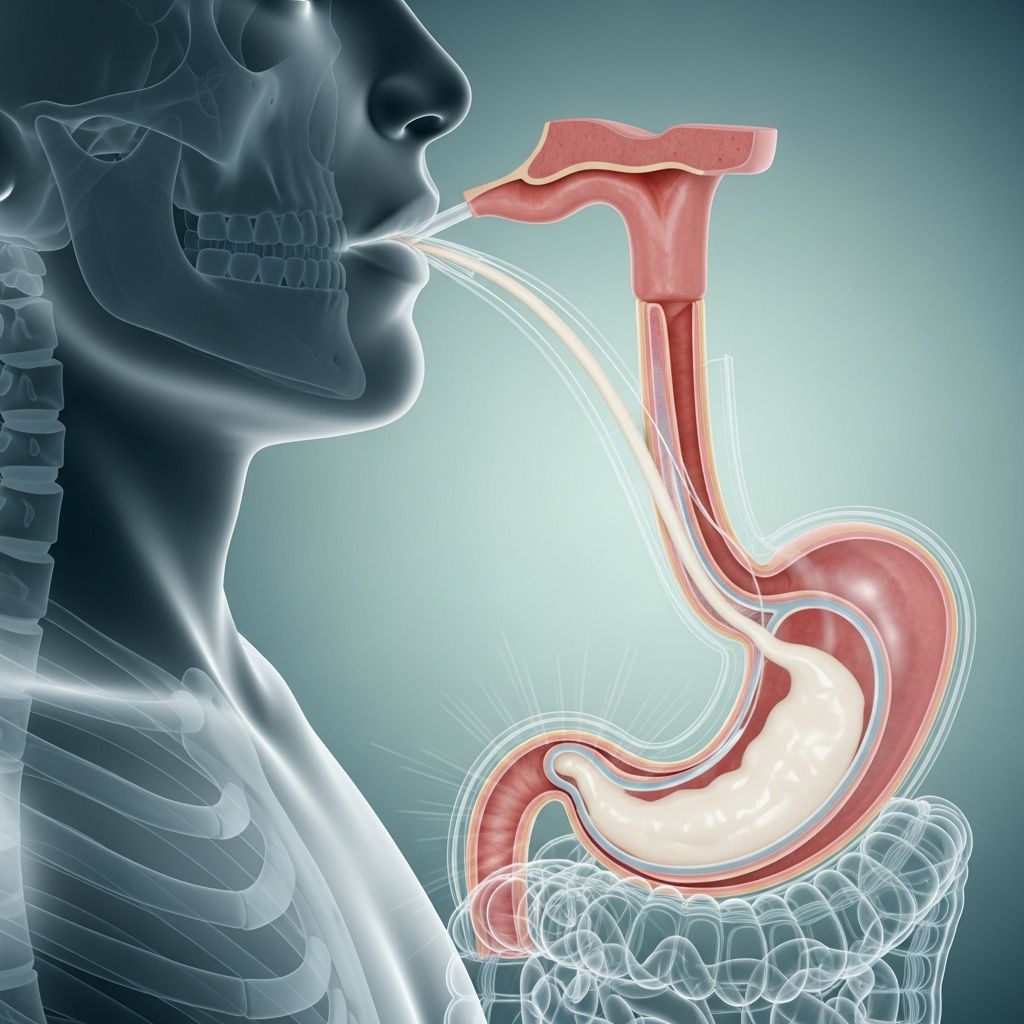
The barium swallow test, also known as an esophagram, is a specialized radiographic examination designed to visualize the upper gastrointestinal tract. This procedure employs a contrast agent called barium sulfate, which patients ingest to coat the esophagus, pharynx, and sometimes the stomach and duodenum. By highlighting these structures under X-ray imaging, healthcare providers can detect abnormalities such as strictures, motility disorders, or reflux issues.
Understanding the Purpose and Medical Applications
This diagnostic tool plays a crucial role in evaluating swallowing difficulties, known as dysphagia, and other esophageal conditions. Clinicians order it when symptoms like persistent heartburn, unexplained weight loss, chest pain, or regurgitation suggest underlying problems. It provides dynamic views of how food and liquids traverse from the mouth to the stomach, revealing issues invisible on standard X-rays.
Common conditions diagnosed include gastroesophageal reflux disease (GERD), hiatal hernias, esophageal spasms, tumors, and ulcers. For instance, the test can demonstrate if the esophagus narrows (stricture) or if muscles fail to propel contents properly (motility disorder). In pediatric cases, it’s adapted to assess congenital anomalies or feeding challenges.
Preparation Essentials Before the Procedure
Adequate preparation ensures clear images and minimizes complications. Patients typically fast for 6-8 hours prior, avoiding food, drink, gum, and smoking after midnight the night before. This empty stomach prevents interference from residual contents.
- Inform your doctor of allergies, especially to barium or latex, pregnancy, or conditions like bowel obstruction.
- Disclose recent surgeries or implants that might affect positioning.
- Arrange transportation if sedation is involved, though most cases are unsedated.
- Wear comfortable clothing, as you’ll change into a gown and remove jewelry.
Consent forms outline risks and steps; review them thoroughly and ask questions. Diabetics may need insulin adjustments, coordinated with their provider.
Step-by-Step Procedure Walkthrough
Conducted in a radiology suite, the test lasts 20-60 minutes under a fluoroscope—a real-time X-ray device. A radiologist or technician supervises.
- Initial Imaging: Standard X-rays of the chest and abdomen establish a baseline.
- Barium Ingestion: Drink 1-1.5 cups of thick, chalky barium mixture, often flavored like strawberry or vanilla for palatability.
- Positioning and Fluoroscopy: Lie on a tilting table; swallow while images capture barium flow through the pharynx and esophagus. Hold breath as directed; the table tilts for multi-angle views.
- Additional Contrast: Sip thinner barium or swallow a barium tablet to assess strictures.
- Extended Views: If needed, observe passage into the stomach/duodenum for upper GI series.
Patients may phonate sounds or perform maneuvers to distend areas for better visualization. The process feels odd due to barium’s texture but is generally tolerable.
Variations of the Barium Swallow Test
Standard barium swallow focuses on pharynx/esophagus, but modifications exist:
| Variation | Focus | Key Differences |
|---|---|---|
| Modified Barium Swallow (VFSE) | Swallowing mechanics | Tests various food/liquid textures; shorter, 15 minutes. |
| Upper GI Series | Esophagus to duodenum | Includes more barium volume, abdominal compression. |
| Pediatric Barium Swallow | Children’s esophagus | Flavored shakes, parental guidance, position adjustments. |
These tailor to specific needs, enhancing diagnostic precision.
Potential Risks and Side Effects
Overall safe with low radiation (comparable to a few months’ background exposure), but considerations apply.
Related Stories



- Common: Constipation (1-2 days), white stool discoloration, mild nausea.
- Rare: Allergic reaction to barium, aspiration into lungs (avoided in swallowing issues), bowel perforation in high-risk patients.
- Contraindications: Esophageal tears, blockages, severe dysphagia.
Hydrate post-procedure to expel barium; laxatives may be recommended. Pregnant individuals avoid unless essential, due to fetal radiation risk.
Aftercare and Recovery Guidelines
Most resume normal activities immediately; eat light, high-fiber meals to aid barium passage.
- Drink plenty of fluids (unless restricted).
- Monitor for severe pain, vomiting, or fever—contact your doctor promptly.
- Results discussed within days; films reviewed by a radiologist.
Full clearance typically occurs in 24-72 hours; stool returns to normal color thereafter.
Interpreting Results and Next Steps
Normal: Smooth barium flow, no narrowing/reflux. Abnormal findings prompt endoscopy, manometry, or treatment. For example, a “rat-tail” esophagus signals achalasia; beaking indicates stricture.
Your provider correlates results with symptoms for management plans, like medications, dilation, or surgery.
Benefits Over Alternative Diagnostics
Non-invasive, cost-effective, real-time motion capture—superior to static CT for function. Endoscopy offers biopsy but is invasive; barium swallow complements it.
Frequently Asked Questions (FAQs)
Is the barium swallow painful?
No, though barium tastes unpleasant and may cause bloating.
How long do results take?
Preliminary same day; full report in 1-3 days.
Can children undergo this test?
Yes, with child-friendly adaptations.
Does insurance cover it?
Usually, as medically necessary; confirm with your plan.
What if I have claustrophobia?
Open setup minimizes issues; discuss anxiety aids.
Advances in Barium Swallow Technology
Digital fluoroscopy reduces radiation; AI aids image analysis for subtle motility issues. Effervescent agents enhance double-contrast views.
References
- Barium Swallow: What to Expect, Side Effects, and Cost — Healthline. 2023-05-15. https://www.healthline.com/health/barium-swallow
- Barium Swallow Video | Upper Gastrointestinal Tract Testing Video — YPO Education. 2024-02-10. https://www.ypo.education/medical-tests/barium-swallow-t311/video/
- Barium Swallow — University of Rochester Medical Center. 2023-11-20. https://www.urmc.rochester.edu/encyclopedia/content?contenttypeid=92&contentid=p07688
- Barium Swallow – StatPearls — NCBI Bookshelf. 2024-08-12. https://www.ncbi.nlm.nih.gov/books/NBK493176/
- Video Fluoroscopic Swallowing Exam (VFSE)/Esophagram — RadiologyInfo.org. 2024-01-05. https://www.radiologyinfo.org/en/info/modbariumswallow
- Barium Swallow — Children’s Hospital of Philadelphia. 2023-09-18. https://www.chop.edu/treatments/barium-swallow
- Barium Swallow Test (Esophagram): What It Is & Why It’s Done — Cleveland Clinic. 2024-03-22. https://my.clevelandclinic.org/health/diagnostics/22766-esophagram
Similar Articles








Read full bio of medha deb