Barium Swallow Test: Purpose, Procedure, and What to Expect
Complete guide to barium swallow testing: procedure, preparation, and diagnostic benefits for upper GI tract evaluation.
Understanding the Barium Swallow Test
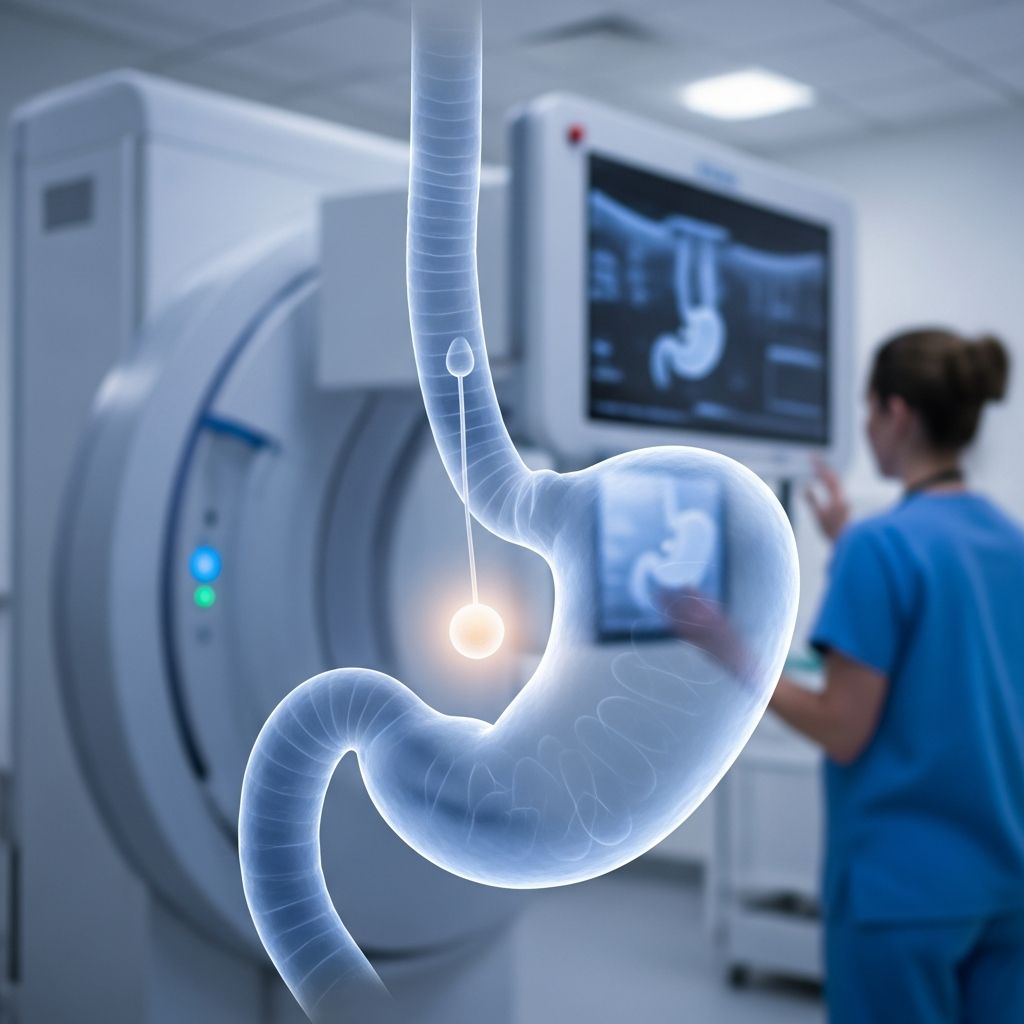
A barium swallow test is a specialized imaging procedure that allows healthcare providers to visualize the upper gastrointestinal tract in detail. The test uses a contrast agent called barium sulfate, which is a chalky, white substance that absorbs X-rays, making it possible for doctors to see structures and functions within your throat, esophagus, and upper stomach. This non-invasive diagnostic tool employs fluoroscopy, a continuous X-ray technique that captures real-time images of how the barium travels through your digestive system as you swallow.
The barium swallow test serves as a critical diagnostic instrument for identifying various gastrointestinal conditions and understanding how your swallowing mechanism functions. By coating the internal organs and tissues with barium, the procedure provides clear, detailed images that would otherwise be difficult to visualize on standard X-rays.
Purpose and Diagnostic Applications
Healthcare providers recommend a barium swallow test for several important diagnostic reasons. This procedure can help identify and evaluate a wide range of conditions affecting the upper digestive tract.
Common Reasons for Barium Swallow Testing
Your doctor may order a barium swallow test if you are experiencing difficulty swallowing, also known as dysphagia. This test can also be performed if there is suspicion of structural problems or growths in the throat or esophagus, including potential cancers of the head, neck, pharynx, or esophagus. Additionally, the test helps diagnose conditions such as hiatal hernias, esophageal varices (enlarged veins in the throat), chronic acid reflux disease (GERD), esophageal strictures, achalasia, and throat spasms that interfere with normal food passage to the stomach.
The barium swallow is particularly valuable for evaluating swallowing disorders in patients who have experienced stroke, suffered neurological injuries, or have other conditions affecting the nerves and muscles involved in swallowing. It also helps identify ulcers, inflammation, and other structural abnormalities within the esophagus and surrounding tissues.
How the Barium Swallow Test Works
The Role of Fluoroscopy
The barium swallow test utilizes fluoroscopy, a sophisticated imaging technique that provides continuous X-ray visualization. Unlike standard static X-rays, fluoroscopy shows internal organs moving in real time, appearing as live video on a monitor. This dynamic visualization allows radiologists to observe how you swallow and track the movement of barium through your pharynx, esophagus, and into your stomach. The fluoroscopic images are recorded digitally for later review and analysis by the radiologist.
The Contrast Agent: Barium Sulfate
Barium sulfate serves as the contrast agent used in this procedure. When ingested, it coats the lining of your throat, esophagus, and stomach, creating a stark contrast against surrounding tissues on X-ray images. This coating enables the radiologist to visualize subtle changes, abnormalities, and functional problems that might not be visible on standard imaging. The barium itself is physiologically inert and passes through your digestive system without being absorbed by your body.
Preparation for Your Barium Swallow Test
Pre-Test Instructions
Proper preparation is essential for obtaining clear, accurate images during your barium swallow test. Most healthcare facilities require patients to fast for a specific period before the procedure. Generally, adults should abstain from food and drink for four to eight hours prior to the test. Some facilities allow patients to continue drinking clear liquids until two hours before the appointment. Always follow the specific fasting instructions provided by your healthcare facility, as these may vary based on the time of day your test is scheduled and individual patient factors.
Related Stories



If you are an infant up to six months old, breastfeeding or bottle feeding is typically permitted as late as three hours before the scheduled appointment. Parents of older children should receive specific pretest instructions from their healthcare provider.
Arrival and Preparation
When you arrive for your barium swallow test, you will be directed to a radiology facility where a trained radiologic technologist will perform the procedure. You will be asked to remove all metallic objects, including jewelry, watches, and any clothing with metal buttons or zippers that could interfere with X-ray imaging. You will change into a hospital gown provided by the facility, though you may keep your pants on. Your belongings will be secured in a locker for safekeeping during the procedure.
The Barium Swallow Procedure: Step-by-Step
Initial X-Ray Images
The procedure typically begins with the radiologic technologist positioning you on an X-ray table. The technologist may ask you to change body positions as they take initial standard X-rays of your chest, heart, lungs, and abdomen. These baseline images establish the anatomical baseline and identify any significant abnormalities before the barium is introduced.
Barium Ingestion and Initial Imaging
The technologist will then provide you with a barium drink to swallow. The barium suspension is thick and chalky in consistency, similar to a milkshake. To make the barium more palatable, it is typically flavored with chocolate, strawberry, or other mild flavors. The initial barium drink is usually the thickest consistency provided during the test.
As you swallow the barium, the technologist will take a series of X-ray images or use continuous fluoroscopy to observe how the barium moves through your pharynx (throat) and into your esophagus. The technologist may ask you to hold your breath at certain moments to prevent body movement from degrading image quality. You might be asked to change positions, tilt your head in different directions, or perform specific swallowing maneuvers to allow the radiologist to visualize different aspects of your swallowing mechanism and esophageal function.
Thin Barium Study
After the initial swallowing study with the thick barium, the technologist may provide a thinner barium liquid to swallow. This thinner consistency allows the radiologist to observe how your pharynx and esophagus handle foods and liquids of different textures. Some facilities may also provide barium-coated cookies or solid food items for patients to eat during the procedure. This modified barium swallow study, which includes evaluation of multiple textures and consistencies, is called a videofluoroscopic swallowing study (VFSS) or modified barium swallow (MBSS).
Procedure Duration
The entire barium swallow procedure, including preparation and imaging, typically takes approximately 30 to 60 minutes, though most examinations are completed within 30 minutes. The duration may vary depending on the specific protocol used by your facility and whether additional imaging sequences are needed.
Post-Procedure Expectations and Recovery
Immediate Aftercare
After all X-ray images and fluoroscopic studies are complete, you can gather your belongings and leave the radiology facility. Most patients tolerate the barium swallow procedure well with minimal discomfort. You can return to your normal diet and daily activities immediately after the procedure unless your doctor advises otherwise. However, it is important to note that the barium will remain in your digestive system for several hours following the test.
Expected Side Effects
The most common side effect following a barium swallow test is constipation. The barium can temporarily slow intestinal transit and harden stool consistency. To minimize constipation, healthcare providers typically recommend increasing your fluid intake significantly in the hours and days following the procedure. Drinking extra water, clear juices, and other non-caffeinated beverages helps move the barium through your digestive system more efficiently.
Some patients may experience mild bloating, gas, or notice that their stools appear chalky white or grayish in color for one to two days after the procedure. These effects are temporary and resolve without intervention as the barium passes through your system. If constipation persists beyond a few days, contact your healthcare provider, who may recommend a mild laxative or stool softener.
When to Expect Results
After your barium swallow test is completed, the recorded fluoroscopic images will be reviewed by a radiologist. The radiologist will analyze the images to evaluate the structure and function of your pharynx, esophagus, and upper stomach. You can expect to receive your results within several days of your procedure. Your doctor’s office will contact you with the findings and discuss any follow-up appointments or additional testing that may be necessary based on the results.
Risks and Safety Considerations
Radiation Exposure
The barium swallow test involves exposure to ionizing radiation from X-rays and fluoroscopy. However, the radiation dose used in this procedure is generally considered safe for most patients. The benefits of accurate diagnosis typically outweigh the minimal radiation risks. Pregnant women or those who might be pregnant should inform their healthcare provider before the procedure, as the radiation exposure could potentially affect a developing fetus.
Barium Safety
Barium sulfate is generally considered safe when used as directed for diagnostic imaging purposes. The barium does not get absorbed into your bloodstream and passes through your digestive system unchanged. However, patients with certain conditions, such as suspected perforation of the esophagus or certain bowel obstructions, may not be suitable candidates for barium studies. Always inform your healthcare provider about any medical conditions, allergies, or medications you are taking.
Related Diagnostic Procedures
The barium swallow test is sometimes performed as part of a comprehensive upper gastrointestinal imaging series that evaluates the entire upper digestive tract. An upper GI and small bowel series provides more extensive visualization of structures beyond what a standard barium swallow can show.
Another common test that may accompany or complement the barium swallow is upper gastrointestinal endoscopy, also known as esophagogastroduodenoscopy (EGD). This procedure uses a flexible, lighted tube with a camera to directly visualize the inside of your esophagus, stomach, and upper small intestine. While endoscopy allows for direct visualization and the ability to obtain tissue samples or perform therapeutic interventions, it is an invasive procedure requiring sedation.
What the Barium Swallow Can Reveal
The barium swallow test can identify numerous conditions and abnormalities affecting the upper gastrointestinal tract. It can reveal structural problems such as strictures (narrowing), webs, or diverticula (outpouchings) in the esophagus. The test can detect the presence of tumors or masses, signs of gastroesophageal reflux disease, hiatal hernias, and achalasia (a condition where the esophagus fails to relax properly). It effectively visualizes esophageal varices and can demonstrate functional swallowing disorders, including aspiration (food entering the airway), penetration, and other dysphagia-related issues.
Frequently Asked Questions
Q: Is the barium swallow test painful?
A: No, the barium swallow test is not painful. Most patients experience minimal to no discomfort during the procedure. You may find the thick barium drink somewhat unpleasant to taste or feel, but this is typically well tolerated.
Q: How long will the barium remain in my system after the test?
A: Barium typically passes through your digestive system within 24 to 72 hours following the procedure. Increasing your fluid intake helps move the barium through your system more quickly.
Q: Can I eat or drink immediately after the test?
A: Yes, you can return to your normal diet immediately after the procedure unless your doctor advises otherwise. Many patients find it helpful to eat light foods and drink extra fluids in the hours following the test.
Q: Is the barium swallow test accurate?
A: Yes, when performed using standardized protocols and best practice techniques, the barium swallow test is highly accurate for identifying swallowing disorders and upper GI tract abnormalities. The clinical validity of the study has been well established in medical literature.
Q: Can children undergo a barium swallow test?
A: Yes, children can safely undergo a barium swallow test. Children’s hospitals may use slightly different protocols and may refer to the procedure as a “cookie swallow” when barium-coated solid foods are used. Fasting times for children are adjusted based on age.
Q: What should I do if I experience severe constipation after the test?
A: Contact your healthcare provider if constipation persists beyond a few days. Your doctor may recommend a mild laxative or stool softener to help move the barium through your system.
References
- Barium Swallow — MedlinePlus, National Library of Medicine. 2024. https://medlineplus.gov/lab-tests/barium-swallow/
- Best Practices in Modified Barium Swallow Studies — Johns Hopkins Uni># truncated due to message size limitations
Similar Articles








Read full bio of Sneha Tete