Barium X-Rays: Upper and Lower GI Procedures
Complete guide to barium X-ray procedures for diagnosing gastrointestinal conditions.
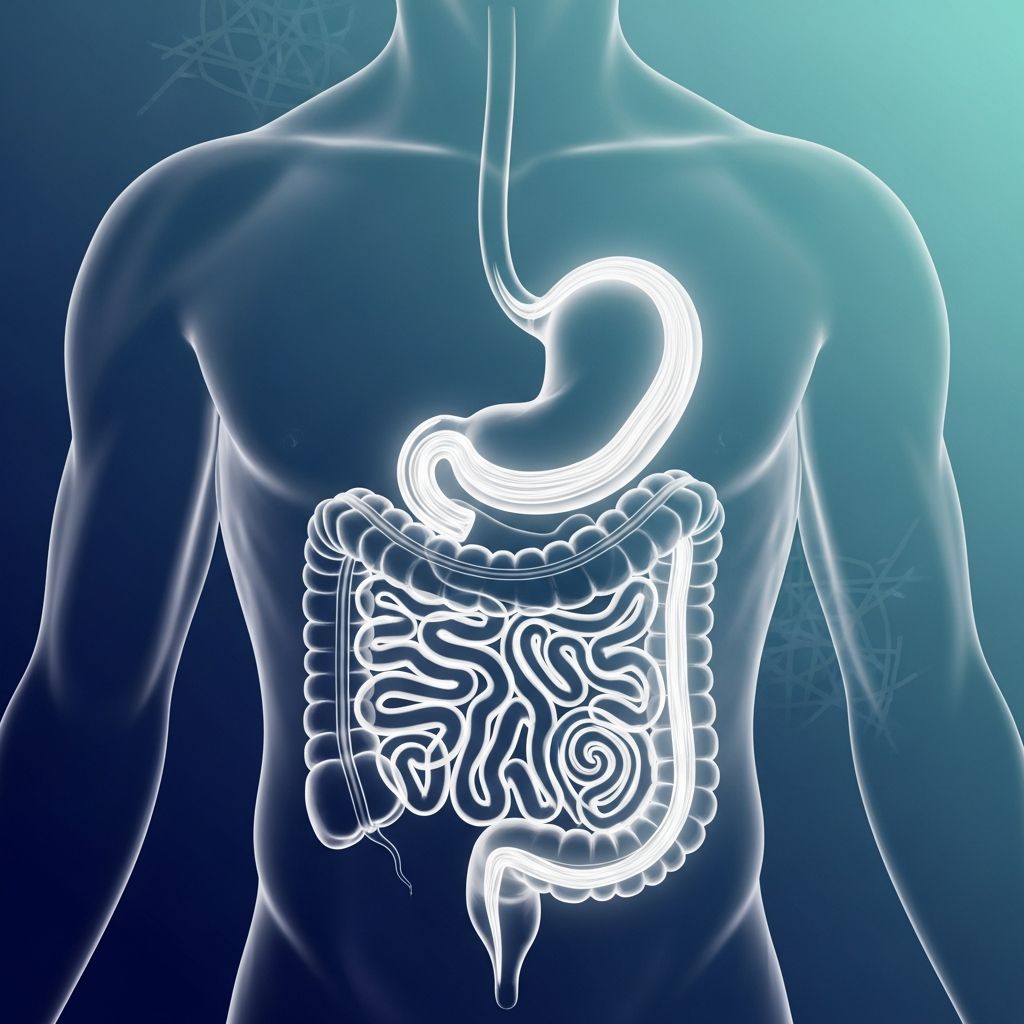
Barium X-rays represent one of the most important diagnostic imaging techniques used in modern medicine for evaluating the gastrointestinal tract. These procedures use a contrast agent called barium to create detailed images of the digestive system, allowing physicians to identify abnormalities, infections, and structural problems that might not be visible on standard X-rays. Whether examining the upper gastrointestinal tract or the lower intestines, barium X-ray procedures have proven to be safe, effective, and invaluable tools in clinical practice.
Understanding Barium X-Rays
What Are Barium X-Rays?
Barium X-rays are diagnostic imaging procedures that use a contrast agent called barium sulfate to visualize different sections of the gastrointestinal tract. Barium is a naturally occurring element that appears white on X-ray images, making it ideal for coating the interior surfaces of the digestive system. When barium coats the GI tract lining, it creates a clear outline that helps radiologists identify tumors, ulcers, strictures, polyps, and other abnormalities that could indicate serious health conditions.
The procedure combines traditional X-ray technology with fluoroscopy, a real-time imaging technique that allows physicians to observe the movement of barium through the digestive system. This combination provides both static images and dynamic video footage, giving clinicians comprehensive information about how the gastrointestinal tract is functioning.
Upper GI X-Ray Procedures
What is an Upper GI X-Ray?
An upper gastrointestinal tract radiography, commonly referred to as an upper GI, is an X-ray examination of the esophagus, stomach, and the first part of the small intestine known as the duodenum. Images are produced using fluoroscopy and an orally ingested contrast material such as barium. The procedure allows physicians to observe how these organs function and to identify various pathological conditions.
A specialized form of upper GI procedure called a barium swallow focuses specifically on the pharynx and esophagus. During this examination, patients swallow a barium solution while a technician captures X-ray images of the esophagus in action using fluoroscopy with short bursts of an X-ray beam.
Why is Upper GI X-Ray Performed?
Physicians order upper GI X-ray procedures to help diagnose several gastrointestinal conditions. Common reasons for performing this test include:
- Difficulty swallowing (dysphagia)
- Chest and abdominal pain
- Reflux (backward flow of partially digested food and digestive juices)
- Unexplained vomiting
- Severe indigestion
- Blood in the stool indicating internal GI bleeding
- Suspected strictures, narrowings, or hernias
- Evaluation of esophageal lining abnormalities
Preparation for Upper GI Procedures
Proper preparation is essential for obtaining clear and accurate images during an upper GI X-ray. Patients are typically instructed to fast for several hours before the procedure to ensure an empty stomach. The radiology department will provide specific fasting instructions, which usually involve avoiding food and liquids for at least six to eight hours before the examination. Patients should wear comfortable, loose-fitting clothing and remove any metal objects such as jewelry, watches, or eyeglasses that might interfere with the imaging process.
The Upper GI Procedure: What to Expect
During an upper GI X-ray examination, patients drink a liquid barium solution that resembles a light-colored milkshake. As the patient drinks the barium, the radiologist watches it pass through the patient’s digestive tract on a fluoroscope, a device that projects radiographic images in a movie-like sequence onto a monitor. The exam table will be positioned at different angles, and the patient’s abdomen may be compressed to help spread the barium evenly throughout the upper GI tract.
Related Stories



In addition to drinking barium, some patients receive baking-soda crystals (similar to Alka-Seltzer) to further improve the images. This procedure, called an air-contrast or double-contrast upper GI, uses gas to inflate the esophagus and stomach, providing enhanced visualization of the organ lining. Patients may feel the urge to burp when receiving gas-producing crystals, but radiologists typically instruct patients to hold the gas in by swallowing saliva to enhance the detail on X-ray images.
The technologist may ask patients to drink more barium as the procedure continues, and the examining table may be automatically tilted to ensure optimal coating of all parts of the upper GI tract. On occasion, patients may receive alternative forms of orally ingested contrast containing iodine, which may be used if the patient has undergone recent GI tract surgery or has allergies to other contrast materials.
The procedure typically takes 20 to 30 minutes to complete. At the end of the exam, a provider may ask the patient to swallow a barium tablet with water to check for esophageal strictures.
Post-Procedure Care for Upper GI
After the upper GI examination, patients can resume a regular diet and take orally administered medications unless instructed otherwise by their doctor. The barium may color stools gray or white for 48 to 72 hours after the procedure. Sometimes barium can cause temporary constipation, which is usually treated with an over-the-counter laxative. Drinking large quantities of fluids for several days following the test can also help. If patients are unable to have a bowel movement or if their bowel habits undergo significant changes following the exam, they should contact their physician.
Lower GI X-Ray Procedures
What is a Lower GI Series?
A lower GI series is a procedure in which a doctor uses X-rays and a chalky liquid called barium to view the large intestine (colon). The barium coats the large intestine, making it more visible on X-ray images. This procedure is also called a barium enema or colon X-ray. The lower GI series represents a crucial diagnostic tool for identifying abnormalities in the colon and rectum.
Types of Lower GI Series
There are two primary types of lower GI series procedures:
- Single-contrast lower GI series: Uses only barium to visualize the large intestine
- Double-contrast or air-contrast lower GI series: Uses both barium and air for a clearer view of the large intestine
The choice between these two types depends on the clinical indication and the preference of the radiologist. The double-contrast method typically provides superior visualization of the colonic mucosa and is often preferred when detailed imaging is necessary.
Why is Lower GI Series Performed?
Physicians recommend lower GI series procedures to diagnose various conditions affecting the large intestine, including inflammatory bowel disease, polyps, diverticulosis, tumors, strictures, and obstruction. The procedure can detect changes or abnormalities in the large intestine and help identify the cause of symptoms such as chronic diarrhea, constipation, abdominal pain, or blood in the stool.
Preparation for Lower GI Procedures
Proper bowel preparation is critical for a successful lower GI series examination. Patients must have a completely clean colon to allow clear visualization of the colonic mucosa. Preparation typically includes a clear liquid diet for one to two days before the procedure and the use of strong laxatives or enemas to evacuate bowel contents. Specific preparation instructions will be provided by the radiology department and should be followed carefully to ensure optimal imaging quality.
The Lower GI Procedure: What to Expect
During a lower GI series, the patient lies on a specially designed table while the radiologist inserts a flexible tube into the anus and fills the large intestine with barium. A lubricated enema tube is carefully advanced into the rectum. The radiologist prevents barium from leaking from the anus by inflating a balloon on the end of the tube. In a double-contrast procedure, the radiologist will inject air through the tube to inflate the large intestine, providing better visualization of the bowel wall.
Patients may be asked to change position several times to evenly coat the large intestine with barium. During the procedure, patients may experience some discomfort and feel the urge to have a bowel movement. Patients will need to hold still in various positions while the radiologist and technician take X-ray images and possibly fluoroscopy video footage. Once imaging is complete, the radiologist deflates the balloon and most of the barium drains through the tube. Patients then expel the remaining barium into a bedpan or toilet, and a healthcare professional may administer an enema to flush out residual barium.
Benefits and Risks of Barium X-Rays
Benefits
Barium X-ray procedures offer numerous advantages as diagnostic imaging tools:
- Upper GI tract radiography is an extremely safe, noninvasive procedure
- The results usually lead to accurate evaluation of the esophagus, stomach, and duodenum
- Because barium is not absorbed into the blood, allergic reactions are extremely rare
- No radiation stays in your body after an X-ray exam
- X-rays usually have no side effects in the typical diagnostic range for this exam
- These procedures are relatively quick and performed on an outpatient basis
- No sedation is required, allowing patients to return home the same day
- The procedures provide detailed visualization of anatomical structures and functional capabilities
Risks and Considerations
While barium X-ray procedures are generally safe, certain risks and considerations exist. All X-ray procedures involve minimal radiation exposure, though the amount used in diagnostic barium studies is typically within safe limits. Patients with severe allergies to barium or iodine-based contrast materials should inform their healthcare provider before the procedure. Pregnant women should discuss the risks and benefits with their physician, as X-rays can expose the developing fetus to radiation.
Barium can occasionally cause constipation or bowel obstruction, particularly in patients with underlying gastrointestinal conditions. In rare cases, perforation of the GI tract can occur if the barium or enema tube causes damage to the bowel wall. Patients should report any severe abdominal pain, fever, or persistent constipation following the procedure to their healthcare provider.
Comparison of Upper and Lower GI Procedures
| Aspect | Upper GI | Lower GI |
|---|---|---|
| Area Examined | Esophagus, stomach, duodenum | Large intestine (colon) |
| Contrast Administration | Oral (swallowed) | Rectal (enema tube) |
| Preparation | Fasting 6-8 hours | Bowel cleansing, clear liquids |
| Procedure Duration | 20-30 minutes | 30-45 minutes |
| Patient Position | Standing and lying | Lying on side |
| Discomfort Level | Minimal | Moderate (urge to defecate) |
Frequently Asked Questions (FAQs)
Q: Is barium X-ray safe?
A: Yes, barium X-ray procedures are extremely safe and noninvasive. Because barium is not absorbed into the blood, allergic reactions are extremely rare. The radiation exposure from diagnostic barium studies is minimal and within safe limits for most patients.
Q: What should I eat after a barium X-ray?
A: After the procedure, you can resume a regular diet unless instructed otherwise by your doctor. Drinking plenty of fluids over the next several days will help flush out any remaining barium and prevent constipation.
Q: How long does the barium stay in my system?
A: Barium typically passes through your system within 48 to 72 hours after the procedure. During this time, your stools may appear gray or white in color. If you experience persistent constipation, over-the-counter laxatives can help.
Q: Can I have a barium X-ray if I’m pregnant?
A: Pregnant women should discuss the risks and benefits of barium X-rays with their healthcare provider. While the radiation exposure is minimal, the procedure should generally be avoided unless absolutely necessary, especially during the first trimester.
Q: What is the difference between a barium swallow and an upper GI?
A: A barium swallow is a specialized form of upper GI that focuses specifically on the pharynx and esophagus. An upper GI examination evaluates the entire upper gastrointestinal tract including the esophagus, stomach, and duodenum.
Q: How do I prepare for a lower GI series?
A: Preparation for a lower GI series involves following a clear liquid diet for one to two days before the procedure and using strong laxatives or enemas to ensure your colon is completely clean. Detailed preparation instructions will be provided by your radiology department.
Q: Can I return to normal activities after the procedure?
A: Yes, after barium X-ray procedures, patients can return to normal activities immediately. There is no recovery period required since these are outpatient procedures performed without sedation.
Q: What should I do if I experience severe constipation after the procedure?
A: While temporary constipation is normal after barium procedures, you should contact your physician if you are unable to have a bowel movement or if your bowel habits undergo significant changes. An over-the-counter laxative or increased fluid intake usually resolves mild constipation.
References
- Upper GI x-ray – Barium Swallow — Radiology Info. 2024. https://www.radiologyinfo.org/en/info/uppergi
- Lower GI Series — National Institute of Diabetes and Digestive and Kidney Diseases (NIDDK). 2024. https://www.niddk.nih.gov/health-information/diagnostic-tests/lower-gi-series
- Barium Swallow Test (Esophagram): What It Is, Prep & Procedure — Cleveland Clinic. 2024. https://my.clevelandclinic.org/health/diagnostics/22766-esophagram
- Barium enema — Mayo Clinic. 2024. https://www.mayoclinic.org/tests-procedures/barium-enema/about/pac-20393008
- Barium X-Rays — Yale Medicine. 2024. https://www.yalemedicine.org/clinical-keywords/barium-x-rays
- Barium Swallow & Barium Meal — MUSC Health. 2024. https://muschealth.org/medical-services/digestive/tests/barium-studies/barium-swallow-barium-meal
Similar Articles








Read full bio of Sneha Tete