Barley Benefits: 8 Science-Backed Ways To Boost Health
Discover the impressive health benefits of barley, from improved digestion and heart health to diabetes prevention and more.
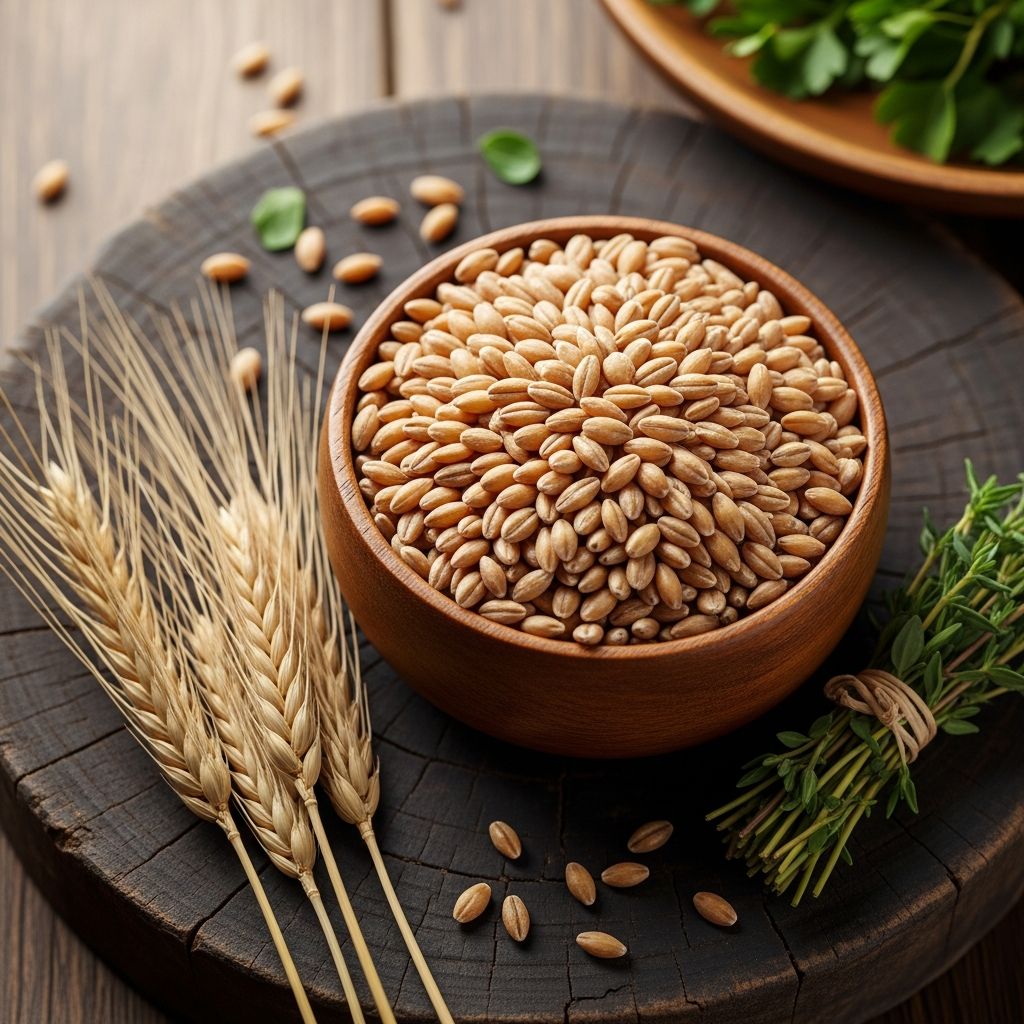
Barley is an ancient whole grain with a rich nutritional profile that offers numerous health advantages. Packed with fiber, vitamins, minerals, and antioxidants, it supports digestion, heart health, blood sugar control, and more. This article explores the science-backed benefits of barley, its nutritional content, ways to enjoy it, and potential risks.
What Is Barley?
Barley (Hordeum vulgare) is one of the oldest cultivated grains, dating back over 10,000 years. It’s a versatile cereal grass used in foods, beverages like beer, and animal feed. Unlike refined grains, whole barley retains its bran, endosperm, and germ, maximizing nutrient density. There are two main types: hulled barley, which is minimally processed and chewier, and pearled barley, which is polished for a softer texture but lower in fiber. Opt for hulled or hull-less varieties for maximum benefits.
Barley grows in cool climates and is harvested as kernels, flour, flakes, or grass. Its nutty flavor and hearty texture make it ideal for soups, salads, pilafs, and baking. Barley grass, the young leaves, is also consumed as juice or powder for additional antioxidants.
Barley Nutrition Facts
A half-cup cooked serving of hulled barley (about 79g) provides approximately 160 calories, 6g protein, 37g carbohydrates, 6g fiber, and minimal fat. It’s exceptionally high in
beta-glucan
, a soluble fiber unique to barley and oats that forms a gel in the gut, slowing digestion.Key micronutrients per serving (% Daily Value):
- Manganese: 35% – Supports metabolism and bone health.
- Selenium: 30% – Antioxidant for immune function.
- Magnesium: 20% – Aids blood sugar control and muscle function.
- Phosphorus: 15% – Essential for energy production.
- Copper, B1 (thiamine), niacin: 10-15% – Promote energy and nerve health.
Barley also contains lignans and polyphenols, plant compounds with anti-inflammatory and anticancer properties.
| Nutrient | Amount per 1/2 cup cooked hulled barley | % DV |
|---|---|---|
| Calories | 160 | 8% |
| Fiber | 6g | 21% |
| Protein | 6g | 12% |
| Beta-glucan | 2-3g | – |
| Manganese | 0.8mg | 35% |
Health Benefits of Barley
1. High in Fiber
Barley’s standout feature is its fiber content, including both soluble (beta-glucan) and insoluble types. Beta-glucan dissolves in water to create a viscous gel that slows stomach emptying, stabilizes blood sugar, and feeds gut bacteria.
Studies show beta-glucan improves satiety and reduces post-meal glucose spikes. The FDA recognizes barley’s beta-glucan for lowering cholesterol and heart disease risk when consuming 3g daily.
2. Improves Digestion and Gut Health
The dual-fiber profile promotes regularity and microbiome health. Insoluble fiber adds bulk to stool, preventing constipation, while soluble fiber produces short-chain fatty acids (SCFAs) that nourish colon cells and reduce inflammation.
In a four-week study, women eating barley reported better bowel function and increased stool volume. SCFAs may alleviate IBS, Crohn’s disease, and ulcerative colitis symptoms. Barley grass powder also prevents constipation and improves gastrointestinal function.
3. Aids Weight Loss
Related Stories



High fiber and moderate protein content make barley filling, curbing hunger. Beta-glucan delays nutrient absorption, promoting fullness longer than refined grains.
A study comparing fiber-rich vs. protein-rich diets found fiber (from barley) better preserved gallbladder health during weight loss. Rat studies on barley grass showed body weight reductions. Incorporating barley into meals can support sustainable weight management without calorie restriction.
4. Lowers Cholesterol
Beta-glucan binds bile acids in the gut, forcing the liver to use circulating cholesterol to produce more, thus reducing LDL levels. Human trials show barley lowers total and LDL cholesterol while raising HDL.
A review of 14 randomized trials confirmed these effects. SCFAs from fiber fermentation further inhibit cholesterol synthesis. Cleveland Clinic notes barley sidesteps heart disease via this mechanism.
5. Supports Heart Health
Regular barley intake lowers multiple cardiovascular risks: cholesterol, blood pressure, triglycerides, and inflammation. Whole grains like barley are linked to 20-30% reduced heart disease risk.
Magnesium in barley relaxes blood vessels, aiding pressure control. Observational data ties high-fiber diets to fewer cardiac events.
6. Helps Control Blood Sugar and Prevents Diabetes
Barley’s low glycemic index (GI around 25-30) prevents spikes. Beta-glucan slows carb digestion, improving insulin sensitivity. Magnesium enhances insulin production.
Studies show lower post-meal glucose and insulin with barley vs. other grains. Long-term, it reduces type 2 diabetes risk by stabilizing energy.
7. May Have Anticancer Effects
Fiber speeds toxin transit through the gut, reducing colon cancer exposure. Soluble fiber binds carcinogens for excretion. Antioxidants like lignans, vitamin E, and polyphenols combat oxidative stress and tumor growth.
High whole-grain intake correlates with lower colorectal cancer rates. Barley grass exhibits anticancer, anti-inflammatory properties. Breast cancer prevention is suggested in some research.
8. Other Benefits
- Bone Health: Phosphorus and magnesium support density.
- Immunity: Selenium and prebiotics boost gut-immune axis.
- Anti-inflammatory: Polyphenols reduce chronic inflammation.
- Liver Protection: Antioxidants detoxify and enhance function.
Barley Grass Benefits
Young barley leaves (grass) are nutrient powerhouses with over 30 times more vitamin A than mature grains. Powder or juice forms offer antidiabetic, antihypertensive, immune-boosting, and anticancer effects. It alleviates atopic dermatitis, reduces fatigue, and improves cognition.
Daily barley grass promotes sleep, detoxifies skin, lowers uric acid (gout prevention), and has antiaging properties.
Risks and Side Effects
Barley is safe for most, but those with celiac disease or gluten sensitivity should avoid it due to hordein (a gluten protein). Opt for certified gluten-free if needed. High fiber may cause bloating initially—increase gradually with water.
Rare allergies exist. Consult a doctor if pregnant, breastfeeding, or on blood sugar/cholesterol meds, as barley may enhance effects.
How to Add More Barley to Your Diet
- Breakfast: Barley porridge with fruits and nuts.
- Lunch: Barley salad with veggies, feta, and vinaigrette.
- Dinner: Mushroom barley soup or pilaf with lean protein.
- Baking: Substitute half flour in bread or muffins.
- Smoothies: Add barley grass powder.
Start with 1/2 cup cooked daily. Store dry barley in a cool, dry place for up to a year.
Barley Recipes
Simple Barley Pilaf
Ingredients (serves 4): 1 cup hulled barley, 3 cups broth, 1 onion, 2 carrots, garlic, herbs.
- Rinse barley. Sauté veggies, add barley and broth. Simmer 40-50 min.
- Fluff and season. 220 calories/serving, high fiber.
Barley Vegetable Soup
Combine barley with tomatoes, beans, spinach. Slow-cook for heart-healthy meal.
Frequently Asked Questions (FAQs)
Is barley gluten-free?
No, barley contains gluten. Choose certified gluten-free oats or quinoa alternatives if sensitive.
Is barley good for weight loss?
Yes, its fiber promotes fullness and steady energy, aiding calorie control.
How much barley should I eat daily?
1/2 to 1 cup cooked (3-6g fiber) for benefits without digestive upset.
Does barley lower blood pressure?
Indirectly via fiber and magnesium; studies show modest reductions.
Can I eat barley if I have diabetes?
Absolutely—its low GI helps manage blood sugar.
References
- 9 Impressive Health Benefits of Barley — Healthline. 2023-10-15. https://www.healthline.com/nutrition/barley-benefits
- 5 Health Benefits of Barley — Cleveland Clinic. 2024-05-22. https://health.clevelandclinic.org/barley-benefits
- Preventive and Therapeutic Role of Functional Ingredients of Barley — PMC (NCBI). 2018-04-09. https://pmc.ncbi.nlm.nih.gov/articles/PMC5904770/
- Barley: a potential cereal for producing healthy and functional foods — Oxford Academic. 2022-03-15. https://academic.oup.com/fqs/article/doi/10.1093/fqsafe/fyac012/6532626
- Barley: Nutrition, health benefits, and more — Medical News Today. 2023-11-28. https://www.medicalnewstoday.com/articles/295268
Similar Articles








Read full bio of medha deb