Barley: Heart-Healthy Grain of the Month
Discover how barley supports heart health with powerful nutrients and proven benefits.
Barley: A Heart-Healthy Grain Worth Eating
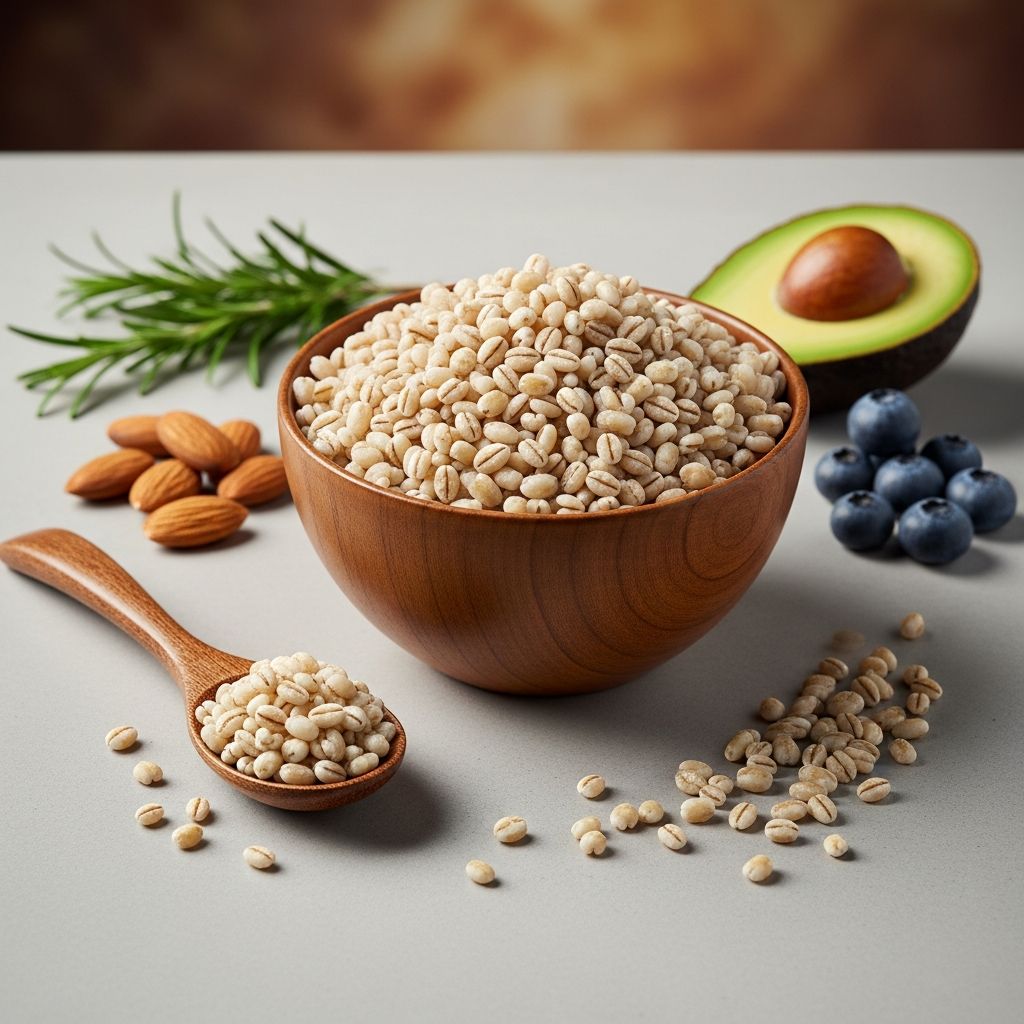
Barley has been a staple food for thousands of years, and modern nutritional science confirms what ancient civilizations intuitively understood—this humble grain packs remarkable health benefits. With its nutty flavor, chewy texture, and impressive nutrient density, barley deserves a prominent place in a heart-healthy diet. Whether you’re looking to improve your cardiovascular health, manage blood sugar levels, or support digestive wellness, barley offers a scientifically-backed solution that’s both delicious and versatile.
Understanding Barley’s Nutritional Profile
One of the most compelling reasons to include barley in your diet is its exceptional nutritional composition. A half-cup serving of hulled barley delivers an impressive array of essential nutrients that support multiple aspects of health.
Key Nutrients in Barley
Barley stands out primarily for its exceptional fiber content, providing 17.3 grams per cup of cooked barley. More importantly, barley contains significant amounts of beta-glucan, a soluble fiber that forms a gel when combined with fluid in your digestive tract. This unique fiber type is responsible for many of barley’s most impressive health benefits.
Beyond fiber, barley delivers substantial quantities of essential vitamins and minerals:
| Nutrient | Amount per Cup (Cooked) | Percentage of Daily Value |
|---|---|---|
| Calories | 354 | — |
| Protein | 12.5 grams | 25% |
| Fiber | 17.3 grams | 69% |
| Manganese | — | 97% |
| Selenium | — | 54% |
| Magnesium | — | 33% |
| Thiamine (B1) | — | 43% |
Additionally, barley contains antioxidants including vitamin E, beta-carotene, lutein, and zeaxanthin. These compounds help protect against and repair cell damage caused by oxidative stress.
Heart Health: Barley’s Primary Benefit
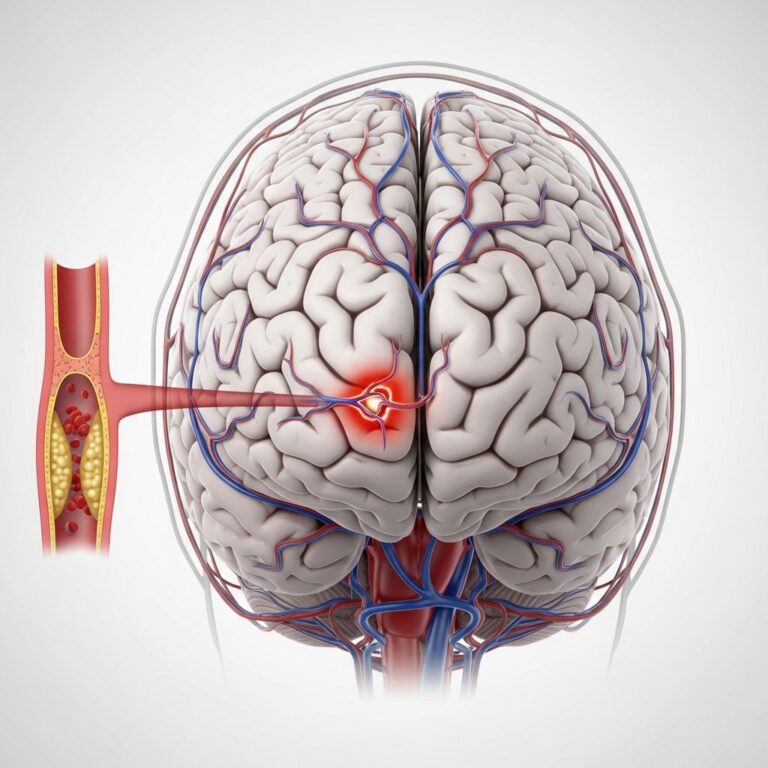
Heart disease remains the number one cause of death among adults in the United States, making cardiovascular health a critical focus for disease prevention. Barley offers powerful support for heart health through multiple mechanisms, particularly through its ability to manage cholesterol levels and blood pressure.
Cholesterol Management
One of barley’s most well-researched benefits is its ability to lower cholesterol levels. The beta-glucan fiber in barley works by binding with cholesterol particles in your digestive tract, reducing their absorption into your bloodstream. Research demonstrates impressive results: a diet high in soluble fiber—which barley contains abundantly—has been shown to lower total cholesterol and “bad” LDL cholesterol by 5–10%.
In a particularly compelling five-week clinical study involving 18 men with high cholesterol, participants who consumed a diet with 20% of calories coming from barley experienced remarkable improvements:
- Total cholesterol decreased by 20%
- “Bad” LDL cholesterol reduced by 24%
- “Good” HDL cholesterol increased by 18%
These findings suggest that barley can be an effective dietary intervention for individuals seeking to improve their lipid profiles and reduce their risk of heart disease.
Blood Pressure Support
Beyond cholesterol management, emerging research suggests that eating barley could help lower blood pressure, which is a major risk factor in the development of heart disease. This multi-pronged approach to cardiovascular protection makes barley an excellent addition to a heart-healthy dietary pattern.
Blood Sugar Control and Diabetes Prevention
Maintaining healthy blood sugar levels is essential for preventing type 2 diabetes and supporting long-term metabolic health. Foods high in refined carbohydrates and sugar typically cause rapid spikes in blood glucose, triggering insulin release and perpetuating a cycle that can eventually lead to diabetes. Barley breaks this harmful pattern through its unique fiber composition.
Related Stories



How Barley Stabilizes Blood Sugar
When you consume barley, its beta-glucan fiber slows the absorption of sugar by binding with it in your digestive tract. This prevents the rapid blood glucose spikes associated with refined grains and processed foods. Research confirms this effect: one study found that people who ate barley had significantly lower glucose and insulin levels after their meal compared to those who ate other grains.
The evidence is particularly compelling when comparing barley to other whole grains. In a study involving 10 overweight women who consumed barley or oats with glucose, barley was far more effective at reducing blood sugar and insulin levels, achieving reductions of 59–65% compared to 29–36% with oats.
Barley boasts the lowest glycemic index (GI) of all grains, with a score of just 28. This means barley has minimal impact on blood sugar levels compared to other grain options, making it an ideal choice for individuals managing diabetes or at risk of developing the condition.
Weight Management and Appetite Control
While barley isn’t a low-calorie food, it can still support healthy weight management goals through its effects on satiety and hunger hormones. The combination of high fiber and protein content works synergistically to promote feelings of fullness and sustained satisfaction.
Enhanced Satiety and Reduced Hunger
Both fiber and protein are well-established nutrients for promoting satiety—the feeling of fullness. Barley provides substantial amounts of both, making it exceptionally effective at suppressing appetite. Unlike processed grains that digest rapidly and leave you hungry again shortly after eating, barley “sticks with you” much longer, supporting reduced overall calorie intake.
Clinical research supports this effect. In two separate studies, individuals who ate barley for breakfast experienced lower levels of hunger at lunch and ate significantly less at subsequent meals compared to those who ate rice or whole wheat. Remarkably, one animal study found that rats fed barley particularly high in beta-glucan fiber ate 19% less than those fed barley with lower beta-glucan content, and these animals also experienced measurable weight loss.
The mechanism involves barley’s effect on ghrelin, a hormone responsible for hunger signals. Barley consumption decreases ghrelin levels, naturally reducing appetite and making it easier to maintain a healthy weight.
Digestive Health and Gut Microbiome Support
A healthy digestive system is foundational to overall wellness, and barley supports digestive health through multiple pathways. Barley contains generous amounts of soluble fiber, which keeps your digestive system running smoothly and provides an additional lesser-known benefit: it serves as food for your gut bacteria.
Prebiotic Effects and Microbiome Balance
The soluble fiber in barley functions as a prebiotic—a substance that feeds the beneficial bacteria and other organisms in your microbiome. A healthy gut microbiome maintains proper bacterial balance, which plays a crucial role in supporting your immune system and overall health.
Research demonstrates these effects quantitatively. In a four-week study involving 28 healthy individuals, consuming 60 grams of barley daily significantly increased beneficial types of bacteria in the gut that help reduce inflammation and improve blood sugar balance. This makes barley particularly valuable for anyone seeking to support their digestive and immune function.
Cancer Prevention Potential
While no single food can guarantee prevention of any disease, barley contains compounds with demonstrated anti-inflammatory and immune-boosting effects that could contribute to cancer prevention strategies. Barley’s vitamin E and polyphenols are antioxidant compounds that stop oxidation—the cellular damage that can lead to tumor growth.
Research from Harvard’s preeminent nutrition studies, including the Nurses’ Health Study and the Health Professionals Follow-Up Study, has shown that whole-grain intake is associated with lower risks of colon cancer. Some research even suggests that nutrients in barley could help prevent breast cancer. When combined with a diet rich in fruits, vegetables, and other whole grains, barley contributes to an overall eating pattern with recognized anticancer effects.
Longevity and Disease Prevention
Beyond individual health outcomes, regular barley consumption is linked to increased lifespan. Harvard’s massive nutrition studies, which have accumulated nearly three million person-years of data, found that people who eat more whole grains tend to live significantly longer lives independent of other dietary and lifestyle factors.
Whole-grain intake, including barley, is consistently associated with lower risks of multiple chronic diseases:
- Type 2 diabetes
- Coronary heart disease
- Excessive weight gain
- Colon cancer
Leading cancer and heart disease authorities recommend at least three daily servings of whole grains like barley as part of an optimal diet.
How to Incorporate Barley into Your Diet
One of barley’s greatest advantages is its versatility. If you’re not initially drawn to eating a bowl of plain barley, numerous preparation methods make it easy to enjoy this nutritious grain.
Traditional Cooking Methods
Barley can be prepared similarly to rice, making it suitable for soups, stews, grain bowls, and side dishes. Its chewy texture and nutty flavor complement both savory and slightly sweet preparations.
Barley Water and Tea
For those seeking alternative preparations, barley water—the cooking water used to prepare barley—offers a convenient option. You can strain out the grains before drinking or leave them in for additional texture and nutrients. While some claim barley water has special detoxification properties, its primary benefit comes from the fiber and nutrients it contains, which support digestive health and provide the same benefits as eating whole barley.
Barley Grass Juice
Those interested in experimenting further might try barley grass juice, which shows promise as a potential weight loss aid. Research on animals found that barley grass juice consumption resulted in decreased body weight, though human studies remain limited.
Frequently Asked Questions About Barley
Q: Is barley safe for people with celiac disease?
A: No. Barley contains gluten and is not safe for individuals with celiac disease or non-celiac gluten sensitivity. Those with gluten-related disorders should avoid barley and choose certified gluten-free grains instead.
Q: How much barley should I eat daily to see health benefits?
A: Research studies showing benefits typically used 10-20 grams of beta-glucan from barley daily. A half-cup of cooked hulled barley provides substantial beta-glucan. Including barley as one of your three daily whole grain servings, as recommended by leading health authorities, should provide meaningful benefits.
Q: Is pearl barley as nutritious as hulled barley?
A: Hulled barley retains more of the outer bran layer and is more nutritious than pearl barley, which has been more heavily processed. For maximum nutritional benefit, choose hulled or whole grain barley when possible.
Q: Can barley help lower cholesterol?
A: Yes. Studies demonstrate that barley consumption can significantly reduce total and LDL cholesterol while increasing HDL cholesterol. The beta-glucan fiber in barley binds with cholesterol particles, preventing their absorption.
Q: Does barley taste good?
A: Barley has a pleasant, nutty flavor and chewy texture that many people enjoy. It’s nuttier than oats and chewier than rice. The taste becomes more appealing when combined with flavorful broths, vegetables, and seasonings in soups, stews, and grain bowls.
Conclusion: Making Barley Your Grain of Choice
Barley stands out as an exceptional whole grain deserving regular inclusion in a heart-healthy diet. Its unique combination of beta-glucan fiber, essential vitamins, minerals, and antioxidants creates a nutritional profile unmatched by many other grains. Whether your goal is improving cholesterol levels, stabilizing blood sugar, managing weight, supporting digestive health, or simply living a longer, healthier life, barley offers evidence-based benefits supported by decades of nutritional research.
With its versatility, pleasant flavor, and impressive health credentials, barley deserves to move from the periphery of your diet to a central position in your regular meal planning. Start by incorporating barley into soups, stews, grain bowls, or as a rice substitute at dinner. Your heart—and your entire body—will thank you for this nourishing choice.
References
- 5 Health Benefits of Barley — Cleveland Clinic. 2024. https://health.clevelandclinic.org/barley-benefits
- Is Barley Good for You? Nutrition, Benefits and How to Cook It — Healthline. 2024. https://www.healthline.com/nutrition/barley
- Whole Grains and Longevity — NutritionFacts.org. 2024. https://nutritionfacts.org/topics/barley/
- Whole Grains — Harvard School of Public Health, The Nutrition Source. 2024. https://nutritionsource.hsph.harvard.edu/what-should-you-eat/whole-grains/
Similar Articles








Read full bio of Sneha Tete