Barotrauma: Causes, Symptoms, and Treatment
Understanding barotrauma: Causes, symptoms, diagnosis, and management of pressure-related injuries.
What Is Barotrauma?
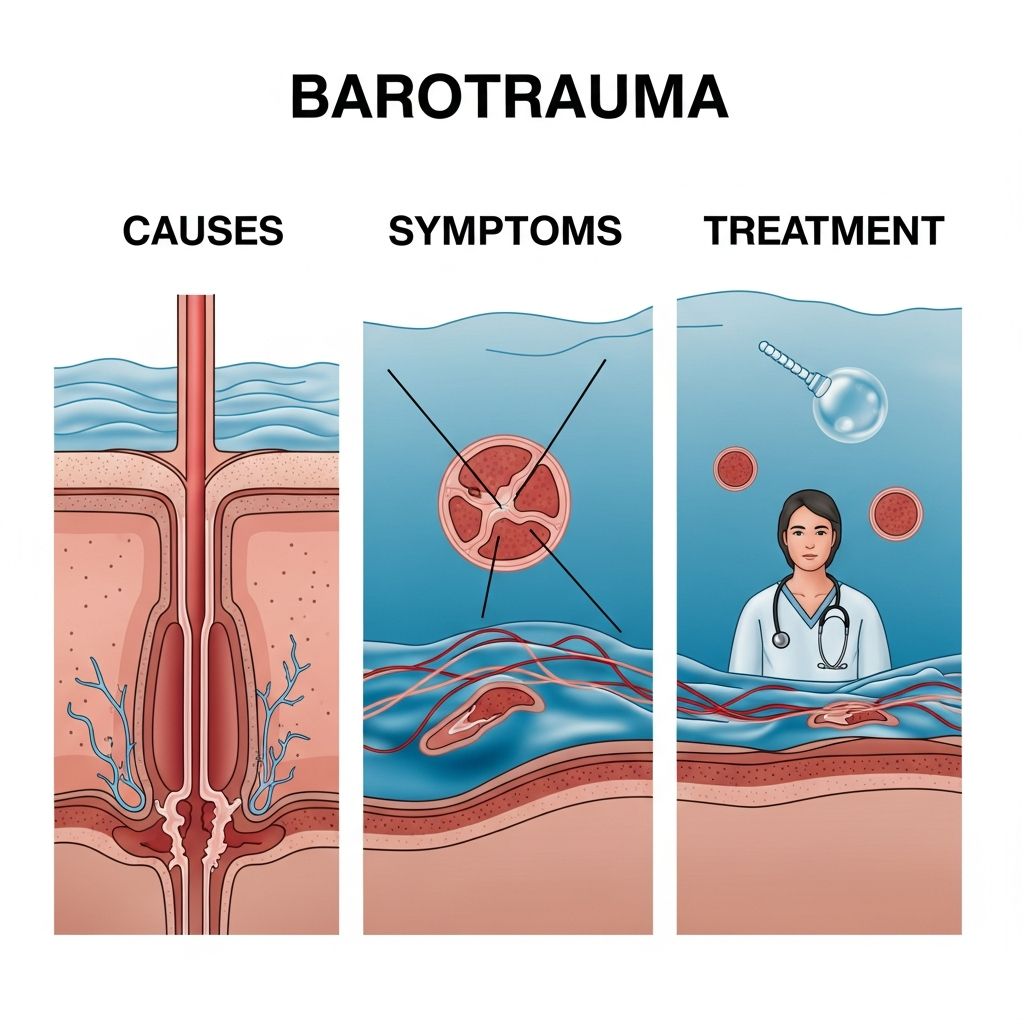
Barotrauma is physical tissue damage caused by a pressure difference between an unvented space inside the body and the surrounding gas or fluid. This condition most commonly affects the ears, sinuses, and lungs, but can also impact other air-filled cavities such as the gastrointestinal tract. Barotrauma occurs when rapid changes in environmental pressure—such as those experienced during diving, flying, or hyperbaric oxygen therapy—cause tissues to stretch, tear, or rupture due to unequal pressure distribution.
Causes of Barotrauma
Barotrauma is primarily caused by sudden or extreme changes in pressure. According to Boyle’s law, a change in environmental pressure results in an inverse change in the volume of gas within a closed space. When the body cannot equalize pressure in air-filled cavities, tissue damage can occur. Common causes include:
- Scuba diving or deep-sea diving
- High-altitude flying or rapid descent in aircraft
- Hyperbaric oxygen therapy (HBO)
- Mechanical ventilation in critically ill patients
- Explosions or blast injuries
Types of Barotrauma
Otic Barotrauma
Otic barotrauma, also known as ear barotrauma, is the most common form and typically affects the middle ear. It occurs when pressure changes prevent the Eustachian tube from equalizing pressure between the middle ear and the environment. Symptoms include ear pain, fullness, hearing loss, and sometimes vertigo or tinnitus.
Sinus Barotrauma
Sinus barotrauma, or sinus squeeze, happens when pressure changes affect the paranasal sinuses. This is common during flying or diving and can cause facial pain, headache, nasal congestion, and sometimes nosebleeds. MRI studies have shown that sinus abnormalities are more frequent in patients undergoing hyperbaric oxygen therapy, especially if they have pre-existing sinus issues.
Lung Barotrauma
Lung barotrauma is a serious condition that can occur during diving or mechanical ventilation. It results from overexpansion of the lungs due to pressure changes, leading to complications such as pneumothorax (collapsed lung), pneumomediastinum (air in the mediastinum), or subcutaneous emphysema (air under the skin). Lung barotrauma is a medical emergency and requires prompt treatment.
Gastrointestinal Barotrauma
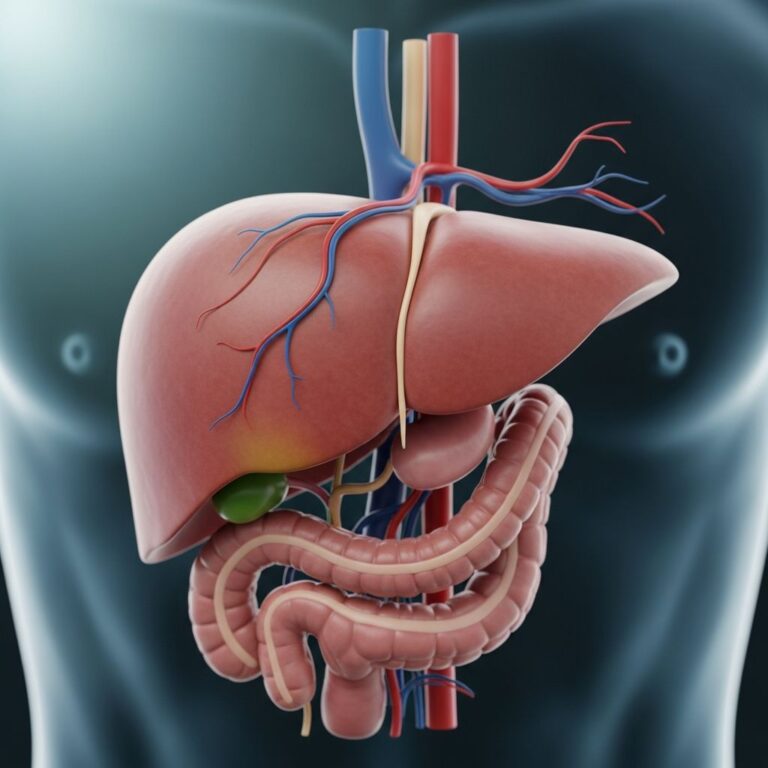
Less commonly, barotrauma can affect the gastrointestinal tract, especially during rapid ascent from deep dives. This can cause abdominal pain, bloating, and in severe cases, bowel perforation.
Symptoms of Barotrauma
Symptoms vary depending on the affected area:
- Ears: Pain, fullness, hearing loss, tinnitus, vertigo
- Sinuses: Facial pain, headache, nasal congestion, nosebleeds
- Lungs: Chest pain, shortness of breath, coughing, hypoxia
- Gastrointestinal: Abdominal pain, bloating, nausea
Diagnosis of Barotrauma
Diagnosis is based on clinical history, physical examination, and sometimes imaging studies:
- History: Recent diving, flying, or hyperbaric therapy
- Physical exam: Signs of ear or sinus inflammation, lung auscultation
- Imaging: MRI or CT scans may show fluid or air in the middle ear, sinuses, or lungs
Related Stories



Treatment of Barotrauma
Treatment depends on the severity and location of the injury:
- Mild otic or sinus barotrauma: Often resolves with rest, decongestants, and pain relief. The Valsalva maneuver (pinching the nose and blowing gently) can help equalize pressure.
- Severe otic or sinus barotrauma: May require antibiotics if infection is present, or surgical intervention in rare cases.
- Lung barotrauma: Requires immediate medical attention. Treatment may include oxygen therapy, chest tube placement, or mechanical ventilation.
- Gastrointestinal barotrauma: Usually managed conservatively, but severe cases may require surgery.
Prevention of Barotrauma
Prevention strategies include:
- Equalizing pressure during diving or flying (e.g., chewing gum, swallowing, Valsalva maneuver)
- Avoiding diving or flying with colds or sinus congestion
- Gradual ascent and descent during diving
- Proper training and equipment for divers
- Monitoring patients during hyperbaric oxygen therapy
Barotrauma in Special Populations
Patients Undergoing Hyperbaric Oxygen Therapy
Patients receiving hyperbaric oxygen therapy are at increased risk for otic and sinus barotrauma. MRI studies have shown that abnormalities in the middle ear and sinuses are more common in these patients, especially if they lose consciousness during treatment. Early diagnosis and management are crucial to prevent complications.
Mechanically Ventilated Patients
Patients on mechanical ventilation, especially those with acute lung injury or acute respiratory distress syndrome (ARDS), are at risk for lung barotrauma. High airway pressures, particularly positive end-expiratory pressure (PEEP), are associated with an increased risk of barotrauma. Most cases occur within the first few days of ventilation.
Complications of Barotrauma
If left untreated, barotrauma can lead to serious complications:
- Chronic ear or sinus infections
- Permanent hearing loss
- Lung collapse or respiratory failure
- Bowel perforation (rare)
FAQs About Barotrauma
Q: Can barotrauma be prevented?
A: Yes, barotrauma can often be prevented by equalizing pressure during pressure changes, avoiding diving or flying with congestion, and following proper safety procedures.
Q: Is barotrauma dangerous?
A: Mild barotrauma is usually not dangerous and resolves on its own. However, severe cases, especially lung barotrauma, can be life-threatening and require immediate medical attention.
Q: How is barotrauma diagnosed?
A: Diagnosis is based on symptoms, history of pressure changes, physical examination, and sometimes imaging studies like MRI or CT scans.
Q: What is the treatment for ear barotrauma?
A: Mild cases are treated with rest, decongestants, and pain relief. Severe cases may require antibiotics or surgery.
Q: Can barotrauma occur during flying?
A: Yes, barotrauma is common during flying, especially during ascent and descent, and can affect the ears and sinuses.
References
- MRI Findings of Otic and Sinus Barotrauma in Patients with Carbon Monoxide Poisoning Undergoing Hyperbaric Oxygen Therapy — PLOS ONE. 2013. https://journals.plos.org/plosone/article?id=10.1371%2Fjournal.pone.0065672
- Airway Pressures and Early Barotrauma in Patients with Acute Lung Injury or Acute Respiratory Distress Syndrome — American Journal of Respiratory and Critical Care Medicine. 2002. https://www.atsjournals.org/doi/pdf/10.1164/ajrccm.165.7.2109059
- Barotrauma — StatPearls, NCBI Bookshelf. 2023. https://www.ncbi.nlm.nih.gov/books/NBK482348/
Similar Articles








Read full bio of medha deb