Barotrauma Of The Ear: Causes, Symptoms, Prevention Guide
Understanding ear barotrauma: causes, symptoms, treatments, and prevention strategies for pressure-related ear injuries.
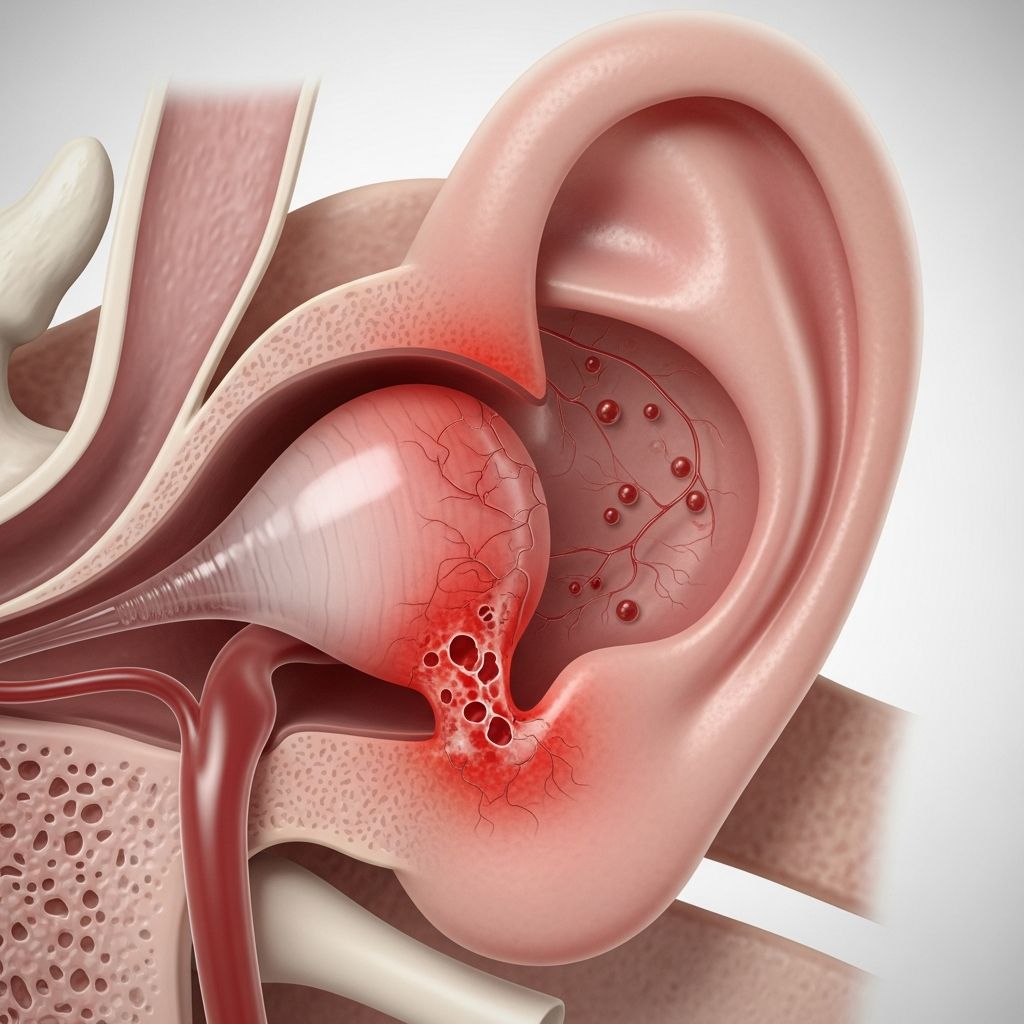
Barotrauma of the ear, also known as otic barotrauma, is a common condition caused by unequal air pressure between the middle ear and the environment, often during air travel, scuba diving, or rapid altitude changes. This pressure imbalance affects the eustachian tube’s ability to equalize pressure, leading to discomfort or injury.
What is Barotrauma of the Ear?
The ear consists of the outer ear, middle ear, and inner ear. The middle ear is an air-filled space behind the eardrum (tympanic membrane), connected to the nasopharynx by the eustachian tube, which equalizes pressure. Barotrauma occurs when this tube fails to open adequately, causing pressure differences that stretch or damage the eardrum and middle ear structures. Otic barotrauma (OBT) is tissue injury from inadequate pressure equalization in gas-filled spaces, most common in diving and hyperbaric treatments due to eustachian tube dysfunction.
During descent in airplanes or dives, external pressure rises faster than the middle ear can adjust, pushing the eardrum inward. Ascent reverses this, pulling it outward. Severe cases can lead to eardrum rupture, bleeding, or inner ear damage.
Who Gets Barotrauma of the Ear?
Anyone can experience ear barotrauma, but risk factors include upper respiratory infections, allergies, or congenital narrow eustachian tubes. Frequent flyers, scuba divers, and skydivers are particularly susceptible. Children and those with sinus issues face higher risks due to eustachian tube anatomy. Divers Alert Network notes it’s one of the most common dive injuries.
Symptoms
Symptoms vary by severity but often start with discomfort during pressure changes. Common signs include:
- Stuffed or full feeling in the ears
- Muffled or reduced hearing
- Ear pain or discomfort, worsening with pressure shifts
- Popping sensation when eustachian tubes open
Severe symptoms indicate complications:
- Dizziness or vertigo
- Ringing in the ears (tinnitus)
- Bleeding from the ear or nosebleed
- Moderate to severe hearing loss
- Nausea and vomiting if inner ear involved
In middle ear barotrauma (MEBT), pain increases then abruptly stops if the eardrum ruptures, with sudden hearing improvement or fluid drainage. Inner ear barotrauma (IEBT) features sudden vertigo, high-frequency hearing loss, and may be permanent. Symptoms usually resolve quickly but can persist if untreated.
Complications
While most cases heal without issue, complications arise in severe or untreated barotrauma:
- Eardrum perforation: Allows infection risk, temporary hearing loss
- Middle ear effusion or hemotympanum: Fluid or blood buildup causing conductive hearing loss
- Inner ear damage (IEBT): Perilymph fistula leading to sensorineural hearing loss, vertigo
- Chronic issues: Persistent tinnitus, dizziness, or permanent hearing loss requiring aids
- Infection: Otitis media if bacteria enter via rupture
Merck Manuals highlight that sensorineural loss or vertigo during descent suggests perilymph fistula. Divers may experience delayed high-frequency loss. Early intervention reduces these risks.
Cause
Ear barotrauma stems from eustachian tube blockage or dysfunction preventing pressure equalization. Triggers include:
Related Stories



- Ascent/Descent: Airplane travel, elevators, scuba diving
- Diving specifics: Squeeze during descent (descent barotrauma) or ascent bubble formation
- Predisposing factors: Colds, allergies, smoking, pregnancy (mucosal swelling)
StatPearls explains sound transmission relies on pressure balance; disruption affects the ossicular chain and perilymph. Rapid pressure changes overwhelm the tube.
Examination
Diagnosis begins with history of pressure exposure and symptoms. Physical exam uses otoscopy:
- Mild: Retracted eardrum, air-fluid levels
- Moderate: Hemorrhage, bubbles in middle ear
- Severe: Perforated eardrum, bloody otorrhea
Tympanometry assesses middle ear pressure. Audiometry checks hearing loss type (conductive vs. sensorineural). Severe cases may need CT/MRI for inner ear fistula. Facial nerve involvement prompts steroid consideration.
Treatment
Treatment depends on severity; most mild cases self-resolve in minutes.
Conservative Measures
- Bed rest, head elevation, avoid straining (Valsalva, coughing)
- Autoinsufflation: Swallow, yawn, Toynbee (swallow while pinching nose/mouth)
Medications
| Medication | Purpose | Notes |
|---|---|---|
| Decongestants (oral/nasal) | Open eustachian tube | Oxymetazoline spray, pseudoephedrine |
| Antihistamines | Allergy-related congestion | If allergies contribute |
| Pain relievers | Symptom relief | Acetaminophen, ibuprofen; eardrops if no rupture |
| Antibiotics | Infection prevention | Oral if ruptured |
| Steroids | Reduce inflammation | Oral/topical for severe cases or facial paralysis |
Surgical Interventions
Rarely needed: Myringotomy (eardrum incision) for severe pain/hearing loss; tympanoplasty for persistent perforation; ventilation tubes. Hyperbaric cases managed by ENT.
Prevention
Proactive steps minimize risk:
- Pre-exposure: Treat colds/allergies; avoid diving if congested
- Equalization techniques: Frequent swallows, Valsalva (gentle), Frenzel for diving
- During flight/diving: Chew gum, use EarPlanes; descend slowly
- Divers: Equalize early/often; abort if pain starts
- Post-exposure: Decongestants before flights
UR Medicine emphasizes following provider advice to prevent chronic issues.
Frequently Asked Questions (FAQs)
Q: How long does ear barotrauma last?
A: Mild cases resolve in minutes; severe ones with rupture take weeks to months. Permanent damage is rare with treatment.
Q: Can ear barotrauma cause permanent hearing loss?
A: Yes, especially inner ear involvement or untreated ruptures, but most recover fully.
Q: Is it safe to fly with a cold?
A: No, congestion increases risk; postpone or use decongestants.
Q: What to do if ears won’t pop on a plane?
A: Try swallowing, yawning, Valsalva; use nasal spray pre-flight.
Q: When to see a doctor for ear pain after diving?
A: Immediately if severe pain, hearing loss, vertigo, or bleeding.
References
- Ear Barotrauma: Symptoms, Causes, Treatment, Prevention — WebMD. 2023. https://www.webmd.com/a-to-z-guides/ear-barotrauma-facts
- Ear barotrauma — MedlinePlus, U.S. National Library of Medicine (NIH). 2024-01-15. https://medlineplus.gov/ency/article/001064.htm
- Otic Barotrauma — Merck Manuals Professional Edition. 2024. https://www.merckmanuals.com/professional/ear-nose-and-throat-disorders/middle-ear-and-tympanic-membrane-disorders/otic-barotrauma
- Ear Barotrauma — StatPearls, NCBI Bookshelf (NIH). 2023-07-17. https://www.ncbi.nlm.nih.gov/books/NBK499851/
- Ear Barotrauma — UR Medicine, University of Rochester. 2024. https://www.urmc.rochester.edu/encyclopedia/content?contenttypeid=134&contentid=535
- Inner-Ear Barotrauma (IEBT) — Divers Alert Network. 2023. https://dan.org/health-medicine/health-resources/diseases-conditions/inner-ear-barotrauma-ieft/
Similar Articles








Read full bio of medha deb