Barrett’s Esophagus: Understanding Causes, Symptoms, and Treatment
Comprehensive guide to Barrett's esophagus: Learn about this serious condition, its risks, and treatment options.
Understanding Barrett’s Esophagus
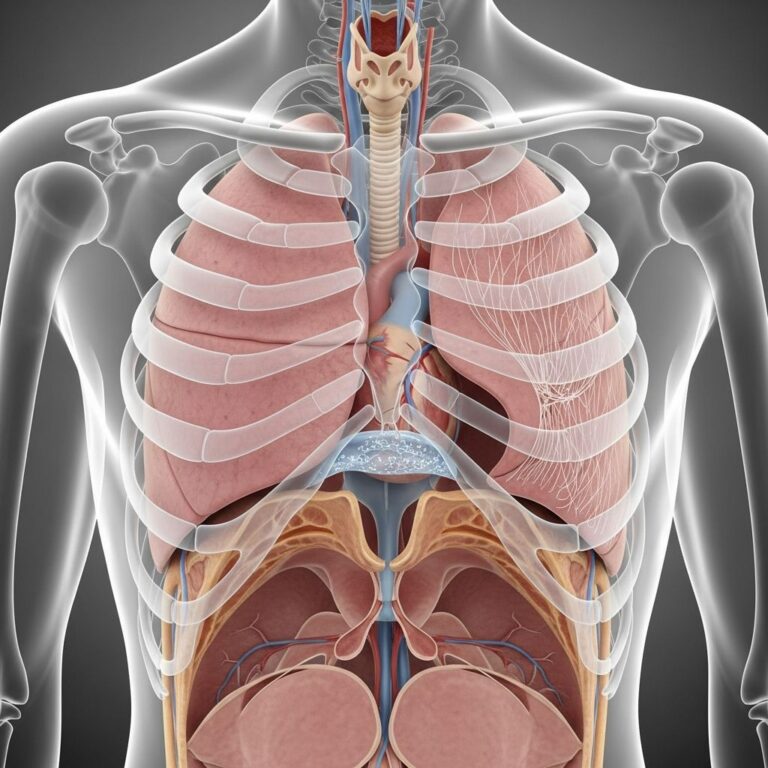
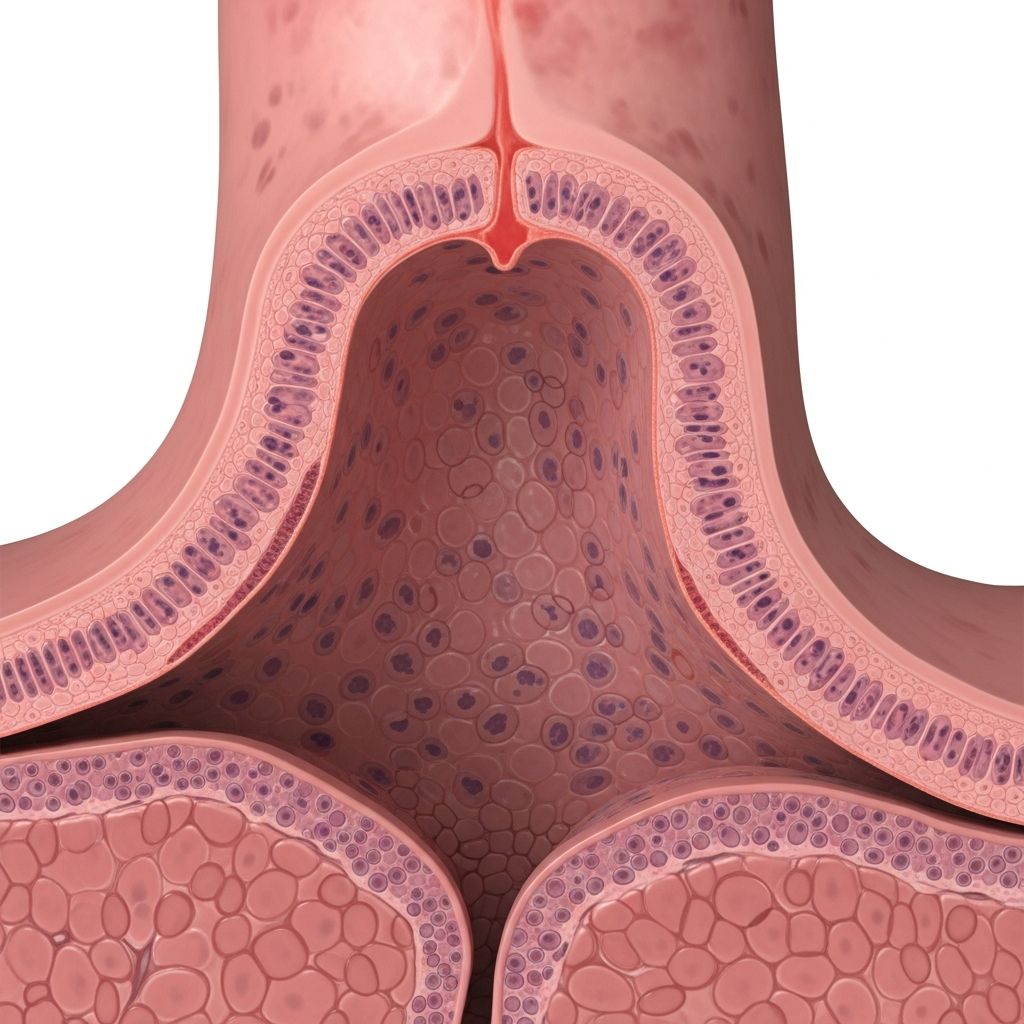
Barrett’s esophagus is a serious medical condition in which the normal lining of the esophagus—the muscular tube that carries food from your mouth to your stomach—undergoes a fundamental change. Specifically, the cells that normally line the esophagus are replaced with a different type of cell that resembles the cells found in the intestines. This cellular transformation is medically known as intestinal metaplasia. This condition develops as a response to chronic damage caused by stomach acid, and it represents a significant health concern because of its association with an increased risk of developing esophageal cancer.
The condition is named after Norman Barrett, a British thoracic surgeon who first described it in 1957. However, our understanding of how Barrett’s esophagus develops has evolved significantly over the decades. Initially, medical professionals believed that esophageal cells were somehow converting into intestinal cells. More recent research has revealed that the condition actually results from stomach cells adopting intestinal characteristics as a protective response to repeated acid exposure. This important distinction has fundamentally changed how medical professionals approach prevention and treatment strategies.
Who Develops Barrett’s Esophagus?
While Barrett’s esophagus is relatively uncommon, affecting approximately 1.6 to 6.8 percent of the population, certain groups of people face a higher risk of developing this condition. Adults over the age of 55 are significantly more likely to receive a diagnosis of Barrett’s esophagus. The condition is notably more prevalent in men and individuals of Caucasian descent compared to other demographic groups.
The most significant risk factor for Barrett’s esophagus is chronic gastroesophageal reflux disease (GERD), also known as chronic acid reflux. Approximately 10 to 15 percent of people who experience persistent acid reflux develop Barrett’s esophagus. The prolonged exposure to stomach acid damages the esophageal lining, which then adapts by developing more acid-resistant cells similar to those found in the intestines. This protective mechanism, while reducing immediate symptoms, creates long-term health risks. Medical professionals recommend that adults over 40 with a history of chronic heartburn undergo regular screening to detect Barrett’s esophagus early.
Symptoms and Warning Signs
Many people with Barrett’s esophagus do not experience specific symptoms directly related to the condition itself. However, since Barrett’s esophagus typically develops in response to chronic acid reflux, patients often have a history of GERD symptoms. The most common symptoms associated with this condition include:
- Chronic heartburn and persistent acid reflux
- Chronic cough and hoarseness of voice
- Difficulty swallowing or feeling that something is stuck in the throat
- Sore throat and throat irritation
- Unexplained weight loss
- Spitting up food or regurgitation
- Excessive burping
- Bleeding in severe cases
One interesting and somewhat counterintuitive symptom pattern occurs in some patients: individuals who previously experienced significant heartburn and acid reflux symptoms sometimes notice that their symptoms improve or even disappear once Barrett’s esophagus develops. This occurs because the newly developed intestinal-type cells are naturally more resistant to stomach acid than normal esophageal cells, providing some protection from the acid that previously caused discomfort. However, this apparent improvement should not be viewed as a positive development, as it masks the underlying progressive cellular changes occurring in the esophagus.
Diagnosis and Screening
Accurate diagnosis of Barrett’s esophagus requires medical evaluation by a healthcare provider. The primary diagnostic tool used by gastroenterologists is endoscopy. During this procedure, a specialized instrument called an endoscope—a flexible tube with a camera and light attached to its tip—is gently passed down the throat to directly visualize the esophagus and stomach. This allows the physician to observe the appearance of the esophageal lining and identify any changes in tissue color or texture that might suggest Barrett’s esophagus.
When suspicious areas are identified during endoscopy, the physician typically performs a biopsy by collecting small tissue samples from the affected areas. These samples are then examined under a microscope by a pathologist to confirm the diagnosis and determine whether dysplasia (precancerous changes) is present. The results of the biopsy guide subsequent treatment decisions and monitoring protocols.
Related Stories



For patients with confirmed Barrett’s esophagus and evidence of high-grade dysplasia or concerns about possible malignancy, additional imaging studies such as endoscopic ultrasonography (EUS) may be recommended. EUS provides detailed information about the depth of any abnormal changes and helps determine whether the condition has progressed to cancer, which is crucial for planning appropriate treatment.
Understanding the Cancer Risk
The most significant concern associated with Barrett’s esophagus is its potential to progress to esophageal cancer, specifically a type called adenocarcinoma. However, it is important to understand that this progression does not happen suddenly or inevitably. The development of cancer from Barrett’s esophagus typically follows a predictable step-wise pattern, which provides opportunities for early detection and intervention.
In this progression pathway, patients with Barrett’s esophagus may first develop low-grade dysplasia, which represents early precancerous changes in the cell lining. If left untreated, low-grade dysplasia can progress to high-grade dysplasia, a more advanced stage of precancerous changes. Finally, in some cases, high-grade dysplasia may progress to adenocarcinoma. Importantly, many people with Barrett’s esophagus never develop dysplasia or cancer. This staged progression means that with appropriate monitoring and early intervention, precancerous changes can be detected and treated before they develop into actual cancer.
Treatment and Management Options
Lifestyle Modifications
The foundation of Barrett’s esophagus management involves making specific lifestyle changes designed to reduce acid reflux and prevent further esophageal damage. These modifications include:
- Quitting smoking completely, as tobacco use increases acid production
- Limiting or eliminating alcohol consumption and caffeine intake
- Losing weight if overweight, even modest weight loss can significantly reduce reflux
- Eating more fruits, vegetables, and foods rich in vitamins
- Avoiding trigger foods that commonly cause acid reflux
- Eating smaller, more frequent meals rather than large meals
- Not eating close to bedtime or lying down after eating
Medications
Pharmacological treatment focuses on reducing the amount of acid produced by the stomach and preventing it from entering the esophagus. Proton pump inhibitors (PPIs) such as omeprazole and lansoprazole are commonly prescribed medications for Barrett’s esophagus. These medications work by blocking the cellular mechanisms responsible for stomach acid production, effectively reducing esophageal acid exposure. By minimizing acid damage, these medications help prevent progression of the cellular changes and reduce the risk of dysplasia developing.
Antacid medications and other acid-reduction therapies may also be recommended as part of a comprehensive treatment plan. The goal of medical therapy is to completely abolish reflux symptoms and acid exposure, preventing ongoing damage to the esophagus and avoiding the cellular turnover that promotes progression toward precancerous changes and cancer.
Ablative Therapy
For patients with more advanced disease or significant dysplasia, ablative treatments may be recommended. These therapies are designed to remove or destroy Barrett’s esophagus tissue containing abnormal cells. Several ablative techniques are available:
- Radiofrequency Ablation: Uses controlled radio waves delivered through a balloon inserted into the esophagus to heat and destroy abnormal tissue
- Photodynamic Therapy: Uses a light-sensitizing chemical called porfimer sodium combined with a laser to kill abnormal cells
- Cryotherapy: A newer technique that applies extremely cold liquid or gas to freeze and destroy abnormal cells, allowing them to die before potentially developing into cancer
Cryotherapy represents a recent advancement in Barrett’s esophagus treatment. Johns Hopkins Medical Center began experimenting with this technique in the 2020s and has been investigating its effectiveness in preventing progression to cancer. These ablative treatments are typically reserved for patients with high-grade dysplasia or very early cancer and are usually performed under endoscopic guidance.
Surgical Intervention
Surgical removal of the esophagus, known as esophagectomy, represents the most radical treatment option for Barrett’s esophagus. However, this procedure is generally reserved only for patients who have already developed esophageal adenocarcinoma or are considered to be at extremely high risk. During an esophagectomy, the affected portion of the esophagus is surgically removed, and the stomach is then brought up and reattached to the remaining normal esophagus. While this procedure can be curative for cancer, it is a major surgery with significant recovery requirements and lifestyle adjustments.
Monitoring and Follow-up Care
Once Barrett’s esophagus has been diagnosed, regular medical monitoring becomes essential. The frequency and type of monitoring depend on whether dysplasia is present and the grade of any dysplasia found. Patients with Barrett’s esophagus without dysplasia typically require periodic endoscopic evaluation to monitor for any cellular changes. Patients with dysplasia require more frequent monitoring and may be candidates for ablative therapy or other interventional treatments.
It is important to understand that while there is no definitive cure for Barrett’s esophagus other than complete surgical removal of the esophagus, the condition can be effectively managed through a combination of medical therapy, lifestyle modifications, and careful monitoring. Many people with Barrett’s esophagus live normal lifespans without ever developing cancer, particularly when the condition is detected early and appropriate preventive measures are implemented.
Prevention of Barrett’s Esophagus
The best way to prevent Barrett’s esophagus from developing in the first place is to effectively manage acid reflux and GERD through lifestyle modifications and medical treatment. For people who experience frequent heartburn, seeking medical evaluation and treatment to control reflux symptoms is crucial. Addressing acid reflux before it causes chronic esophageal damage significantly reduces the likelihood of Barrett’s esophagus development.
Key preventive measures include maintaining a healthy weight, avoiding smoking and excess alcohol consumption, limiting caffeine intake, and making appropriate dietary choices. These measures not only help prevent Barrett’s esophagus but also contribute to overall digestive health and well-being.
Frequently Asked Questions
Q: Is Barrett’s esophagus always cancerous?
A: No. While Barrett’s esophagus increases the risk of developing esophageal cancer, most people with Barrett’s esophagus never develop cancer. The progression to cancer is a step-wise process that allows for early detection and intervention of precancerous changes.
Q: Can Barrett’s esophagus be cured without surgery?
A: While ablative therapies can remove Barrett’s tissue and pharmaceutical treatments can manage symptoms, Barrett’s esophagus is generally considered permanent unless the esophagus is surgically removed. However, with appropriate management and monitoring, progression to cancer can often be prevented.
Q: How often do I need endoscopy if I have Barrett’s esophagus?
A: The frequency of endoscopic monitoring depends on whether dysplasia is present and its grade. Patients without dysplasia typically require monitoring at longer intervals, while those with dysplasia may need more frequent evaluations. Your gastroenterologist will determine the appropriate schedule based on your individual situation.
Q: What lifestyle changes are most important for Barrett’s esophagus?
A: The most impactful changes are quitting smoking, limiting alcohol and caffeine, losing weight if overweight, and avoiding foods that trigger reflux. Even small amounts of weight loss can significantly reduce reflux symptoms.
Q: Are there any new treatments for Barrett’s esophagus?
A: Yes. Cryotherapy, which uses extreme cold to destroy abnormal cells, is a newer ablative technique that Johns Hopkins and other medical centers are now using as an established clinical option for treating Barrett’s esophagus with dysplasia.
References
- Barrett Esophagus — EBSCO Research Starters. Accessed 2025-12-01. https://www.ebsco.com/research-starters/health-and-medicine/barrett-esophagus
- Barrett’s Esophagus — Johns Hopkins Pathology. Accessed 2025-12-01. https://pathology.jhu.edu/barretts-esophagus/
- Mayo Clinic Q&A Podcast: Barrett’s Esophagus Requires Monitoring — Mayo Clinic Healthcare. Published 2022-11-04. https://www.youtube.com/watch?v=bbnWG7t62uU
- Barrett’s Esophagus — Johns Hopkins University School of Medicine. https://pure.johnshopkins.edu/en/publications/barretts-esophagus-5
- Management of Barrett’s Esophagus — PubMed/National Center for Biotechnology Information. https://pubmed.ncbi.nlm.nih.gov/11110610/
Similar Articles








Read full bio of Sneha Tete