Barrier Contraceptives: Diaphragms and Caps
Explore non-hormonal options like diaphragms and cervical caps for effective pregnancy prevention with proper use and spermicide.
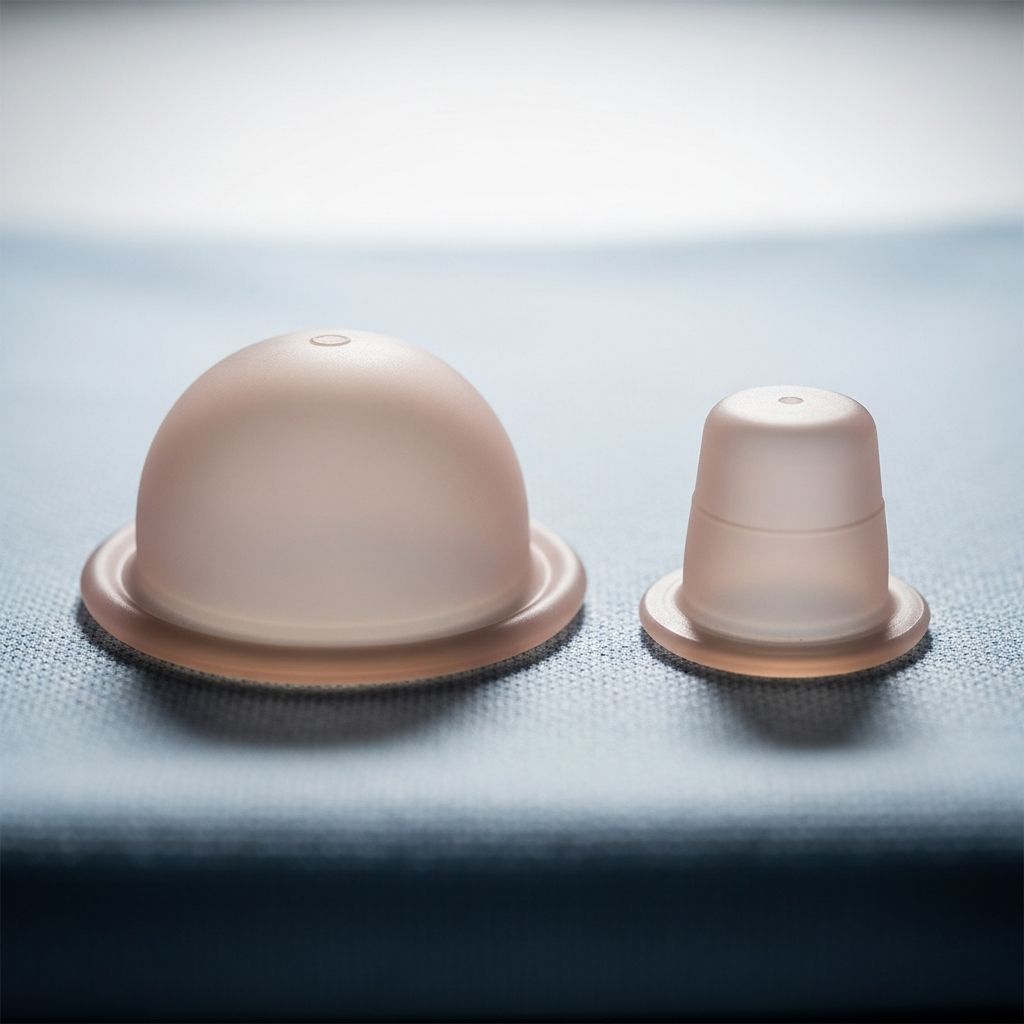
Diaphragms and cervical caps serve as reusable, non-hormonal barrier methods designed to prevent sperm from reaching the egg by physically blocking the cervix. These devices require spermicide for optimal effectiveness and offer user-controlled contraception without systemic side effects.
Understanding Barrier Birth Control Methods
Barrier contraceptives create a physical obstacle to sperm entry into the uterus. Unlike hormonal options such as pills or implants, they provide immediate protection that starts and stops with each use. Diaphragms and caps must be inserted before intercourse and left in place afterward.
These methods appeal to individuals seeking reversible, on-demand protection. However, their success hinges on correct fitting, timing, and spermicide application. Health organizations emphasize professional fitting to match individual anatomy.
Key Features of the Diaphragm
A diaphragm is a shallow, dome-shaped cup made from flexible silicone or latex, sized to cover the cervix completely. Available in fitted versions prescribed after a pelvic exam or a single-size option for broader compatibility, it forms a seal reinforced by spermicide.
- Materials: Silicone for hypoallergenic properties or latex for traditional models.
- Sizes: Custom-fitted (multiple sizes) or one-size-fits-most like the Caya model.
- Durability: Reusable for up to two years with proper cleaning and storage.
Factors like weight changes over 10 pounds, childbirth, or pelvic surgery necessitate refitting to ensure a proper seal.
Types of Cervical Caps
The cervical cap is a smaller, thimble-like plastic dome that suctions directly onto the cervix. Available in limited sizes (typically three in the U.S.), it requires professional prescription and fitting.
Unlike the diaphragm, the cap relies primarily on suction for retention, making it suitable for those with shorter vaginal canals. It also pairs with spermicide to immobilize sperm.
How Spermicide Enhances Protection
Spermicide, a chemical spermicidal agent, is essential for both devices. It comes in foams, gels, creams, or suppositories that kill sperm on contact.
Application Tips:
- Fill the dome or rim groove with about a teaspoon of gel.
- Avoid film or suppository types for diaphragms; gels work best.
- Check expiration dates, as inactive spermicide reduces efficacy.
Spermicide alone offers limited protection (around 70-80% effective) but boosts barrier methods significantly when combined.
Step-by-Step Insertion Guide for Diaphragms
Proper insertion ensures the device covers the cervix fully. Practice under medical guidance first.
- Empty your bladder and wash hands thoroughly.
- Inspect the diaphragm for tears or damage.
- Add spermicide to the dome interior and rim.
- Fold the diaphragm by pinching opposite sides.
- Insert deep into the vagina, tucking the front rim behind the pubic bone.
- Verify placement by feeling the cervix centered under the dome with your finger.
Leave in place for at least six hours post-intercourse but no longer than 24 hours to avoid risks like toxic shock syndrome.
Insertion and Removal for Cervical Caps
Related Stories



Caps demand precise placement due to their suction mechanism.
- Fill the cap’s interior and rim groove with spermicide.
- Fold the cap with the brim facing forward.
- Gently insert, pressing firmly onto the cervix until suction holds.
- Check seal by running a finger around the rim; it should feel secure.
- For removal, squeeze the rim to break suction and gently pull out.
Maximum wear time mirrors the diaphragm: 48 hours at most.
Effectiveness Rates and Influencing Factors
With
perfect use
—correct fitting, spermicide, and timing—diaphragms achieve 94-96% effectiveness, while typical use drops to 88% due to user errors.| Method | Perfect Use (% Effective) | Typical Use (% Effective) |
|---|---|---|
| Diaphragm + Spermicide | 94-96 | 88 |
| Cervical Cap + Spermicide | 86-91 (women who haven’t given birth vaginally) | 71-76 |
| Spermicide Alone | 82 | 72 |
Data from ACOG and clinical studies; effectiveness varies by parity (childbirth history).
Combining with condoms elevates protection against pregnancy and STIs.
Advantages of These Barrier Methods
These options shine for their non-invasive, hormone-free profile.
- No Hormones: Ideal for those with contraindications to hormonal birth control.
- Reversible: Protection ends upon removal; fertility returns immediately.
- Female-Controlled: No partner involvement required.
- Cost-Effective Long-Term: Initial cost $60-100, reusable for years.
- Low Maintenance: Annual check-ups suffice.
Potential Risks and Side Effects
While generally safe, considerations include:
- Allergic Reactions: To latex or spermicide (use silicone alternatives).
- UTI Risk: Higher incidence from bacterial trapping; urinate post-use.
- Dislodgement: During vigorous activity; check placement.
- Infection Risk: Prolonged wear beyond 24-48 hours invites toxic shock.
Not protective against STIs; pair with condoms for dual benefits.
Care, Storage, and Maintenance
Longevity depends on hygiene.
- Cleaning: Mild soap and water post-removal; air dry.
- Storage: Cool, dry place away from sunlight or sharp objects.
- Inspection: Check weekly for pinholes (fill with water and look for leaks).
- Replacement: Every 1-2 years or after damage.
Avoid oil-based lubricants, which degrade materials; opt for water-based.
Who Should Consider These Methods?
Best for motivated users comfortable with vaginal insertion, in monogamous relationships or using STI protection separately. Not ideal post-vaginal birth (wait 6 weeks) or with uterine prolapse.
Comparisons with Other Barriers
| Method | STI Protection | Hormones | Prescription Needed | Cost (First Year) |
|---|---|---|---|---|
| Diaphragm/Cap | No | No | Yes | $200-300 |
| Condom | Yes | No | No | $50-100 |
| Sponge | No | No | No | $15-30/pack |
Diaphragms offer reusability over single-use sponges.
Frequently Asked Questions (FAQs)
Can I use a diaphragm during menstruation?
Yes, but add extra spermicide; removal may be messier.
How soon after insertion can intercourse occur?
Up to 2 hours prior is fine; reapply spermicide if longer.
Does spermicide protect against STIs?
No, it only targets sperm.
What if the diaphragm slips during sex?
Remove, reapply spermicide, and reinsert; consider emergency contraception if concerned.
Are these methods safe post-childbirth?
Wait 6 weeks and get refitted; caps less effective for parous women.
Consulting Healthcare Providers
Start with a gynecologist for fitting and training. Annual exams ensure ongoing suitability. Discuss medical history for personalized advice.
References
- Spermicide, Condom, Sponge, Diaphragm, and Cervical Cap — American College of Obstetricians and Gynecologists (ACOG). 2023. https://www.acog.org/womens-health/faqs/barrier-methods-of-birth-control-spermicide-condom-sponge-diaphragm-and-cervical-cap
- Diaphragm Birth Control — Kaiser Permanente. 2024. https://healthy.kaiserpermanente.org/health-wellness/birth-control/types/diaphragm
- Barrier methods of birth control – series—Diaphragm — MedlinePlus (U.S. National Library of Medicine). 2023. https://medlineplus.gov/ency/presentations/100107_4.htm
- Diaphragm Birth Control | Cost, Effectiveness, Benefits & Side Effects — Bedsider.org. 2024. https://www.bedsider.org/birth-control/diaphragm
- Diaphragm Fitting — American Academy of Family Physicians (AAFP). 2004-01-01 (authoritative clinical review). https://www.aafp.org/pubs/afp/issues/2004/0101/p97.html
- Vaginal Diaphragm Contraceptive: Function & Effectiveness — Cleveland Clinic. 2023. https://my.clevelandclinic.org/health/articles/23427-vaginal-diaphragm
Similar Articles








Read full bio of Sneha Tete