Barrier Cream: Comprehensive Guide To Types, Uses, Ingredients
Protective skincare formulations that shield skin from irritants, moisture, and friction while aiding repair and hydration.
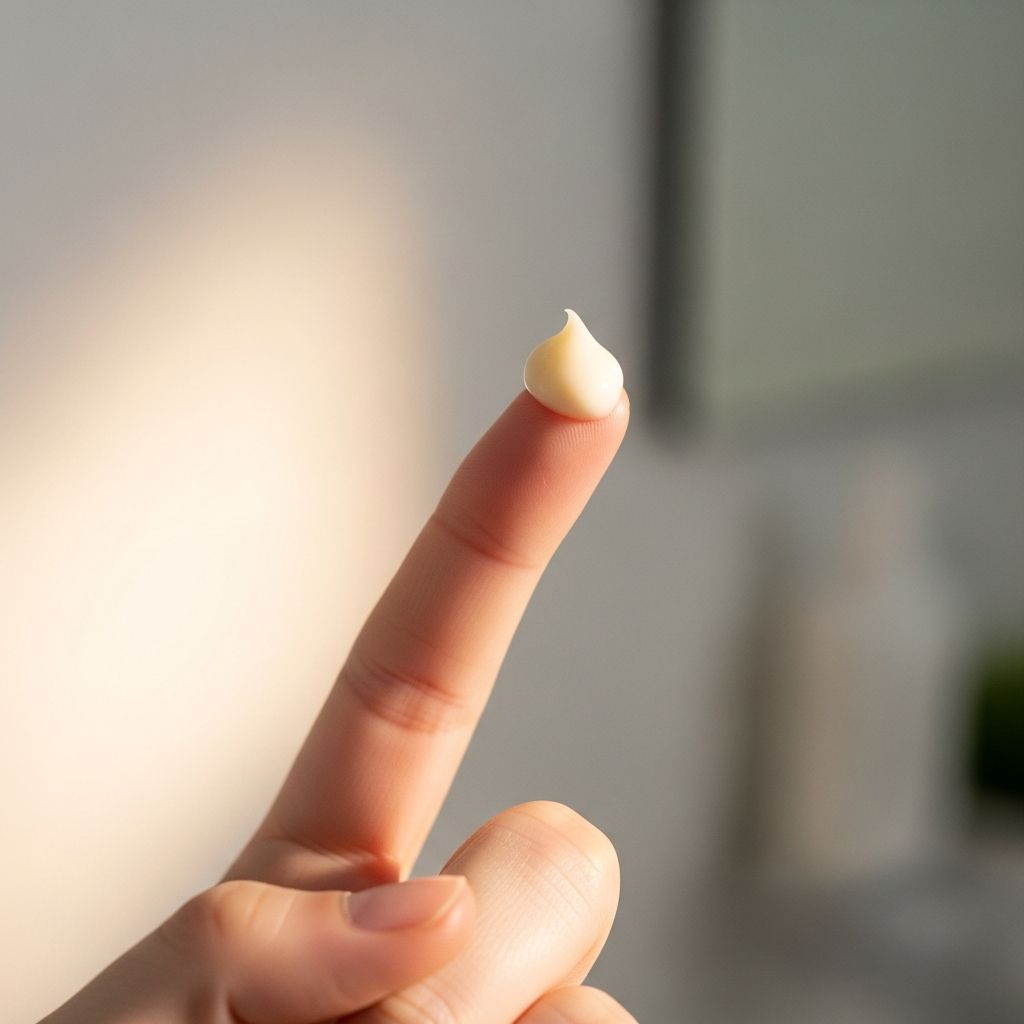
Barrier creams, also known as skin protectants, are topical formulations designed to create a physical shield on the skin surface. They prevent or reduce damage from irritants such as body fluids, moisture, friction, chemicals, and soilage.
What is barrier cream?
Barrier creams are formulated to deposit a protective film over the skin, acting as a non-permeable or semi-permeable layer. This layer minimizes contact between the skin and harmful substances, allowing the natural skin barrier to recover and function effectively. Unlike regular moisturizers, which primarily hydrate the superficial layers, barrier creams address the root causes of barrier damage by strengthening the skin’s defensive structure.
The skin’s natural barrier, composed of lipids, ceramides, and cholesterol in the stratum corneum, can become compromised by factors like excessive washing, incontinence, or environmental exposure. Barrier creams mimic and reinforce this structure, often containing occlusive agents that lock in moisture and repel irritants.
Who gets barrier cream used for?
Barrier creams are primarily used for individuals at risk of skin damage from prolonged exposure to irritants. Key groups include:
- People with urinary or faecal incontinence, to protect perineal skin from urine and faeces.
- Infants and adults prone to nappy rash or diaper dermatitis.
- Patients with dermatitis, eczema, or psoriasis where moisture or friction exacerbates symptoms.
- Healthcare workers or individuals with frequent hand washing, to prevent irritant contact dermatitis.
- Those with sensitive, dry, or aging skin exposed to harsh weather, chemicals, or friction-prone areas like elbows and heels.
In clinical settings, barrier creams are standard in incontinence care protocols to prevent moisture lesions and skin breakdown.
What causes the need for barrier cream?
Skin damage necessitating barrier creams arises from:
- Moisture-associated skin damage: Prolonged exposure to urine, faeces, sweat, or wound exudate leads to maceration and dermatitis.
- Chemical irritants: Soaps, detergents, disinfectants, and industrial solvents strip natural oils.
- Friction and shear: Rubbing in skin folds, under medical devices, or from clothing causes abrasion.
- Bacterial overgrowth: Moisture creates an environment for pathogens, worsening irritation.
- Environmental factors: Cold, dry air, pollution, or UV exposure impairs barrier function.
Genetics, excessive exfoliation, or conditions like eczema further weaken the barrier, making protective creams essential.
What are the clinical features of skin needing barrier cream?
Signs of compromised skin barrier include:
- Redness, inflammation, and shiny, moist appearance (maceration).
- Dryness, scaling, roughness, or flaking.
- Itching, burning, or pain.
- Bullae, erosions, or ulcers in severe cases.
- Increased sensitivity to products or touch.
For incontinence-associated dermatitis (IAD), perianal skin shows erythema and erosion; diaper rash presents similarly in infants.
How is barrier cream diagnosed?
Diagnosis is clinical, based on history of irritant exposure and characteristic rash distribution. Differentiate from infections (e.g., candidiasis) via microscopy or culture if needed. Tools like the IAD scale assess severity.
What is the treatment for skin damage?
Related Stories



Treatment involves:
- Cleaning gently with pH-neutral products; pat dry.
- Applying barrier cream to intact and affected skin.
- Addressing underlying causes (e.g., incontinence management).
- Using absorbent products to minimize moisture.
- Anti-inflammatory topicals for severe inflammation.
What are barrier creams used for?
Incontinence-associated dermatitis (IAD)
IAD results from urine/faeces enzymes eroding skin. Barrier creams prevent this by blocking irritants, reducing incidence by up to 50% in studies.
Nappy rash / diaper rash / napkin dermatitis
Affects 25-50% of infants; barrier creams with zinc oxide soothe and protect.
Irritant contact dermatitis
Common in hands from soaps/chemicals; ‘water repellent’ creams for wet work.
Other uses
- Periwound skin protection.
- Pressure ulcer prevention.
- Eczema/psoriasis adjunct therapy.
- Post-procedure skin repair.
Types of barrier creams
Barrier creams are classified by solvent:
| Type | Solvent | Properties | Uses |
|---|---|---|---|
| Water-repellent | Water | Hydrophobic film; breathable | Incontinence, aquagenic irritants |
| Solvent-repellent | Lipophilic solvents (oils) | Resists oils/organic solvents | Industrial, greasy irritants |
| Silage | Water + solids | Thick paste; occlusive | Diaper rash, heavy soiling |
Ingredients in barrier creams
Common occlusives:
- Zinc oxide: Astringent, antibacterial; 10-40% in diaper creams.
- Dimethicone: Silicone; water-repellent.
- Petrolatum: Occlusive; heals fissures.
- Lanolin: Emollient; allergen risk.
- Ceramides, cholesterol: Repair natural barrier.
Avoid irritants like fragrances, alcohol.
How to use barrier creams
Apply thinly to clean, dry skin 1-6 times daily, or preemptively before exposure. Reapply after cleaning. Use enough to form a visible film without clogging.
- For incontinence: Apply to perineum before episodes.
- Hands: Before/after wet work.
- Face/body: PM routine for dry skin; avoid pre-exercise.
Complications of barrier creams
Rare: Allergies (lanolin, fragrances), miliaria from occlusion, interference with absorption of other topicals.
Prevention of skin damage using barrier creams
Proactive use in high-risk groups reduces dermatitis incidence. Combine with skin hygiene, absorbent products. Evidence supports routine application in incontinence care.
Evidence-based summary
- Barrier creams reduce IAD risk and severity.
- Zinc oxide effective for diaper dermatitis.
- Dimethicone/petrolatum aid barrier repair.
- No single ‘best’ cream; match to irritant type.
Frequently asked questions (FAQs) on barrier cream
What is the difference between barrier cream and moisturiser?
Moisturisers hydrate temporarily; barrier creams form a protective shield against irritants and strengthen the lipid barrier long-term.
Can barrier creams be used on the face?
Yes, face-specific formulas (breathable, non-comedogenic) for dry/sensitive skin, rosacea, eczema. Avoid heavy occlusives pre-exercise.
Are barrier creams safe for babies?
Yes, zinc-based for diaper rash; fragrance-free.
How often should barrier cream be applied?
4-6 times daily or after each incontinence episode/cleaning.
Do barrier creams expire?
Check expiry; store cool/dry. Efficacy lasts hours to 48h.
References
- Barrier creams — DermNet NZ. 2023-10-15. https://dermnetnz.org/topics/barrier-cream
- What Is A Barrier Cream – Expert Advice — Hartmann Direct. 2024-05-20. https://www.hartmanndirect.co.uk/advice-centre/incontinence/what-is-a-barrier-cream—expert-advice-from-40-years-of-experience
- Barrier creams – The Prevention and Management — NCBI/NIH. 2014-01-01. https://www.ncbi.nlm.nih.gov/books/NBK333167/
- Emollients: Creams, Soaps, Moisturizers — Cleveland Clinic. 2023-11-10. https://my.clevelandclinic.org/health/treatments/23305-emollients
- The Best Barrier Cream for a Damaged Skin Barrier — Water’s Edge Dermatology. 2024-02-14. https://www.wederm.com/blog/the-best-barrier-cream-for-a-damaged-skin-barrier/
- Barrier Creams for Skin Protection — Express Medical Supply. 2024-08-05. https://www.exmed.net/barrier-creams
Similar Articles








Read full bio of medha deb