Bartholin’s Cyst: Understanding Formation and Management
A comprehensive guide to recognizing, managing, and treating Bartholin's cysts effectively.
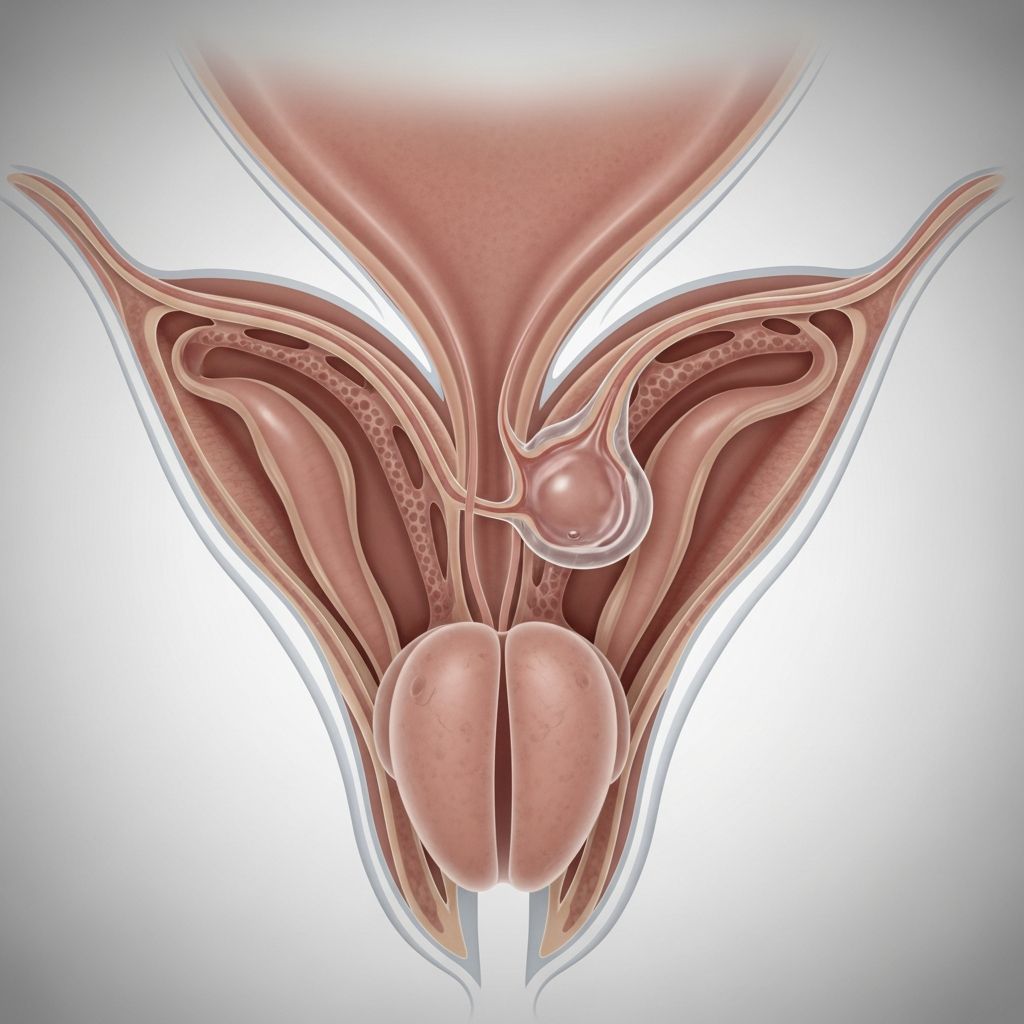
A Bartholin’s cyst represents one of the most common gynecological conditions affecting women of reproductive age. Located near the vaginal opening, these fluid-filled sacs develop when the Bartholin glands—small structures responsible for vaginal lubrication—become blocked. While many women remain unaware they have a cyst because symptoms may be absent, understanding this condition helps ensure appropriate management and early detection of complications.
The Anatomy and Formation of Bartholin’s Cysts
The Bartholin glands are paired structures situated on either side of the vaginal opening. These glands play an essential role in female sexual health by secreting lubricating fluid that maintains vaginal moisture and comfort. When the duct through which this fluid drains becomes obstructed, the secretions accumulate within the gland, creating a fluid-filled sac known as a cyst.
Cysts typically measure between 2 and 4 centimeters in diameter, though some may grow larger if left unaddressed. The blockage preventing normal fluid drainage can occur for various reasons, and in many cases, the exact cause remains unknown. However, several identifiable factors can contribute to duct obstruction:
- Infection with common skin bacteria, particularly Escherichia coli (E. coli) or Staphylococcus species
- Physical trauma to the vaginal area during childbirth
- Scar tissue formation following gynecological surgery
- Bacterial colonization from sexually transmitted organisms such as gonorrhea or chlamydia
The distinction between a simple cyst and an infected cyst is crucial. When bacteria gain access to the blocked duct, the accumulated fluid becomes infected, transforming the benign cyst into a painful abscess—a pocket of pus surrounded by inflamed tissue. These abscesses typically contain multiple bacterial species normally found in the vaginal and cervical environment.
Recognizing Symptoms and Clinical Presentation
The presentation of Bartholin’s cysts varies considerably from person to person. Many women discover they have a cyst entirely by chance during routine gynecological examinations, such as cervical screening or pap tests, because they experience no symptoms whatsoever. When symptoms do develop, they typically relate to the size of the cyst and whether infection has occurred.
Uninfected Cyst Symptoms
When a cyst remains small and uninfected, symptoms are minimal or absent. Women who do experience discomfort often report:
- Awareness of a palpable lump or mass near the vaginal opening
- Mild tenderness or sensitivity in the affected area
- Discomfort during activities such as walking or prolonged sitting
- Pain or discomfort during sexual intercourse (dyspareunia)
- Difficulty or pain when inserting or removing tampons
- Visible asymmetry of the vaginal lips, with one side appearing swollen or enlarged
Some women experience vague pelvic pressure, urinary irritation, or mild pelvic discomfort, particularly if the cyst grows to a larger size.
Infected Cyst Symptoms (Abscess Formation)
Related Stories



When infection develops within a cyst, symptoms escalate dramatically and require prompt medical attention. The transition from a benign cyst to an infected abscess can occur within days. Warning signs of infection include:
- Intense, severe pain surrounding the cyst area
- Rapid swelling and visible redness of the affected region
- Purulent drainage with an unpleasant odor emanating from the cyst
- Systemic symptoms including fever (temperature of 38°C or higher) and chills
- General malaise or feeling unwell
- Significant difficulty walking, sitting, or performing daily activities
Diagnostic Evaluation
Healthcare providers typically diagnose Bartholin’s cysts through straightforward clinical assessment. The diagnostic process involves:
- Detailed patient history regarding symptom onset, duration, and progression
- Physical examination of the external genitalia to assess cyst size, location, and characteristics
- Assessment of vaginal discharge to identify infection and determine appropriate bacterial culture if needed
For women over 40 years of age or those presenting with unusual features, healthcare providers may recommend a biopsy to exclude malignancy, as cystic lesions in this population warrant more thorough investigation.
Conservative Management Approaches
The majority of Bartholin’s cysts require no active treatment, particularly if they remain asymptomatic. Many cysts gradually resolve spontaneously as the blocked duct reopens and normal drainage resumes. However, several self-care measures can accelerate healing and reduce discomfort while the body addresses the problem naturally.
Warm Soaking Therapy
Sitting in warm bath water represents one of the most accessible and effective conservative interventions. This technique, formally known as a sitz bath, involves immersing the affected area in a few inches of warm water several times daily. The recommended protocol includes:
- Duration: 3 to 4 days of consistent treatment
- Frequency: Multiple sessions daily for optimal benefit
- Temperature: Comfortably warm water—hot enough to be soothing but not scalding
- Optional enhancement: Adding approximately one teaspoon of salt per liter of bath water to assist with reducing swelling
The mechanism behind this therapy involves improved circulation to the affected area, which facilitates the body’s natural healing processes and may help the blocked duct reopen gradually.
Warm Compress Application
For those unable to take full baths or desiring a more targeted approach, applying a warm compress directly to the cyst offers similar benefits. The procedure involves:
- Dampening a clean cloth with warm water
- Applying gentle, sustained pressure to the cyst area
- Maintaining contact for 15 to 20 minutes per treatment session
- Repeating daily until symptoms improve
This localized approach proves particularly useful when discrete treatment is preferred or when full bathing is inconvenient.
Pain Management
For mild to moderate discomfort, over-the-counter analgesics provide adequate relief. Ibuprofen and paracetamol represent appropriate choices for managing pain associated with uncomplicated cysts. Individuals should consult with their healthcare provider or pharmacist to determine which medication best suits their specific circumstances, considering any existing health conditions or medication interactions.
Pharmacological Interventions
Antibiotic therapy becomes necessary under specific circumstances, particularly when infection develops or the cyst exhibits certain characteristics:
- Large cysts causing significant discomfort
- Cysts showing clinical signs of infection
- Painful cysts resistant to conservative measures
- Abscesses with fever or systemic symptoms
The selection and duration of antibiotic treatment depend on the identified organisms and the severity of infection. Healthcare providers may also prescribe topical medications to apply directly to the affected skin if secondary inflammatory changes develop.
Surgical and Procedural Treatment Options
When conservative and medical management prove inadequate, or when recurrent cysts develop, surgical intervention becomes appropriate. Several surgical approaches exist, each with distinct advantages and outcomes.
Word Catheter Placement
Current evidence supports Word catheter placement as a superior alternative to simple incision and drainage, which historically carried unacceptably high recurrence rates. This minimally invasive procedure involves creating a small drainage opening in the cyst and inserting a small catheter that remains in place, allowing continued drainage while promoting healing. This technique significantly reduces the likelihood of cyst recurrence.
Marsupialisation
Marsupialisation represents a surgical procedure where the cyst is opened and its wall is sutured to the surrounding tissue, creating a permanent drainage pathway. This approach proves effective for resolving symptomatic cysts and demonstrates lower recurrence rates than simple drainage alone. The procedure takes its name from the pouch-like opening created in the tissue.
Gland Removal
For cysts that recur repeatedly despite marsupialisation or other interventions, healthcare providers may recommend surgical removal of the entire Bartholin gland. This approach provides definitive resolution but represents a more aggressive option reserved for cases where recurrent disease significantly impacts quality of life.
Understanding Infection Complications
The transformation of a simple cyst into an infected abscess represents the primary complication requiring urgent medical attention. An abscess differs fundamentally from a cyst in that it contains pus—a collection of dead white blood cells and bacteria—surrounded by inflamed, swollen tissue. This condition demands prompt intervention because:
- The infection can spread to surrounding tissues if left untreated
- Systemic complications including sepsis may develop
- Pain escalates dramatically, significantly impacting function and quality of life
- Spontaneous rupture may occur, spreading infection internally
Symptoms warranting immediate medical evaluation include fever above 38°C, intense localized pain, purulent drainage with foul odor, and generalized feelings of illness.
When to Seek Professional Medical Care
While many Bartholin’s cysts resolve independently with conservative care, certain situations demand professional evaluation:
- Discovery of any new lump or mass near the vaginal opening
- Symptoms persisting beyond one week despite conservative treatment
- Rapid enlargement of an existing cyst
- Development of fever or systemic symptoms
- Presence of purulent drainage
- Pain severe enough to interfere with walking, sitting, or sexual activity
- Any concern regarding the nature or characteristics of the lesion
Additionally, women over 40 presenting with any new vulvar mass should seek evaluation to exclude malignancy, as this age group warrants more thorough investigation of unexpected findings.
Prognosis and Long-term Outlook
The prognosis for Bartholin’s cysts is generally favorable. Many cysts remain asymptomatic throughout their existence and require no intervention whatsoever. Of those that do cause symptoms, the majority respond well to conservative management with warm soaks and time. Even when surgical intervention becomes necessary, success rates are high with modern techniques that emphasize proper drainage and wound management to prevent recurrence.
Recurrence rates depend significantly on the treatment method employed, with Word catheter placement and marsupialisation offering substantially better outcomes than simple drainage. Most women can resume normal activities within days to weeks following appropriate treatment, with minimal long-term impact on vulvar function or sexual health.
References
- Bartholin’s cysts – symptoms and treatment — Healthdirect Australia. 2024. https://www.healthdirect.gov.au/bartholins-cysts
- Bartholin Gland Cyst — National Center for Biotechnology Information (NCBI) Bookshelf, StatPearls Publishing. 2024. https://www.ncbi.nlm.nih.gov/books/NBK532271/
- Bartholin’s cyst — National Health Service (NHS), United Kingdom. 2024. https://www.nhs.uk/conditions/bartholins-cyst/
- Bartholin’s cyst — Symptoms and causes — Mayo Clinic. 2024. https://www.mayoclinic.org/diseases-conditions/bartholin-cyst/symptoms-causes/syc-20369976
Similar Articles








Read full bio of Sneha Tete