Bartholin’s Cyst: Symptoms, Causes, Diagnosis, Treatment Guide
Learn about Bartholin's cysts: causes, symptoms, treatments, and when to seek medical help for this common vulvar condition.
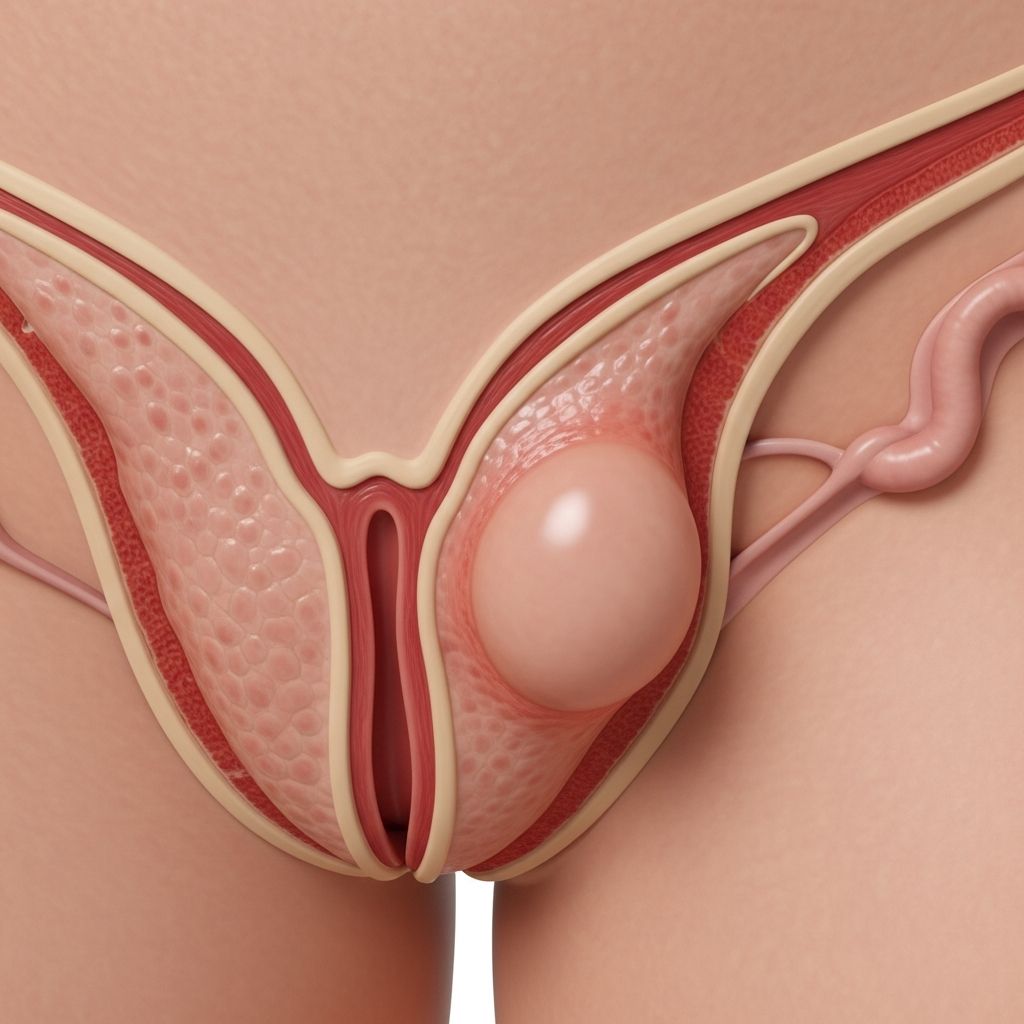
A
Bartholin’s cyst
is a common, fluid-filled sac that develops near the opening of the vagina when one of the Bartholin’s glands becomes blocked. These pea-sized glands, located on either side of the vaginal entrance, produce lubricating mucus. Blockage leads to fluid buildup, forming a painless lump in most cases, though it can become infected and painful.Most cysts are benign and resolve without intervention, but larger or infected ones (abscesses) require medical attention to prevent complications like severe pain or recurrence. Understanding this condition empowers women to recognize symptoms early and pursue appropriate care.
What Is a Bartholin’s Cyst?
The Bartholin’s glands, also called greater vestibular glands, are paired structures about 0.5 inches in diameter situated at the 4 and 8 o’clock positions of the vaginal vestibule. They secrete fluid to lubricate the vagina during sexual arousal. When the duct (narrow tube draining the gland) obstructs, secretions accumulate, creating a cyst typically 2-4 cm in size.
Cysts differ from abscesses: a simple cyst contains clear fluid and is usually asymptomatic, while an abscess involves bacterial infection, causing pus, redness, swelling, and intense pain. Bartholin’s cysts affect about 2% of women, often between ages 20-30, but can occur anytime post-puberty.
Symptoms of a Bartholin’s Cyst
Small cysts often cause no symptoms and may go unnoticed. Larger ones or abscesses present with:
- A tender, soft or firm lump on one side of the vaginal opening
- Pain during sitting, walking, or sex (dyspareunia)
- Swelling and pressure in the vulva
- For abscesses: severe pain, redness, warmth, fever, or drainage of pus
Symptoms worsen rapidly with infection, making activities like wearing tight pants or intercourse unbearable. Postmenopausal cysts warrant urgent evaluation for rare malignancy.
Causes of Bartholin’s Cysts
The primary cause is
duct obstruction
, trapping mucus inside the gland. Potential triggers include:- Thickened secretions from hormonal changes
- Trauma or injury to the vulva (e.g., episiotomy, childbirth)
- Infection: Bacteria like Escherichia coli, Staphylococcus, Streptococcus, or STIs (gonorrhea, chlamydia) enter the blocked duct
- Irritants like soaps or poor hygiene
Unlike other cysts, Bartholin’s are not linked to cancer in premenopausal women but require biopsy if atypical.
Diagnosis
Diagnosis is primarily clinical via pelvic exam: the doctor visually inspects and palpates the vulva to identify the lump’s location, size, tenderness, and signs of infection. Additional steps may include:
- Culture/swab for bacteria or STIs if infected
- Biopsy for women over 40, recurrent cysts, or suspicious features (hard mass, irregular borders)
- Ultrasound rarely, to rule out other masses
No routine imaging is needed for straightforward cases. Differential diagnoses include sebaceous cysts, lipomas, or vulvar cancer.
Treatment Options
Treatment depends on cyst size, symptoms, infection status, patient age, and recurrence history. Asymptomatic small cysts (<1 cm) often need no intervention.
Home Care and Conservative Management
For mild symptoms:
- Sitz baths: Soak in warm water 3-4 times daily for 10-15 minutes to promote drainage and reduce swelling
- Pain relief: Ibuprofen or acetaminophen for discomfort
- Warm compresses and loose clothing
- Observe for 2-4 weeks; many resolve spontaneously
Related Stories



Avoid squeezing or popping the cyst, as this risks infection spread.
Medical Interventions for Symptomatic Cysts
If home care fails or abscess forms:
- Incision and drainage (I&D): Minor procedure under local anesthesia; not recommended alone due to 10-20% recurrence
| Procedure | Description | Pros | Cons | Recurrence Rate |
|---|---|---|---|---|
| Word Catheter | Drain cyst, insert balloon catheter (inflated for 4-6 weeks) to form permanent opening via fibrosis | Outpatient, low cost, effective | Discomfort from catheter, possible expulsion | 10-15% |
| Marsupialization | Suture cyst edges to skin, creating open pocket for drainage | Lower recurrence than I&D alone | More invasive, higher cost | 5-10% |
| Gland Excision | Remove entire gland (last resort for recurrences) | Prevents recurrence | Risk of bleeding, scarring, dyspareunia | <5% |
Antibiotics: Not routine for uninfected cysts; used for abscesses with cellulitis, fever, or high-risk patients (e.g., diabetes, immunosuppression). Cover polymicrobial flora or MRSA if suspected. Oral options: cephalexin, clindamycin, or augmentin.
Treatment in Special Populations
- Pregnancy: Treat abscesses like non-pregnant (drainage, Word catheter); avoid excision due to bleeding risk
- Postmenopausal: Biopsy all masses; consider malignancy
- Recurrent: Refer to gynecology for marsupialization or excision
Complications and When to Seek Help
Untreated abscesses can rupture, cause sepsis, or recur (up to 50% without proper drainage). Rare complications: fistula formation or gland destruction. See a doctor if:
- Lump >1 cm, painful, or growing
- Fever, chills, or pus drainage
- Difficulty urinating or walking
- Recurrence despite treatment
Emergency care for severe pain or systemic symptoms.
Prevention
No guaranteed prevention, but reduce risk by:
- Maintaining vulvar hygiene: gentle soaps, daily showers
- Safe sex practices to avoid STIs
- Prompt treatment of vulvar infections or injuries
- Responsive hair removal to avoid irritation
Frequently Asked Questions (FAQs)
Can a Bartholin’s cyst go away on its own?
Yes, small asymptomatic cysts often resolve without treatment via spontaneous rupture or reabsorption.
Is a Bartholin’s cyst a sign of cancer?
Rarely in premenopausal women; postmenopausal or atypical cysts need biopsy to rule out vulvar cancer.
How long does a Word catheter stay in?
Typically 4-6 weeks; it promotes healing and prevents reclosure.
Can I have sex with a Bartholin’s cyst?
Avoid until resolved to prevent irritation or infection; consult your doctor.
Do Bartholin’s cysts come back?
Yes, 10-20% recurrence; Word catheter or marsupialization lowers risk compared to simple drainage.
Outlook and Recovery
Most women recover fully with conservative or minor procedures. Sitz baths aid post-op healing. Follow-up ensures no recurrence. Recurrent cases benefit from gynecologic referral for definitive surgery. Early intervention minimizes discomfort and complications.
References
- Bartholin Gland Cyst – StatPearls — NCBI Bookshelf/StatPearls Publishing. 2023-08-08. https://www.ncbi.nlm.nih.gov/books/NBK532271/
- Bartholin’s cyst — NHS. 2023-10-31. https://www.nhs.uk/conditions/bartholins-cyst/
- Bartholin’s cysts — healthdirect.gov.au. Accessed 2026. https://www.healthdirect.gov.au/bartholins-cysts
- Bartholin Gland Cyst: Symptoms, Causes, Diagnosis — WebMD. 2024-02-01. https://www.webmd.com/women/bartholins-gland-cyst
- Bartholin’s Cyst — Nationwide Children’s Hospital. Accessed 2026. https://www.nationwidechildrens.org/conditions/bartholins-cyst
- Bartholin Gland Cyst and Bartholin Gland Abscess — Merck Manuals Professional Edition. 2024-05-01. https://www.merckmanuals.com/professional/gynecology-and-obstetrics/miscellaneous-gynecologic-disorders/bartholin-gland-cyst-and-bartholin-gland-abscess
- Bartholin’s cyst – Symptoms & causes — Mayo Clinic. 2023-11-07. https://www.mayoclinic.org/diseases-conditions/bartholin-cyst/symptoms-causes/syc-20369976
- Bartholin’s cyst – Diagnosis & treatment — Mayo Clinic. 2023-11-07. https://www.mayoclinic.org/diseases-conditions/bartholin-cyst/diagnosis-treatment/drc-20369981
Similar Articles








Read full bio of Sneha Tete