Basal Cell Carcinoma In Skin Of Colour: Diagnosis & Treatment
Understanding basal cell carcinoma presentation, diagnosis, and management in darker skin tones for timely intervention.
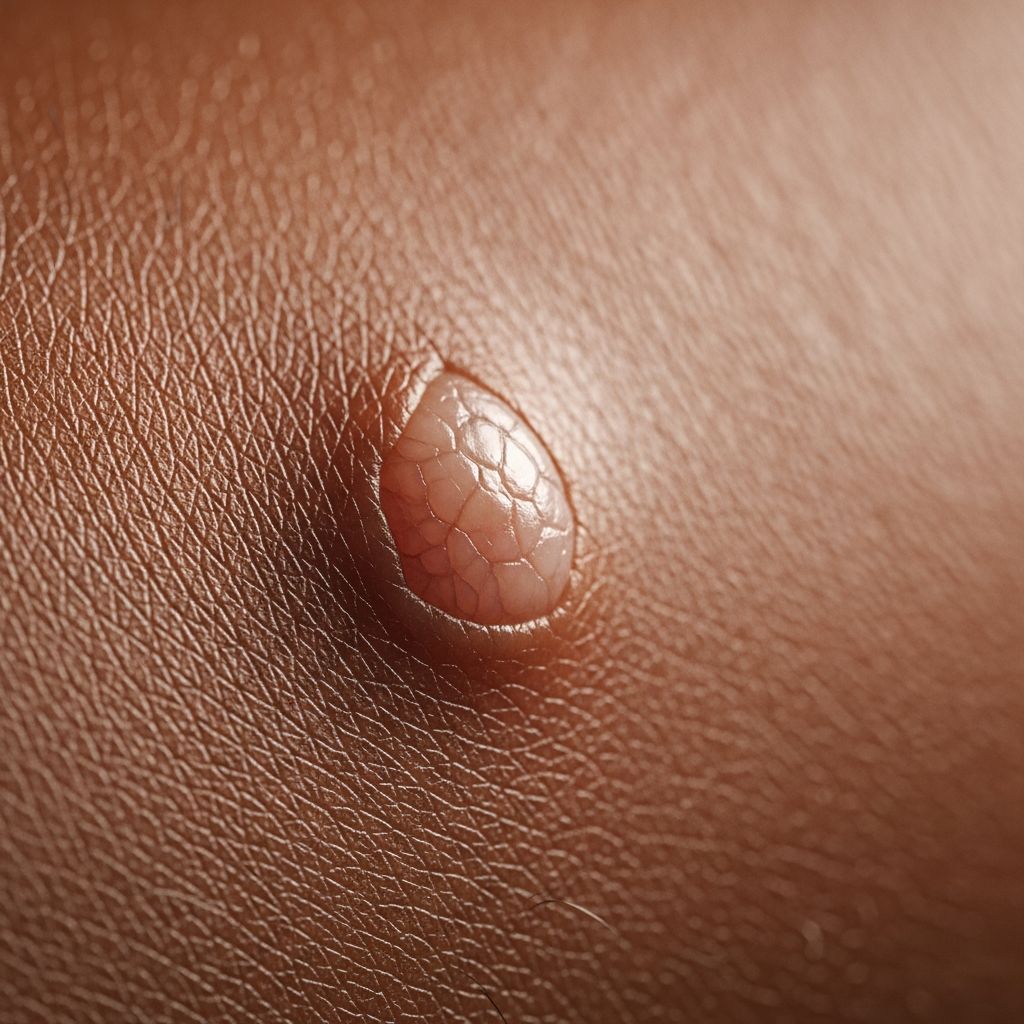
Basal cell carcinoma (BCC) is the most common skin cancer worldwide, but its presentation in skin of colour (Fitzpatrick skin types IV–VI) differs significantly from lighter skin types. In individuals with darker skin tones, BCC is less prevalent yet often diagnosed at later stages due to delayed recognition. This article reviews epidemiology, clinical variants, diagnostic challenges, management strategies, and prevention tailored to skin of colour populations.
What is basal cell carcinoma?
Basal cell carcinoma originates from basal keratinocytes in the epidermis, representing over 80% of non-melanoma skin cancers. It grows slowly, rarely metastasizes (less than 0.1%), but can cause substantial local tissue destruction if untreated. Risk factors include ultraviolet (UV) radiation exposure, fair skin, chronic immunosuppression, and genetic syndromes like basal cell naevus syndrome. In skin of colour, BCC accounts for 20–30% of skin cancers compared to 70–80% in Caucasians, influenced by higher melanin protection against UV damage.
Who gets basal cell carcinoma in skin of colour?
BCC incidence in skin of colour is lower: approximately 1–2 cases per 100,000 in Black populations versus 30–50 per 100,000 in Whites. However, when it occurs, lesions are frequently advanced, larger, and on the head/neck (65–77% of cases). Affected groups include Black (most common malignancy), Hispanic, Asian, and Indigenous populations. Risk factors mirror general populations but with nuances:
- Chronic UV exposure from outdoor occupations.
- Non-sun-exposed sites like trunk or legs in 20–35% of cases.
- Trauma, chronic inflammation, or ulcers (Marjolin ulcer association).
- Arsenic exposure or immunosuppression.
- Genetic predispositions less common than in lighter skin.
Studies show Black patients present with larger tumours (average 2–3 cm) and higher recurrence rates due to diagnostic delays.
What causes basal cell carcinoma?
Primary cause is cumulative UV exposure disrupting DNA repair in basal cells, leading to mutations in PTCH1 or Smoothened genes (Hedgehog pathway). In skin of colour, protective eumelanin reduces UVB penetration but not completely. Other triggers include:
- Photodamaged skin from repeated sunburns.
- Xeroderma pigmentosum (XP), more lethal in darker skin due to late diagnosis.
- Chronic wounds or scars.
- Iatrogenic from PUVA therapy.
Pathophysiology involves aberrant basaloid cell proliferation forming nests or cords invading dermis.
What are the clinical features of basal cell carcinoma in skin of colour?
In skin of colour, classic pearly, telangiectatic nodules are obscured by pigmentation, leading to misdiagnosis as benign lesions. Common presentations:
- Pigmented BCC (30–50%): Dark brown/black macules/plaques mimicking melanoma or seborrhoeic keratosis.
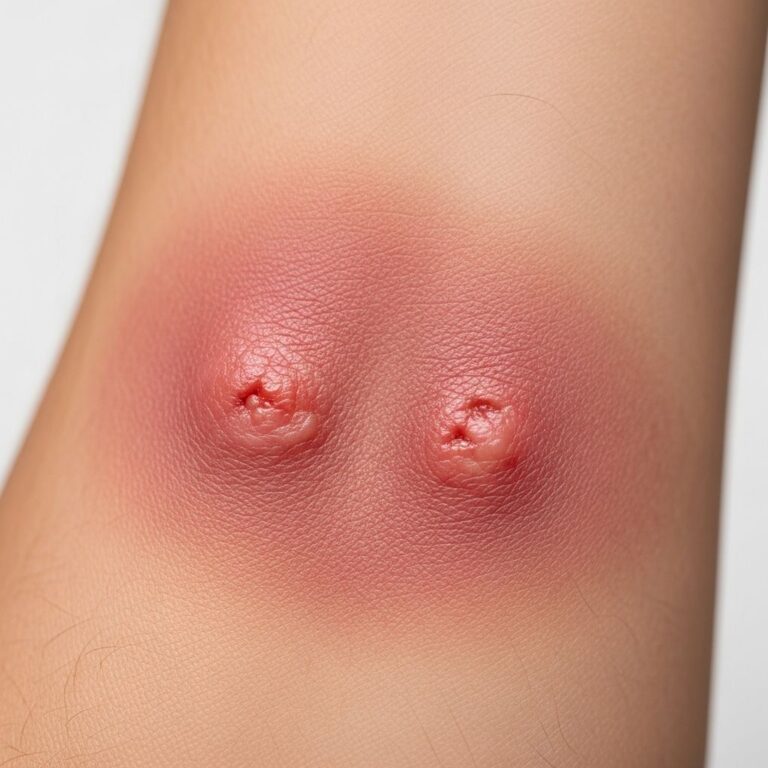
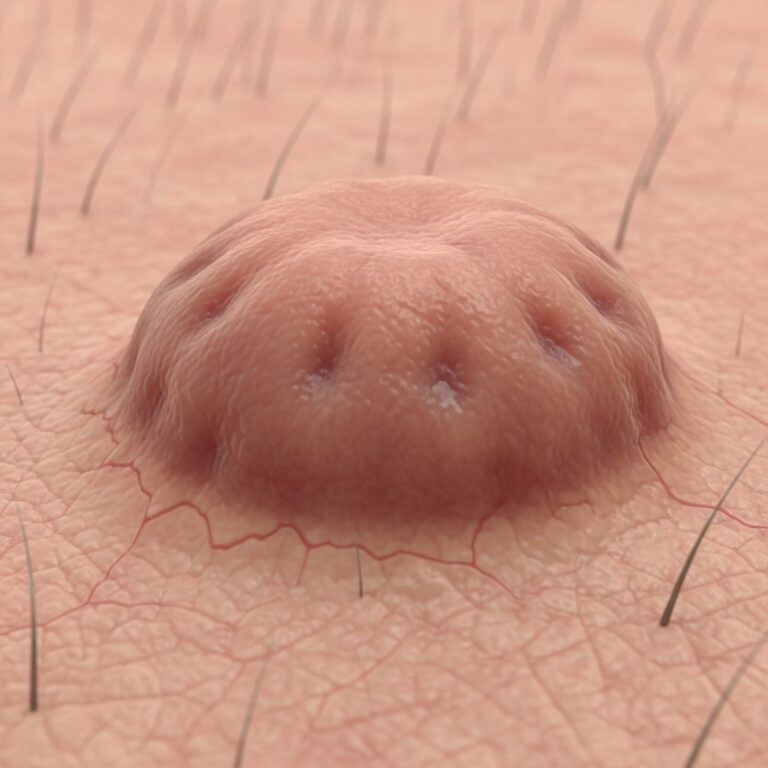
- Noduloulcerative (most common): Firm nodules with rolled borders, central ulceration, crusting; hypopigmented or hyperpigmented rim.
- Morpheaform/sclerosing (10–15%): Scar-like, indurated plaques with ill-defined borders, aggressive locally.
- Superficial: Erythematous, scaly patches resembling eczema or psoriasis.
- Fibroepithelioma of Pinkus: Pedunculated, pink-brown lesions on trunk.
Locations: Head/neck predominant; trunk/legs more frequent than in Whites. Sizes often exceed 2 cm at diagnosis. Dermoscopy reveals atypical pigment networks, blue-grey ovoid nests, arborizing vessels.
Diagnosis of basal cell carcinoma in skin of colour
Related Stories



Diagnosis relies on biopsy due to mimicry. Challenges include:
- Darker tones mask translucency/pearliness.
- Pigmentation simulates acral melanoma or dermatofibroma.
- Morpheaform mimics scars or morphea.
Steps:
- Clinical exam with dermoscopy: Look for ulceration, rolled edges, pigment globules.
- Biopsy: Punch, shave, or excisional; confirms basaloid islands, peripheral palisading, mucin, retraction artefact.
- Histology subtypes: Superficial, nodular, infiltrative; high-risk features (morpheaform, perineural invasion).
In skin of colour, higher ulcerated/infiltrative subtypes noted.
What is the treatment for basal cell carcinoma in skin of colour?
Treatment mirrors general populations, selected by risk stratification (low vs high-risk: size, site, subtype). Treatment options are the same regardless of skin colour. Standard: Excisional biopsy with 3–5 mm margins for most BCCs.
| Treatment | Indications | Cure Rate | Notes for Skin of Colour |
|---|---|---|---|
| Mohs Micrographic Surgery | High-risk (face, recurrent, morpheaform) | 99% | Gold standard; preserves tissue, ideal for cosmetic areas. |
| Standard Excision | Low-risk trunk/limbs | 95% | 3-4 mm margins; good for larger lesions common in delays. |
| Curettage & Electrodesiccation | Small superficial | 90% | May leave pigmentary changes. |
| Topical (Imiquimod, 5-FU) | Superficial, multiple | 80-90% | Effective; monitor inflammation in darker skin. |
| Photodynamic Therapy (PDT) | Superficial face/scalp | 87% | Non-invasive; photosensitizer activation. |
| Cryotherapy | Small superficial | 85-90% | Multiple freezes; hypopigmentation risk. |
| Radiation | Inoperable/elderly | 90-95% | Adjuvant for high-risk. |
| Hedgehog Inhibitors (Vismodegib, Sonidegib) | Advanced/metastatic | 40-60% response | Oral; for surgery unsuitable. |
Post-treatment: Monitor for recurrence (5-10% high-risk); scarring may be keloidal in skin of colour. Multidisciplinary for advanced cases.
Complications of basal cell carcinoma
Untreated BCC erodes tissue: bone, cartilage, orbit, causing functional impairment. Rare metastasis (lungs, lymph nodes). In skin of colour, neglected lesions lead to massive exophytic growths or Marjolin ulcers. Psychological impact from disfigurement.
Prevention of basal cell carcinoma in skin of colour
Despite lower risk, prevention emphasizes:
- Sunscreen SPF 30+ daily, even indoors (UVA protection).
- Protective clothing, hats, shade-seeking.
- Avoid tanning beds; limit midday sun.
- Self-exam: Report non-healing sores, changing moles.
- Annual dermatology screening for at-risk.
Education counters myth that darker skin is immune.
Further reading and references
Consult dermatology texts on ethnic skin dermatoses.
Frequently Asked Questions
Is basal cell carcinoma common in Black skin?
No, BCC is less common in Black skin (1–4% of malignancies) but often advanced at diagnosis due to subtlety.
Does BCC look different in dark skin?
Yes, often pigmented, ulcerated, or scar-like, mimicking other conditions; biopsy essential.
Can BCC be treated without surgery?
Yes, superficial BCCs respond to topicals (imiquimod/5-FU), PDT, or cryotherapy; surgery for most.
Does sunscreen prevent BCC in skin of colour?
Yes, broad-spectrum SPF 30+ reduces risk; melanin offers partial protection.
What if BCC is neglected?
Local destruction, disfigurement; rare metastasis. Early detection key.
References
- Basal Cell Carcinoma Treatment — Skin Cancer Foundation. 2023. https://www.skincancer.org/skin-cancer-information/basal-cell-carcinoma/bcc-treatment-options/
- Pigmented Basal Cell Carcinoma: What You Need to Know — Dermatology Seattle. 2024. https://dermatologyseattle.com/pigmented-basal-cell-carcinoma-what-you-need-to-know/
- Large Basal Cell Carcinoma Treated with Combination Topical — Journal of Clinical and Aesthetic Dermatology. 2023-01-01. https://jcadonline.com/bcc-combination-topical/
- Basal Cell Carcinoma (BCC): Complete Guide — Barnett Dermatology. 2024. https://www.barnettdermatology.com/blog/basal-cell-carcinoma-boca-raton-delray-beach
- Basal cell carcinoma – Diagnosis & treatment — Mayo Clinic. 2025. https://www.mayoclinic.org/diseases-conditions/basal-cell-carcinoma/diagnosis-treatment/drc-20354193
- Basal cell carcinoma in skin of colour — DermNet NZ. 2024. https://dermnetnz.org/topics/basal-cell-carcinoma-in-skin-of-colour
Similar Articles








Read full bio of Sneha Tete