Meal Prepping: Step-By-Step Guide To Healthy, Time-Saving Meals
Save time, money and eat healthier with smart meal prepping strategies for busy lifestyles.
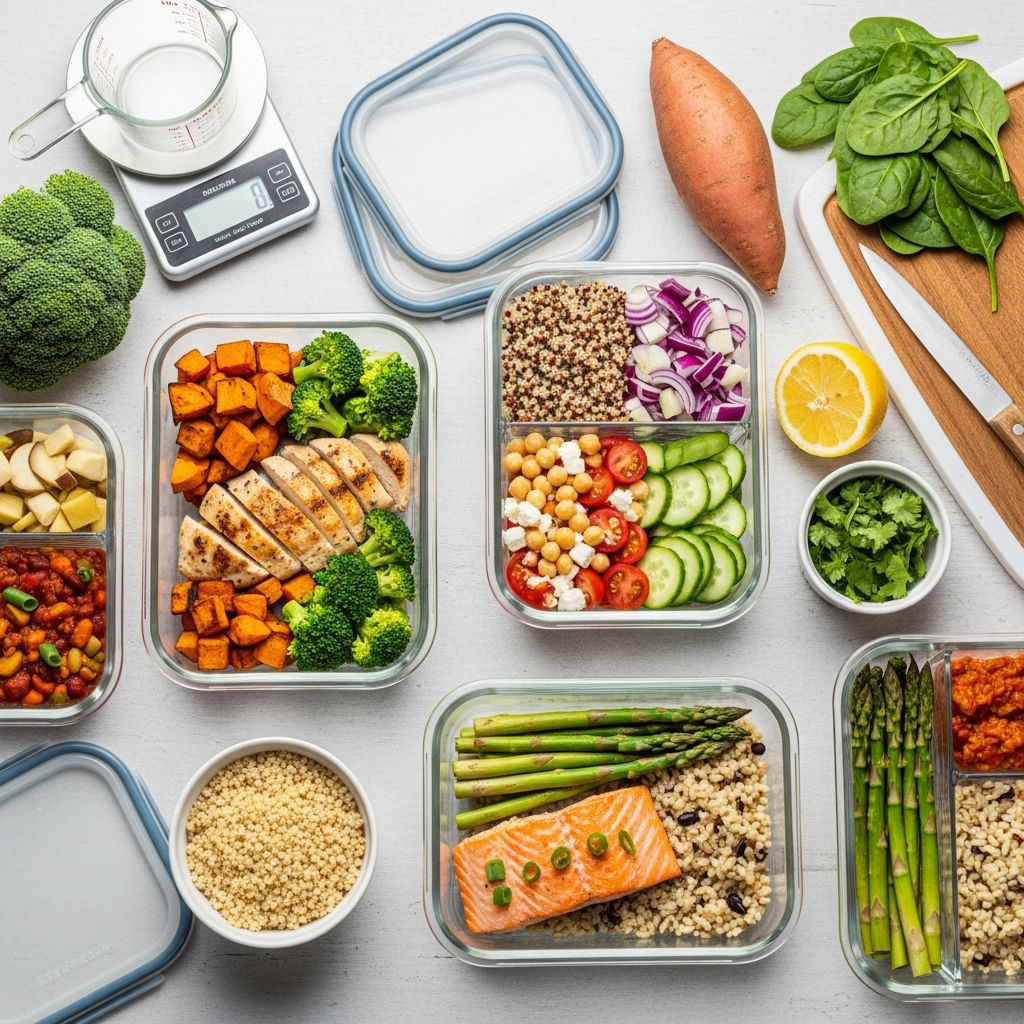
Meal prepping is a practical strategy that helps you eat healthier, save precious time during busy weekdays, and reduce spending on food. By dedicating a specific time to plan, shop, and prepare meals in advance, you can ensure access to balanced, nutritious options without the daily hassle of deciding what to eat. This approach is particularly beneficial for individuals with demanding schedules, families, or those aiming to meet specific dietary goals like weight management or increased vegetable intake. According to experts from the Academy of Nutrition and Dietetics, meal prepping aligns with recommendations for incorporating fruits, vegetables, whole grains, lean proteins, and low-fat dairy into daily meals.
Benefits of Meal Prepping
One of the primary advantages of meal prepping is its ability to promote consistent healthy eating. When meals are prepared ahead, you’re less likely to resort to fast food or processed snacks, which often lack essential nutrients. Studies and guidelines emphasize that planned meals lead to higher intake of nutrient-dense foods, supporting overall wellness. Time savings are another key benefit; instead of cooking daily, you batch-cook on a less hectic day, freeing up evenings for relaxation or family time. Financially, meal prepping cuts costs by minimizing impulse buys and reducing food waste through thoughtful portioning and use of sales items.
Additionally, meal prepping supports diverse dietary needs. Whether following a vegan, keto, or family-friendly plan, customization ensures sustainability. For instance, prepping components like grains and proteins allows for mix-and-match assemblies throughout the week, keeping meals varied and appealing. Environmentally, it reduces packaging waste from takeout, contributing to more sustainable habits.
Getting Started with Meal Prepping
Begin by selecting a dedicated prep day, ideally a weekend like Sunday, when you have more time and energy. This mirrors advice from nutrition professionals who recommend non-workdays to avoid burnout. Start small if you’re new: focus on 3-5 days’ worth of meals to build confidence. Assess your schedule, preferences, and any special needs, such as allergies or fitness goals, to tailor your approach.
- Pick a Prep Day: Choose Saturday or Sunday; involve family members for efficiency.
- Set Realistic Goals: Aim for lunches or dinners first, expanding as you gain experience.
- Gather Tools: Invest in glass containers, portioned bags, and labels for organization.
Step 1: Meal Planning
Effective meal planning starts with creating a menu that balances the five food groups: fruits, vegetables, grains, proteins, and dairy. Consider weekly schedules, weather, and preferences. For a weekly plan, map out breakfasts, lunches, dinners, and snacks. Tools like paper, apps, or planners simplify this. Flip through cookbooks or reliable sites for recipes matching your skill level, ensuring you have necessary utensils.
Sample Weekly Menu:
| Day | Breakfast | Lunch | Dinner |
|---|---|---|---|
| Monday | Overnight oats with berries | Quinoa salad with chickpeas | Grilled chicken with veggies |
| Tuesday | Vegetable omelet | Turkey wrap with greens | Bean stew |
| Wednesday | Smoothie | Leftovers | Tofu stir-fry |
| Thursday | Yogurt parfait | Pasta salad | Baked salmon |
| Friday | Hard-boiled eggs | Grain bowl | Veggie casserole |
Check family input and adjust for variety. Incorporate seasonal produce for freshness and cost savings.
Step 2: Smart Shopping and Grocery Lists
Build a grocery list based on your menu, inventorying pantry, fridge, and freezer first to avoid duplicates. Categorize by store sections: produce, grains, proteins, dairy. Focus on sales for proteins like chicken. Stock pantry staples from the five groups for versatility.
Related Stories



- Grains: Oatmeal, brown rice, quinoa, whole-grain pasta.
- Vegetables: Leafy greens, broccoli, carrots, bell peppers.
- Fruits: Apples, berries, citrus.
- Proteins: Chicken, eggs, beans, tofu.
- Dairy: Low-fat yogurt, milk.
- Condiments: Olive oil, vinegar, herbs, low-sodium stock.
Use apps for lists to track usage and reduce waste. Shop perimeter aisles for fresh items. Daily needs vary: 1.5-2.5 cups fruit, 2-4 cups vegetables, 5-8 oz grains, 5-7 oz protein, 3 cups dairy.
Step 3: Choosing Recipes and Batch Cooking
Opt for simple, nutritious recipes using basic ingredients. Batch-cook staples like roasted veggies, cooked grains, and proteins for assembly later. Examples include hard-boiled eggs, grilled chicken, or lentil soup. Full meals like casseroles can be doubled for leftovers. Customize: keto with low-carb wraps, vegan with grain bowls.
Prep times range from minutes (chopping veggies) to hours (full batches). Start with easy wins: boil grains while roasting proteins.
Meal Prep Techniques
Employ various methods:
- Component Prepping: Cook bases separately for mixing (e.g., rice + chicken + veggies).
- Full Meals: Assemble and portion complete dishes.
- Freezer-Friendly: Soups, chilis for longer storage.
- Snack Preps: Cut fruits, portion nuts.
Ensure balance: half plate veggies, quarter protein, quarter grains.
Storage and Safety Tips
Proper storage prevents spoilage. Use airtight glass containers; label with dates. Refrigerate up to 4 days; freeze for months. Cool foods quickly before storing. Reheat to 165°F. Thaw safely in fridge, not counter. Avoid cross-contamination.
Customizing for Diets
- Vegetarian: Bean stews, zucchini noodles.
- Vegan: Chia pudding, bean burritos.
- Keto: Salmon kale bowls, egg salads.
Frequently Asked Questions (FAQs)
What is meal prepping?
Meal prepping involves planning, shopping, and cooking meals in advance to save time and ensure healthy eating.
How often should I meal prep?
Weekly on a weekend works best for most, prepping 3-5 days ahead.
Can I freeze meal prep?
Yes, portion into freezer bags; use within 2-3 months for best quality.
What containers are best?
Glass or BPA-free plastic, microwave-safe, for reheating.
Does meal prepping save money?
Absolutely, by buying in bulk and reducing waste.
Tips for Success
- Season simply to avoid boredom.
- Rotate recipes monthly.
- Prep snacks like yogurt parfaits.
- Track nutrition with apps.
Meal prepping transforms chaotic weeks into structured, healthful routines, empowering better choices effortlessly.
References
- How To Meal Prep — Nature Made. 2022-08-16. https://www.naturemade.com/blogs/health-articles/how-to-meal-prep
- 3 Strategies for Successful Meal Planning — Academy of Nutrition and Dietetics. https://www.eatright.org/food/planning/smart-shopping/3-strategies-for-successful-meal-planning
- Creating a Grocery List — Academy of Nutrition and Dietetics. https://www.eatright.org/food/planning/smart-shopping/creating-a-grocery-list
- Food Preparation — Academy of Nutrition and Dietetics. https://www.eatright.org/food/food-preparation
- Basics of Meal Prepping — Academy of Nutrition and Dietetics. https://www.eatright.org/food/food-preparation/cooking-tips/basics-of-meal-prepping
- Safe Cooking and Prep — Academy of Nutrition and Dietetics. https://www.eatright.org/food/home-food-safety/safe-cooking-and-prep
Similar Articles








Read full bio of medha deb