Health Benefits of Basil: Science-Backed Uses
Discover the science-backed health benefits of basil and how this versatile herb supports your wellness.
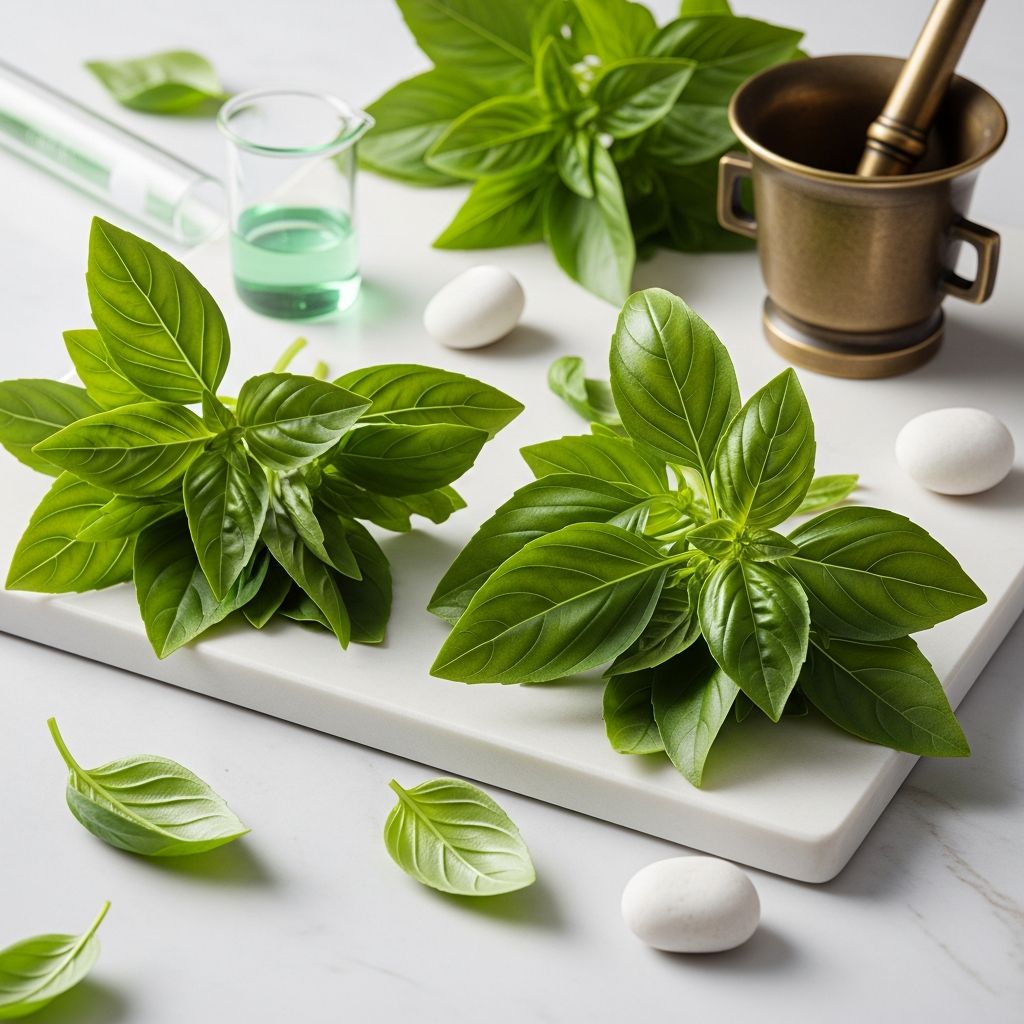
Health Benefits of Basil: A Comprehensive Guide to Nature’s Healing Herb
Basil is far more than a culinary favorite that adds flavor to your favorite pasta dishes. This aromatic herb contains a remarkable array of nutrients and bioactive compounds that can help protect your body against chronic diseases, including cancer, diabetes, heart disease, and arthritis. Beyond its traditional uses in the kitchen, basil offers antibacterial and anti-inflammatory benefits that extend to multiple aspects of your health. Depending on the variety and form you choose—whether fresh leaves, dried powder, or essential oil—basil may even boost your mental health and emotional well-being. A comprehensive review of 24 human studies found that all reported positive results in favor of basil’s health benefits, demonstrating its potential across numerous health domains.
Understanding Basil’s Nutritional Profile
Before diving into specific health benefits, it’s important to understand what makes basil such a nutritional powerhouse. Basil is rich in essential vitamins and minerals that support various bodily functions:
- Vitamin K: Essential for bone health and proper blood clotting mechanisms
- Vitamin A: Important for maintaining healthy vision and supporting immune function
- Vitamin C: A powerful antioxidant that strengthens the immune system
- Iron: Necessary for oxygen transport and energy production throughout the body
- Calcium: Supporting strong bones and teeth
- Manganese: Plays crucial roles in bone health and metabolism
- Magnesium: Essential for muscle function and energy production
- Zinc: Vital for immune function and wound healing
These nutrition facts, combined with basil’s low calorie count, make it an excellent addition to any healthy diet without contributing excessive calories.
Protection Against Cell Damage Through Antioxidant Power
One of basil’s most significant health benefits is its potent antioxidant activity. Basil leaves are rich in antioxidants—natural compounds that protect your body’s cells from damage caused by free radicals and oxidative stress. Your body produces free radicals in response to stress and inflammation, and they also come from environmental exposures like cigarette smoke and ultraviolet (UV) radiation. Antioxidants act as a shield against these harmful free radicals and the health problems they cause.
The antioxidants in basil include flavonoids, polyphenols, and vitamins A and C, which work together to neutralize harmful free radicals in the body. This antioxidant activity helps reduce oxidative stress and cell damage linked to various health conditions. Left unchecked, oxidative stress can lead to health conditions that include:
- Heart disease
- Diabetes
- Arthritis
- Alzheimer’s disease
- Age-related cognitive decline
By regularly consuming basil, you’re providing your body with a natural defense system against these oxidative stressors.
Cancer Prevention and Anti-Cancer Properties
Research has demonstrated sweet basil’s potential to ward off certain cancers, making it a promising addition to any cancer prevention strategy. In laboratory studies, sweet basil prevented the growth of human colon cancer cells in test tubes. Additionally, scientists found that leaf extracts from six different types of basil all possessed anticancer properties—basil interfered with cancer cells’ ability to grow and divide, ultimately destroying them.
For cancer patients undergoing treatment, basil offers additional supportive benefits. The herb’s antioxidant compounds may help reduce oxidative stress and cell damage linked to cancer development and progression. Furthermore, basil supports immune function through its vitamin C, zinc, and iron content—nutrients essential for maintaining immune strength when cancer treatments like chemotherapy and radiation therapy can weaken the immune system. This immune support may help cancer patients cope better with treatments and reduce the risk of infections.
However, as registered dietitian Gillian Culbertson notes, “There is a growing body of evidence that basil could be a powerful cancer prevention tool, but researchers need to do more human studies to confirm these promising results and understand how much basil people should consume.”
Related Stories



Cardiovascular Health and Blood Pressure Management
Traditional Chinese medicine practitioners have treated cardiovascular disease with basil for centuries—and modern research is validating their wisdom. Nonhuman studies have shown that basil can reduce high blood pressure and improve cholesterol levels. One key compound responsible for these benefits is eugenol, an oil found in holy basil that may help lower blood pressure by relaxing your blood vessels.
Basil’s cardiovascular benefits work through multiple mechanisms:
- Blood pressure lowering effects: Through eugenol and other compounds that promote blood vessel relaxation
- Lipid-lowering properties: Animal research has demonstrated reduced total cholesterol and triglycerides with holy basil consumption
- Platelet aggregation reduction: May help prevent dangerous blood clots
- Anti-inflammatory effects: Chronic inflammation is a risk factor for cardiovascular disease, and basil’s anti-inflammatory properties address this concern
A diet rich in basil, combined with other heart-healthy herbs and lifestyle modifications, may support long-term cardiovascular health and reduce your risk of heart disease.
Blood Sugar Management and Diabetes Prevention
Both human and laboratory studies have shown basil’s special ability to manage blood sugar levels—a crucial benefit for those concerned about type 2 diabetes. In laboratory models of diabetes, basil extract contributed to significant reductions in blood sugar levels. Another nonhuman study showed similar effects with holy basil extract.
Basil’s anti-diabetic properties make it a valuable functional food for diabetes prevention and management. The herb appears to work by improving insulin sensitivity and helping your body regulate glucose metabolism more effectively. Human studies on basil and blood sugar management are in the early stages but have shown some exciting potential benefits for blood sugar control and type 2 diabetes. However, as with cancer research, more human studies are needed to fully understand the impacts of different basil varieties on blood sugar health.
Anti-Inflammatory and Immune-Boosting Properties
Chronic inflammation is linked to various health conditions, including heart disease, arthritis, diabetes, and inflammatory bowel disease—but basil has been shown to contain compounds that effectively reduce inflammation in the body. One study indicated that basil’s active ingredients might help reduce inflammation markers, potentially offering relief for conditions like arthritis or inflammatory bowel disease.
The essential oils in basil—particularly eugenol, linalool, and citronellol—have potent anti-inflammatory properties that work throughout your body. These compounds are commonly used for treating common colds, and basil is helpful for improving nasal blockage associated with congestion. Furthermore, these anti-inflammatory properties have been shown to support skin health and improve skin hydration and appearance.
Beyond anti-inflammatory benefits, basil supports immune health through multiple pathways. Packed with vitamin C and essential oils like eugenol and linalool, basil helps strengthen your immune system. The antioxidants in basil also help fight off harmful bacteria and viruses, supporting your body’s natural defense system. Consuming basil regularly could help you stay healthy, particularly during flu season or periods of high stress.
Mental Health Support and Stress Reduction
Research increasingly shows that daily basil consumption can influence many aspects of your mental health in positive ways. Holy basil is classified as an adaptogen—meaning the plant contains compounds that help your body adapt to stress and maintain emotional equilibrium. In four different human studies, holy basil was shown to alleviate stress, anxiety, and depression, in addition to helping improve sleep quality and cognitive function.
A nonhuman laboratory study showed that basil essential oils have the potential to decrease depression and stress- and age-related memory loss. The results were so positive that researchers concluded it was time to investigate whether basil could improve symptoms associated with Alzheimer’s disease. The stress-reducing compounds in basil, including eugenol and linalool, are known for their calming effects. Incorporating basil into meals or consuming it as herbal tea may help manage stress and improve overall mental well-being.
Digestive Health and Gastrointestinal Support
Basil can aid in digestion by helping to reduce bloating and gas—common complaints that affect many people. The herb also possesses antimicrobial properties that help fight off harmful bacteria in the digestive system, promoting a healthier gut microbiome. For individuals undergoing cancer treatment or taking medications that affect digestion and appetite, basil offers particular value.
Basil contains compounds like eugenol and cineole, which may aid in digestion, reduce bloating, and soothe gastrointestinal discomfort. These digestive benefits promote better nutrient absorption and overall digestive health—a critical consideration for cancer patients or anyone recovering from illness.
How to Incorporate Basil Into Your Diet
The health benefits of basil are most accessible through regular consumption in your daily diet. Here are practical ways to incorporate this beneficial herb:
- Fresh basil: Add to salads, pasta dishes, soups, and smoothies for maximum nutritional benefit
- Dried basil: Use in cooking, sprinkle on vegetables, or brew as herbal tea
- Basil pesto: Blend with olive oil, garlic, and nuts for a flavorful condiment
- Herbal tea: Steep fresh or dried basil leaves in hot water for a soothing beverage
- Basil essential oil: Use in aromatherapy (note: never ingest essential oils without professional guidance)
- Flash-frozen basil: Convenient pre-portioned basil cubes ready for easy use in meals
Studies have tested several forms of basil, including extracts, leaves, and leaf powders, all showing health benefits.
Different Types of Basil and Their Benefits
While sweet basil is the most commonly used culinary variety, holy basil (also called tulsi) has earned particular attention in scientific research for its health benefits. Holy basil contains unique compounds that make it especially effective for stress reduction and adaptogenic support. Basil seeds also deserve mention—they’re associated with prevention of type 2 diabetes, cardioprotection, antioxidant and antimicrobial effects, and anti-inflammatory, antiulcer, anticoagulant, and anti-depressant properties.
Traditional herbal medicines have widely cultivated basil and used it as both a vegetable and medicinal tincture for treating fevers, coughs, flu, asthma, bronchitis, influenza, and diarrhea. The most important essential oils of basil—eugenol, chavicol, and terpenoids—work together to provide these diverse health benefits.
What the Research Says
The scientific evidence supporting basil’s health benefits is substantial and growing. A systematic review of research on basil seeds as a functional food explored the enormous potential of basil and its components as functional ingredients to be incorporated into foods. The research consensus identifies the most important pharmacological uses of basil as:
- Anti-cancer activity
- Radioprotective activity
- Anti-microbial activity
- Anti-inflammatory effects
- Immunomodulatory activity
- Anti-stress activity
- Anti-diabetic activity
- Anti-pyretic activity (fever reduction)
- Anti-arthritic activity
- Antioxidant activity
- Cardiovascular disease prevention
Important Considerations and Future Research
While the research on basil’s health benefits is promising, it’s important to recognize that some areas require additional human studies. Most research on cancer prevention and certain other benefits has been conducted in laboratory or animal studies, with researchers emphasizing the need for more comprehensive human clinical trials. Additionally, optimal dosages and the most effective forms of basil for various health conditions remain areas of ongoing investigation.
As with any herbal supplement or health intervention, consult with your healthcare provider before making significant changes to your diet or starting basil supplements, particularly if you take medications or have existing health conditions.
Frequently Asked Questions About Basil
Q: Is fresh basil better than dried basil for health benefits?
A: Both fresh and dried basil offer health benefits, though fresh basil may retain slightly higher levels of certain volatile compounds. Dried basil is more concentrated in some nutrients and is convenient for regular use. Studies have demonstrated benefits from various forms including extracts, fresh leaves, and dried powders.
Q: How much basil should I consume daily to see health benefits?
A: While specific daily recommendations are still being established through research, incorporating basil regularly into your meals—whether as a garnish, in cooking, or as herbal tea—can provide health benefits. Start with what feels natural in your diet and gradually increase consumption based on your preferences and tolerance.
Q: Is holy basil the same as culinary basil?
A: No, holy basil (tulsi) and sweet culinary basil are different species with distinct flavor profiles and slightly different compound compositions. Holy basil has gained particular attention for stress-reducing and adaptogenic properties, while sweet basil is more commonly used in cooking. Both offer significant health benefits.
Q: Can basil interact with medications?
A: While culinary amounts of basil are generally safe, large medicinal doses or supplements may interact with certain medications. If you take blood thinners, diabetes medications, or blood pressure medications, consult your healthcare provider before significantly increasing basil consumption or taking basil supplements.
Q: Is basil safe for everyone?
A: Basil is safe for most people when used in normal culinary amounts. However, pregnant women should consult their healthcare provider before using large amounts of basil or basil supplements, as some compounds may affect pregnancy. People with allergies to plants in the mint family should also exercise caution.
References
- 5 Health Benefits of Basil — Cleveland Clinic Health Essentials. 2024. https://health.clevelandclinic.org/benefits-of-basil
- Is Basil Good for You? Health Benefits and Nutrition Facts — Dorot Gardens. https://dorotgardens.com/is-basil-good-for-you-health-benefits-nutrition/
- Harnessing the Power of Herbs: Exploring the Health Benefits of Basil and Mint — Toastique. https://toastique.com/blogs/wellness/harnessing-the-power-of-herbs-exploring-the-health-benefits-of-basil-and-mint
- What is holy basil, and can it provide health benefits? — Ohio State University Wellness. https://health.osu.edu/wellness/exercise-and-nutrition/holy-basil-good-for-health
- Basil benefits: Nourishing cancer warriors — University of Texas Health San Antonio Cancer Center. https://cancer.uthscsa.edu/news-and-stories/basil-benefits-nourishing-cancer-warriors
- Basil Seeds as a Novel Food, Source of Nutrients and Functional Ingredients — PubMed Central/NIH. 2021. https://pmc.ncbi.nlm.nih.gov/articles/PMC8303141/
- Chemical components and pharmacological benefits of Basil — Taylor & Francis Online. 2020. https://www.tandfonline.com/doi/full/10.1080/10942912.2020.1828456
Similar Articles








Read full bio of medha deb