Basketball’s Hidden Risk: Top Eye Injury Threat
Discover why basketball tops the list for sports eye injuries and learn proven strategies to safeguard your vision on the court.
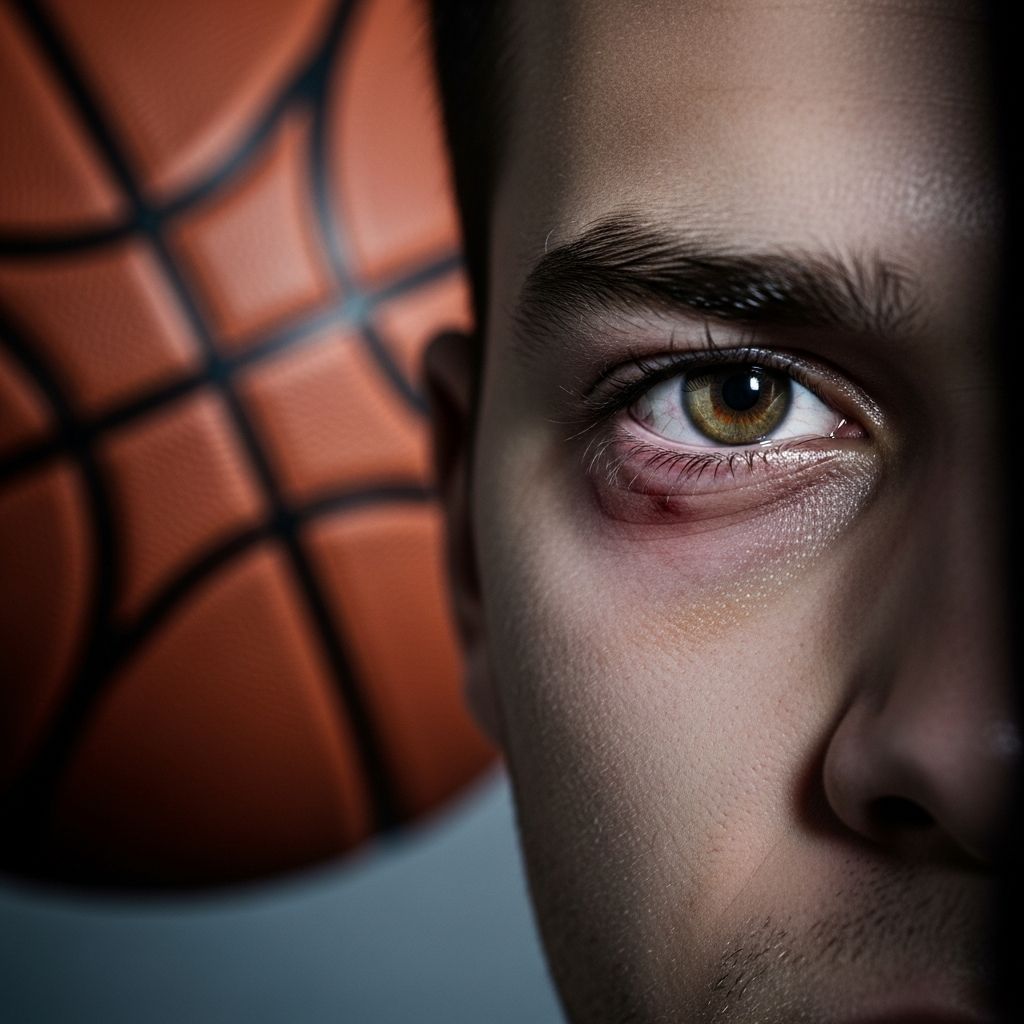
Basketball stands out as the number one cause of sports-related eye injuries in the United States, surpassing all other activities in reported cases. Each year, tens of thousands seek emergency care for vision-threatening trauma from the court, with data showing a steady rise in incidents.
Alarming Statistics on Court-Related Vision Trauma
Recent figures reveal over 43,000 sports eye injuries treated in 2024 alone, marking a 33% increase from the prior year, led by basketball. Emergency rooms log nearly 30,000 visits annually for such incidents, many avoidable with basic precautions. Among youth, more than 30,000 children suffer serious harm yearly, highlighting a critical public health concern.
Males face heightened risks in basketball (26% of cases), baseball/softball (13%), while females see elevated dangers in lacrosse and field hockey. Adults encounter issues in racquet sports, basketball, and softball, often in unregulated recreational settings.
Why Basketball Poses Unique Dangers to Eyes
The fast-paced nature of basketball amplifies injury potential through high-speed balls, elbows, fingers, and falls. Projectiles like the ball can strike the eye orbit directly, causing blunt force unmatched in slower sports. Close-contact play increases poke risks from hands and bodies, while airborne leaps heighten collision chances.
Unlike sports with built-in barriers, basketball’s open court exposes players constantly. Spectators face stray balls or errant players entering stands, demanding vigilance beyond participants.
Common Types of Eye Damage from Basketball
Injuries range from minor scratches to permanent blindness. Key examples include:
- Corneal abrasions: Surface scratches causing pain, light sensitivity, and infection risk.
- Black eyes: Bruising around the orbit from blunt impacts.
- Retinal detachment: Torn retina layers threatening vision loss if untreated.
- Orbital fractures: Broken eye socket bones from forceful blows.
- Traumatic cataracts: Lens clouding from trauma, impairing sight.
- Hyphema or vitreous hemorrhage: Internal bleeding filling the eye chamber.
Severe cases may rupture the globe or cause optic nerve damage, with high-velocity impacts fitting perfectly into the eye’s vulnerable socket.
High-Risk Groups and Vulnerable Demographics
| Group | Top Sports Risks | Key Factors |
|---|---|---|
| Youth Males | Basketball, Baseball | High intramural play without mandates |
| Youth Females | Lacrosse, Field Hockey | Inconsistent gear compliance |
| Adults (All) | Basketball, Racquet Sports | Recreational leagues lacking rules |
| Children Overall | Basketball Leading | Over 30,000 annual cases |
Monocular athletes (one functional eye) or those with prior conditions require extra caution, consulting specialists before play.
Proven Prevention: 90% of Injuries Avoidable
Authoritative bodies like the American Academy of Ophthalmology affirm that 90% of serious eye traumas are preventable with appropriate gear. Polycarbonate eyewear, shatterproof and impact-resistant, forms the cornerstone of defense.
Selecting Optimal Protective Gear
Choose ASTM F803-approved protectors, tested for sports-specific impacts by the American Society for Testing and Materials. Features include:
Related Stories



- Polycarbonate lenses: Thinner, lighter, UV-blocking, and non-shattering.
- Padding on brow, nose bridge to avoid cuts.
- Anti-fog coatings or side vents for clarity during exertion.
- Secure straps, properly fitted—not too tight or loose.
- Lenses that pop outward on impact, never inward.
For prescription needs, opticians fit custom guards. Baseball players add polycarbonate face shields to batting helmets.
Safety Guidelines for All Levels
- Wear gear every practice and game, not just competitions.
- Parents and coaches enforce rules from youth onward for lifelong habits.
- Opt for sport-specific designs; regular glasses or sunglasses fail.
- Schedule regular eye exams to catch subtle damage early.
- Post-surgery or injury patients: Consult eye MDs on safe return.
Role of Coaches, Parents, and Organizations
Leaders shape safety culture. Schools and leagues should mandate eyewear in high-risk sports like basketball. Athletic trainers at institutions like UNC ensure compliance and swift care. Parents model behavior by gearing up themselves, countering youth resistance over fogging or vision hindrance.
Advocacy for policy shifts in intramural and recreational play addresses gaps where regulations lag.
Immediate Response to Eye Injuries
If trauma occurs:
- Stop play; apply cold compress without pressure.
- Avoid rubbing or rinsing unless chemicals involved.
- Seek emergency ophthalmologist care promptly—delays worsen outcomes.
Specialized teams handle reconstruction for fractures or detachments.
Seasonal Awareness: Sports Eye Safety Initiatives
Months like April and September spotlight prevention, with groups like Prevent Blindness educating on gear amid rising recreational play. Even pandemic-disrupted seasons underscore backyard risks. Outdoor peaks from spring to summer demand heightened vigilance.
FAQs on Basketball Eye Safety
Is basketball really the top eye injury sport?
Yes, data confirms it leads over pools, soccer, and others.
What gear is best for basketball?
ASTM F803 polycarbonate goggles with padding and anti-fog features.
Do kids need protection in practice?
Absolutely—consistent use builds habits and prevents most incidents.
Can regular glasses protect?
No; they shatter easily. Use sports-specific protectors.
What if I have one good eye?
Consult an eye doctor; some sports may be unsafe.
How do I fit eyewear properly?
Try on, adjust straps, ensure comfort and secure hold.
Building a Safer Court Culture
Integrating eye safety into basketball routines saves sight. From youth leagues to pro levels, commitment to gear and rules transforms risks. Regular checkups and education empower players. By prioritizing vision, enthusiasts enjoy the game without fear of lifelong consequences.
References
- Protect Your Vision: Sports Eye Safety Month Highlights the Importance of Eye Protection — MOA Eyes. 2024. https://moaeyes.com/blog/protect-your-vision-sports-eye-safety-month-highlights-the-importance-of-eye-protection/
- Data Shows Basketball as Cause of Most Sports-related Eye Injuries — Prevent Blindness. 2023-09. https://preventblindness.org/basketball-cause-of-most-sports-eye-injuries/
- April Is Sports Eye Safety Month! — UNC Department of Ophthalmology. 2024-03. https://www.med.unc.edu/ophth/2024/03/april-is-sports-eye-safety-month-3/
- September is Sports Eye Safety Month — Texas Retina Associates. 2025-09-09. https://www.texasretina.com/2025/09/09/september-is-sports-eye-safety-month
- Fact Sheet for Parents: Sports-Related Eye Injuries in Youth — New Jersey Department of Education (.gov). Accessed 2026. https://www.nj.gov/education/safety/health/athlete/docs/SportsRelatedEyeInjury.pdf
Similar Articles








Read full bio of Sneha Tete